
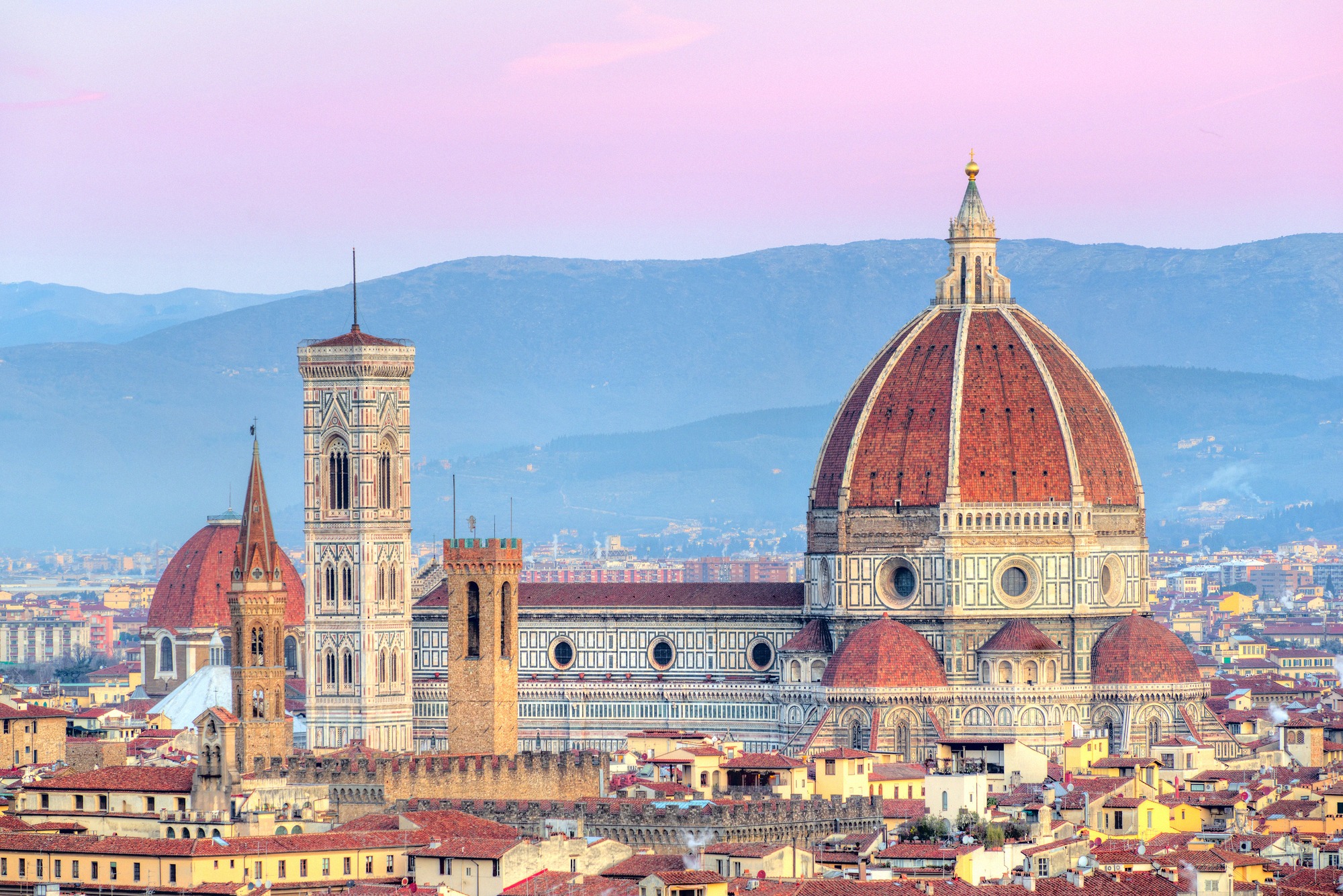
Florence Cathedral
Gothic cathedral crowned by Brunelleschi's dome
Overview
Florence's top attractions at a glance, the Duomo, the Uffizi and Michelangelo's David, plus 2026 prices, which sights are free and which tickets to book ahead.
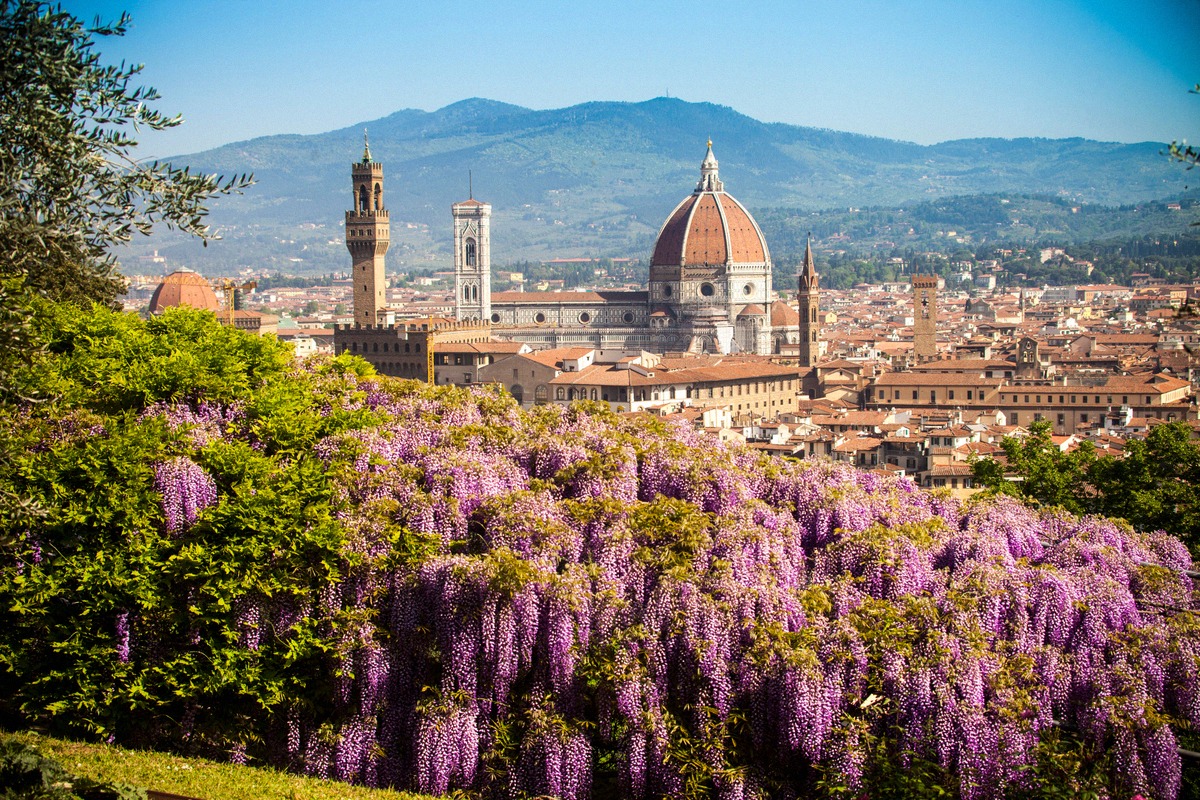
Gothic cathedral crowned by Brunelleschi's dome
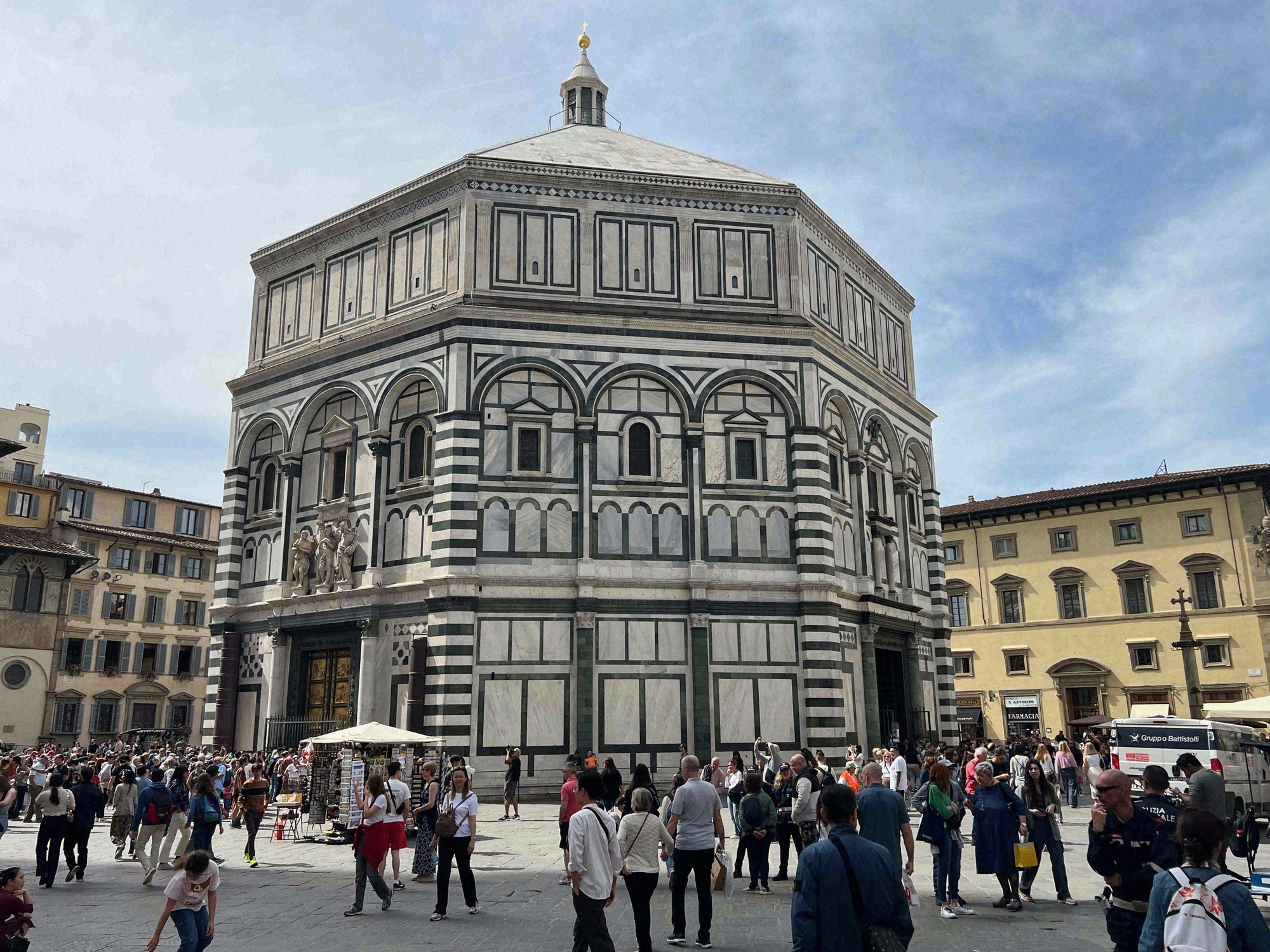
Octagonal baptistery famous for Ghiberti's Gates of Paradise
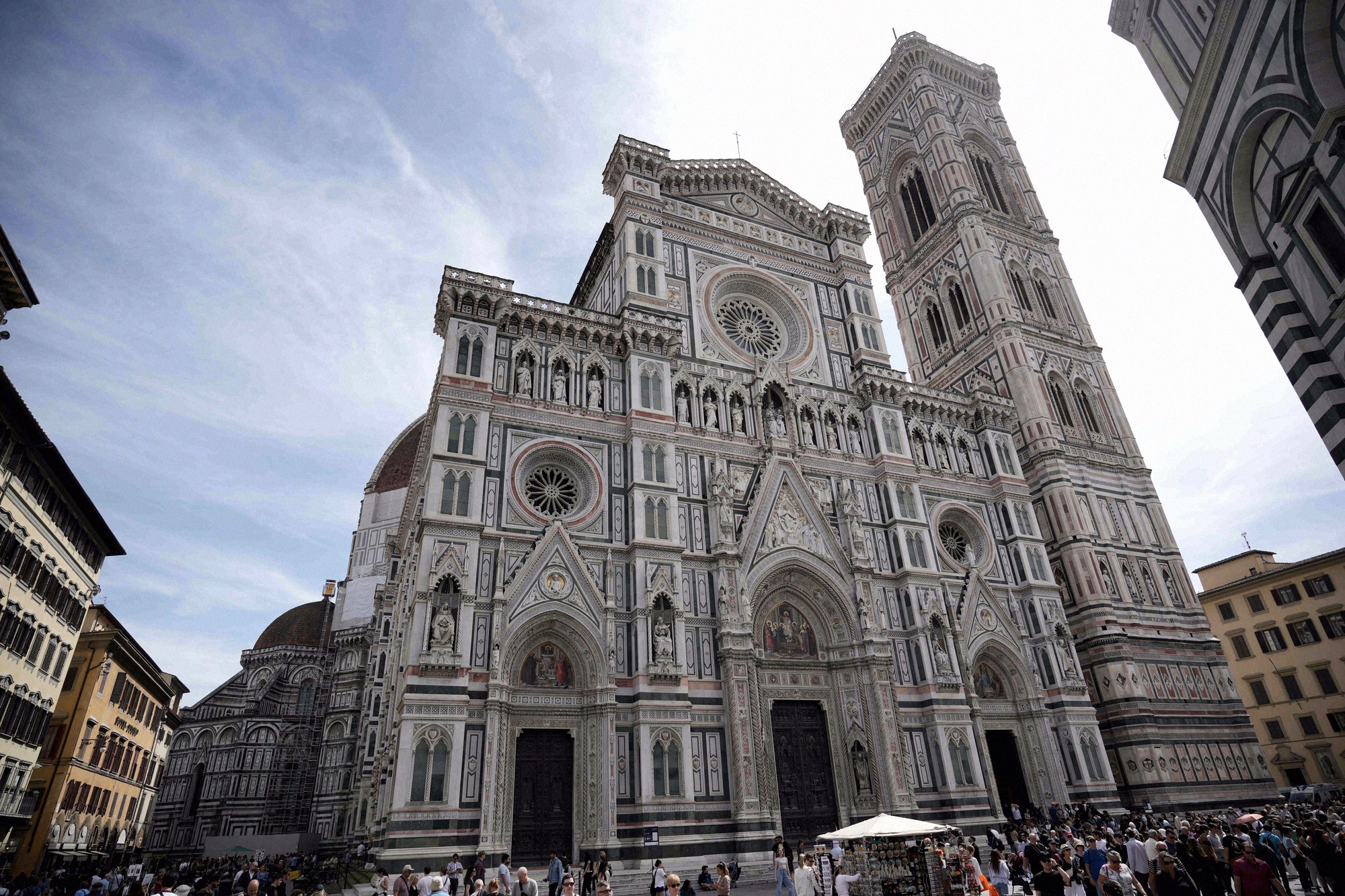
Marble-clad bell tower on the cathedral square, 414 steps
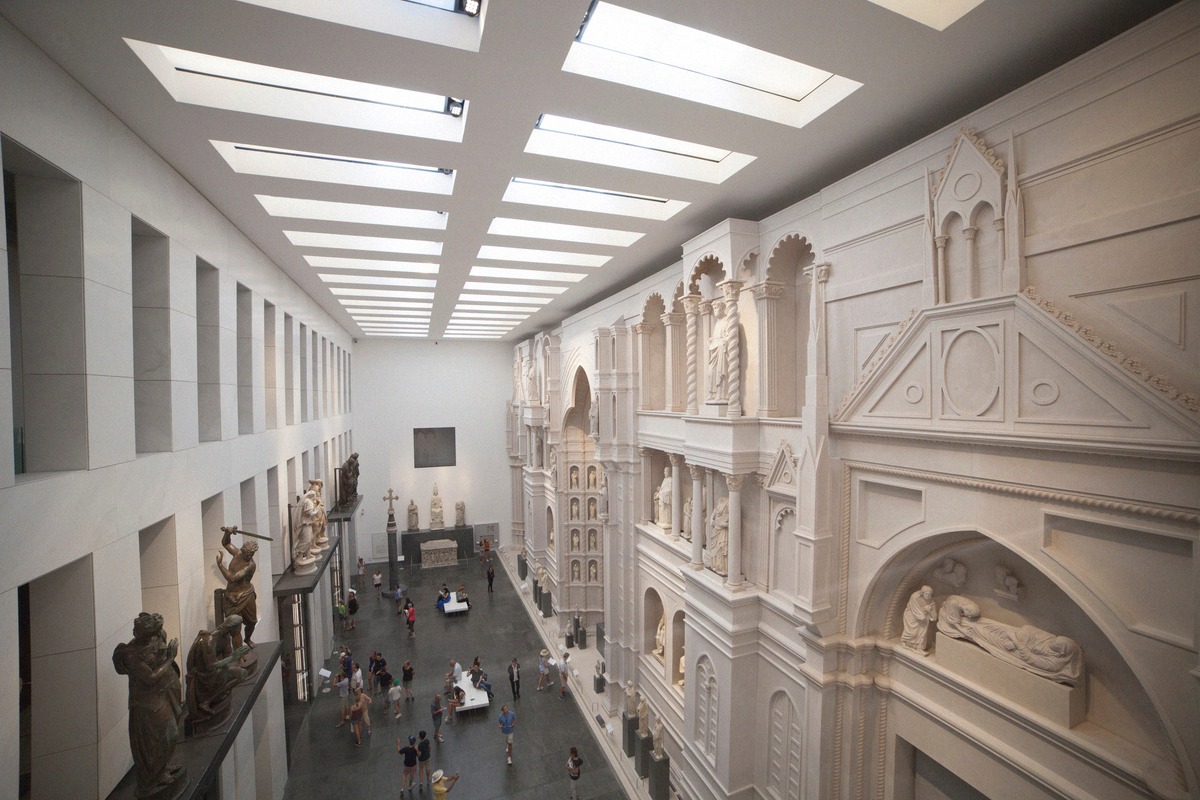
Sculpture museum holding the originals from the cathedral square
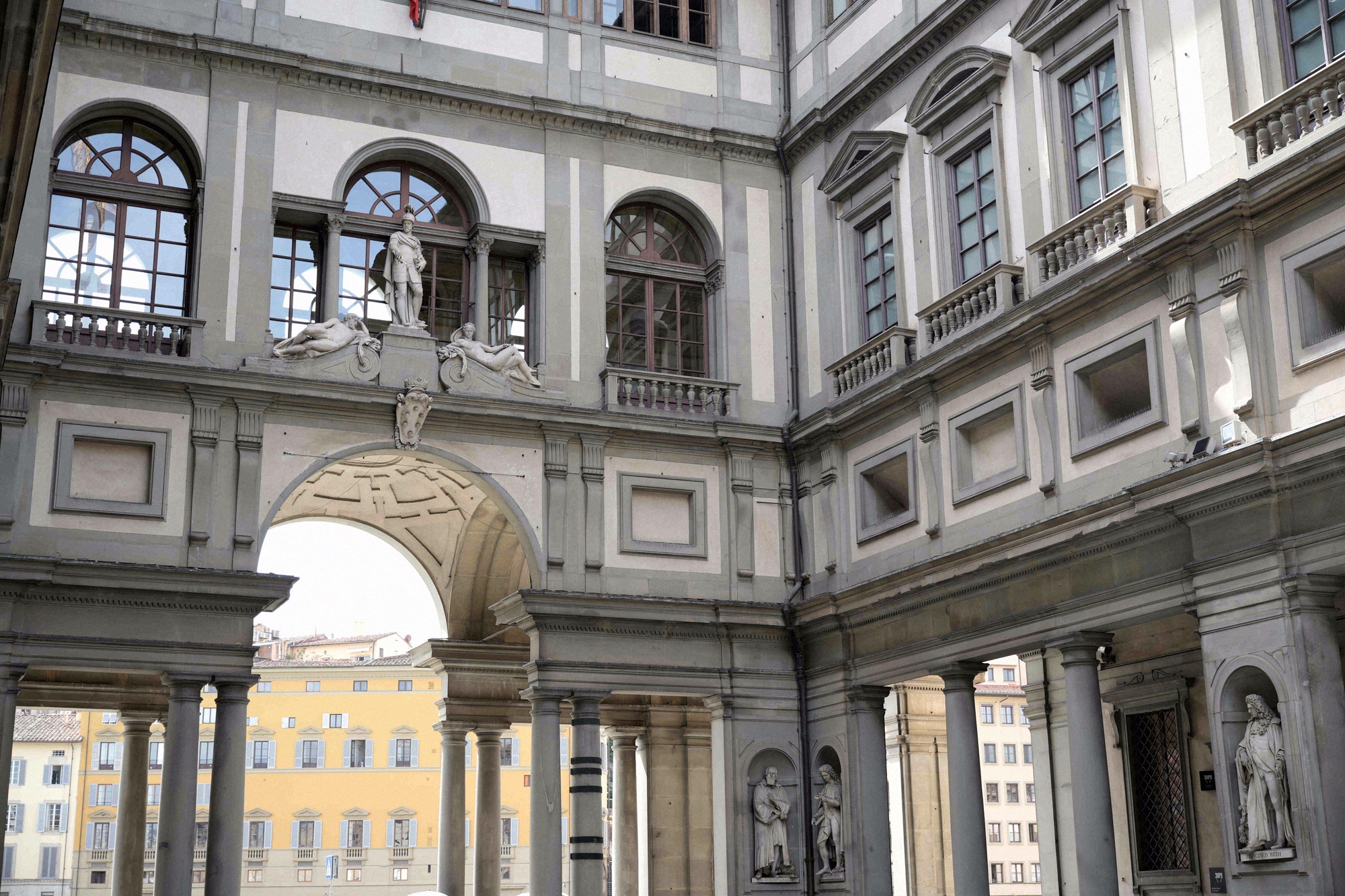
Renaissance gallery of the Medici on the Arno
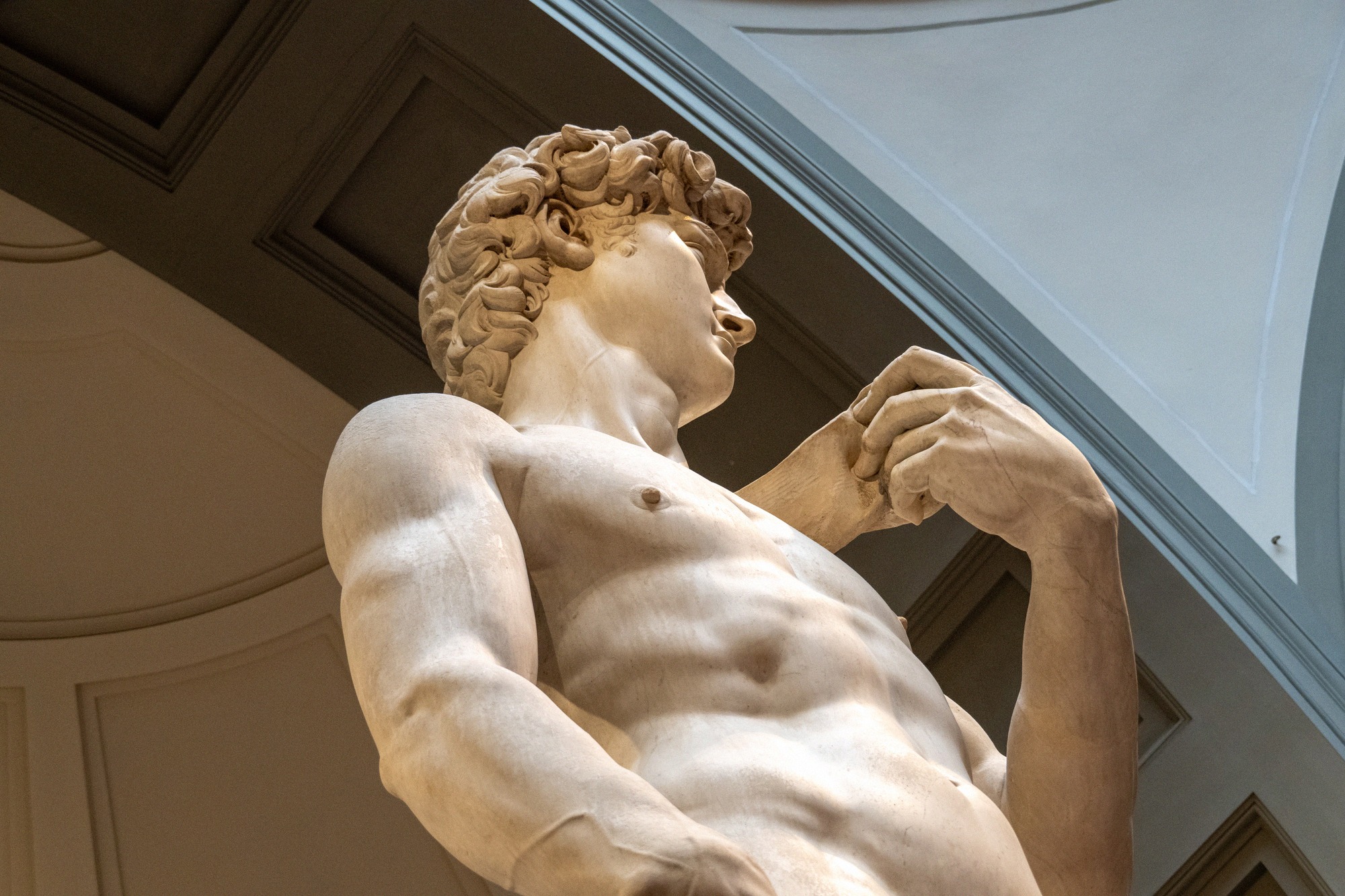
Michelangelo's David in the original
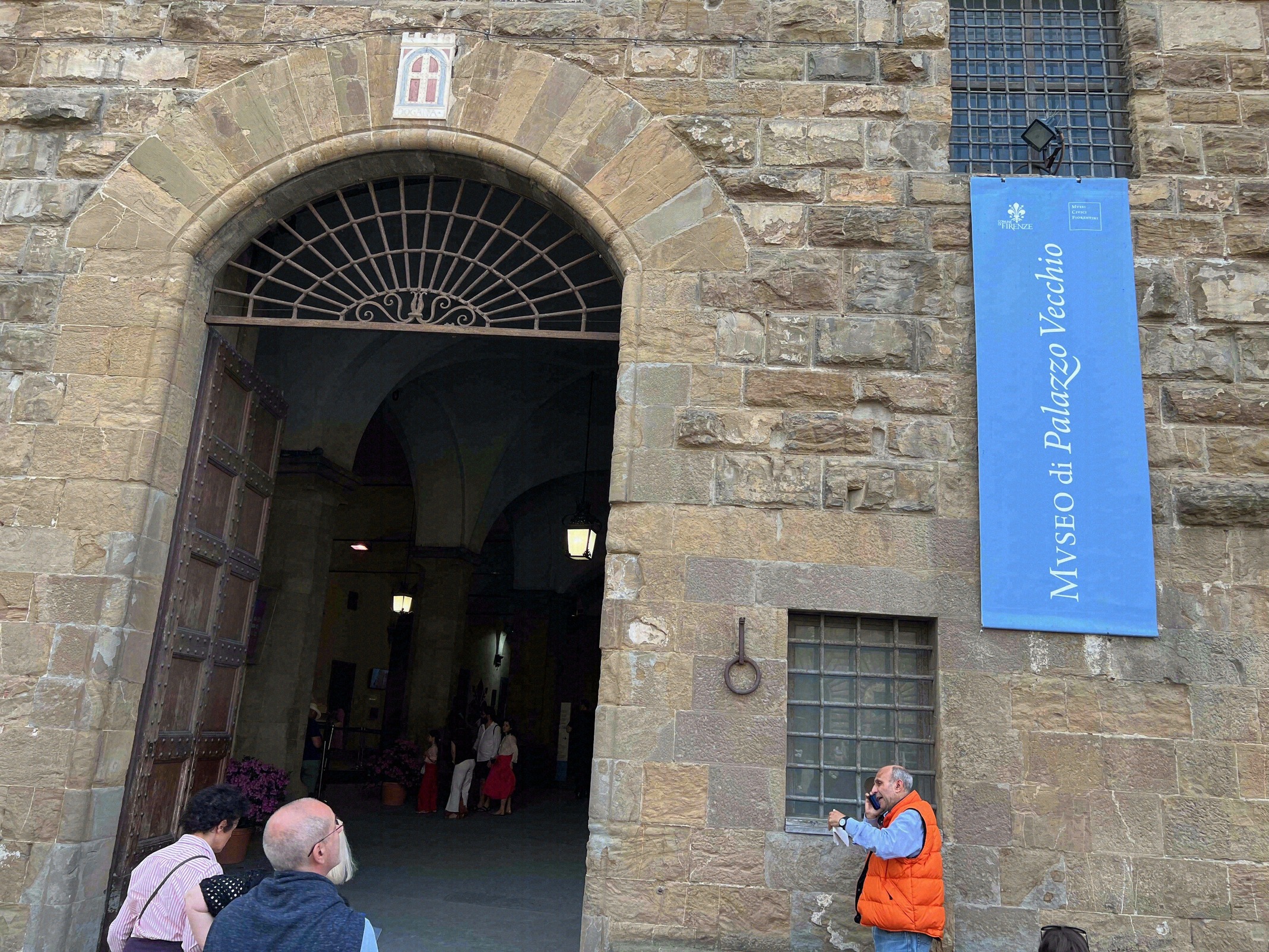
Florence's town hall with the Hall of the Five Hundred & tower
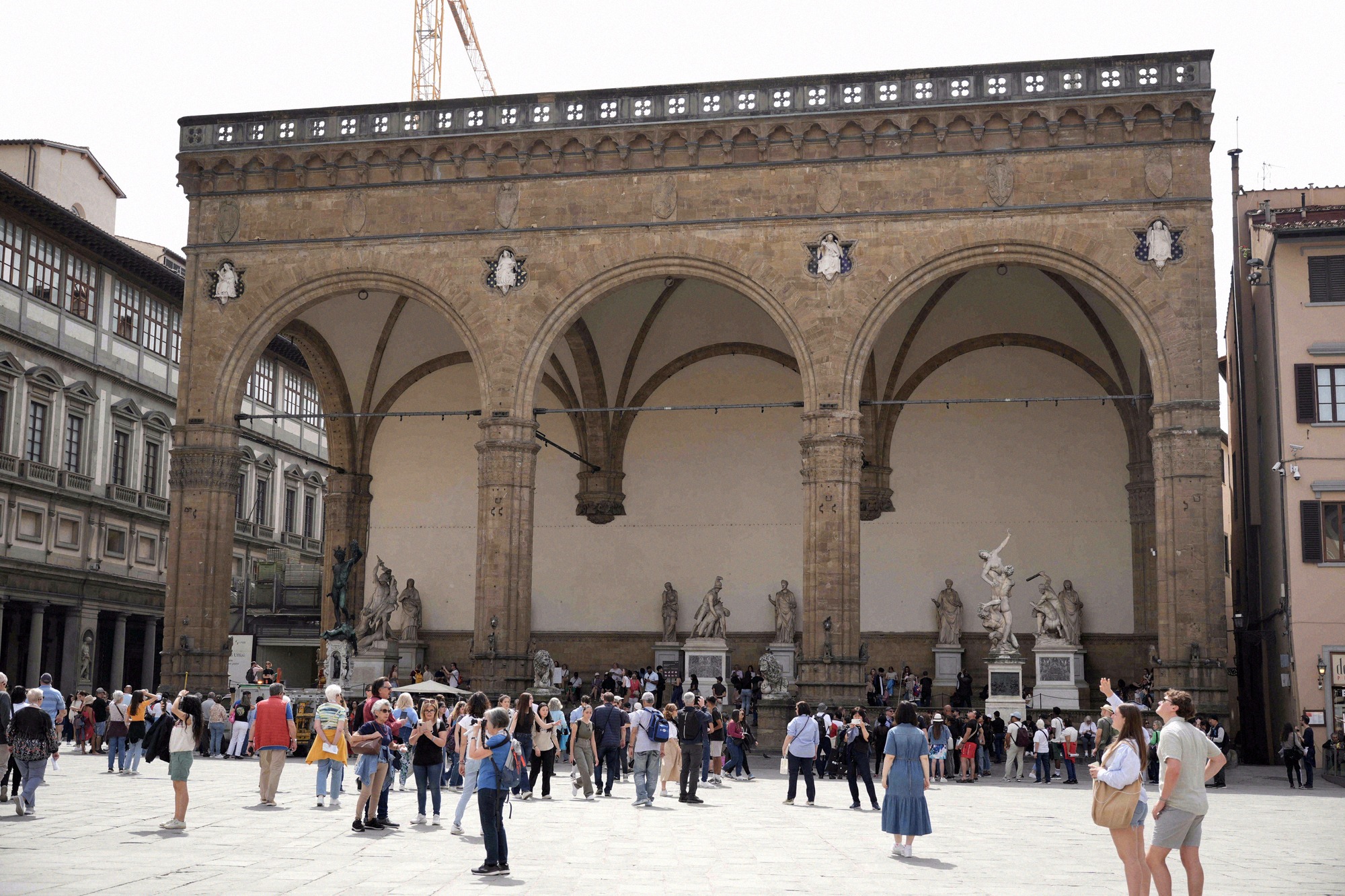
Political main square with open-air sculpture
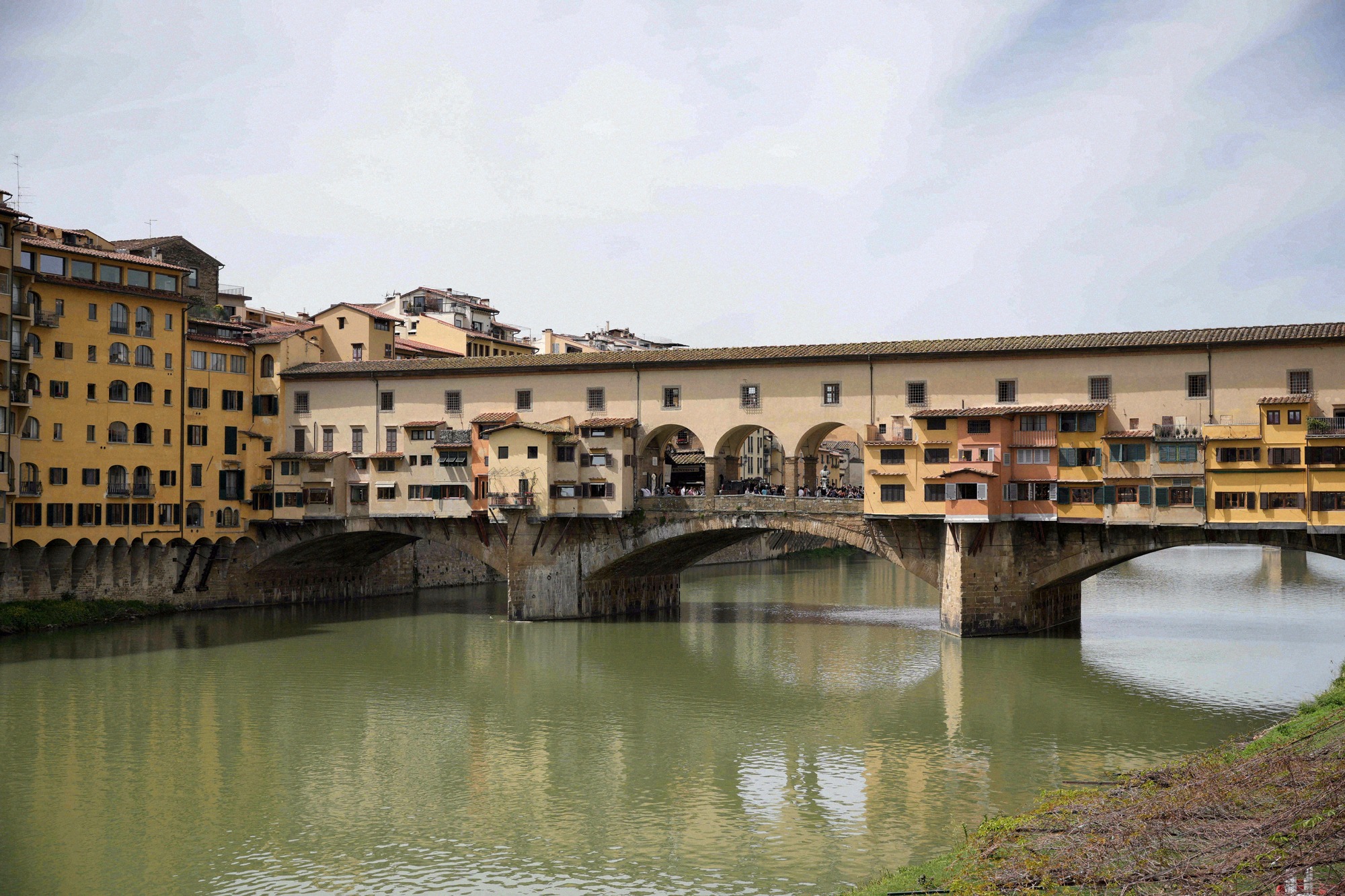
Goldsmiths' Bridge over the Arno
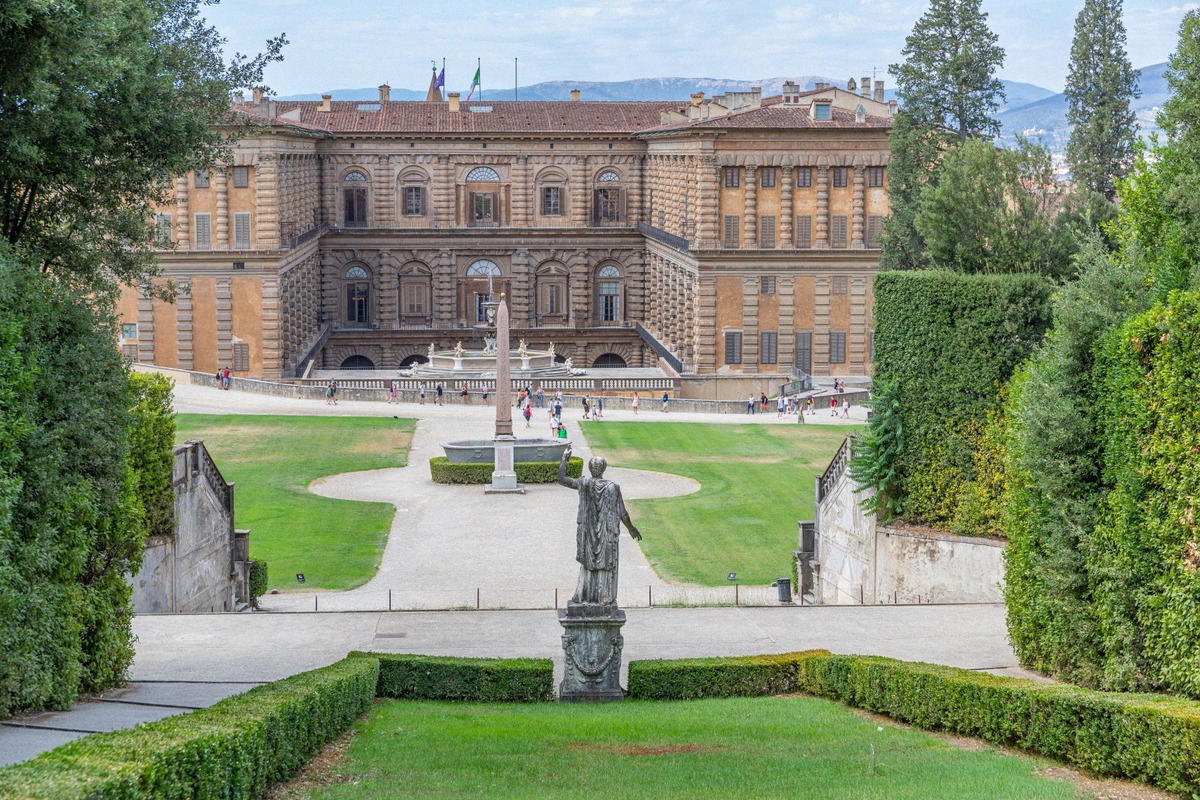
Medici palace with seven museums in the Oltrarno
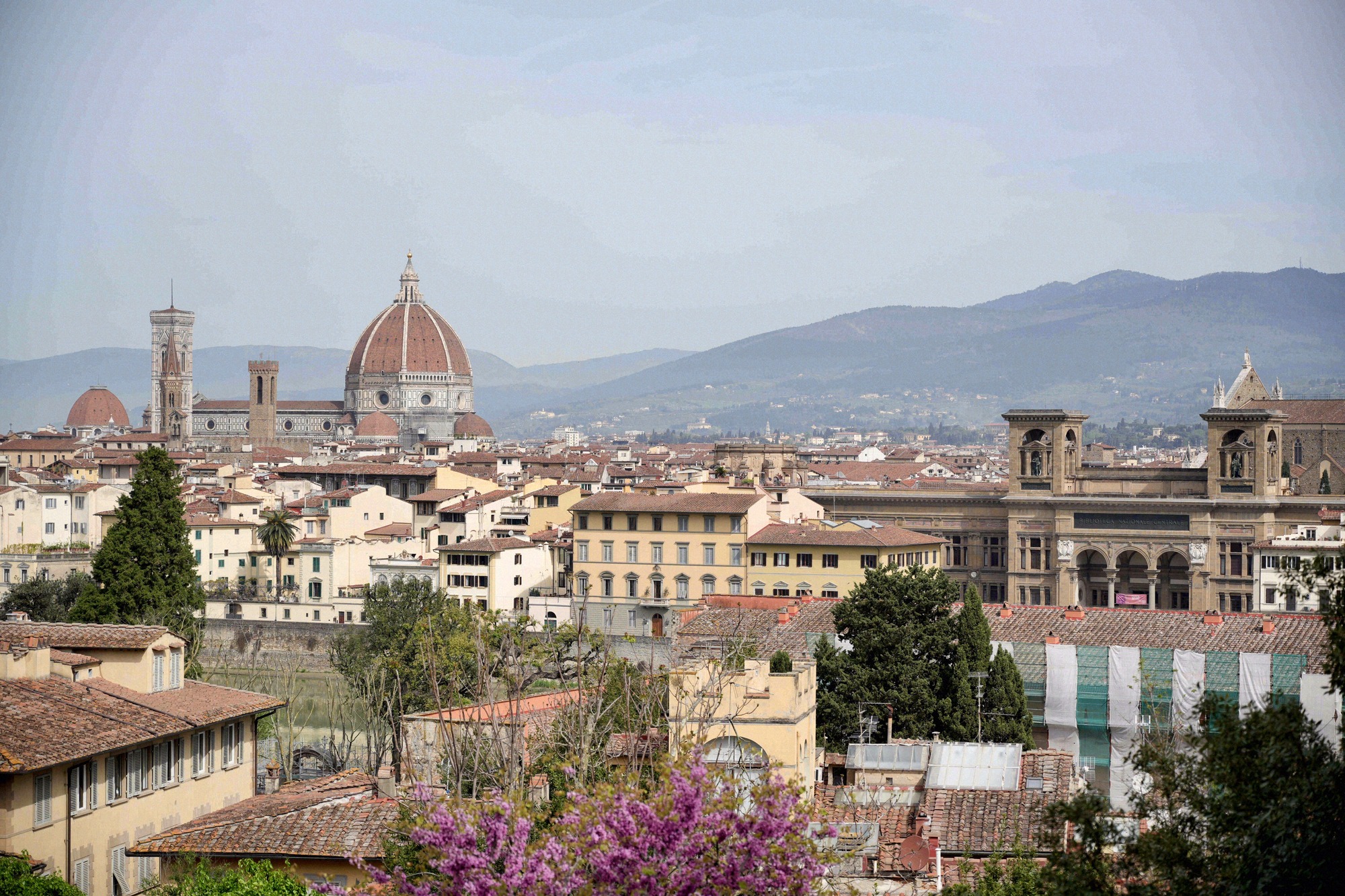
Medici garden behind the Palazzo Pitti
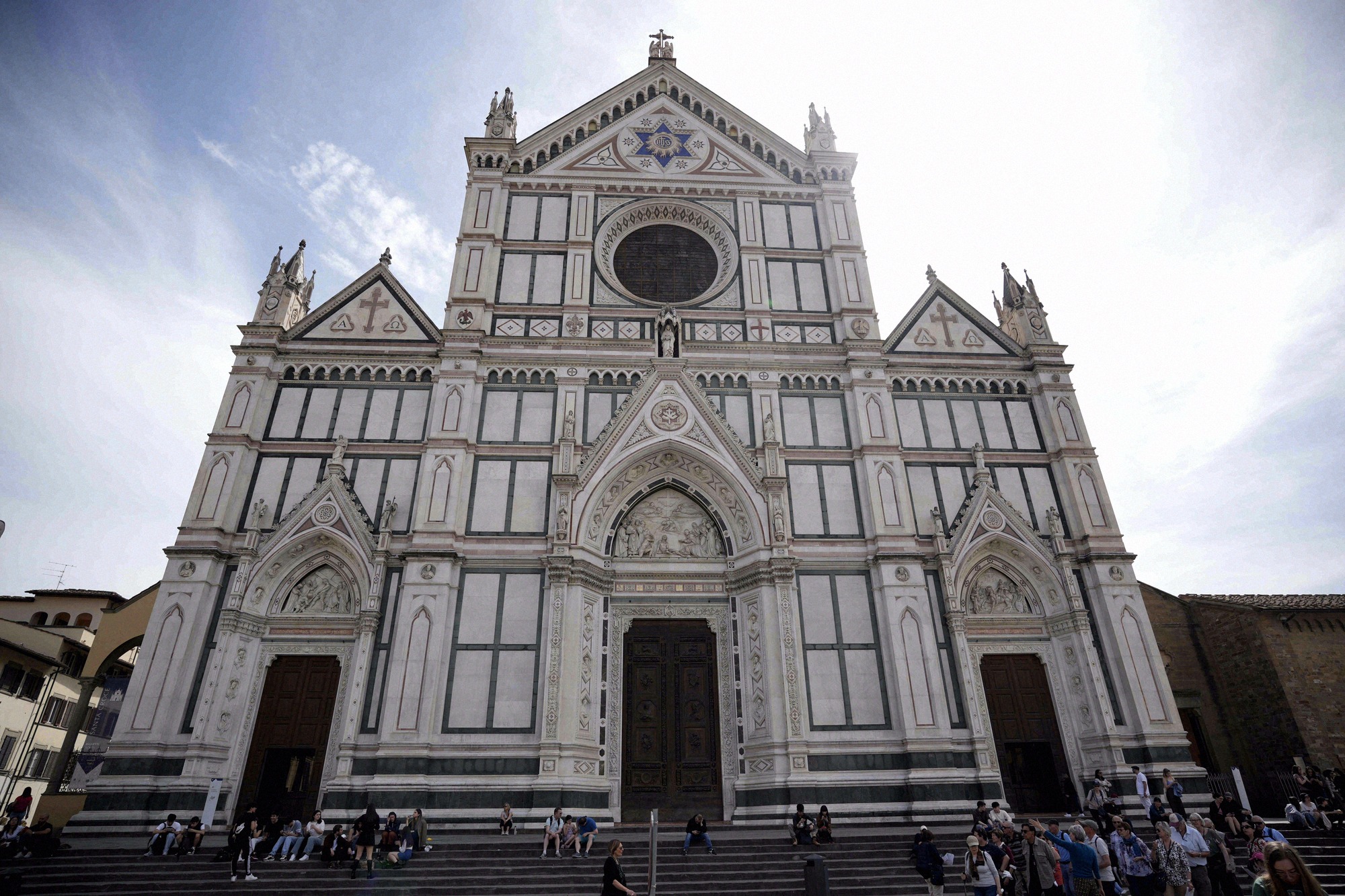
Burial church of Florence's great names
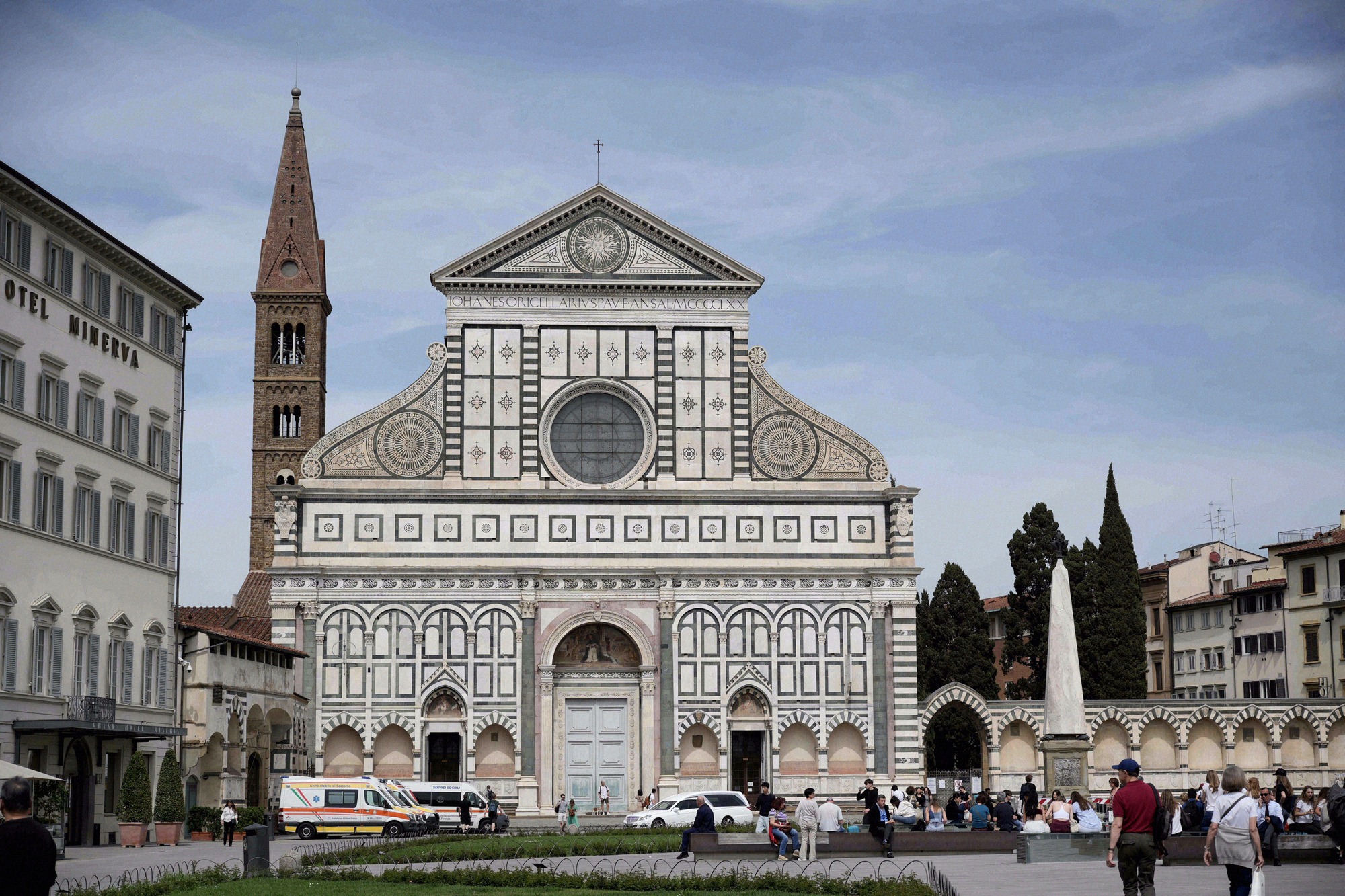
Dominican church with Alberti's marble facade
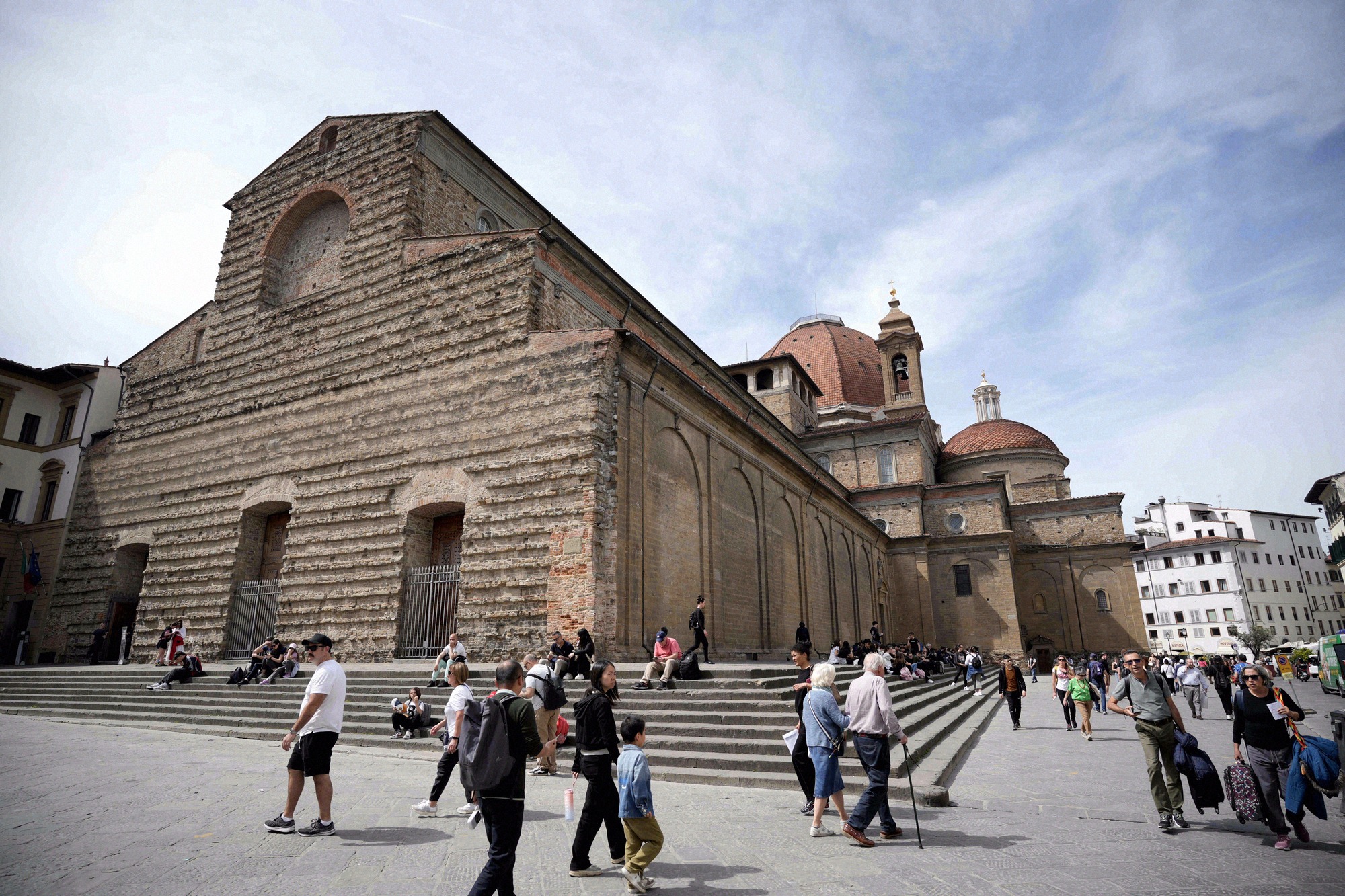
Medici burial church with an unfinished stone facade
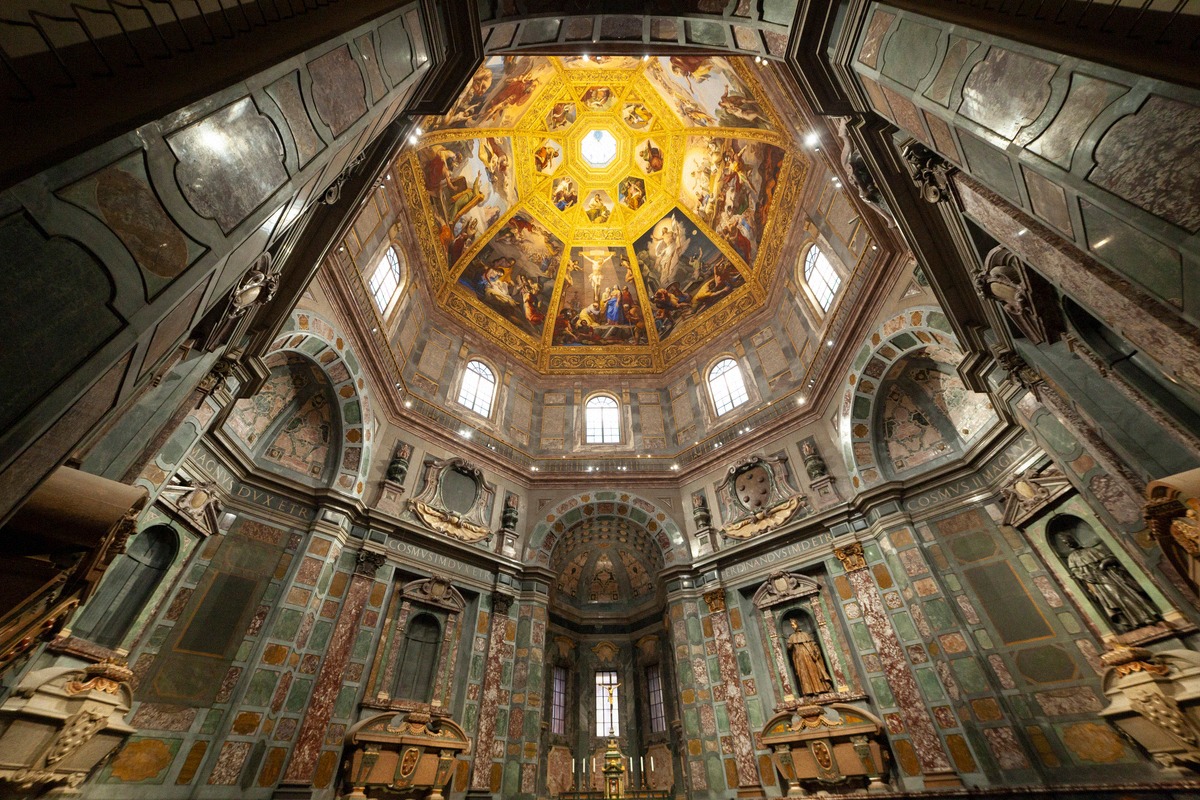
Medici mausoleum with Michelangelo's New Sacristy
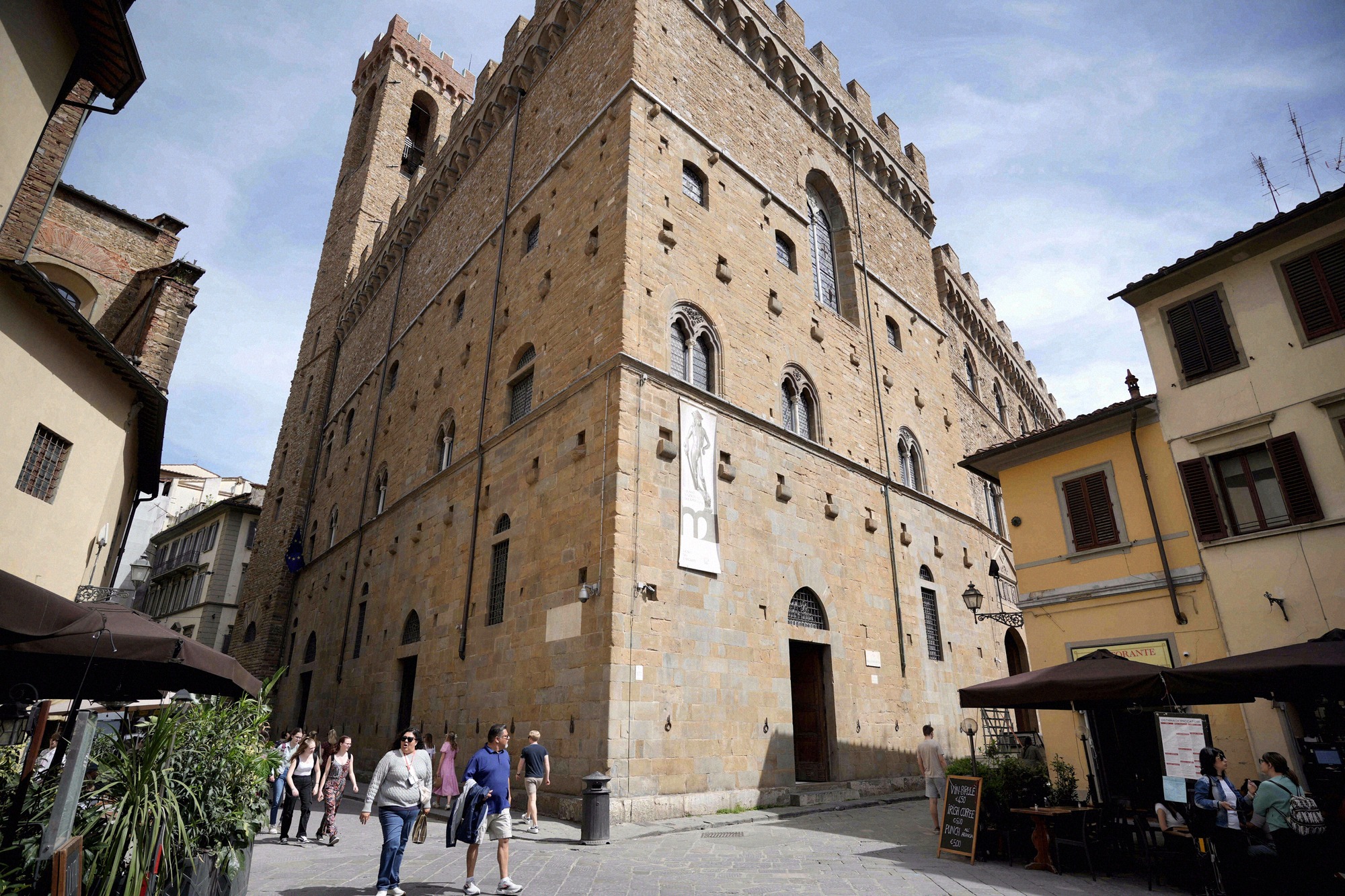
Renaissance sculpture in Florence's oldest palace
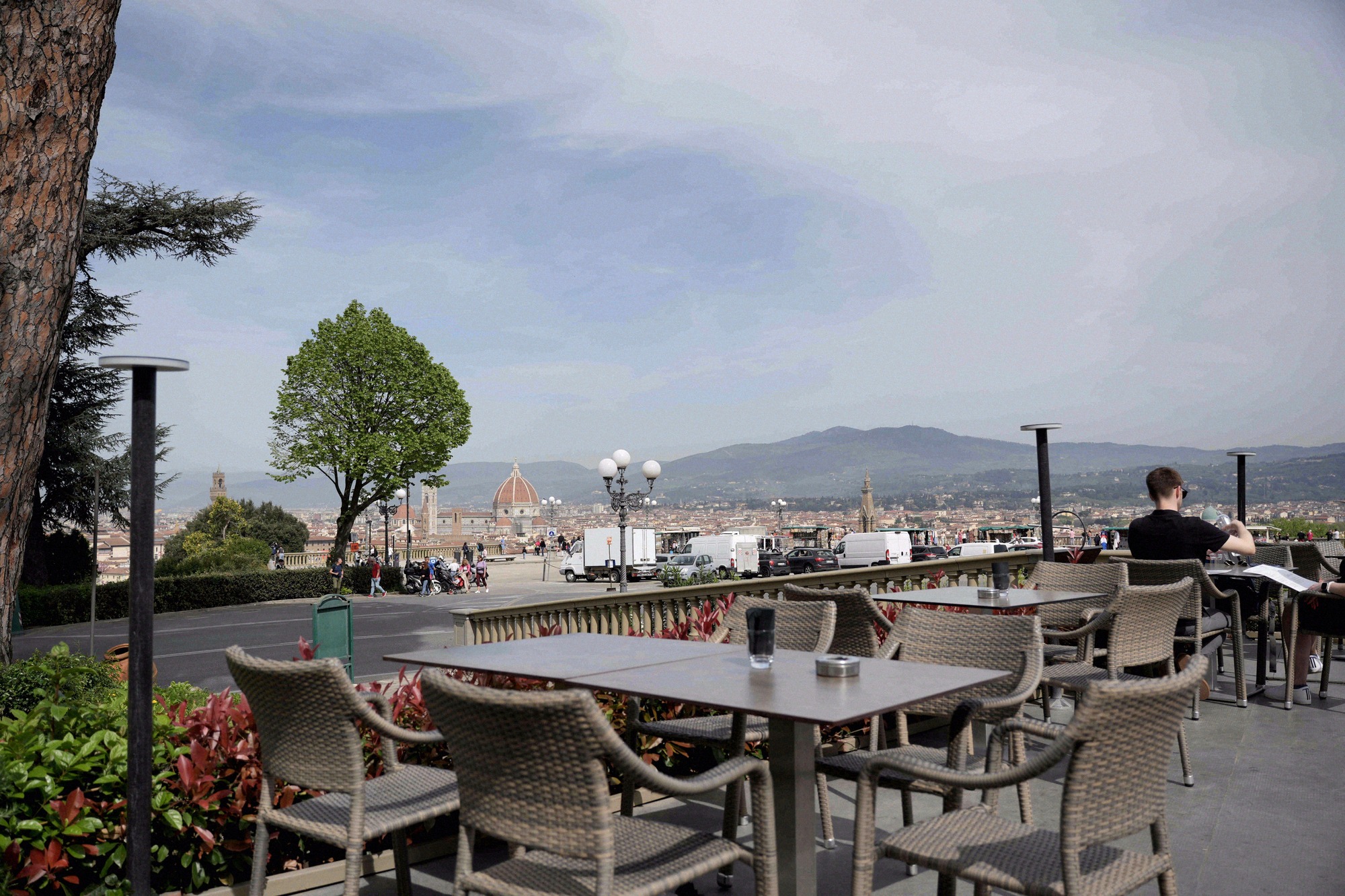
Viewpoint terrace with the postcard panorama
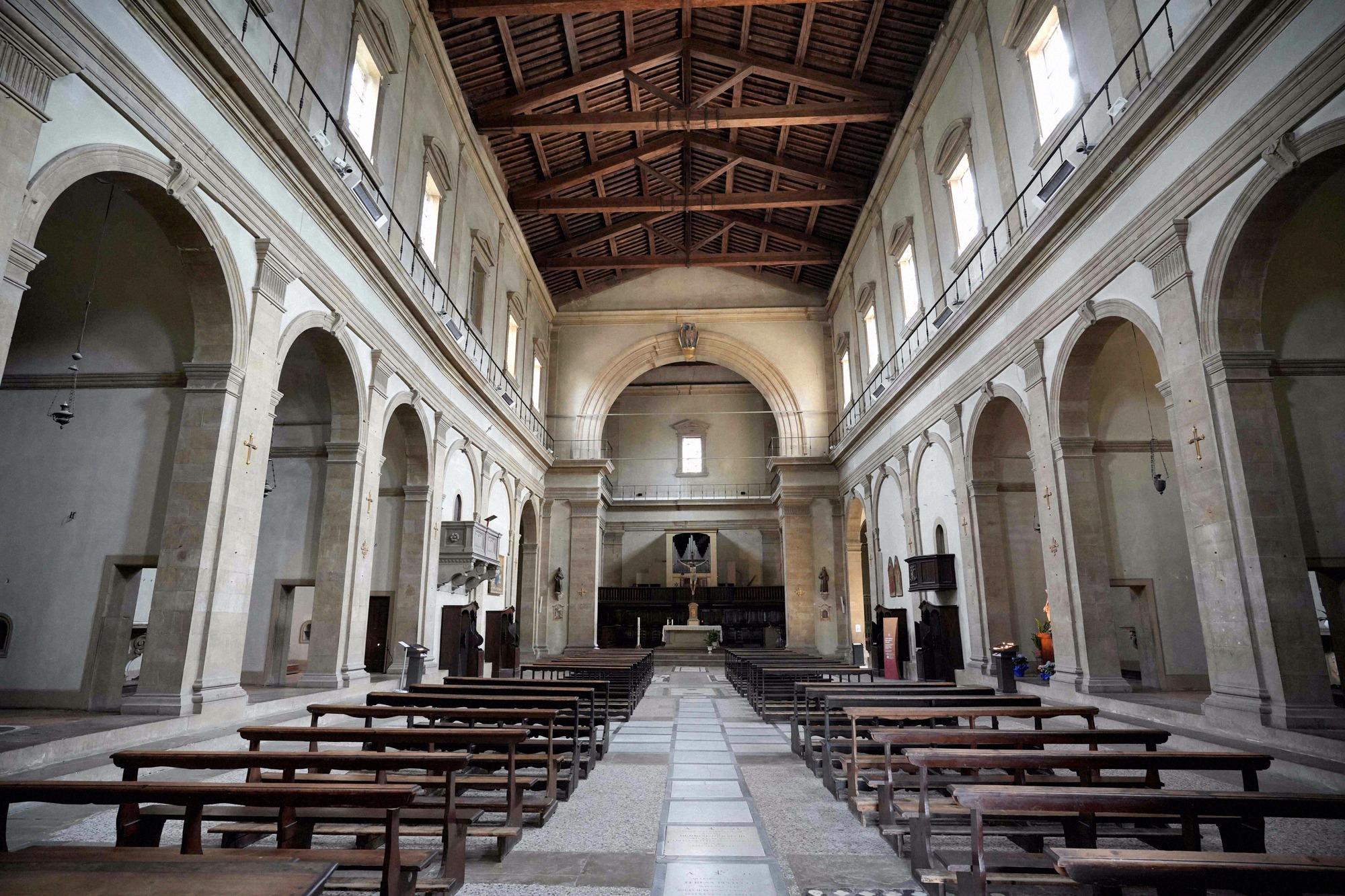
Romanesque hilltop church above Florence
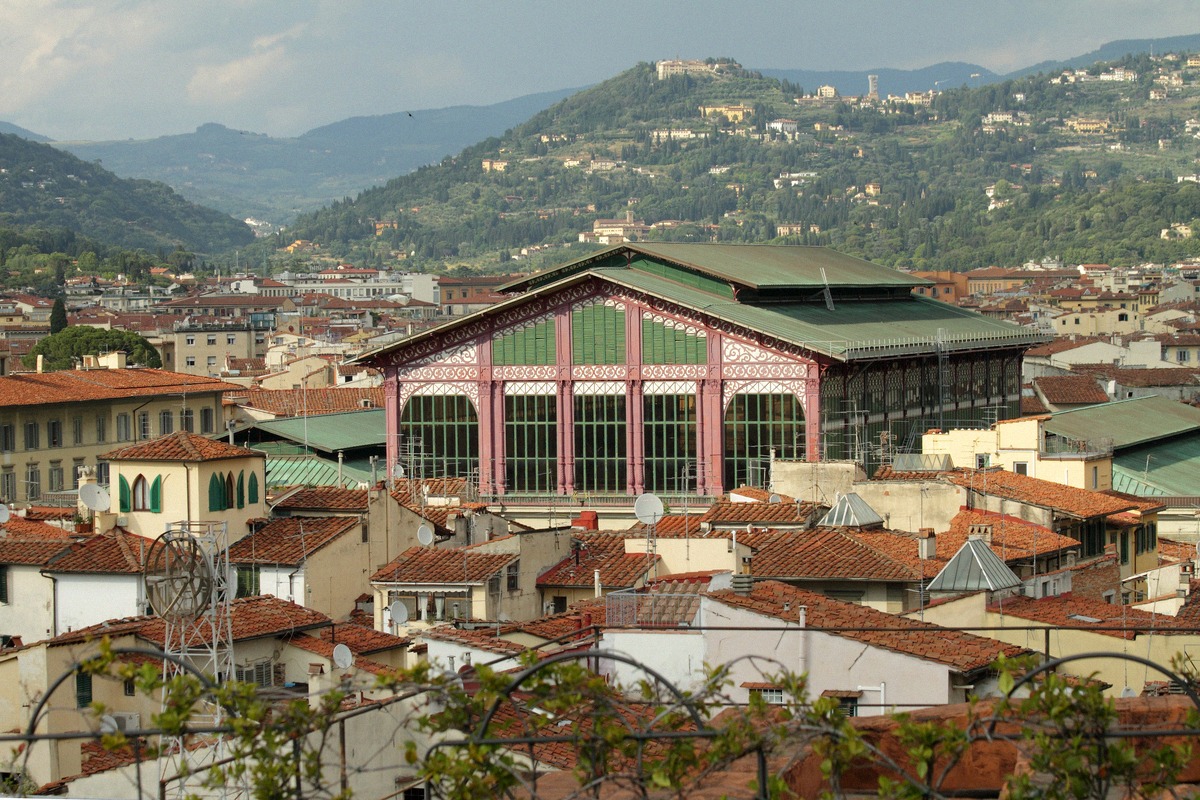
Cast-iron market hall with a fresh-produce market and food court
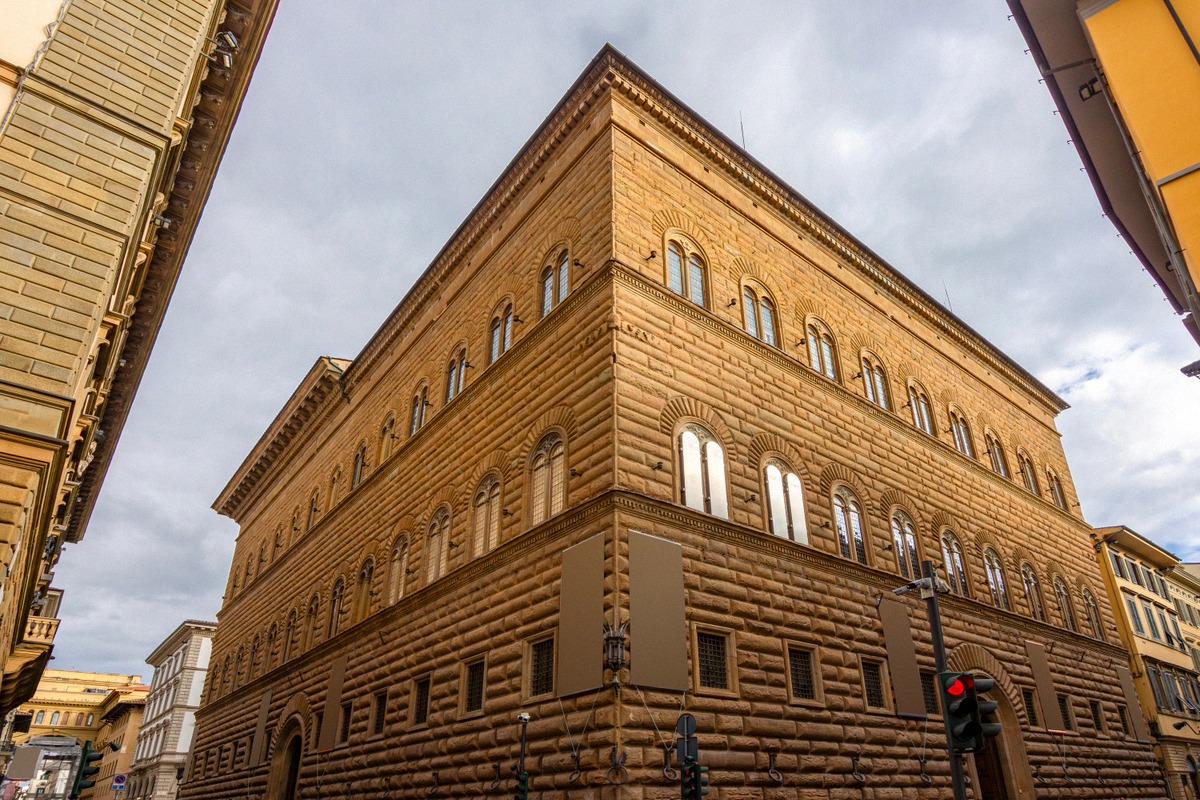
Renaissance palace that hosts Florence's major exhibitions
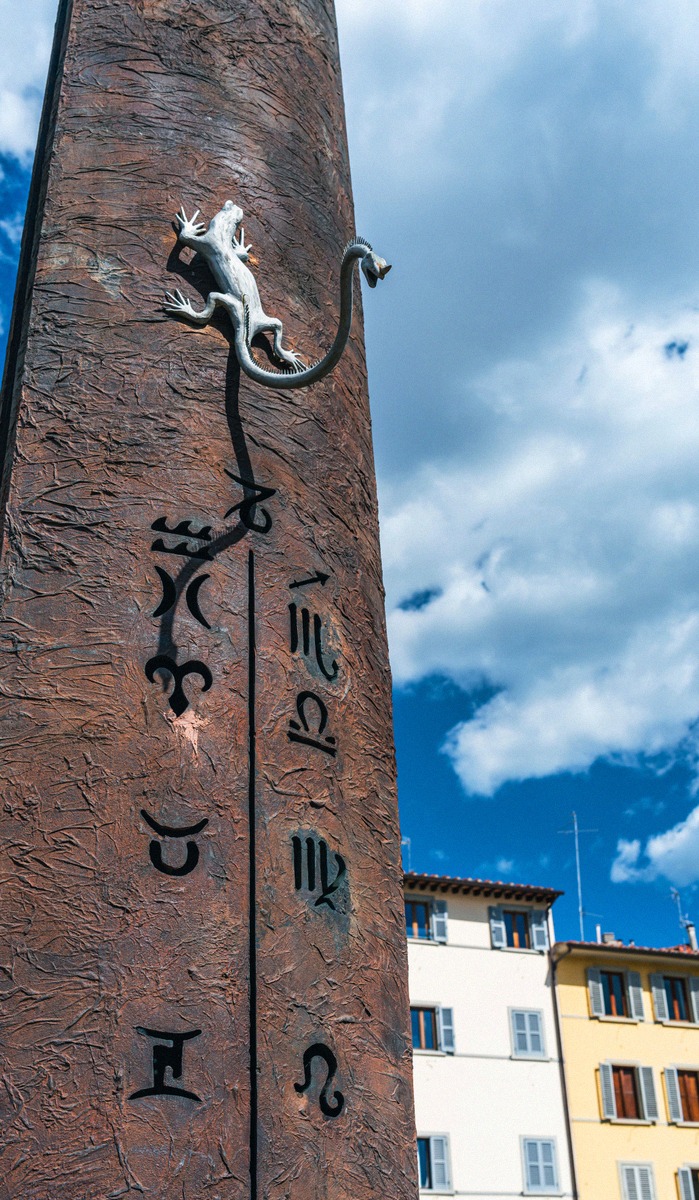
Science museum with Galileo's telescopes
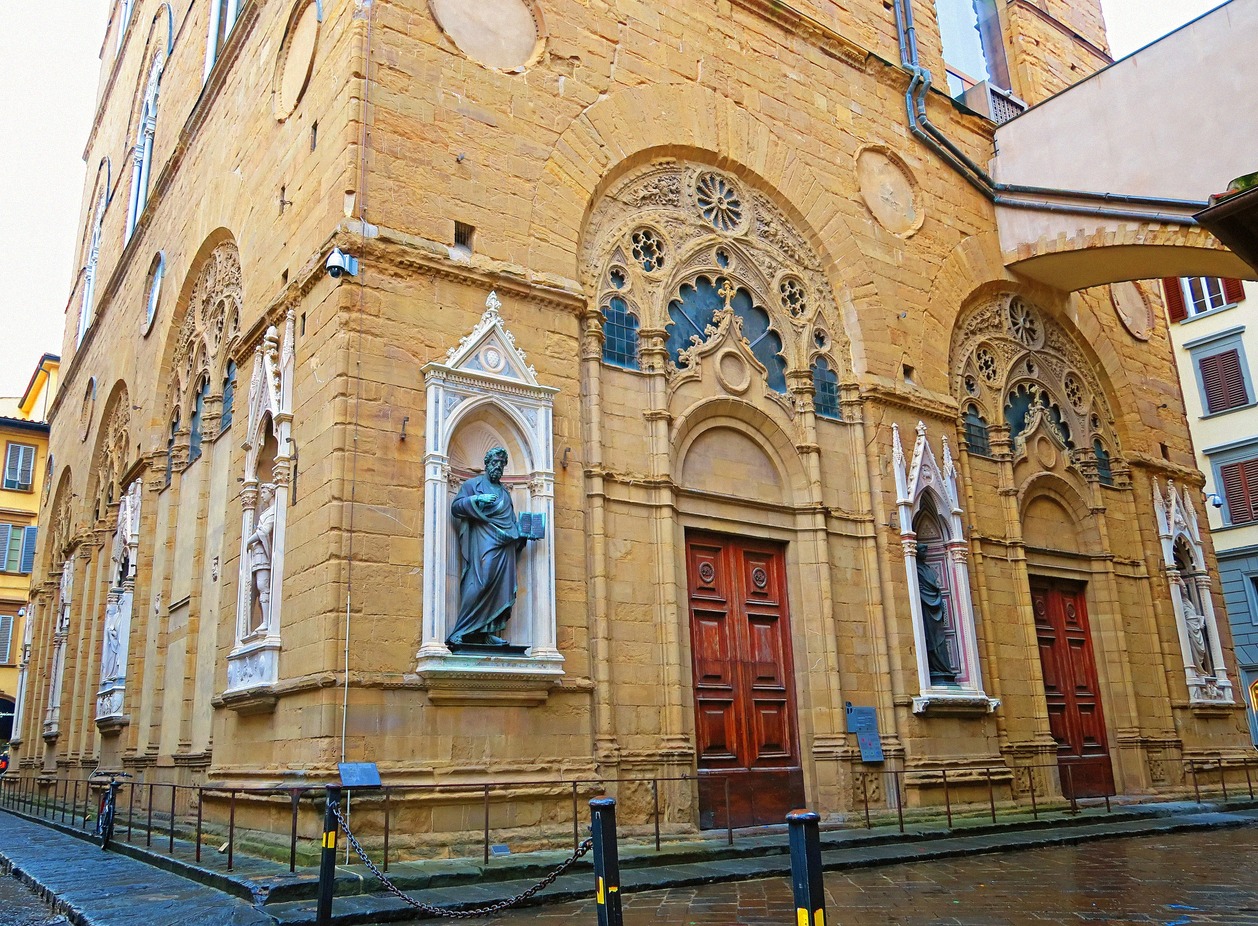
Guild church with the statues of Florence's craft guilds
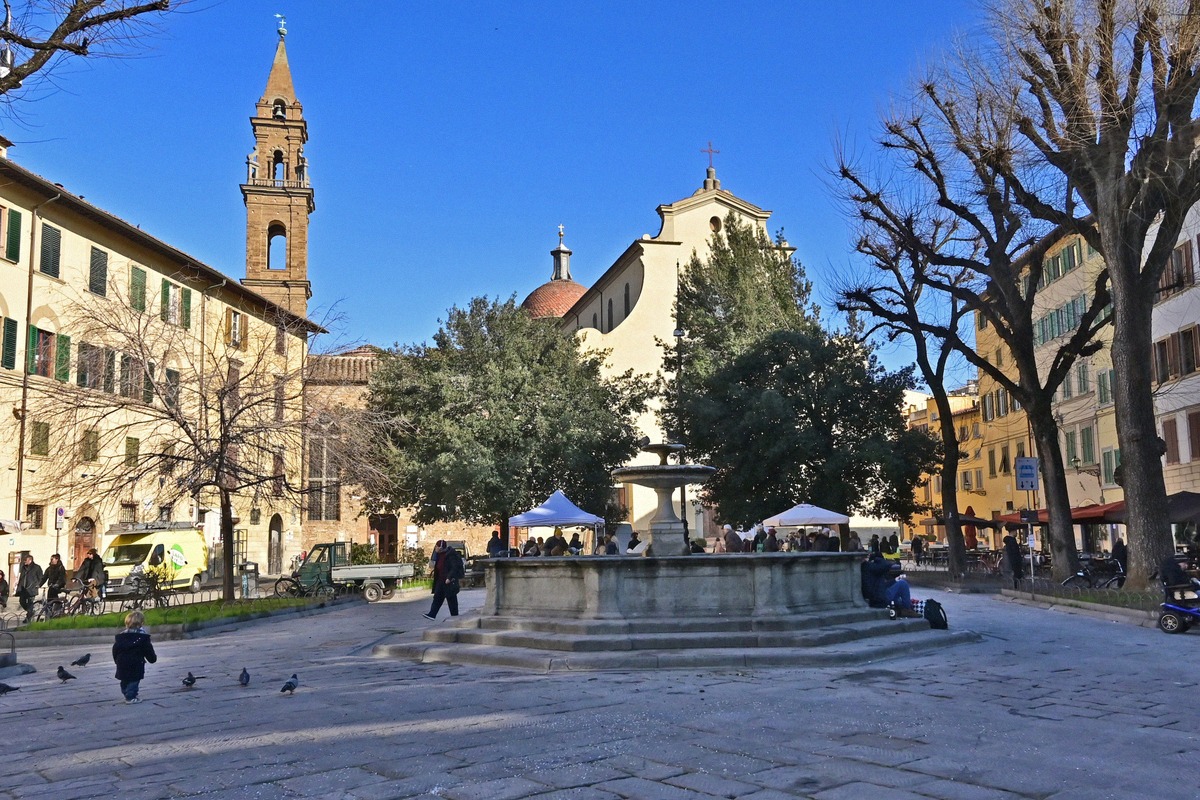
The lively heart of the Oltrarno, with Brunelleschi's basilica
Terraced garden in the Oltrarno with city views
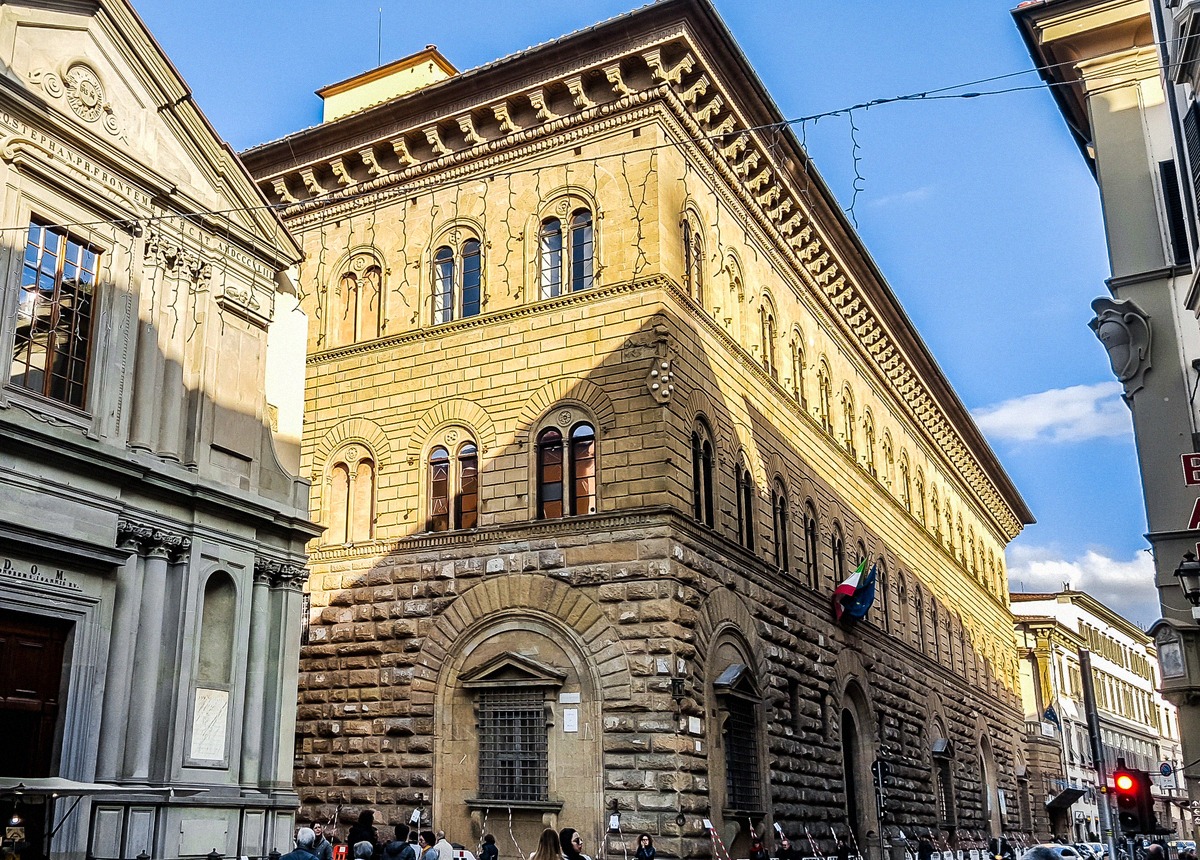
First Medici city palace with Gozzoli's Chapel of the Magi
No results found.
Florence packs one of Europe's densest concentrations of art into just a few square kilometres: the historic centre is a UNESCO World Heritage Site, and its sights sit close enough together to link on foot. This overview takes you from the cathedral dome to the Uffizi to the quiet gardens on the south bank, with guidance on prices, booking and what's genuinely free.
The city's icon is Florence Cathedral (Duomo di Santa Maria del Fiore) with Brunelleschi's soaring dome; beside it rise Giotto's Campanile and the octagonal Baptistery of San Giovanni, complemented by the Museo dell'Opera del Duomo, home to the cathedral square's original sculptures.
The city's two great galleries are the Uffizi, holding the world's most important Renaissance collection, and the Accademia Gallery, where Michelangelo's original David stands. The city's political stage is Piazza della Signoria in front of the fortress-like Palazzo Vecchio, an open-air museum in itself. The Ponte Vecchio crosses the Arno with the Vasari Corridor running above its goldsmiths' shops; nearby on the riverbank stands the Museo Galileo, with Galileo's original instruments.
On the south bank, Palazzo Pitti sits alongside the terraced Boboli Gardens and the neighbouring Bardini Garden. The great churches of Santa Croce, Santa Maria Novella and San Lorenzo, with the separately accessible Medici Chapels, hold tombs and frescoes; Renaissance sculpture is gathered at the Museo Nazionale del Bargello and the guild church of Orsanmichele. Medici splendour is on show at Palazzo Medici Riccardi, and major temporary exhibitions at Palazzo Strozzi. For the widest views over it all, head to Piazzale Michelangelo and the Romanesque hilltop church of San Miniato al Monte above it.
Six places are free year-round, no conditions attached: Piazzale Michelangelo, with the city's finest view, Piazza della Signoria, the Ponte Vecchio, Mercato Centrale, the hilltop church of San Miniato al Monte, and Piazza di Santo Spirito with its basilica. You can also step into Florence Cathedral itself without a ticket - only the dome, bell tower, baptistery and museum charge admission. The ground-floor courtyards of Palazzo Vecchio and the arcaded courtyard of Palazzo Strozzi are free too.
For the ticketed sights: the Uffizi (€25 at the ticket office, €29 booked ahead, €16 from 16:00) and the Accademia (€20 plus a €4 booking fee) require a timed slot, as does the cathedral dome via the Brunelleschi Pass (€30, the only pass that includes the dome climb; Giotto Pass €20, Ghiberti Pass €15). The churches are cheaper - Santa Croce €10, San Lorenzo €9, Santa Maria Novella €7.50 - along with the Bargello (€12), the Medici Chapels (€11) and Orsanmichele (€10). Palazzo Vecchio costs €18 plus a €1 booking fee (concession €12, Torre di Arnolfo sold separately), and the combined ticket for Palazzo Pitti and the Boboli Gardens is €22 on the spot or €25 booked ahead - the Bardini Garden is already included.
There's no cross-venue combined discount: the Duomo, the Uffizi group and the Accademia/Bargello institute run three separate ticketing systems, plus the Comune (Palazzo Vecchio) and other independent box offices. Two bundles are still worthwhile. First, the Accademia-Bargello group's 72-hour ticket for €38 (plus €4 online): it covers all six of the institute's venues - the Accademia, the Bargello, the Medici Chapels and Orsanmichele, plus Palazzo Davanzati and Casa Martelli; there's also a 48-hour Accademia-plus-Bargello combo for €26. Second, the Firenze Card (€85, 72 hours), which covers 15 of the paid sights in this overview, though not the four cathedral monuments. On the first Sunday of the month (Domenica al Museo), the state museums are free for everyone - but the city-run palaces, Vecchio and Medici Riccardi, only for residents of the Florence metropolitan area.
Plan the cathedral quarter and the Uffizi on separate mornings, since both are busiest before midday. Allow enough time: the Uffizi need 2.5 to 3.5 hours, the dome climb has 463 steps with no lift (the ascent alone takes 30 to 45 minutes), and the Campanile has 414. Book the three timed-entry highlights - the cathedral dome, the Uffizi, the Accademia - a few days ahead, more like several days in peak season from June to September, and weeks ahead for the dome climb in summer; everything else can be bought on the spot. Most state museums close on Mondays; the Accademia is busiest around midday and quietest right after opening.
Two things to know for 2026: the golden mosaics of the Baptistery are hidden behind scaffolding for a six-year full restoration expected to run until 2031; a viewing platform occasionally offers a close-up look with a special ticket. And Palazzo Strozzi shows temporary exhibitions only - "Rothko in Florence" runs until 23 August 2026, followed by "Broken", on the fragment in sculpture, from 25 September - check the programme and price before you go. The Boboli Gardens and the Bardini Garden close at different times depending on the season, closing as early as late afternoon in winter. To round off the day, head to Piazzale Michelangelo, where the sunset over the rooftops costs nothing.