Where to Stay
Overview
All Florence travel guides at a glance, best time to visit, where to stay, food and day trips, plus the essentials on tickets. What to plan ahead, what works on the spot and which sights are free.
Bistecca, lampredotto & wine
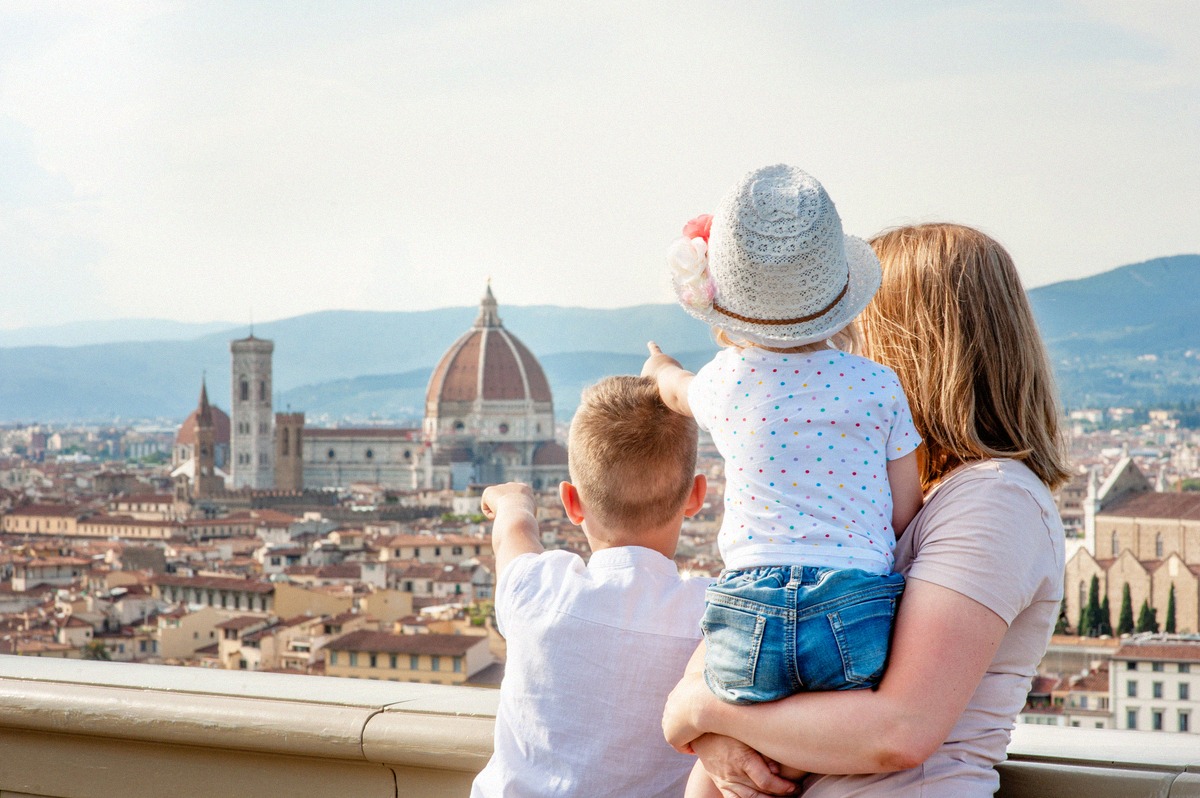
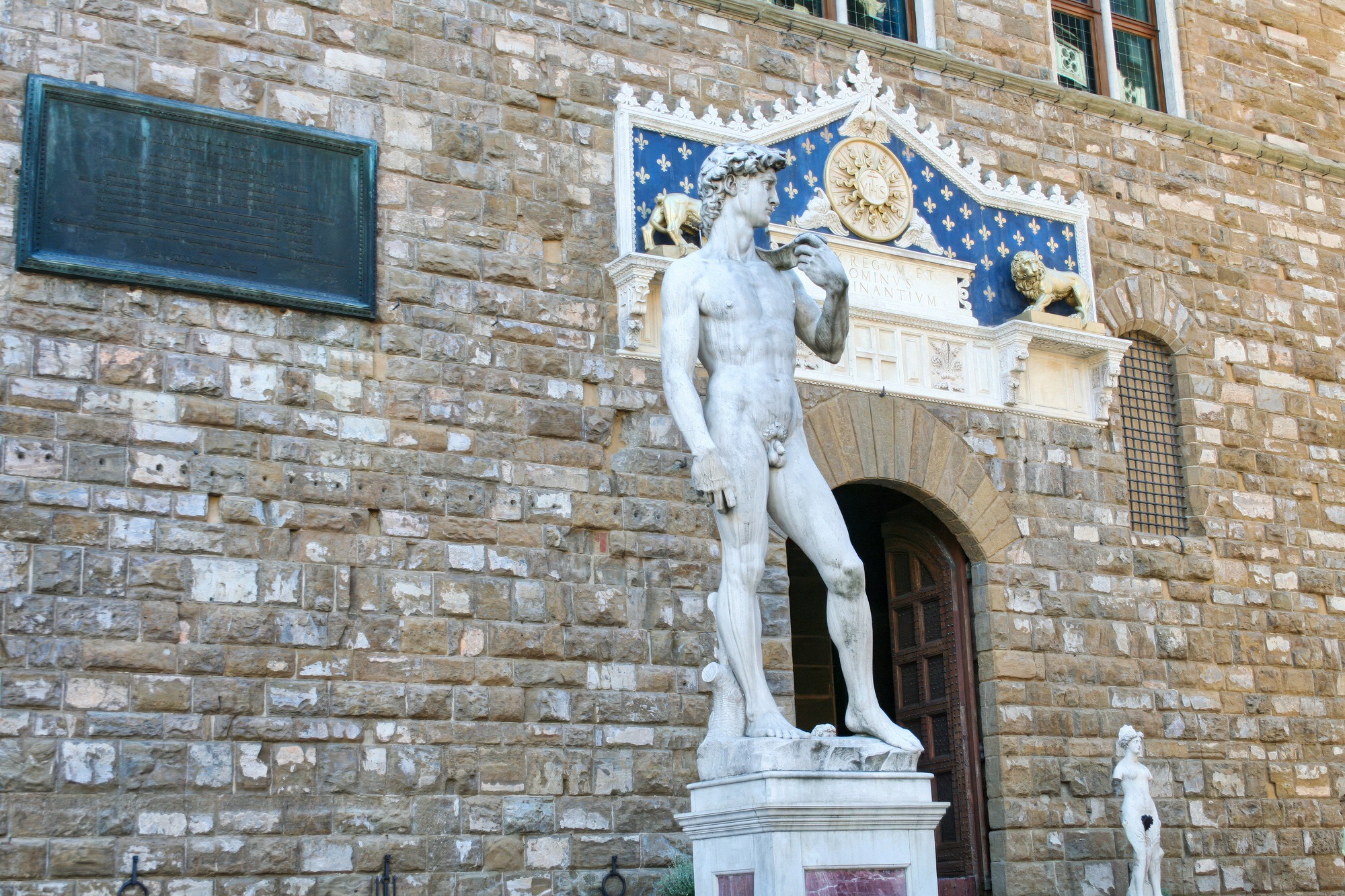
Understanding the art for beginners
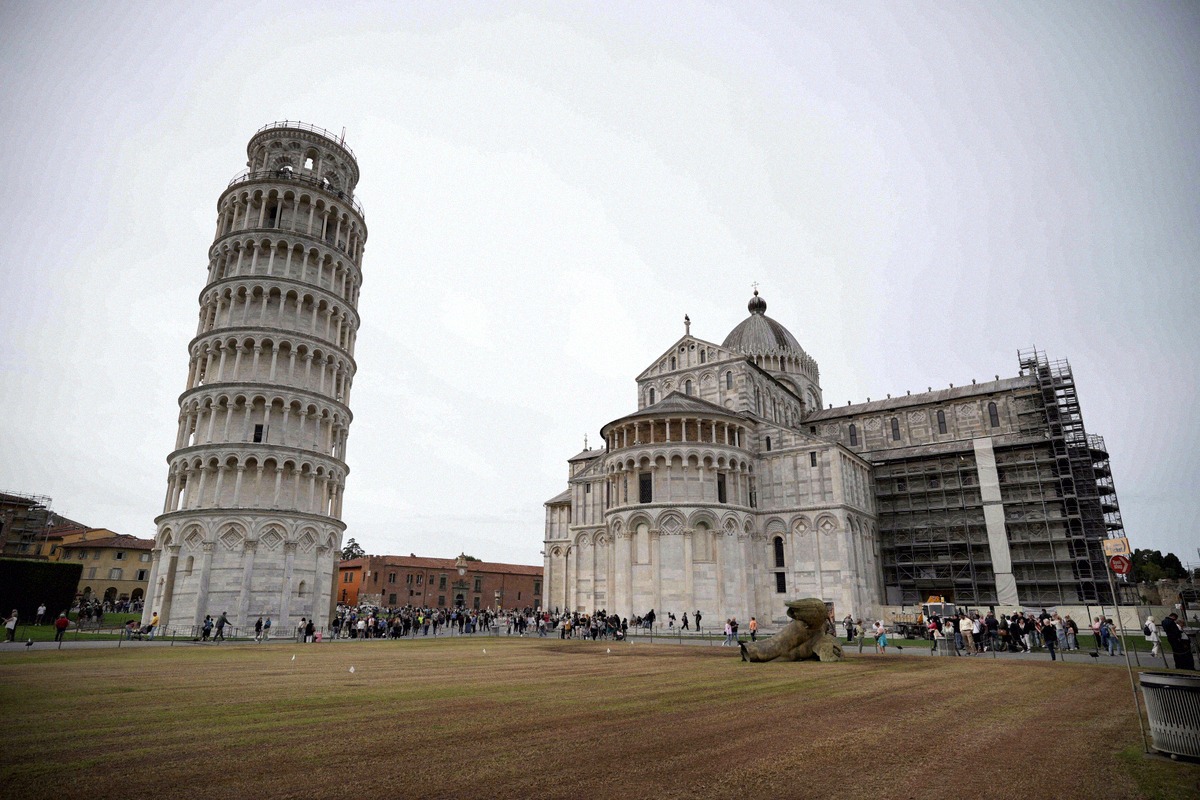
Pisa, Siena, Chianti & Fiesole
Florence packs one of the densest concentrations of art in the world into a small historic centre - and that is exactly what makes planning the real travel question. Arrive unprepared and you will face long queues or fully booked time slots. These guides sort out the practicalities: when to go, where to stay, what to eat, and which tickets you genuinely need to book ahead.
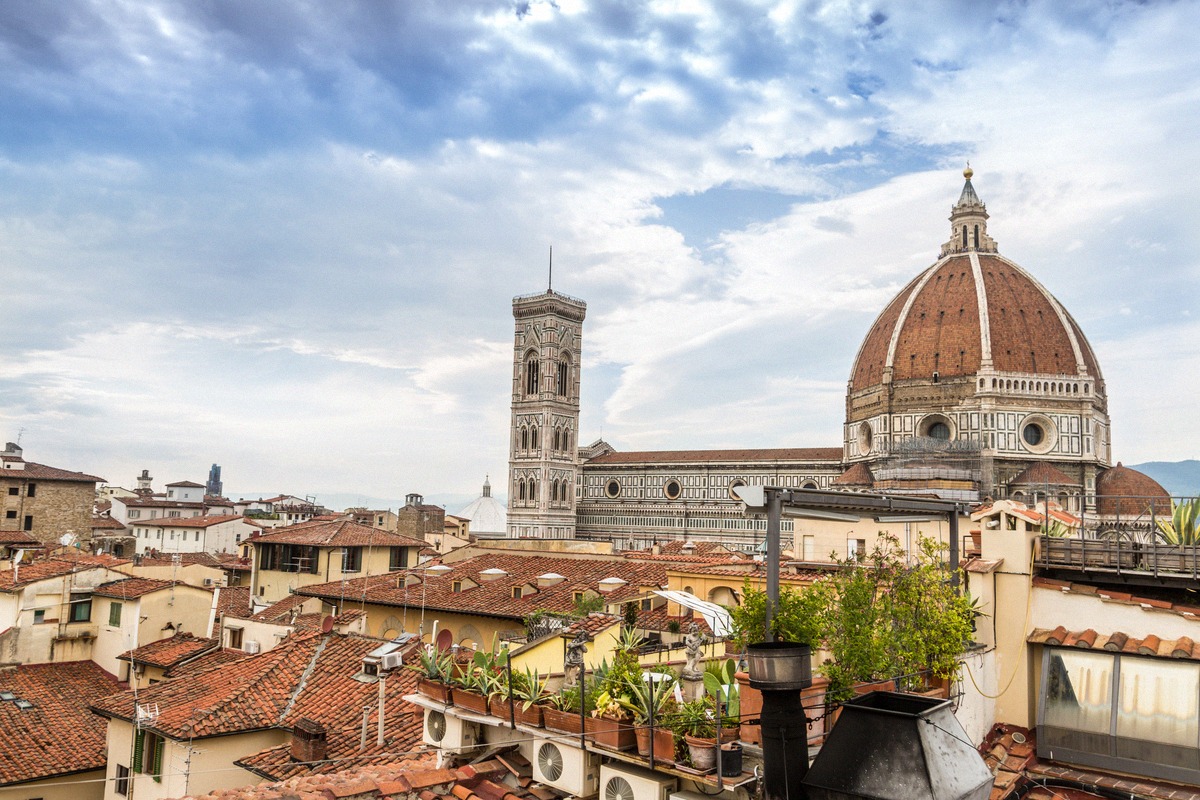
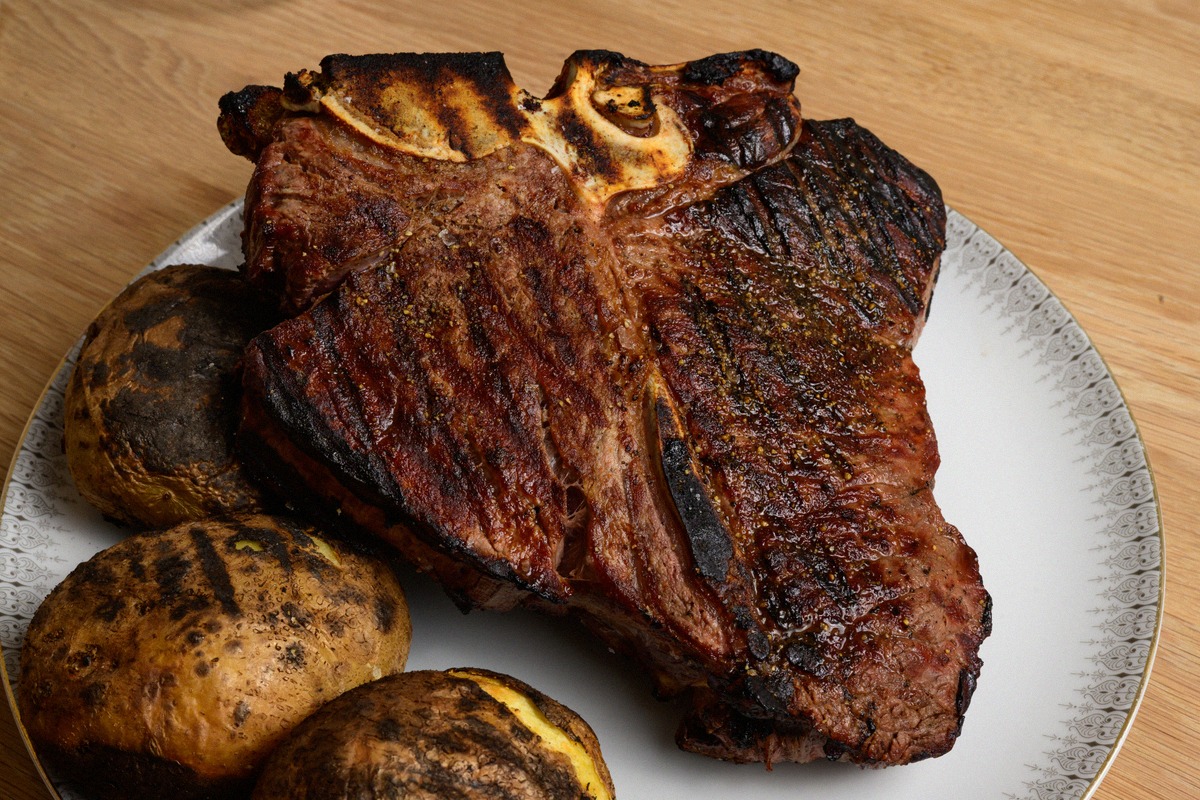
Start with timing: the best time to visit weighs up spring, summer heat and the quieter winter months. For where to stay, the neighbourhood comparison Where to stay? helps, while the best hotels guide names specific properties. On the food side, Food & Drink runs from bistecca to lampredotto, Florence with Kids makes the art city family-friendly, and Day Trips shows how Pisa, Siena, the Chianti and Fiesole fit into a single day. If you want to brush up before the Uffizi, Understanding the Renaissance covers the basics. For getting to and around the city there is a dedicated section, Getting There & Around, and for everything to do with admission there is the Tickets section.
Three separate venues require a fixed time slot, no exceptions: the Uffizi Gallery, the Accademia Gallery with Michelangelo's David, and the dome climb at the Cathedral (Brunelleschi Pass, very limited slots). Two add-on modules also require a time slot: the Vasari Corridor above the Ponte Vecchio (only available as part of a combined Uffizi ticket, closed Mondays) and the Torre di Arnolfo at Palazzo Vecchio. For the Uffizi and Accademia, the 4 EUR booking fee per person applies even with reduced or free admission, and tickets are personalised and non-refundable. For the details, see Booking Tickets.
Plenty of other sights, by contrast, can be visited on the spot, with tickets bought at the door: the Bargello, the museum section of Palazzo Vecchio, the Palazzo Medici-Riccardi (in the Cappella dei Magi, an on-site entry rotation manages the crowds, with a maximum of ten people at a time), the Palazzo Strozzi, the Museo Galileo, the Medici Chapels, the Boboli Gardens, the Bardini Garden and Orsanmichele. Palazzo Pitti can also be visited on the spot; only the guided tours through the royal apartments need a reserved slot, they are included in the standard ticket at no extra cost.
Admission in Florence is not standardised but spread across several systems. The most expensive single tickets are at the Uffizi (from 16 EUR in the afternoon, 25 EUR at full price) and the Accademia (20 EUR plus a 4 EUR booking fee). The Cathedral's monuments run on combo passes from the Opera del Duomo: Ghiberti Pass 15 EUR, Giotto Pass 20 EUR and Brunelleschi Pass 30 EUR, only the latter includes the dome climb. If you are planning several major venues, the Uffizi's 5-day PassePartout (40 EUR for Uffizi, Pitti and Boboli) or the Bargello museums' six-museum ticket (38 EUR) work out cheaper; the Firenze Card at 85 EUR only pays off from around four to five destinations.
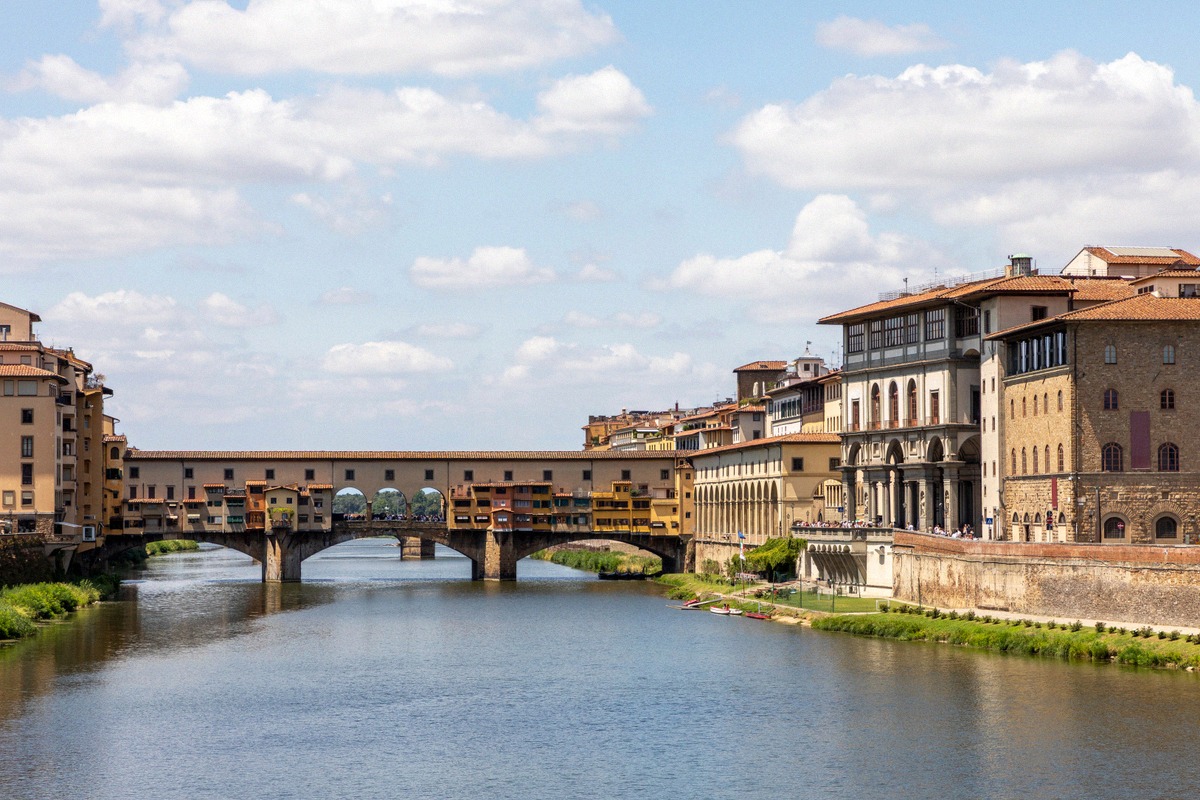
More places are free than you might expect: the interior of the Cathedral itself, the Romanesque San Miniato al Monte, Piazza della Signoria as an open-air sculpture gallery, Piazzale Michelangelo with the best panoramic view, Piazza di Santo Spirito, the Ponte Vecchio bridge, and Mercato Centrale (entry is free, you only pay at the stalls).
On the first Sunday of the month (Domenica al Museo), admission to state and municipal venues is free, the Uffizi, Accademia, Bargello, Medici Chapels, Orsanmichele, Palazzo Pitti with the Boboli Gardens, and Palazzo Vecchio. Not included are the privately run Museo Galileo and Palazzo Strozzi, the Museo dell'Opera del Duomo, and the churches that charge admission; the Palazzo Medici-Riccardi is free on this day only for residents of the Metropolitan City of Florence. No booking is possible on the free Sundays, and expect large crowds.
In the churches, services take priority: San Lorenzo closes to visitors during liturgical celebrations, Santa Croce only opens to visitors from around 14:00 on Sundays and public holidays, Orsanmichele closes around midday on Sundays, and San Miniato al Monte also closes to visitors during Mass. For museums, early morning or late afternoon is noticeably quieter than around midday. For which months are the best overall, see the best time to visit guide.