
Admission
Museo Galileo admission
Entry to the permanent exhibition with Galileo's instruments.
4.5 (1,640) · GetYourGuide
From €17.14
Book TicketScience museum with Galileo's telescopes
Right on the Arno behind the Uffizi, this science museum displays over 1000 historic instruments, ornate globes and Galileo's only two surviving telescopes.
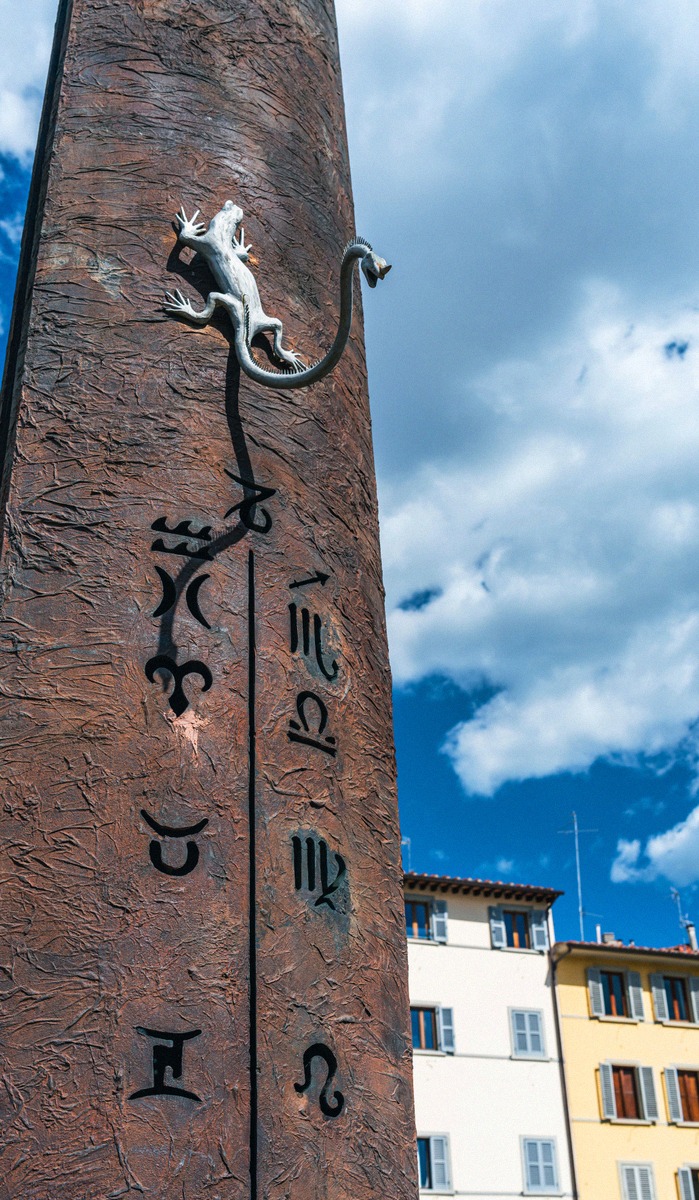
Tickets
Admission
Entry to the permanent exhibition with Galileo's instruments.
4.5 (1,640) · GetYourGuide
From €17.14
Book TicketThe Museo Galileo sits right on the Arno, just a few steps behind the Uffizi Gallery, and is devoted to the history of science, a refreshing change of pace from the art that dominates the rest of the city. It occupies the Palazzo Castellani on the Piazza dei Giudici, one of the oldest buildings in Florence: its core dates back to the late 11th century as the "Castello d'Altafronte". The museum was founded in 1930 by the University of Florence as an institute for the history of science; after a two-year restoration it reopened in 2010 as the "Museo Galileo", fittingly, on the 400th anniversary of Galileo's groundbreaking treatise Sidereus Nuncius.
The collection comprises over 5,000 scientific instruments dating from the 11th to the 19th century, of which around 1,000 are on display in the modern permanent exhibition. They come from the holdings of the Medici and the later Lorraine grand dukes, instruments gathered over centuries that show how closely power, prestige and research were intertwined in early modern Florence.
The centrepiece is Galileo Galilei's two only surviving telescopes, which he used in 1610 to observe the moons of Jupiter, upending the worldview of his time. Alongside them is a specially framed, cracked objective lens from one of his telescopes, displayed almost like a relic.
Beyond the telescopes, plenty of other pieces reward a closer look:
The exhibition is spread over two floors of nine rooms each: the first floor holds the Medici collections from the 15th to 18th century, the second floor the Lorraine collection from the 18th to 19th century. Allow around 1.5 to 2 hours for the 18 rooms.
The museum is open Monday and Wednesday to Sunday from 9:30 to 18:00. The exception is Tuesday, when it's only open in the morning, from 9:30 to 13:00. Ticket sales end 30 minutes before closing. The museum is closed on 1 January and 25 December.
Full price is €14, with a €7 concession for ages 6 to 18 and for groups of 15 or more. A family ticket costs €32 (two adults plus up to two teenagers). Free entry applies to, among others, children under 6, people with disabilities plus one companion, licensed tour guides, and teachers accompanying school groups. Tickets are available at the door or in advance through the museum's official online shop, which also sells an open-dated gift ticket valid for 365 days. The Museo Galileo is rarely crowded, so you can usually just turn up.
A good, often-overlooked trick is the free Museo Galileo app: it offers an audio tour of around 80 instruments and is available in English as well as several other languages. Free wifi is available on site; you'll need your own headphones. If you prefer a guided visit, a 60-minute guided tour can be booked (€65 for up to 14 people, €3 per person for groups of 15+).
The museum is fully accessible: a wheelchair ramp at the Lungarno de' Medici entrance, two lifts and two wheelchair platform lifts, a free loan wheelchair, accessible toilets on every floor, and a baby-changing table on the second floor. For blind and partially sighted visitors there's a tactile trail and guides in Braille and large print. Photography without flash, tripods or selfie sticks is permitted for personal use. Free lockers are available at the entrance, and there's a bookshop on the ground floor.
Given its location, a visit fits neatly into a walk through the Centro Storico: from the museum it's just a few minutes to the Piazza della Signoria with the Palazzo Vecchio, and across the Ponte Vecchio into the Oltrarno. The most pleasant time to visit is in the morning, when it's especially quiet, if you're planning to combine several museums, check the Booking tickets guide for tips.
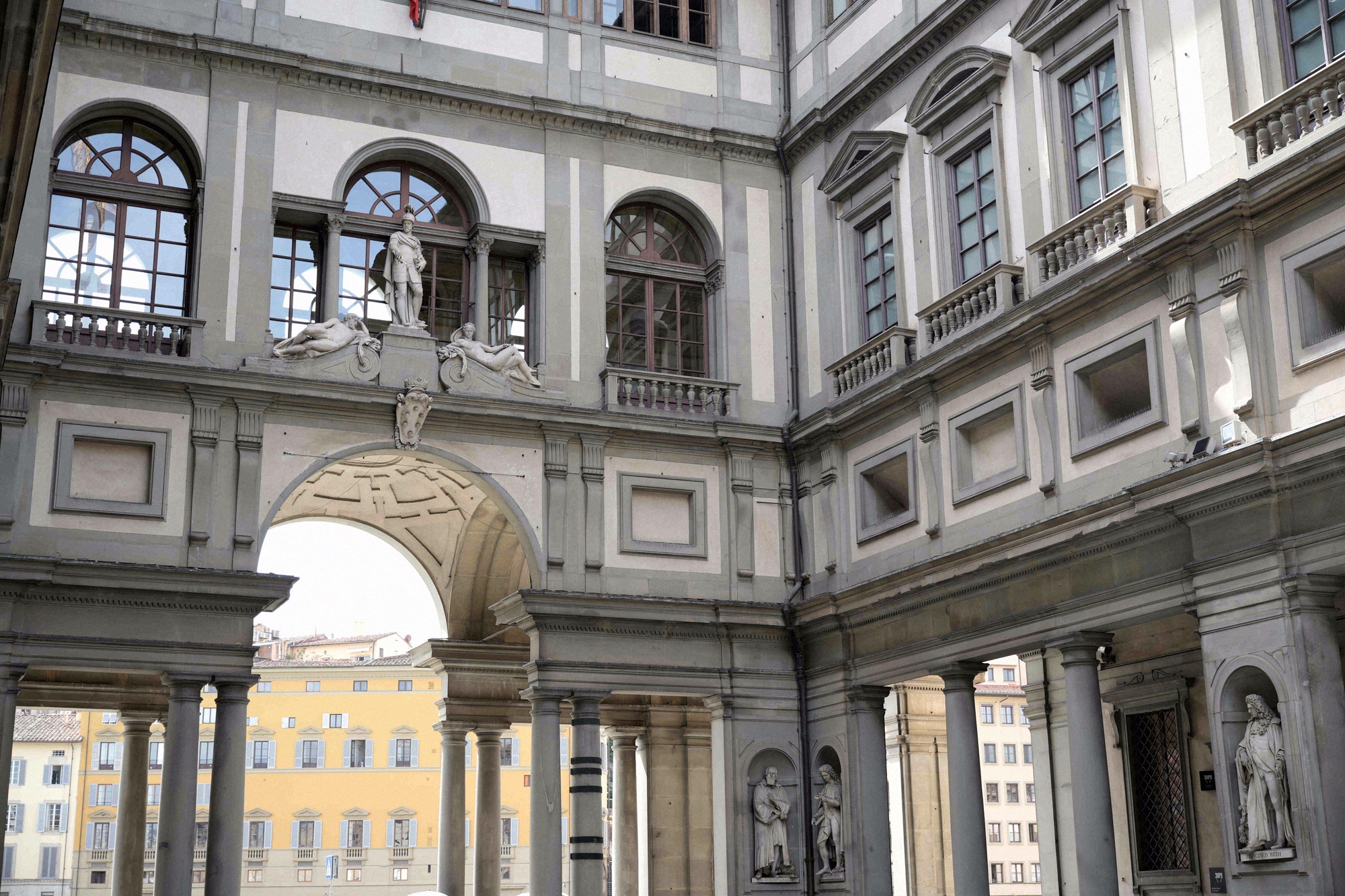
The Uffizi Gallery holds the world's finest Renaissance collection - Botticelli, Leonardo, Raphael, Caravaggio. Book a timed-entry ticket in advance.
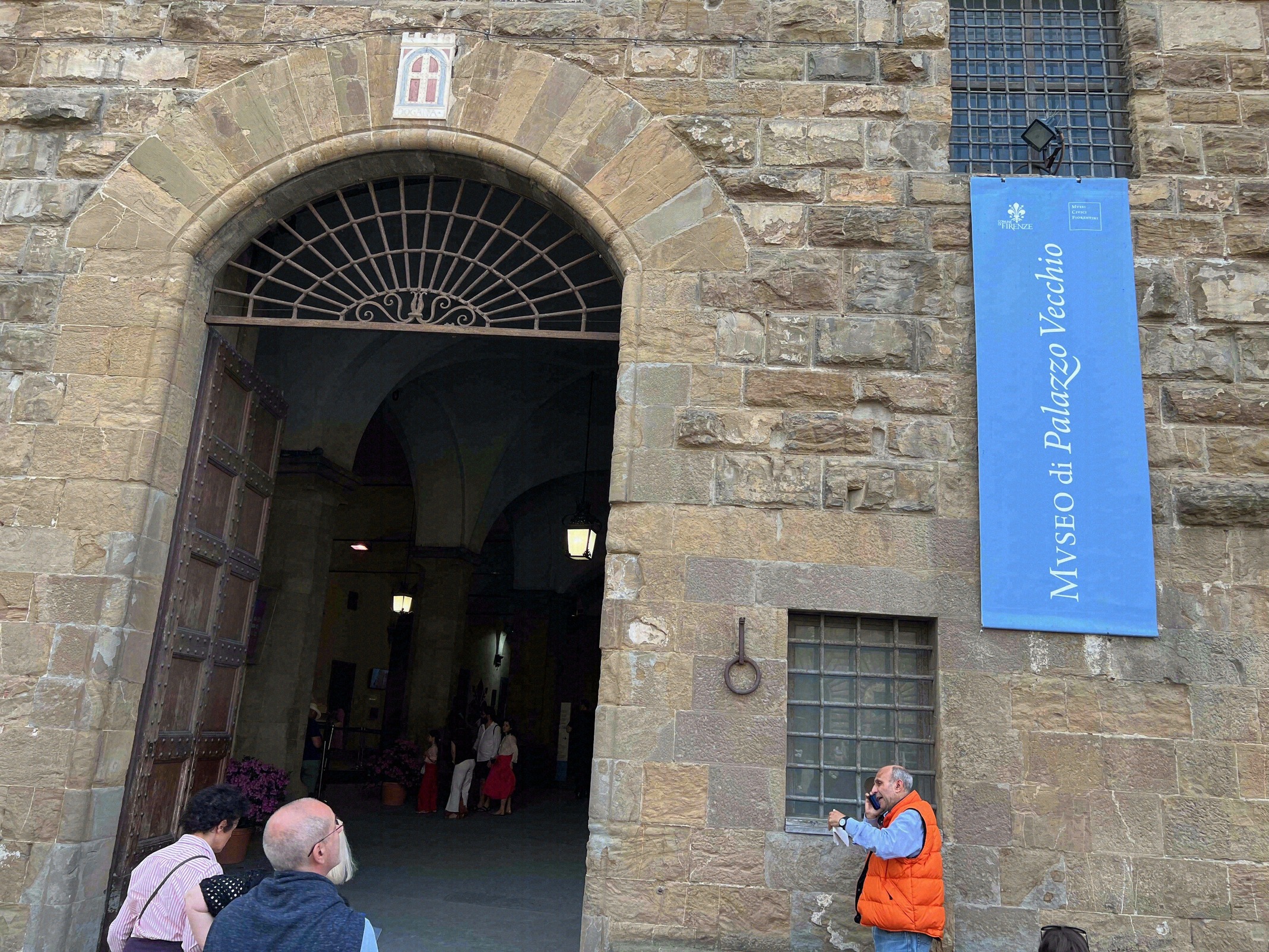
Palazzo Vecchio on Piazza della Signoria has been Florence's town hall since the 14th century, home to the Hall of the Five Hundred and the Torre di Arnolfo.
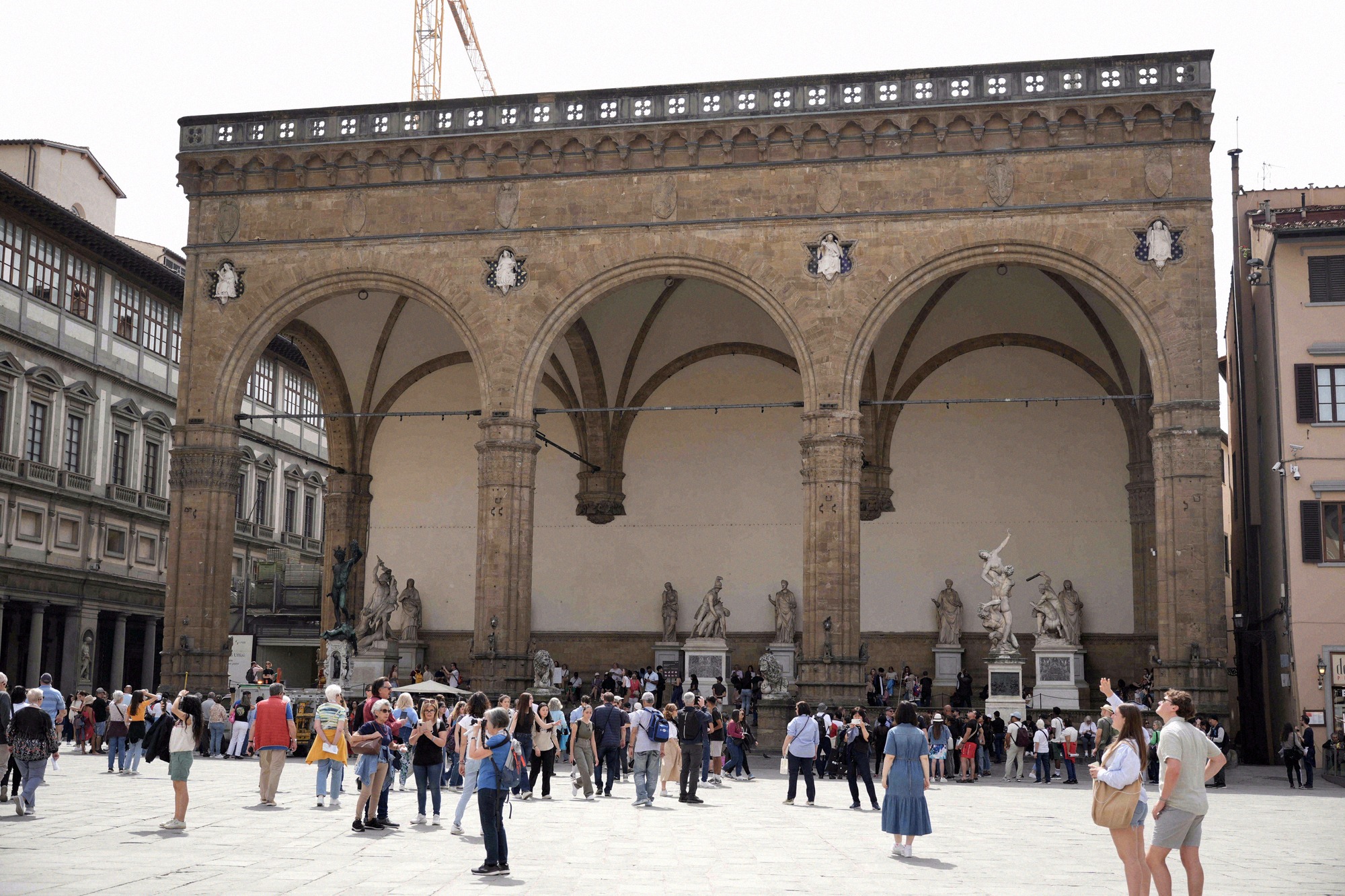
Florence's political square is a free open-air museum in front of the Palazzo Vecchio, with the Neptune Fountain, a copy of David and Renaissance sculpture in the Loggia dei Lanzi.
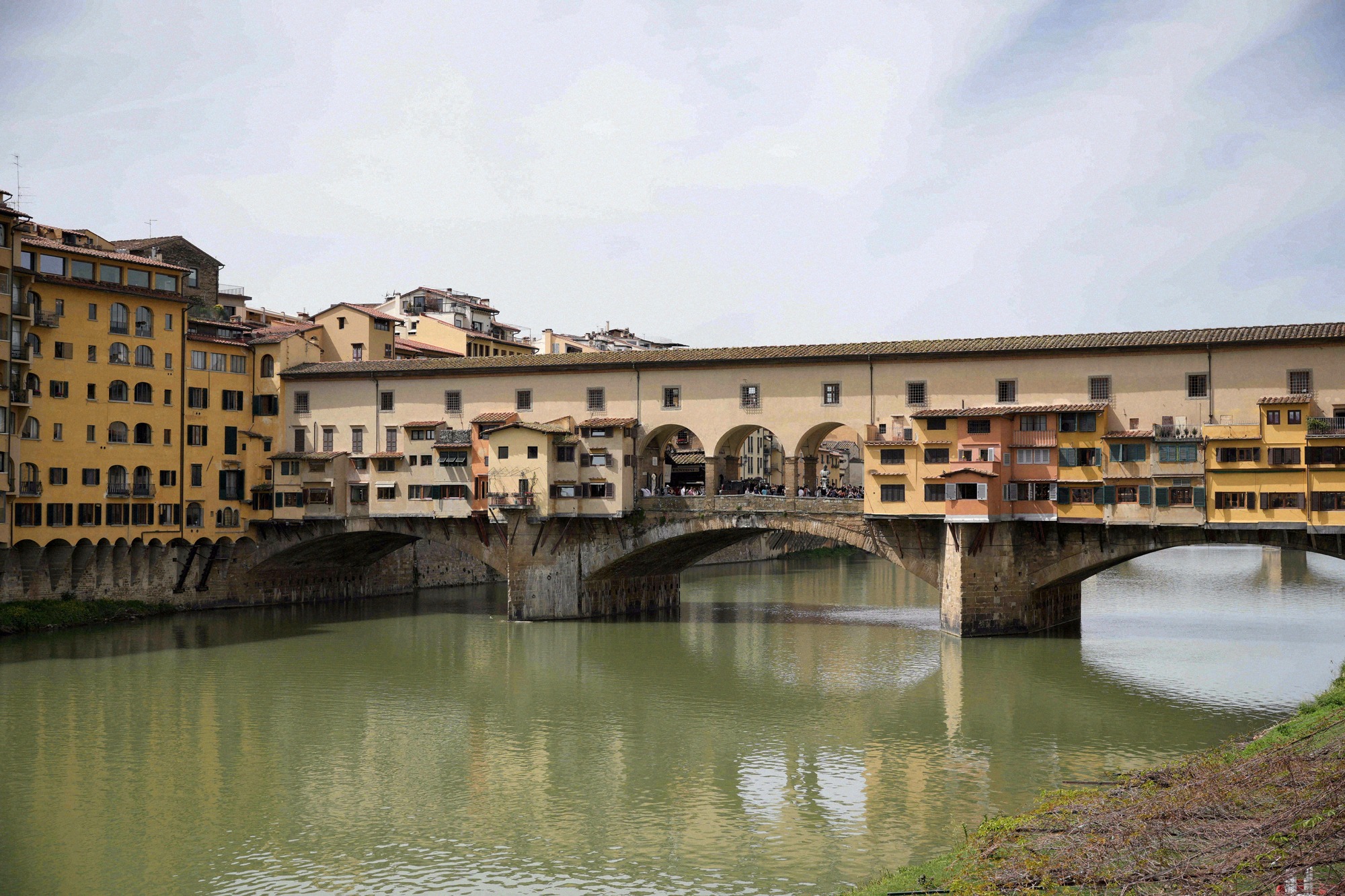
The Ponte Vecchio is Florence's oldest bridge, still lined with small goldsmiths' shops since 1593, with the reopened Vasari Corridor running above the Arno.
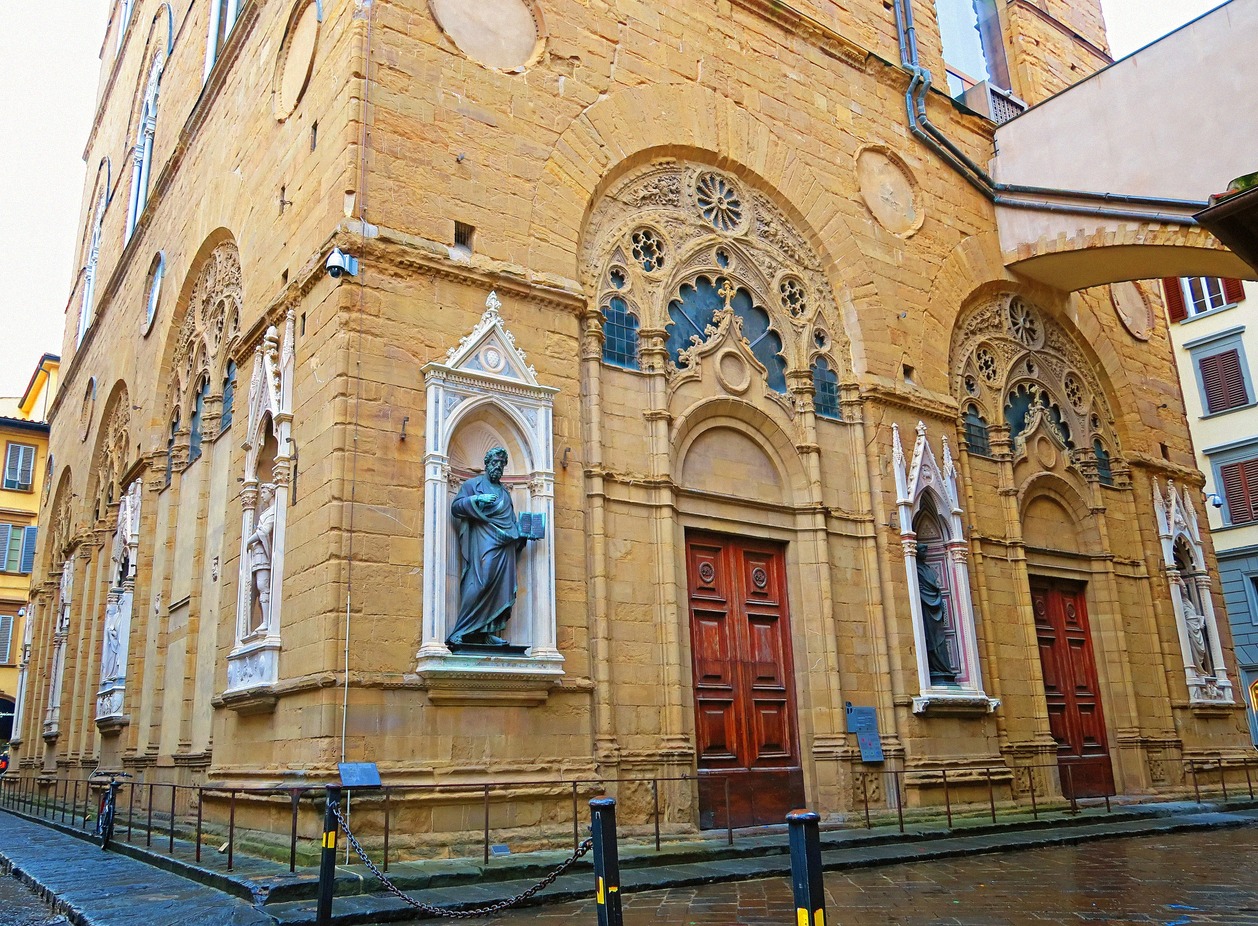
This solid guild church between the Duomo and Piazza della Signoria was once a grain market, famous for the saints' statues in its facade niches and the sculpture museum upstairs.
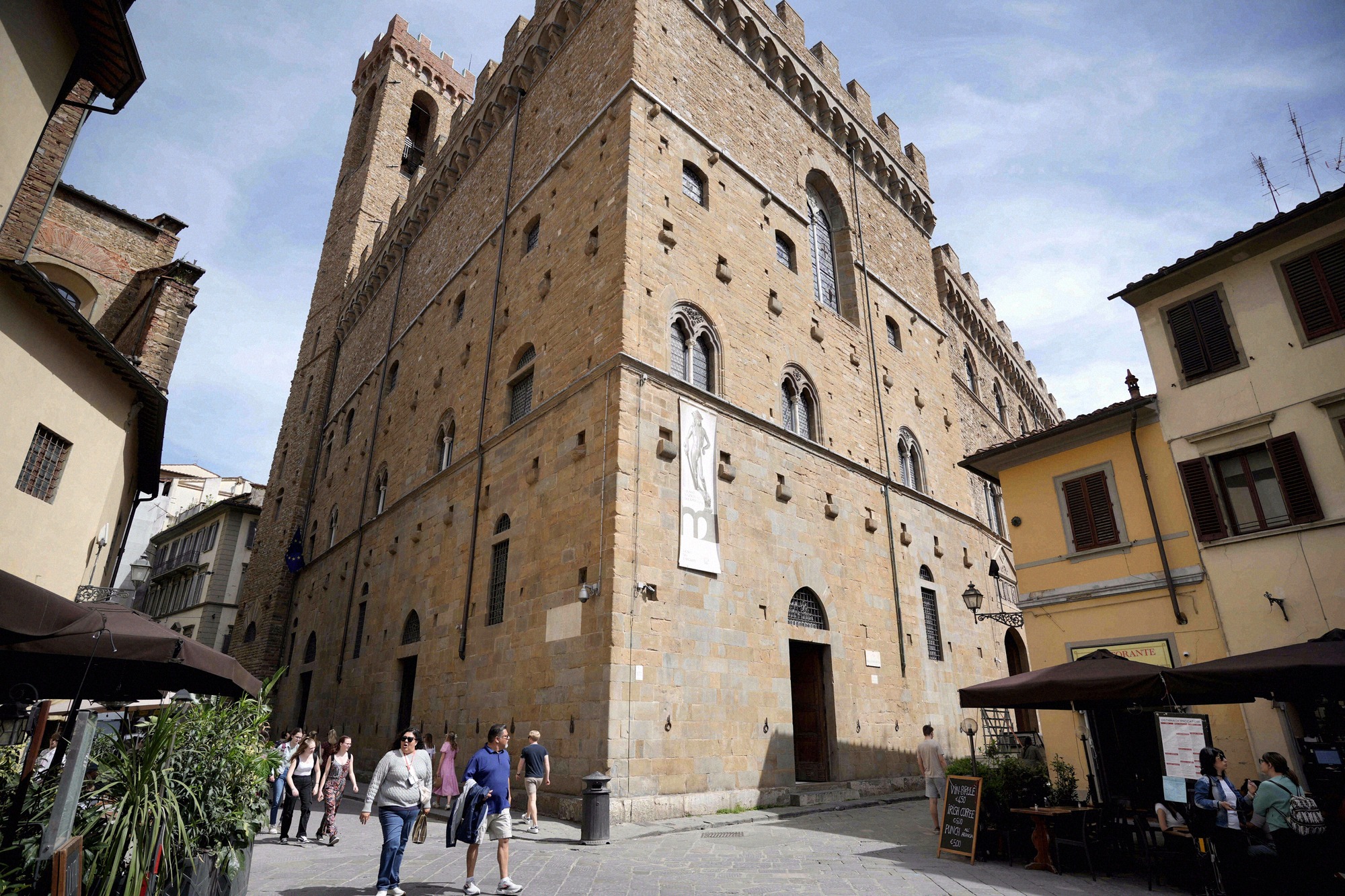
Florence's oldest public building holds the world's finest collection of Renaissance sculpture, including Donatello's bronze David and works by Michelangelo.