
Admission
Bargello admission
Entry to the Museo Nazionale del Bargello, including the current temporary exhibition, with a digital audio guide to Florence.
4.6 (390) · Tiqets
From €20
Book TicketRenaissance sculpture in Florence's oldest palace
Florence's oldest public building holds the world's finest collection of Renaissance sculpture, including Donatello's bronze David and works by Michelangelo.
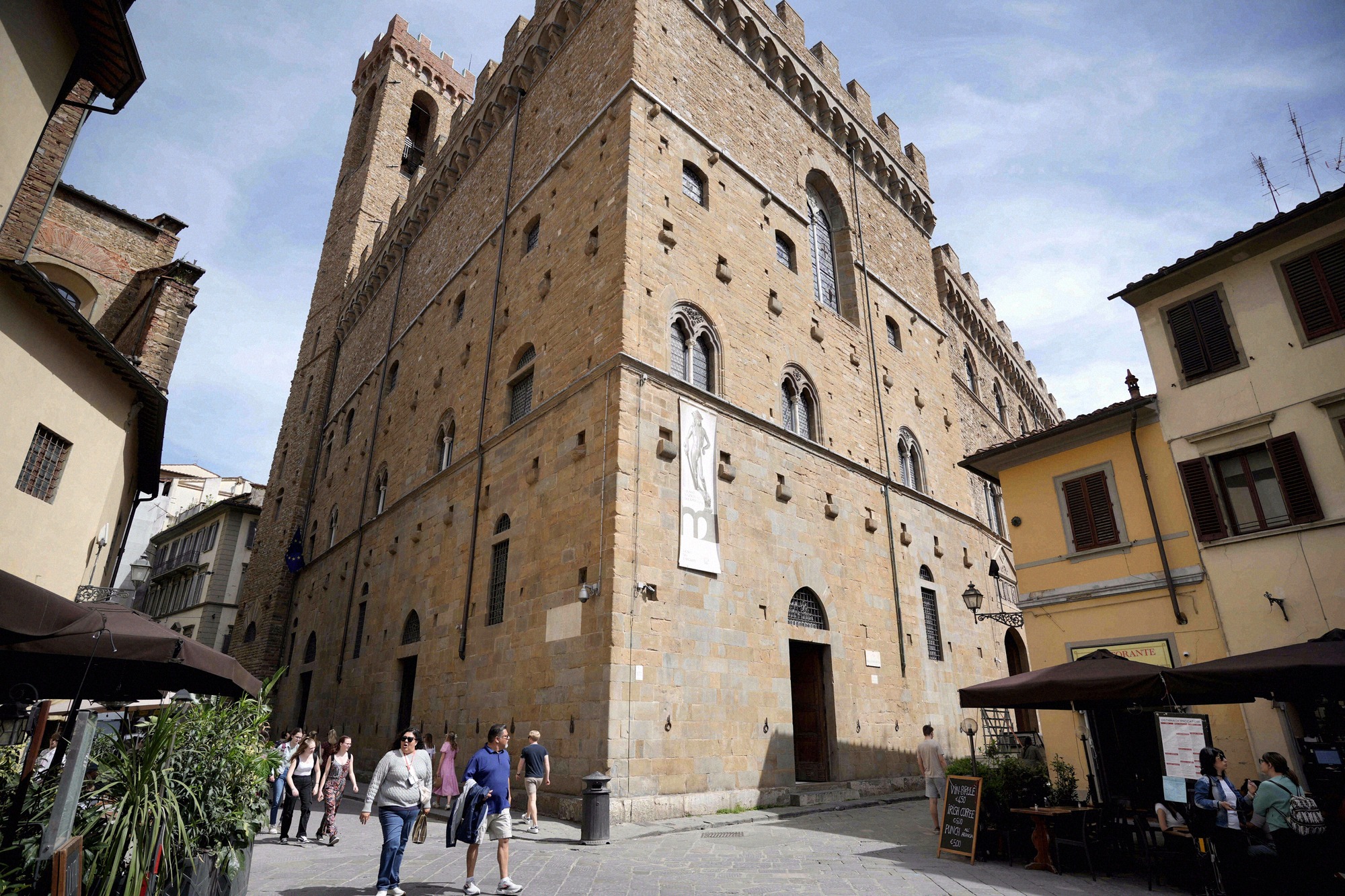
Tickets
Admission
Entry to the Museo Nazionale del Bargello, including the current temporary exhibition, with a digital audio guide to Florence.
4.6 (390) · Tiqets
From €20
Book TicketThe Museo Nazionale del Bargello (Bargello Museum) holds the world's most important collection of Italian Renaissance sculpture, and yet it remains unknown to many visitors. That's exactly what makes it the calm counterpart to the crowded Uffizi and the Galleria dell'Accademia: if you want to understand Florence in marble and bronze, you'll find the same great names here as next door in painting, just without the queue.
The collection brings together works by Donatello, Verrocchio, Luca della Robbia, Michelangelo, Giambologna, Cellini, Brunelleschi, Bertoldo and Pollaiuolo, alongside extensive holdings of arms and armour, ivories, maiolica, enamels and medals. It's less a single icon than a dense network of first-rate pieces, the real key to understanding Florentine sculpture of the 15th and 16th centuries.
The building itself is a highlight in its own right. The imposing palazzo was founded in 1255 and is Florence's oldest public building. It first served as the seat of the Podestà, the city's chief magistrate, and later as the headquarters of the Bargello, the chief of police, from whom the building takes its present name. For centuries it served as a prison and place of execution; it only opened as Italy's first national museum in 1865.
The centrepiece is the courtyard, with its open external staircase and surrounding loggias, their walls studded with the coats of arms of former Podestà. From here the galleries spread across several floors, a visit inevitably traces the building's history from medieval seat of power to museum.
The collection is arranged across several floors in thematically organised rooms. The key stops:
A piece of art history in its own right is the pair of competing bronze reliefs of the Sacrifice of Isaac by Brunelleschi and Ghiberti, the trial pieces from the 1401 competition for the second bronze door of the Baptistery, often regarded as the starting point of Renaissance sculpture. Both hang here side by side for direct comparison.
The Bargello is run by the Musei del Bargello and is open Tuesday to Sunday, 8:15 to 18:50, closed on Mondays. Last entry is 50 minutes before closing, so around 18:00. Come early and you'll often have the rooms largely to yourself.
Full price is €12, reduced admission for EU citizens aged 18 to 25 is €2, and entry is free up to your 18th birthday. The museum is also free on the first Sunday of every month, as well as on 25 April, 2 June and 4 November. If you're planning to see several sites, the 72-hour combined ticket at €38 works out cheaper; it covers all five Bargello museums, including Orsanmichele, the Accademia and the Medici Chapels. Advance booking isn't necessary, the Bargello is rarely crowded and has no timed-entry system. If you'd still rather book ahead, use B-ticket, the official advance sales channel, for a €4 surcharge.
Photography without a flash, tripod or touching the exhibits is permitted for non-commercial use; selfie sticks are banned.
Allow 1 to 1.5 hours for a visit, enough to take in the highlights without rushing. The Bargello sits in the Santa Croce district on Via del Proconsolo, just a few steps from the Piazza della Signoria and the Palazzo Vecchio; the Basilica di Santa Croce is also an easy walk away. That makes the museum an easy fit for a day exploring the eastern old town.
A natural pairing is a visit to the nearby Orsanmichele, whose original sculptures are also cared for by the Musei del Bargello, the combined ticket is worth it for both. If you're especially interested in Renaissance sculpture, our art guide has further background; tips on booking ahead are in the ticket guide, and for getting around the old town on foot, see the transport guide.
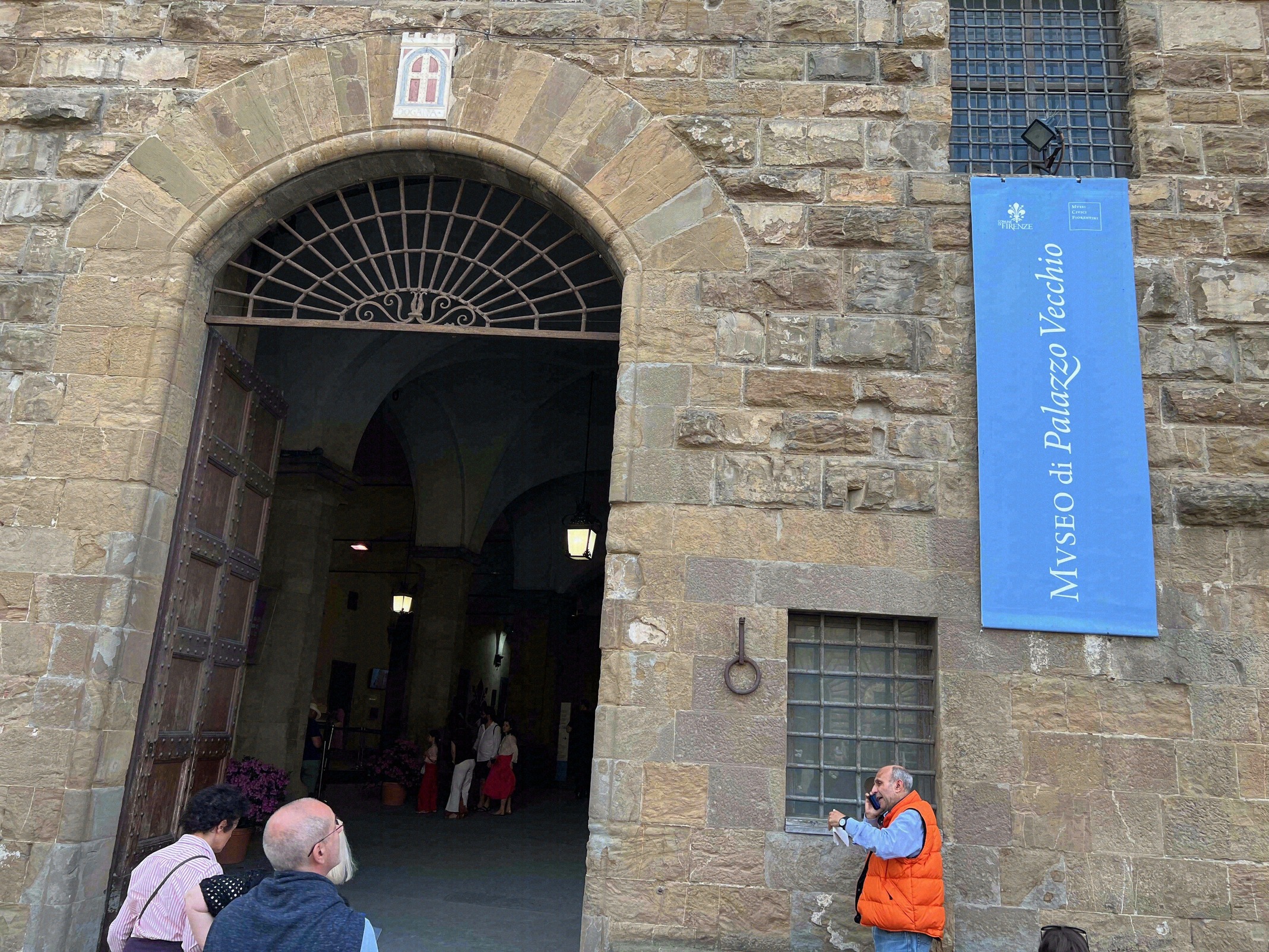
Palazzo Vecchio on Piazza della Signoria has been Florence's town hall since the 14th century, home to the Hall of the Five Hundred and the Torre di Arnolfo.
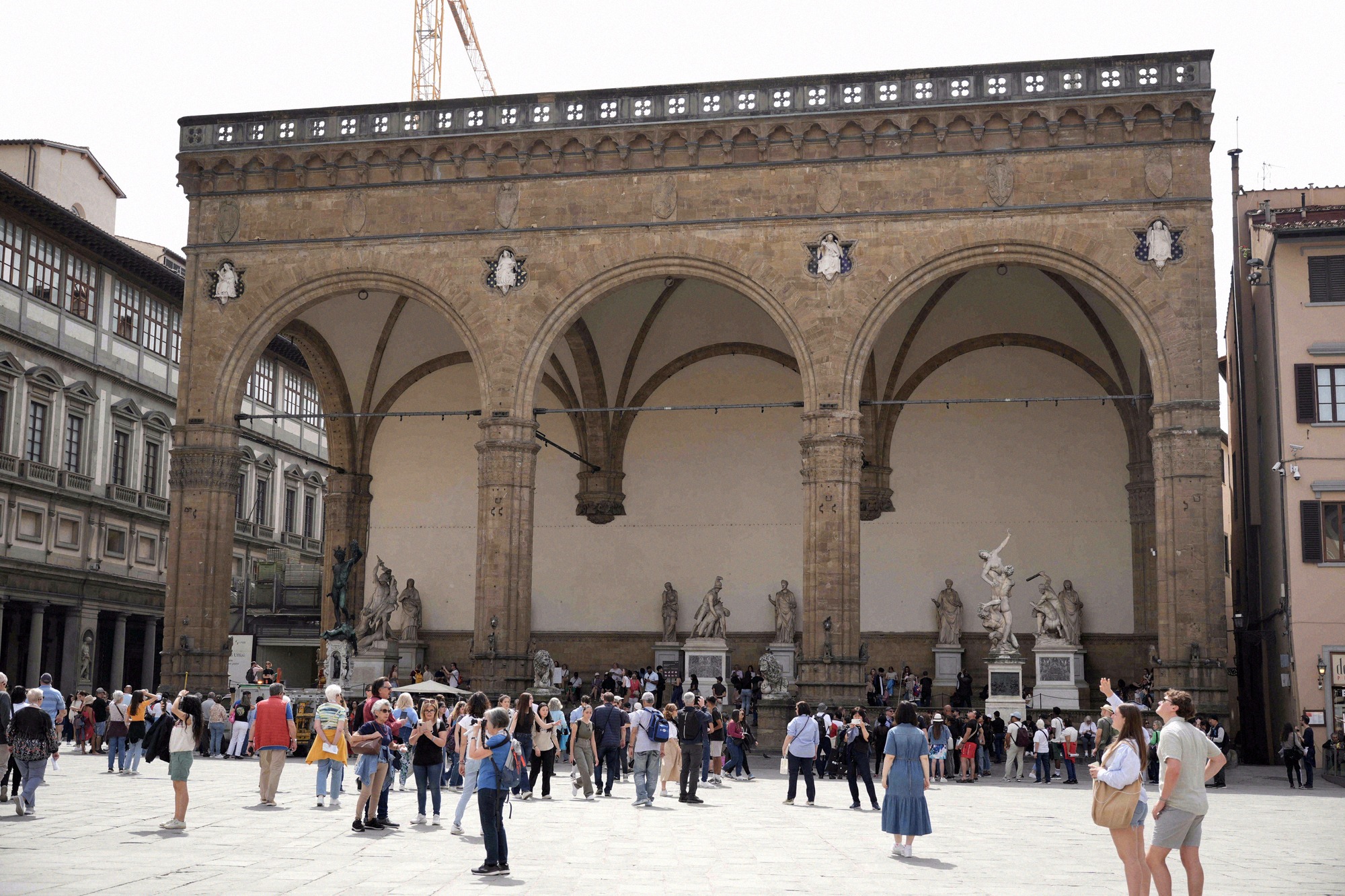
Florence's political square is a free open-air museum in front of the Palazzo Vecchio, with the Neptune Fountain, a copy of David and Renaissance sculpture in the Loggia dei Lanzi.
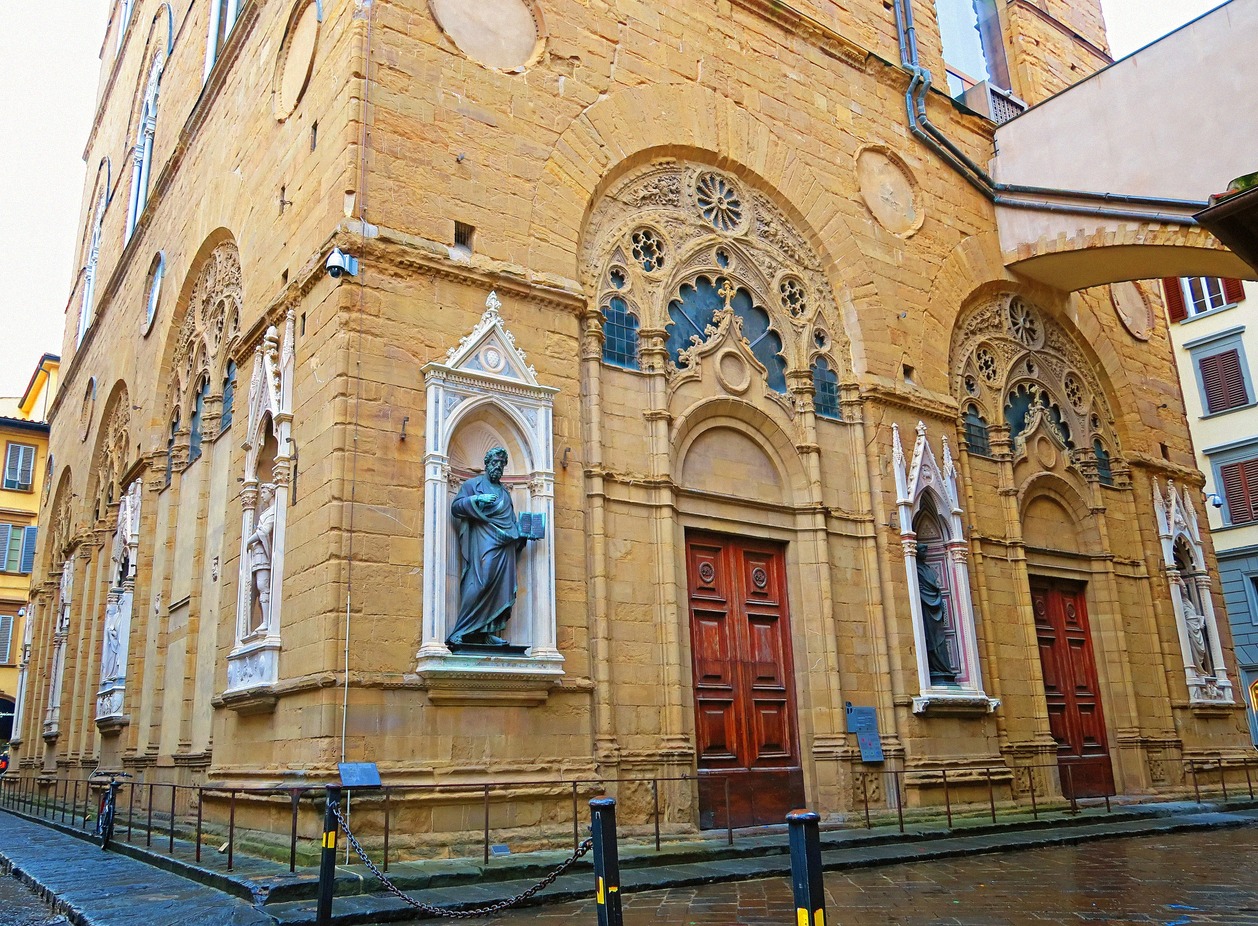
This solid guild church between the Duomo and Piazza della Signoria was once a grain market, famous for the saints' statues in its facade niches and the sculpture museum upstairs.
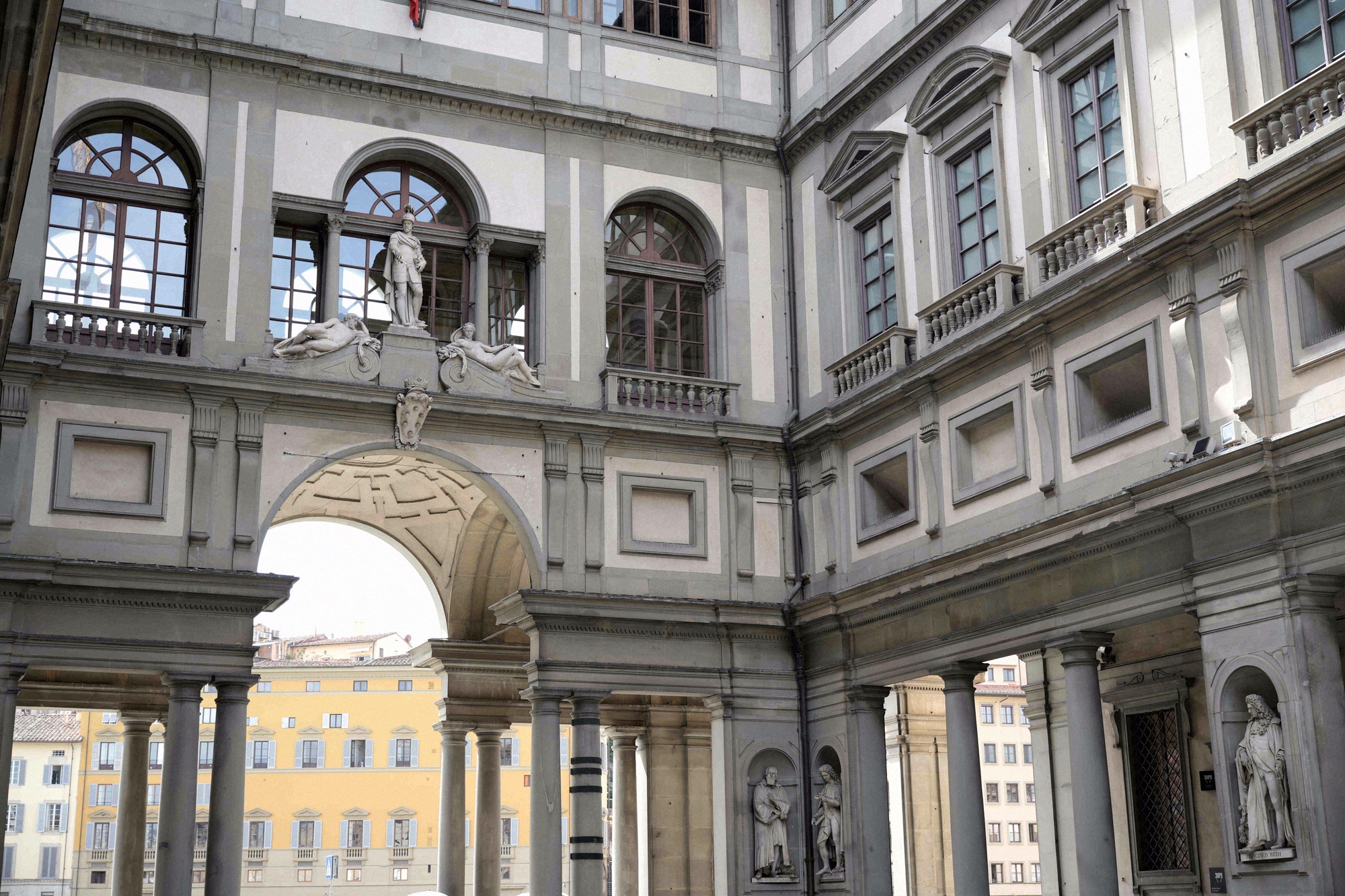
The Uffizi Gallery holds the world's finest Renaissance collection - Botticelli, Leonardo, Raphael, Caravaggio. Book a timed-entry ticket in advance.
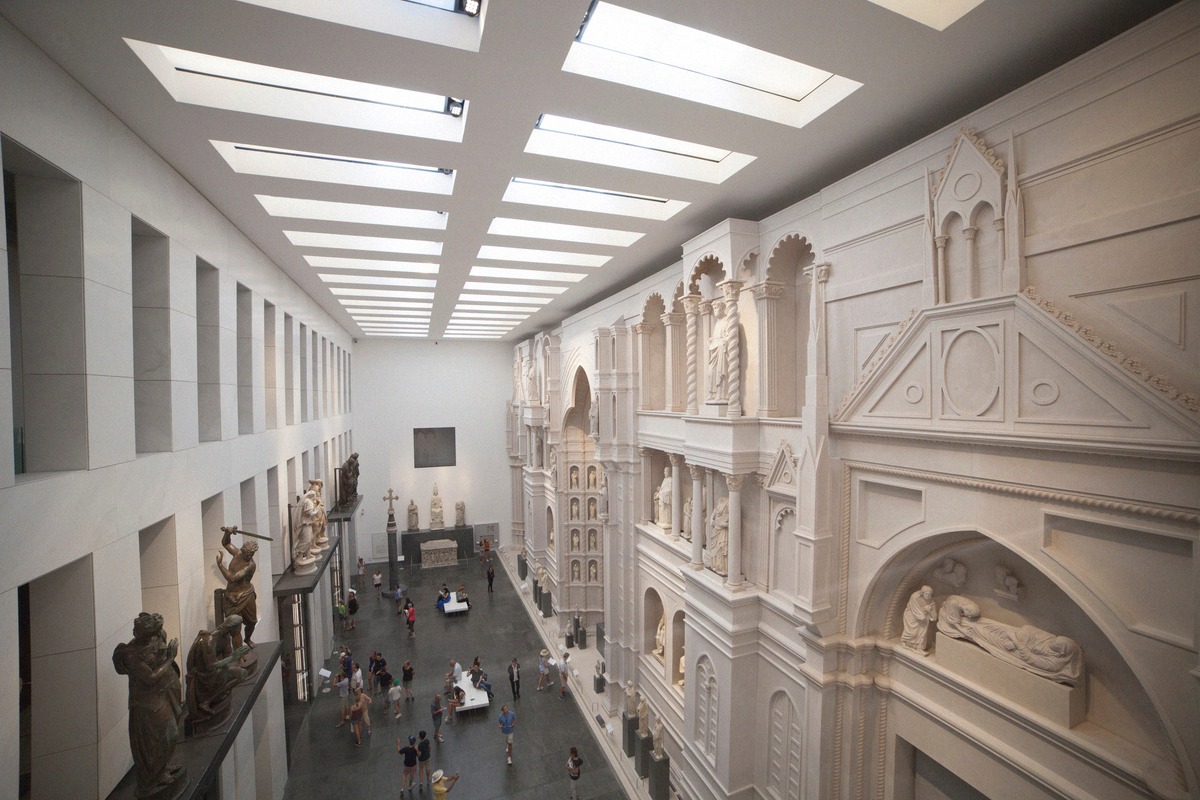
The Opera del Duomo Museum holds the originals from the cathedral square - Ghiberti's Gates of Paradise, Donatello's sculptures and Michelangelo's Bandini Pietà, in a 2015 building with a reconstructed facade.
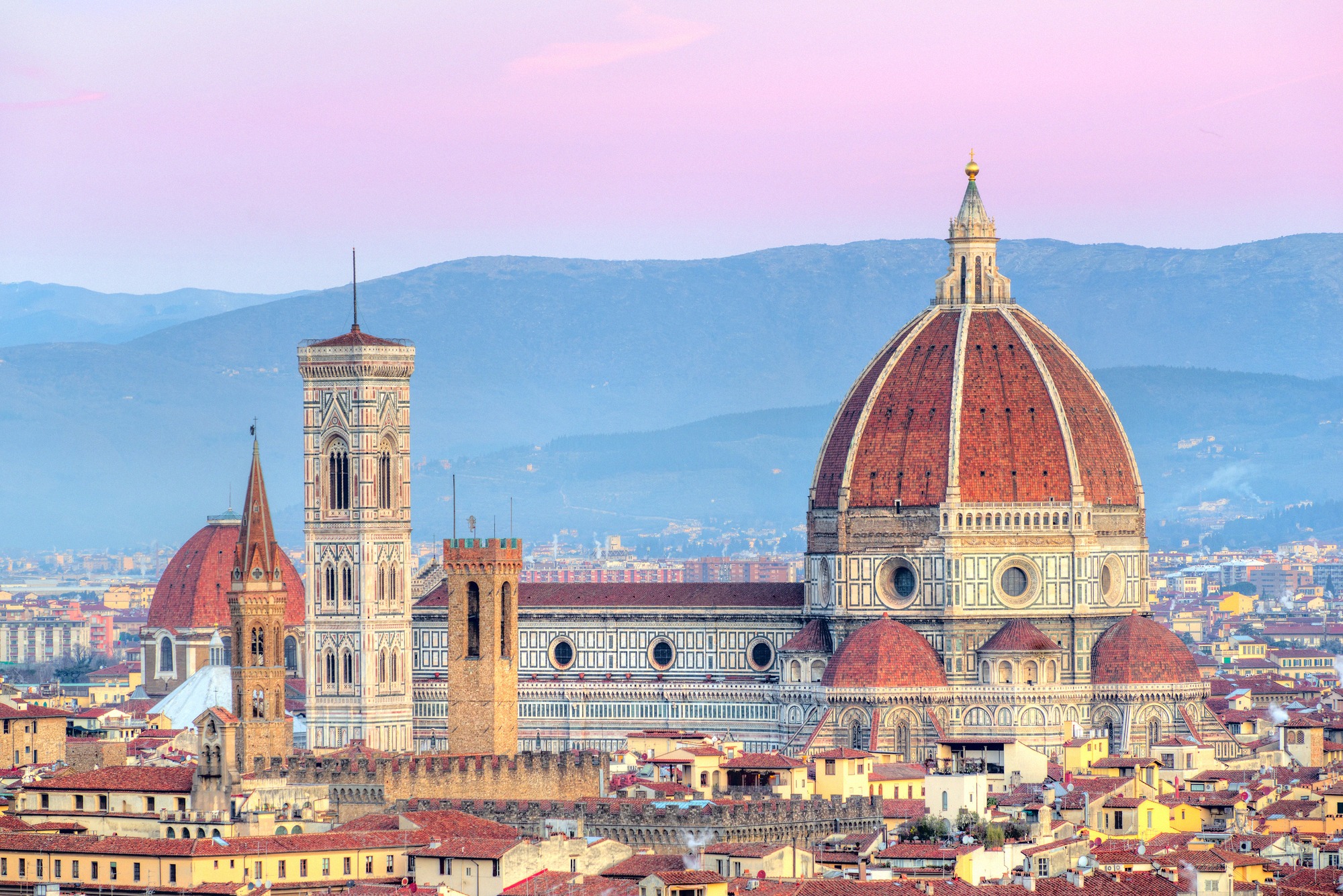
Santa Maria del Fiore, Florence's Gothic cathedral, is topped by Brunelleschi's world-famous dome. Entry is free; climbing the dome needs advance booking.