
Santa Croce
Leather workshops and nightlife around the basilica
The neighbourhood around the Franciscan basilica, east of the centre: leather workshops, the broad Piazza Santa Croce, the Bargello and trattorias for dinner.
Contents
Getting your bearings
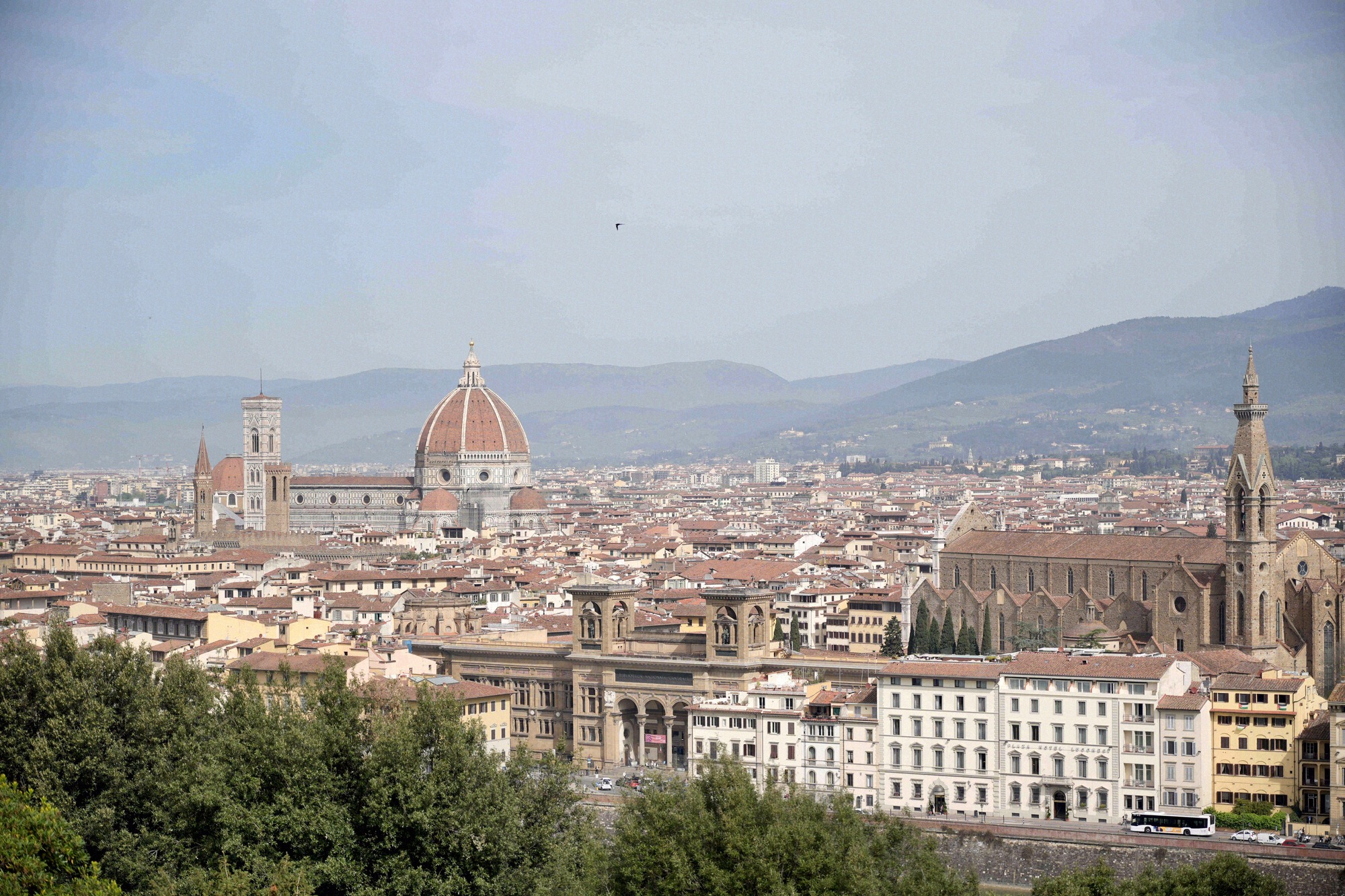
Santa Croce is the neighbourhood east of the Centro Storico, named after the Franciscan Basilica di Santa Croce. From Piazza della Signoria and the Palazzo Vecchio it is a good ten minutes' walk to the church, and the neighbourhood directly adjoins the historic core. Its heart is the broad Piazza Santa Croce in front of the basilica, from which lanes lined with workshops, trattorias and bars lead off in every direction.
The square was laid out in the late 13th century along with the new church designed by Arnolfo di Cambio. As the great church went up, the square was enlarged too, and the Franciscans first used it for preaching. From the 15th century it hosted equestrian games and festivals, and in the 16th and 17th centuries the surrounding palaces took on their present appearance.
Piazza, leather and evenings out
Santa Croce combines a great church, craft workshops and nightlife. On the piazza, Palazzo Antellesi stands out for its painted facade; it is on the right as you look out from the church. An old plaque on its front marks the halfway line of the pitch for the Calcio Storico: in June the square is covered with sand and ringed by stands, and after two semi-finals the final is played on 24 June, the feast of the city's patron saint, San Giovanni Battista. Enrico Pazzi's 19th-century monument to Dante, now in front of the church, originally stood in the middle of the square.
Leatherwork still defines the neighbourhood. After the Second World War, the Franciscans of Santa Croce founded the Scuola del Cuoio together with the Gori and Casini families of Florentine leatherworkers, to give war orphans a trade. The school is housed in the monastery's former dormitory; in the Arno flood of 4 November 1966 it was left under water and mud. You can watch the artisans at work in the workshop, reached from Via San Giuseppe 5R through the garden around the apse.
In the evening the action moves to the trattorias, wine bars and gelaterias clustered around the piazza, and the neighbourhood gets busy.
Key sights
The basilica itself is the main reason to come: it holds the tombs of Michelangelo, Galileo and Machiavelli, along with Giotto's frescoes and Brunelleschi's Pazzi Chapel in the cloister. On Via Ghibellina stands the Bargello, a palace dating from 1255 that has been a museum since 1865 and shows mainly sculpture.
A few steps from the piazza, Casa Buonarroti shows early works by Michelangelo. On Via de' Benci, the Museo Horne houses the collection of the art historian it is named after. The Biblioteca Nazionale building dominates Piazza Cavalleggeri.
Getting there
The easiest way to reach Santa Croce is on foot: it is a good ten minutes from Piazza della Signoria, and the basilica is also an easy walk from the Bargello. Bus routes C1 to C4 also run through the old town. The old town's restricted traffic zone (ZTL) applies to cars; details on tickets, routes and zones are in the Public Transport in Florence guide.
Who it suits and when to go
The basilica is best visited in the morning; allow an hour to an hour and a half. The Bargello is usually pleasantly quiet in the morning, and the two combine well into half a day. The afternoon leaves time for the workshops and the smaller museums.
In June, when the Calcio Storico is played on the piazza, it is worth checking the events calendar. In the evening, Santa Croce is the place for a trattoria dinner followed by a glass of wine. As a base, the neighbourhood suits anyone who wants to stay centrally with restaurants and bars on the doorstep; the Where to stay page explains how it compares with the other neighbourhoods.
Around Santa Croce
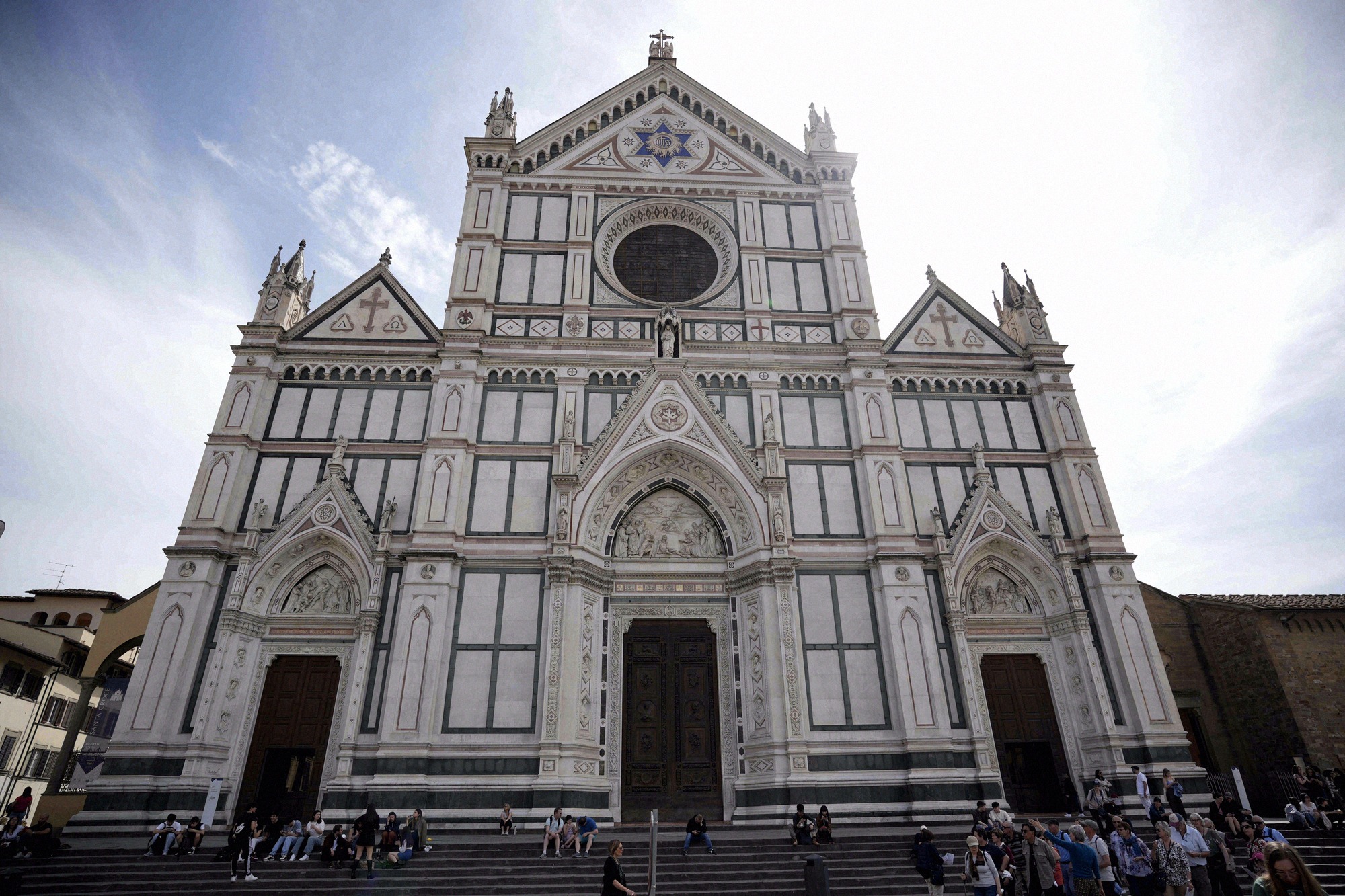
Basilica di Santa Croce
The Basilica di Santa Croce is the largest Franciscan church in the world. Florence's hall of fame holds the tombs of Michelangelo, Galileo and Machiavelli.
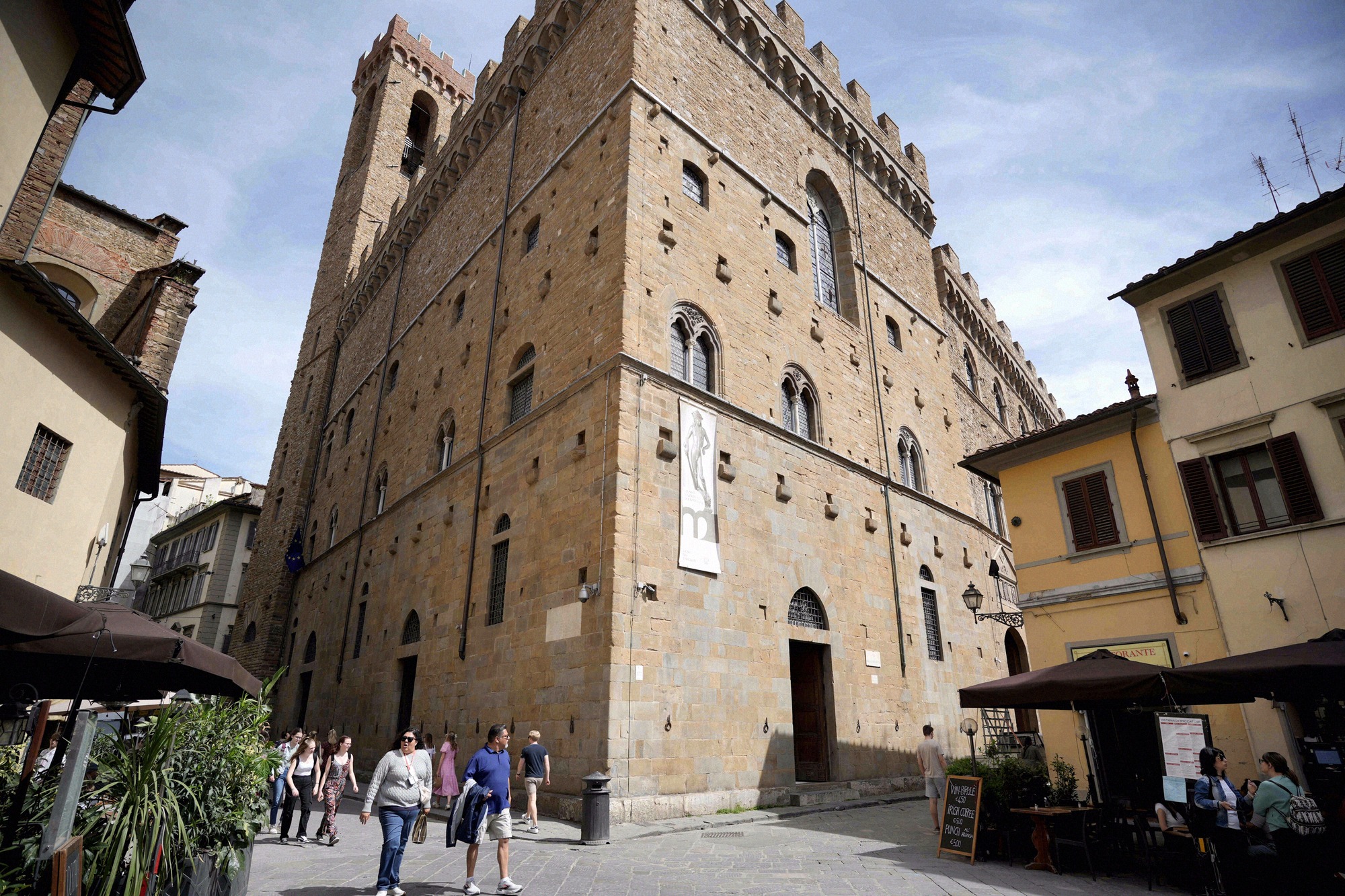
Museo Nazionale del Bargello
Florence's oldest public building holds the world's finest collection of Renaissance sculpture, including Donatello's bronze David and works by Michelangelo.