Centro Storico
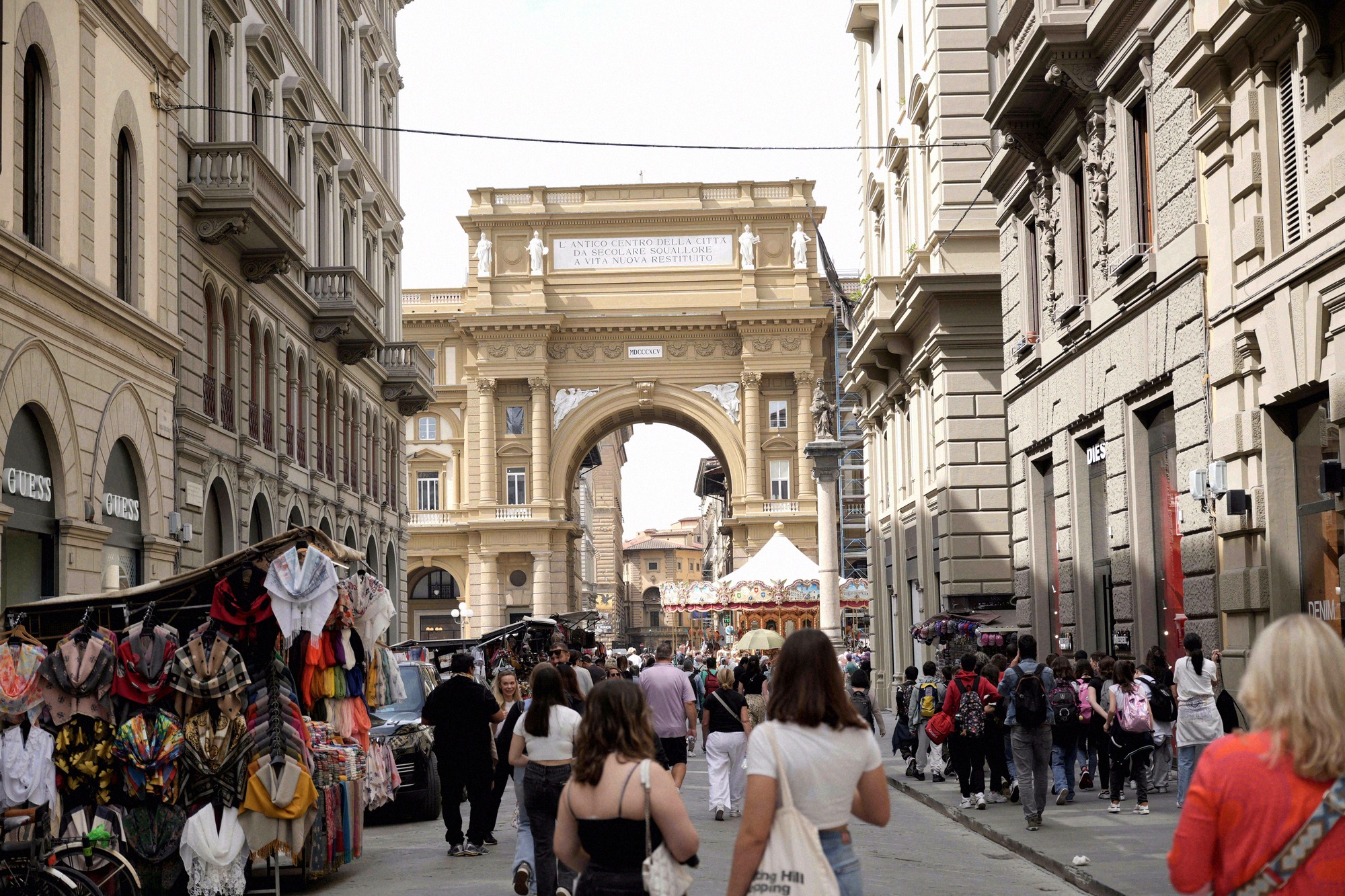
UNESCO World Heritage site around the Duomo and Piazza della Signoria
Overview
Florence's six neighbourhoods at a glance, from the World Heritage centre to the hilltop viewpoint: where it's worth going, what's free, and where to stay.
UNESCO World Heritage site around the Duomo and Piazza della Signoria
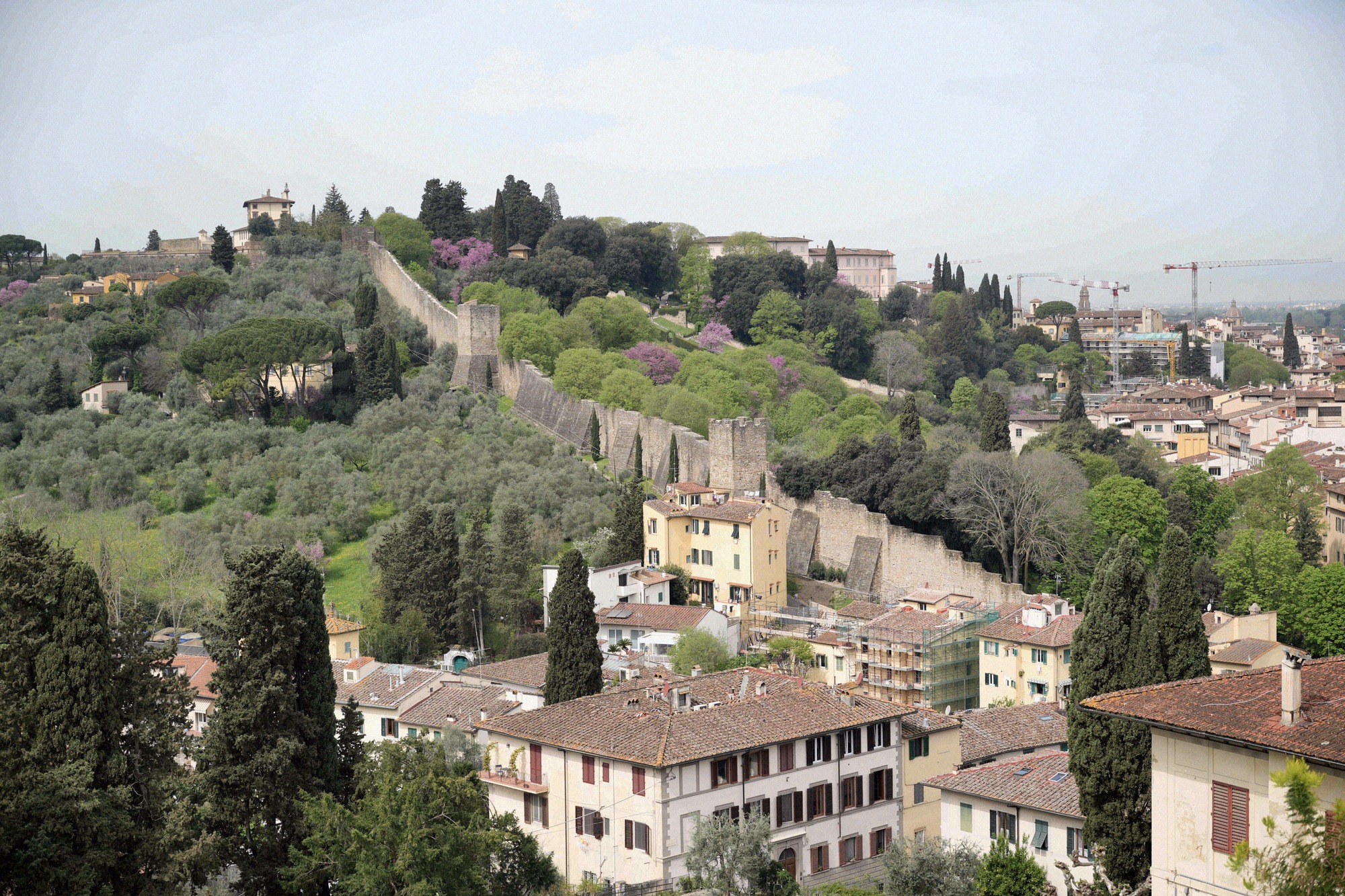
Florence's artisan and craft quarter south of the Arno
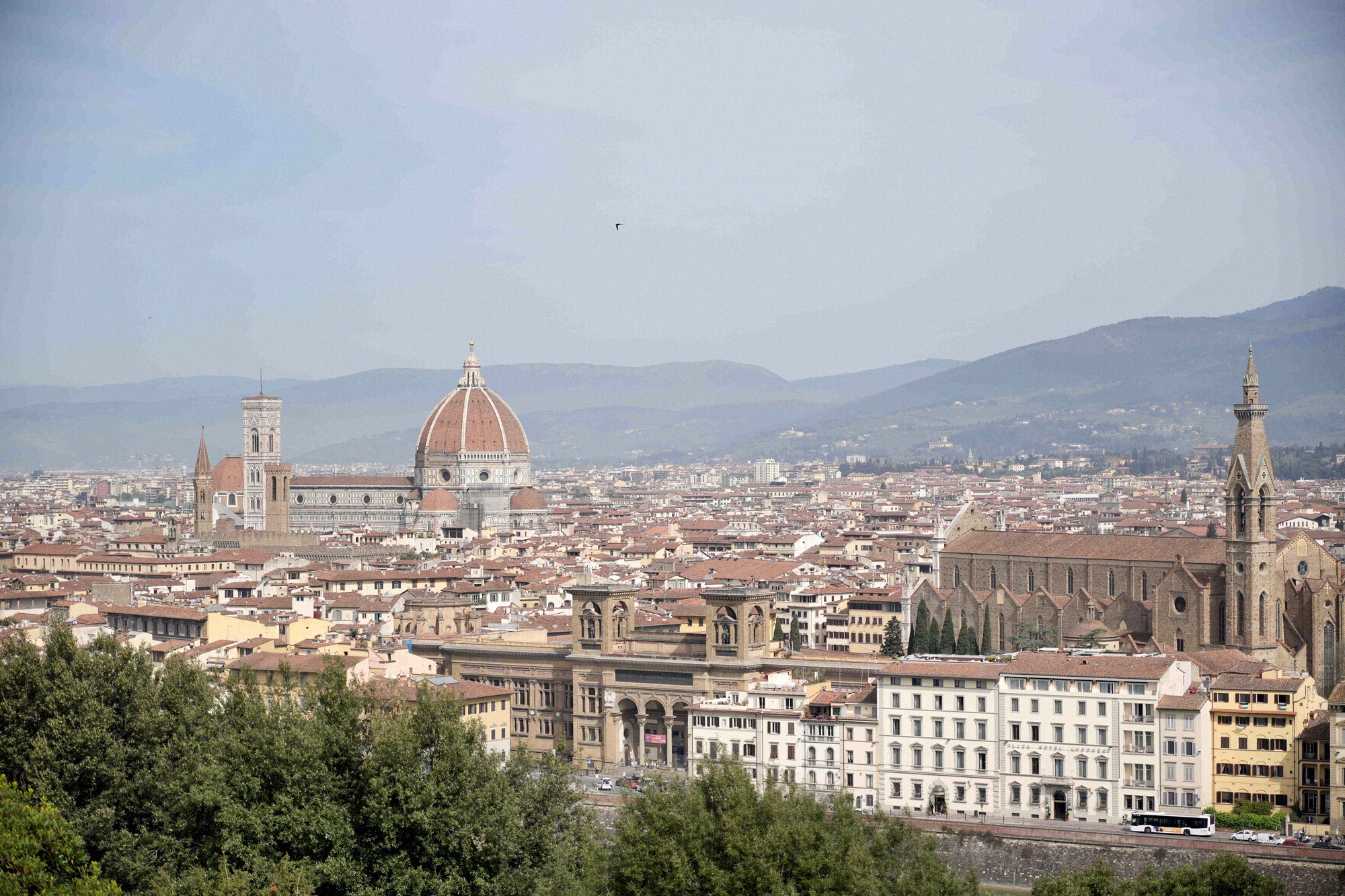
A lively leather-working and nightlife quarter around the basilica
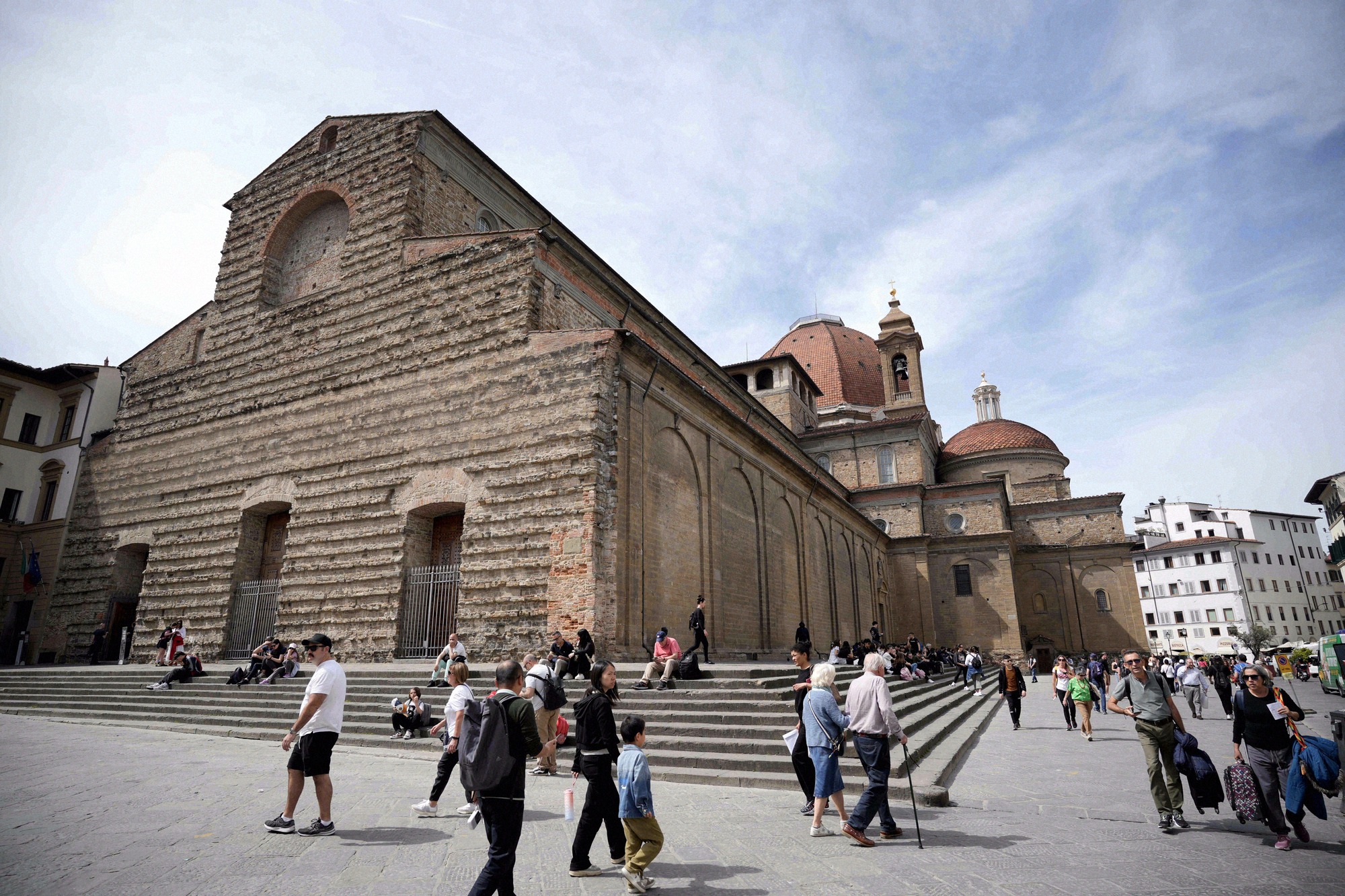
Market and Medici quarter north of the Duomo
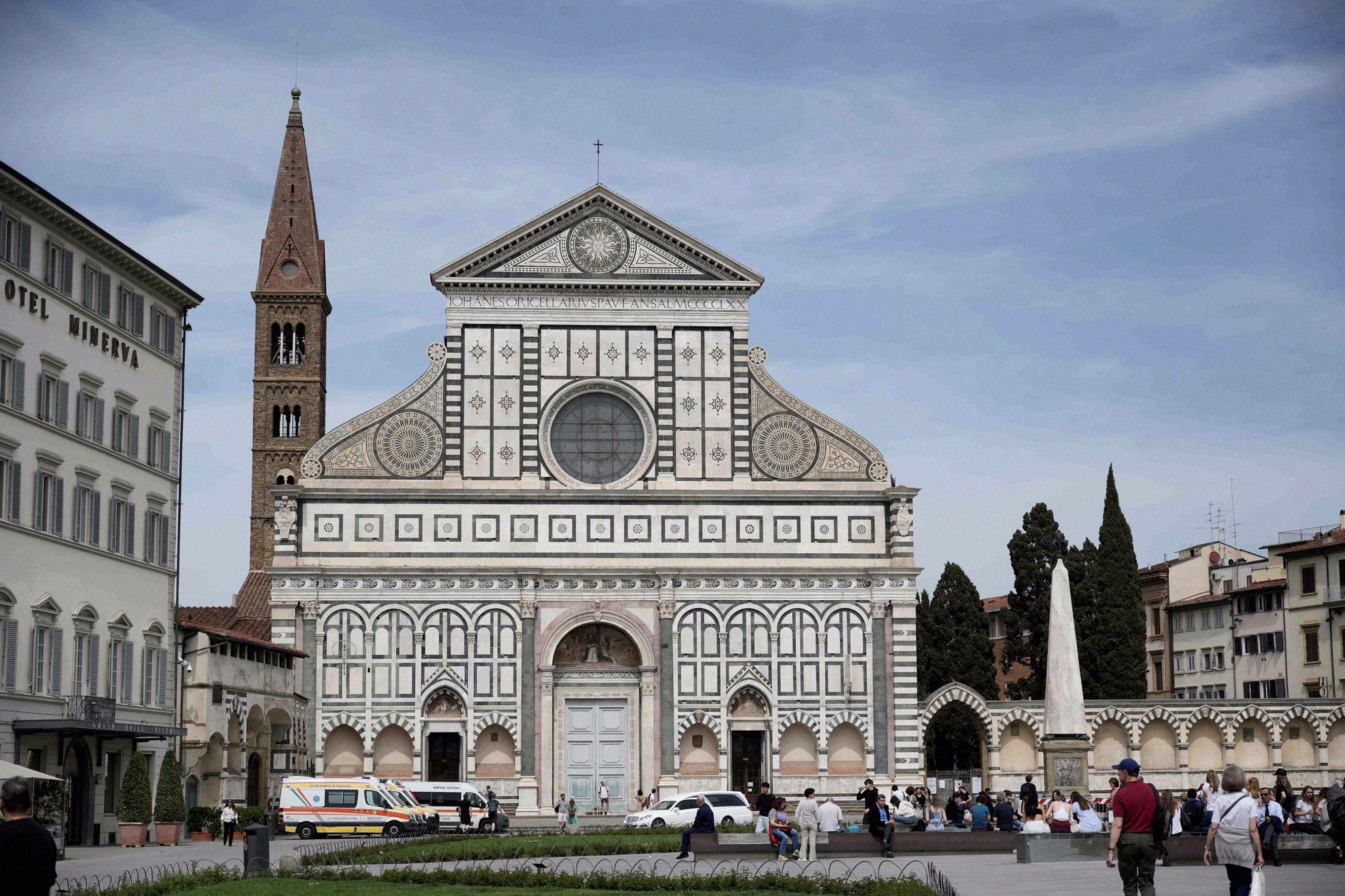
Station district with shops and a Renaissance basilica
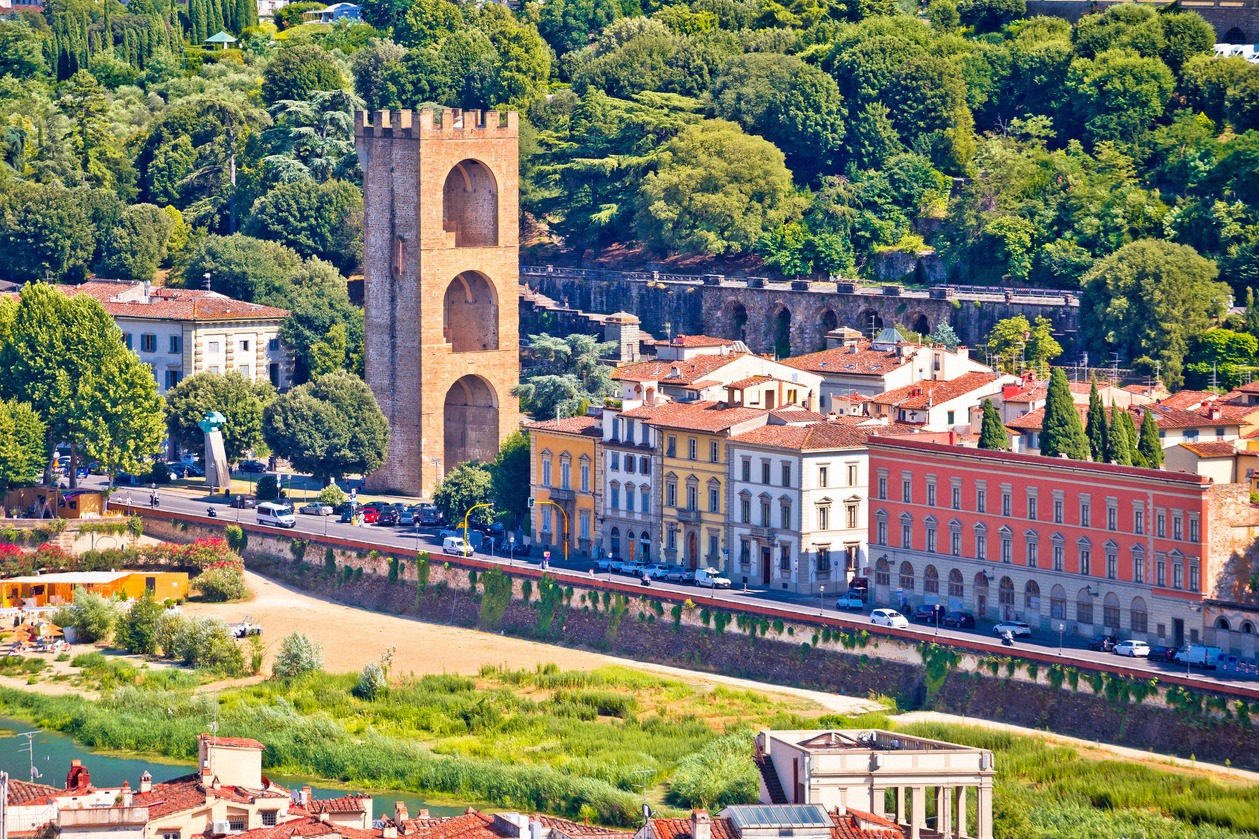
Quiet Oltrarno neighbourhood at the foot of the hill
No results found.
Florence is compact, and almost everything is within walking distance, yet each neighbourhood still has its own character. Centro Storico is the historic core and a UNESCO World Heritage Site since 1982: here the Cathedral with Brunelleschi's dome, the Uffizi, Palazzo Vecchio and Piazza della Signoria are all packed into a small area. Because the restricted traffic zone (ZTL) applies here, exploring the centre on foot is the best option anyway.
Across the Arno lies Oltrarno, the neighbourhood of craft workshops and artists' studios behind Ponte Vecchio, home to the imposing Palazzo Pitti, the Boboli Gardens and the lively Piazza di Santo Spirito. East of the centre, the student-filled Santa Croce neighbourhood gathers around the Franciscan basilica of Santa Croce, burial place of Michelangelo and Galileo.
North of the Cathedral, San Lorenzo & San Marco combines the market and Medici quarter: the Basilica di San Lorenzo, the covered Mercato Centrale, and, around Piazza San Marco, the Accademia Gallery with Michelangelo's David. Santa Maria Novella, around the main train station, is the city's arrival point, with Alberti's Renaissance facade on the Basilica di Santa Maria Novella. Finally, the small San Niccolò neighbourhood sits at the foot of the hilltop and is the way up to Piazzale Michelangelo.
No neighbourhood charges admission, walking through, the squares and the lanes are free everywhere. You only pay for individual attractions within each neighbourhood. You'll get furthest without a ticket in San Niccolò: both Piazzale Michelangelo, with its famous view over the city, and the Romanesque church of San Miniato al Monte are free to enter.
The biggest costs are concentrated in Centro Storico (Uffizi from €25, Cathedral combined tickets from €15, Palazzo Vecchio from €12), in Oltrarno (Palazzo Pitti from €16, Boboli Gardens from €10) and in San Lorenzo & San Marco (Accademia Gallery from €20, the Medici Chapels from €11). In Santa Croce, the basilica costs €10 and the Bargello from €12, while in Santa Maria Novella the basilica costs €7.50. If you want to see a lot, plan your entrance tickets deliberately - wandering itself stays free.