
Piazzale Michelangelo
Viewpoint terrace with the postcard panorama
Florence's most famous viewpoint above the south bank of the Arno, the panorama with the Duomo, Palazzo Vecchio and the bridges, free to enter and best at sunset.
Contents
The panorama of Florence
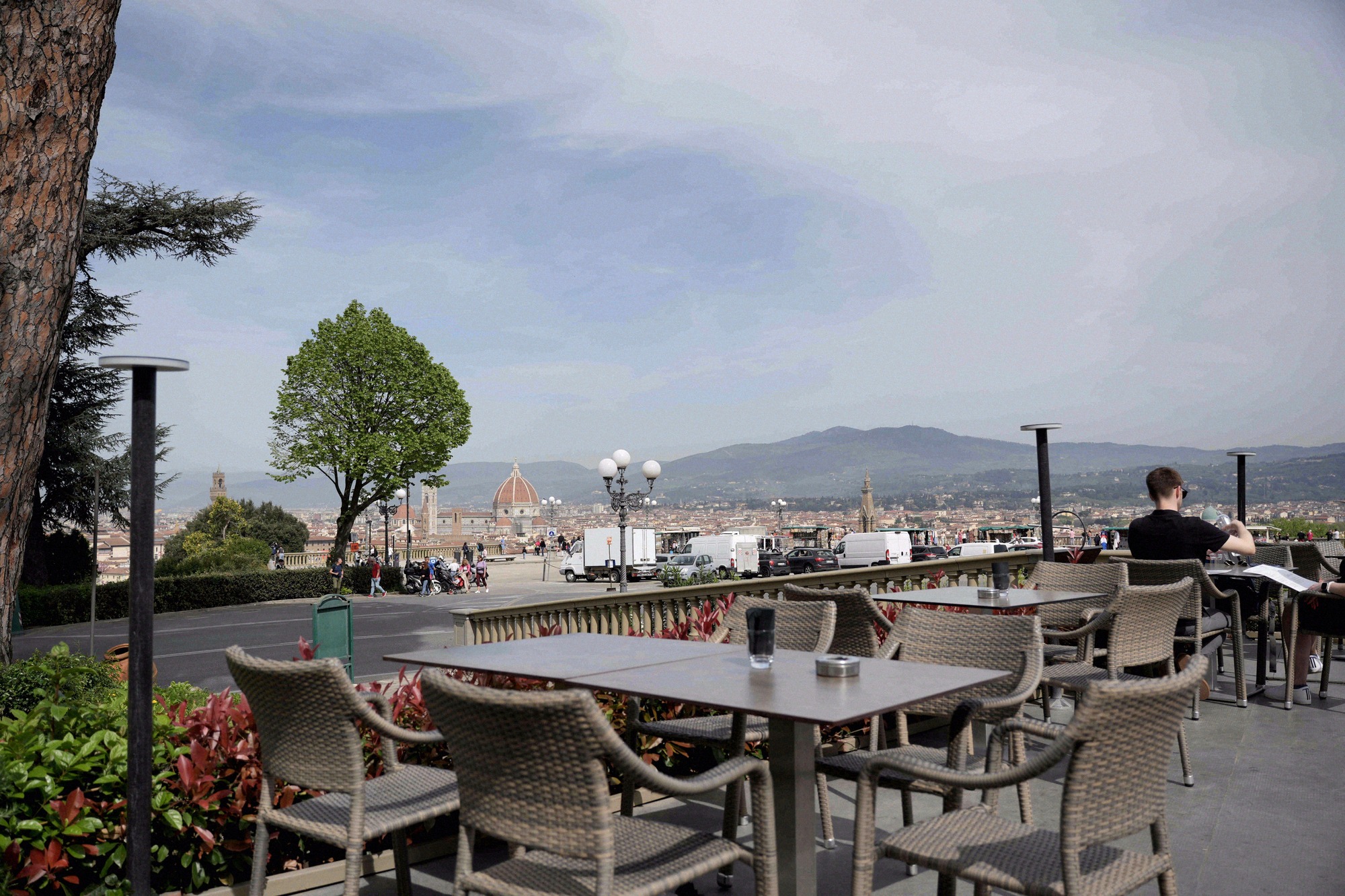
Piazzale Michelangelo is the city's most famous viewpoint, a wide terrace on a hill above the south bank of the Arno. From here the classic panorama of Florence opens up: the brick-red dome of the Duomo, the tower of Palazzo Vecchio, the bridges over the Arno including the Ponte Vecchio, and the Tuscan hills beyond. Unlike a viewpoint that simply developed over time, this square was deliberately designed as a stage set, one large balcony from which the city can be taken in like a map.
History and design
The square was built as part of the Risanamento, the major urban redevelopment carried out in the years when Florence was the capital of Italy. It was designed by the architect Giuseppe Poggi, who planned it from 1869; the works were finished in 1875. Poggi also laid out the Viale dei Colli, the sweeping scenic roads that converge here and open up the hillside.
The whole square was conceived as a monument to Michelangelo. The neoclassical loggia on its edge was originally meant to house a museum of Michelangelo's statues, a plan that was never realised. Today the loggia holds a panorama restaurant instead.
The Michelangelo monument
At the centre of the square stands the Monumento a Michelangelo, a bronze copy of Michelangelo's David. At its base stand four further bronze copies: the allegories of Day, Night, Dusk and Dawn from the Medici Chapels at San Lorenzo. The bronzes were cast by the sculptor and founder Clemente Papi; the bronze David was hauled up on ox carts and installed on its pedestal on 13 September 1875.
All of these are copies, the original marble David (around 5.17 metres tall) stands in the Accademia Gallery, and the original allegories are in the Medici Chapels. The David on the Piazzale is really part of the backdrop rather than the main attraction: people come here for the view.
Sunset and San Miniato
The square is at its most atmospheric at sunset, when the warm light sets the facades and the Duomo's dome aglow. It gets correspondingly busy, many visitors arrive up to an hour early to claim a spot at the balustrade. For a clear view and some quiet, come early morning; at night the square is lit up and noticeably less crowded.
Just a few minutes' walk further up, it's worth visiting the Romanesque church of San Miniato al Monte, a short climb of about five to ten minutes. From its forecourt you get almost the same view, only quieter, and the interior, with its marble facade and crypt, ranks among the finest Romanesque buildings in Tuscany.
Visiting: the practicalities
30 to 60 minutes is enough for the square itself, longer only if you wait for sunset or add on San Miniato. Two routes lead up the hill:
- On foot up the ramps and steps from the San Niccolò neighbourhood on the south bank, a steep but rewarding climb of a good 15 to 20 minutes.
- By bus: ATAF's circular lines 12 and 13 climb the hill in opposite directions and both stop at the Piazzale, roughly every 15 to 20 minutes during the day. Line 12 comes up from Santa Maria Novella railway station, while line 13 is easiest to pick up near the city centre close to Ponte alle Grazie. Taking the Viale Michelangelo road avoids the steep flight of steps, the terrace itself is level.
The square is considered safe during the day; as at any busy tourist spot, it's worth staying alert for pickpockets, especially in the crowds at sunset. There's no officially documented public toilet on the square itself; kiosks, café stands and the restaurant in the loggia are on hand nearby.
The Piazzale combines well with a day in the Oltrarno: from here you can head down via San Niccolò to the Bardini Garden and the Boboli Gardens behind the Palazzo Pitti. For where the viewpoint fits into a must-see itinerary, see the overview of Florence's attractions.
Frequently asked questions
How much does it cost to visit Piazzale Michelangelo? +
How do you get to Piazzale Michelangelo? +
What's the best time for the photo? +
Is the walk up to San Miniato al Monte worth it? +
Nearby
San Miniato al Monte
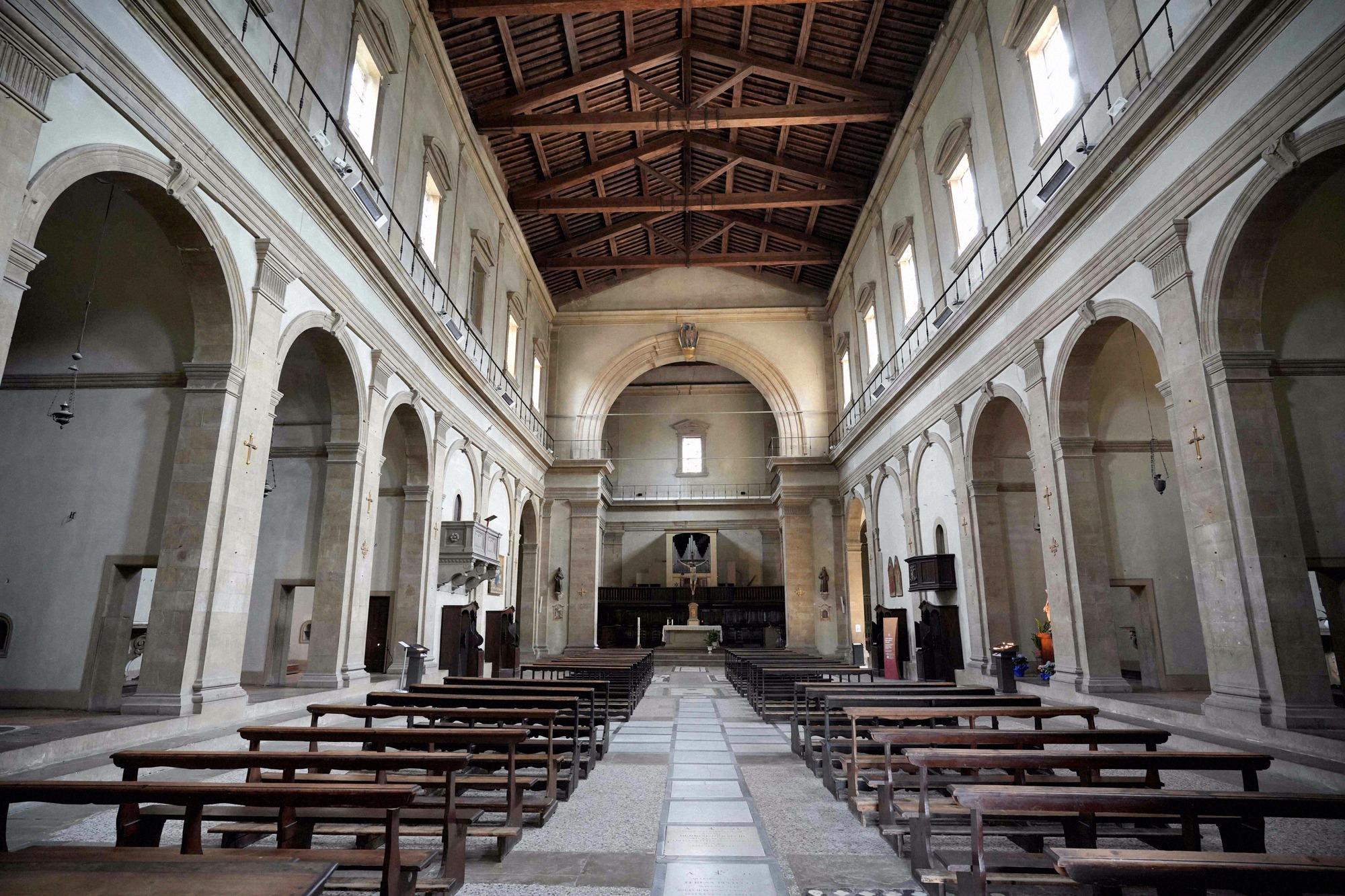
The Romanesque hilltop church above Piazzale Michelangelo is one of Italy's finest, with a marble facade, golden apse mosaic and daily Gregorian vespers.
Santa Croce
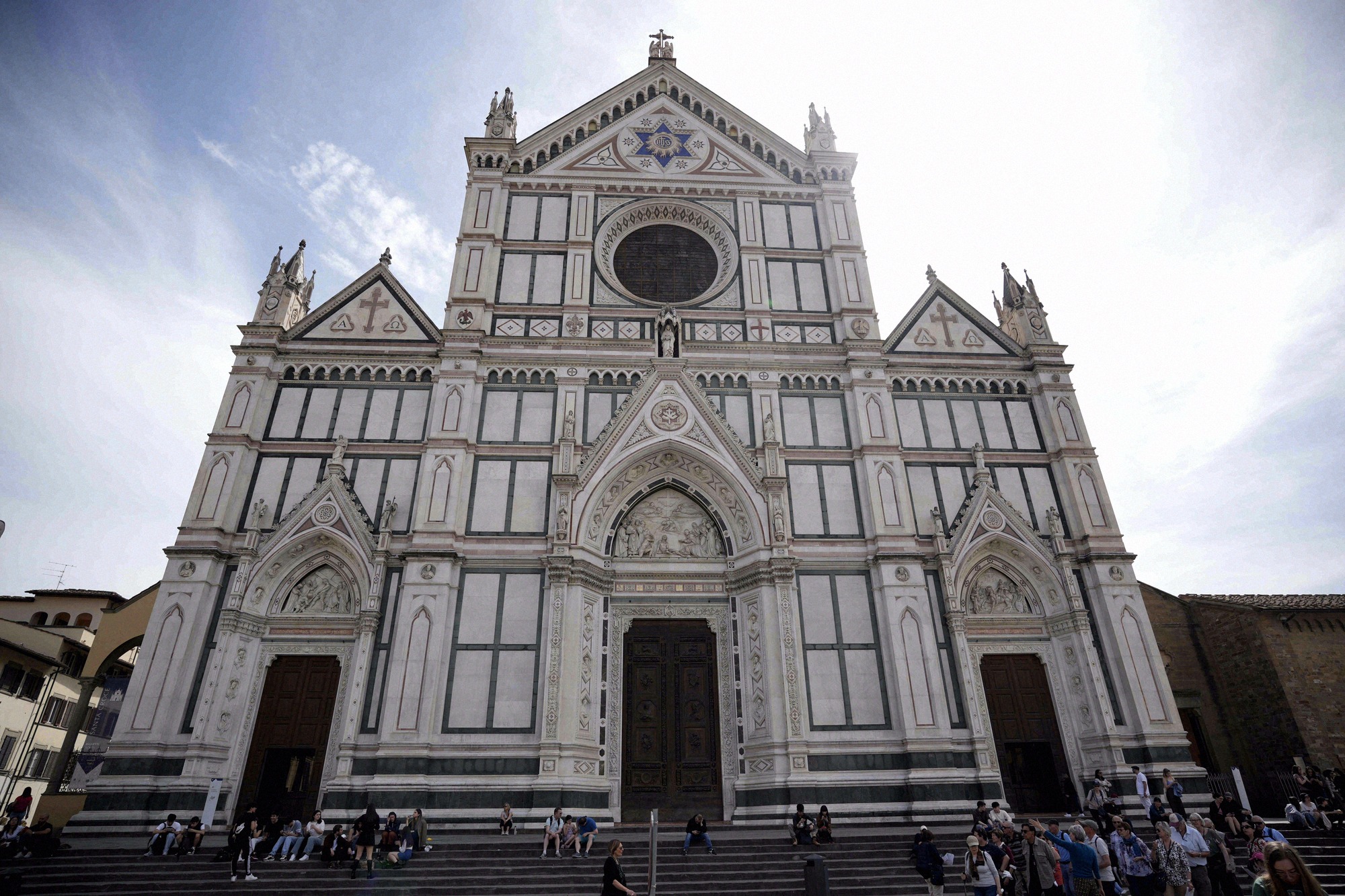
The Basilica di Santa Croce is the largest Franciscan church in the world. Florence's hall of fame holds the tombs of Michelangelo, Galileo and Machiavelli.
Giardino Bardini
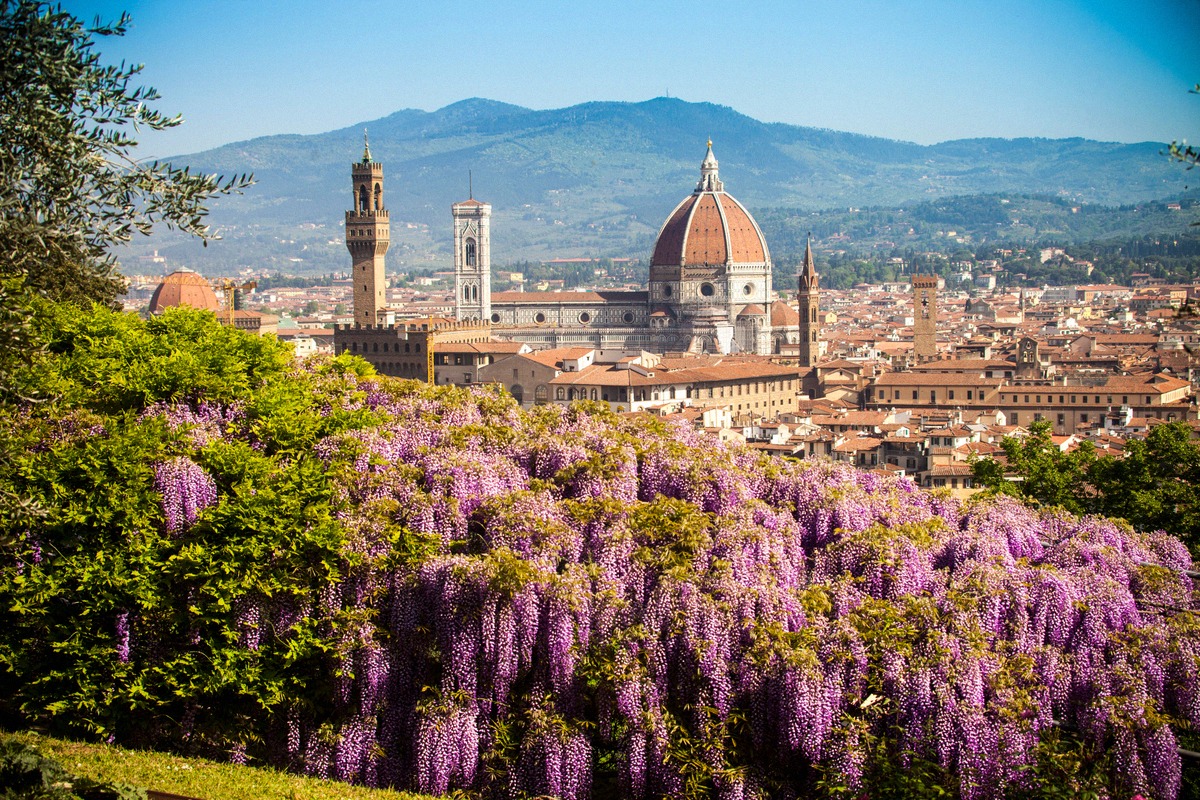
This quiet terraced garden in the Oltrarno combines a Baroque staircase, the famous wisteria pergola and one of Florence's finest, most relaxed rooftop views.
Museo Galileo
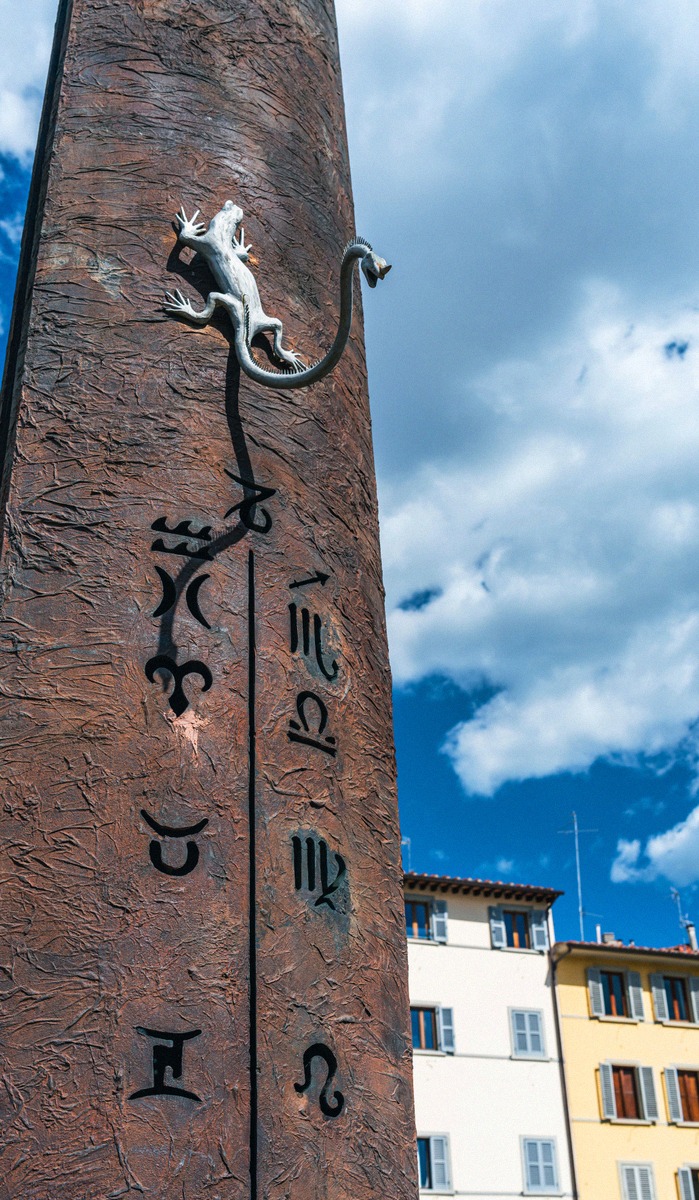
Right on the Arno behind the Uffizi, this science museum displays over 1000 historic instruments, ornate globes and Galileo's only two surviving telescopes.
Palazzo Vecchio
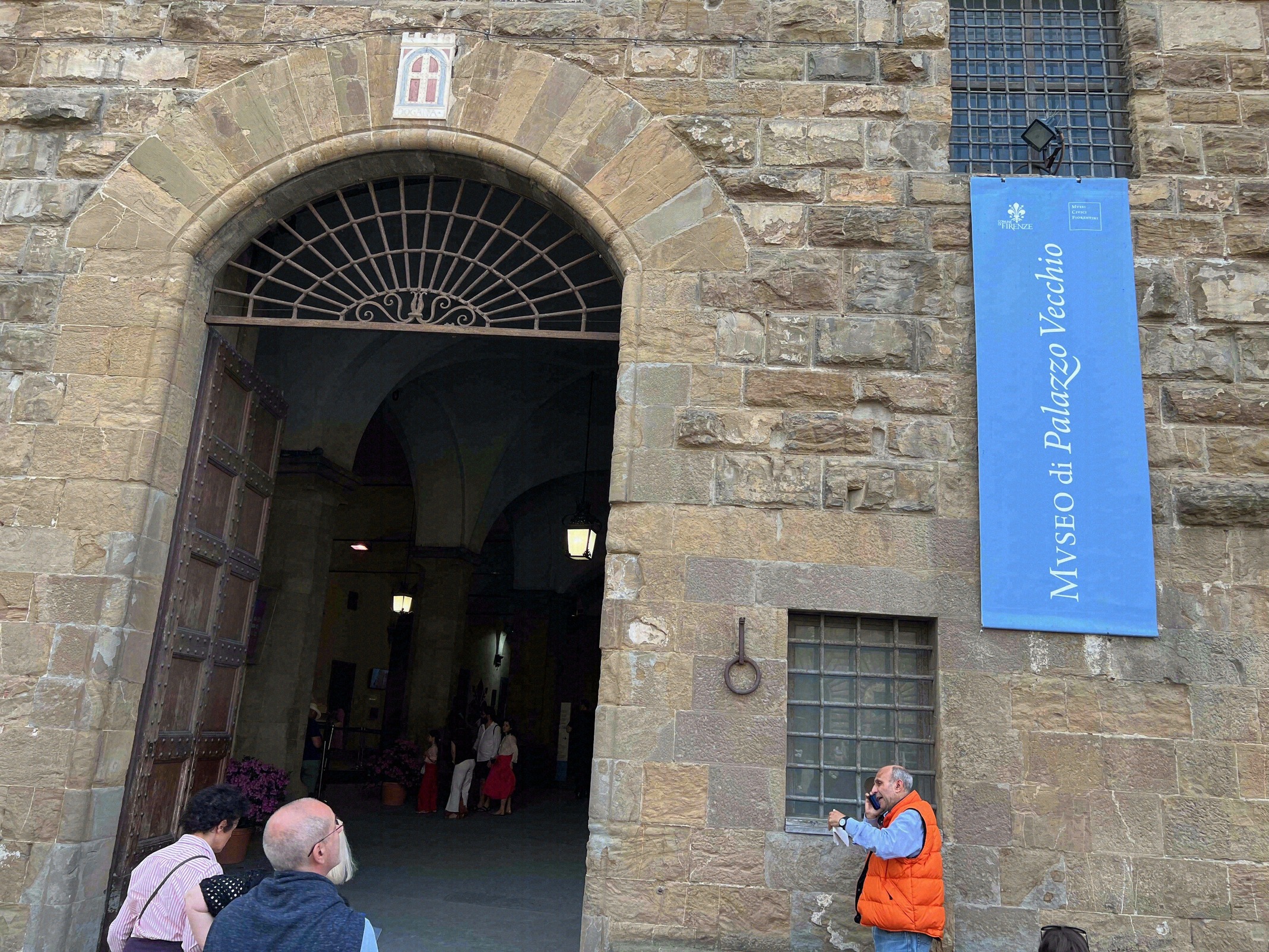
Palazzo Vecchio on Piazza della Signoria has been Florence's town hall since the 14th century, home to the Hall of the Five Hundred and the Torre di Arnolfo.
Uffizi Gallery
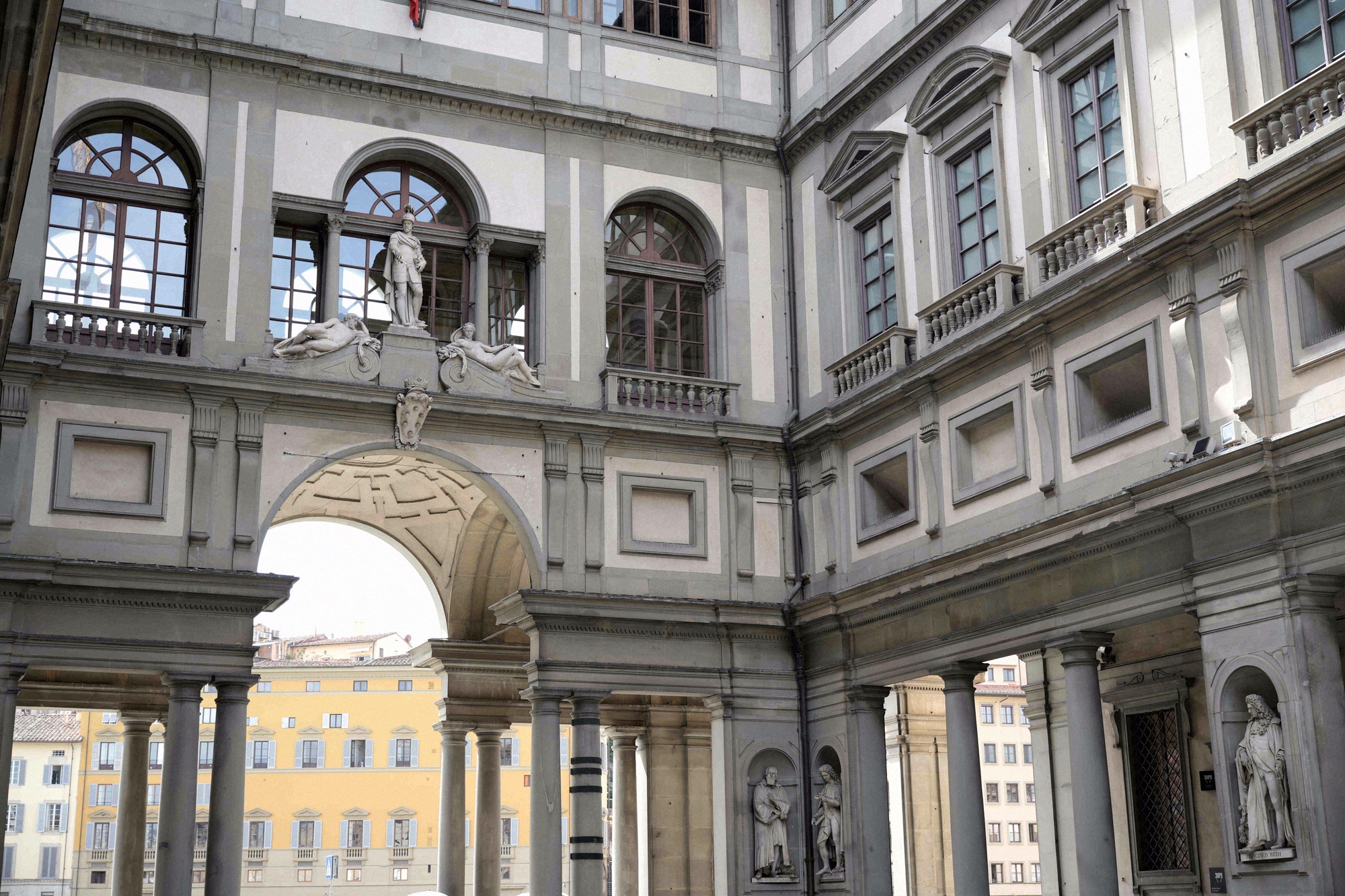
The Uffizi Gallery holds the world's finest Renaissance collection - Botticelli, Leonardo, Raphael, Caravaggio. Book a timed-entry ticket in advance.