
Giardino Bardini
Terraced garden in the Oltrarno with city views
This quiet terraced garden in the Oltrarno combines a Baroque staircase, the famous wisteria pergola and one of Florence's finest, most relaxed rooftop views.
Contents
A quiet garden above the Oltrarno
The Giardino Bardini is the lesser-known of the two great terraced gardens in the Oltrarno, the calm counterpart to the neighbouring Giardino di Boboli. Where Boboli is busy even in the off-season, the Bardini garden usually stays relaxed: a historic hillside garden below the Forte Belvedere that brings together a Baroque staircase, an English woodland garden and a kitchen garden in a compact space, with the upper terraces opening onto a wide view across the city.
It takes its name from the antiques dealer Stefano Bardini, who acquired the estate in the early 20th century and filled it eclectically with statues and fountains. Today the villa and garden are run by the Fondazione Parco Bardini e Peyron and have their own website, so the garden is more than just an appendix to the Boboli museum.
A history spanning several centuries
The garden has grown over centuries, and it shows. The key stages:
- Its origins go back to the 13th century, when the land belonged to the Mozzi family.
- In the 17th century, the Capponi family redesigned the garden in Baroque style, the monumental hillside staircase dates from this period.
- In the early 20th century, Stefano Bardini bought the estate and, in the spirit of an antiques dealer, added antique sculptures, fountains and decorative elements.
The result is not a single, unified design but a juxtaposition of three worlds: the formal Baroque axis, the informal English woodland garden, and a rustic Tuscan section with fruit and vegetables.
The wisteria pergola
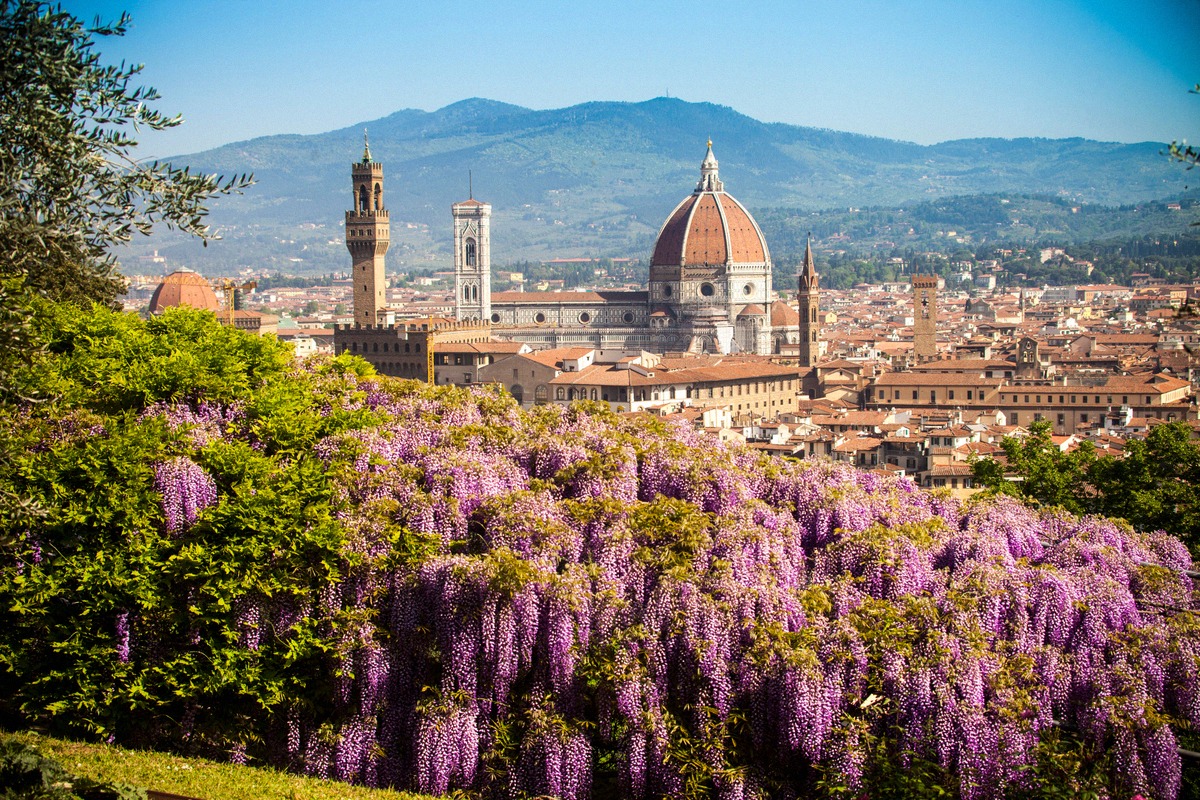
The garden's best-known feature is the wisteria pergola: a tunnel around 70 metres long and a good 4.6 metres wide, trained from several varieties, including Wisteria floribunda, 'Black Dragon', 'Royal Purple', 'Showa Beni' and Wisteria sinensis 'Prolific', into a continuous flowering walkway.
The bloom, however, is a narrow window: the first clusters appear from late March to early April, the peak falls in April, and full splendour lasts only around ten days. Anyone travelling specifically to see it needs good timing. The foundation runs an official 24-hour live webcam at villabardini.it, which lets you track the state of the bloom before you travel. Outside this window the garden still rewards a visit, just for the staircase, terraces and views rather than the pergola.
What to expect
From the entrance, the Baroque staircase climbs the hillside in switchbacks, with the view opening up further at each terrace. At the top, the belvedere and the café loggia La Loggetta offer one of the finest and quietest views over Florence, the rooftops, the Arno and the cathedral dome all in frame, without the crowds at Piazzale Michelangelo.
For a break, there's the panoramic café-bar La Loggetta (seasonal, roughly March to November) and the restaurant La Leggenda dei Frati. On Thursdays in summer, the exhibition, garden and cocktail bar stay open until 21:00, a quiet spot for early evening. The villa itself also hosts changing exhibitions, which can be combined with a garden visit via a combined ticket.
Visiting & practical information
One to one and a half hours are enough for a relaxed visit. The most pleasant time to go is in the morning, while the staircase is still in shade; the busiest period is the wisteria bloom from late March to April.
For opening hours, it's worth checking the season: in winter (until 28 February 2026) the garden is open daily from 10:00 to 16:00, and in the high season (1 April to 30 September) until 19:30. Last entry is an hour before closing, and the ticket office also closes an hour before closing time. Contrary to what's often assumed, it isn't closed every Monday, only on the first and last Monday of each month. For the transitional months, check the current hours at villabardini.it.
On tickets: the garden alone costs €10 (reduced €5), the combined ticket with the exhibition €15. Anyone who already holds a regular Boboli garden ticket or the combined Palazzo Pitti and Boboli ticket from the Uffizi Gallery can also enter the Bardini garden with it. There is also a separate Uffizi combined Boboli and Bardini ticket (€15, reduced €4), but this is only available on site at the Uffizi or Boboli ticket offices, with no online purchase and no skip-the-line access. Admission is free for, among others, EU citizens under 18, children under 6, and visitors with disabilities plus one companion.
The main entrance is at Costa San Giorgio 2, with a second entrance at Via dei Bardi 1 rosso, both in the Oltrarno near the Ponte Vecchio. If arriving by car, the best option is to navigate to Forte Belvedere, where parking is free, and walk the short distance down. A step-free ramp is located at Costa San Giorgio 4. For general enquiries, the foundation can be reached on +39 334 6824744 (daily 10:00-17:00); for more on getting around, see the public transport guide.
The Bardini garden pairs well with the neighbouring Giardino di Boboli and Palazzo Pitti; from here it's also a short climb up to the quiet hillside neighbourhood of San Niccolò and on to Piazzale Michelangelo. Gardens, palace and views together make for a full day out in the Oltrarno.
Frequently asked questions
Why is the Giardino Bardini worth visiting? +
When does the wisteria bloom in the Bardini garden? +
How much does admission cost, and is it included in the Boboli ticket? +
Is the view as good as from Piazzale Michelangelo? +
How do I get to the Giardino Bardini? +
Nearby
Museo Galileo
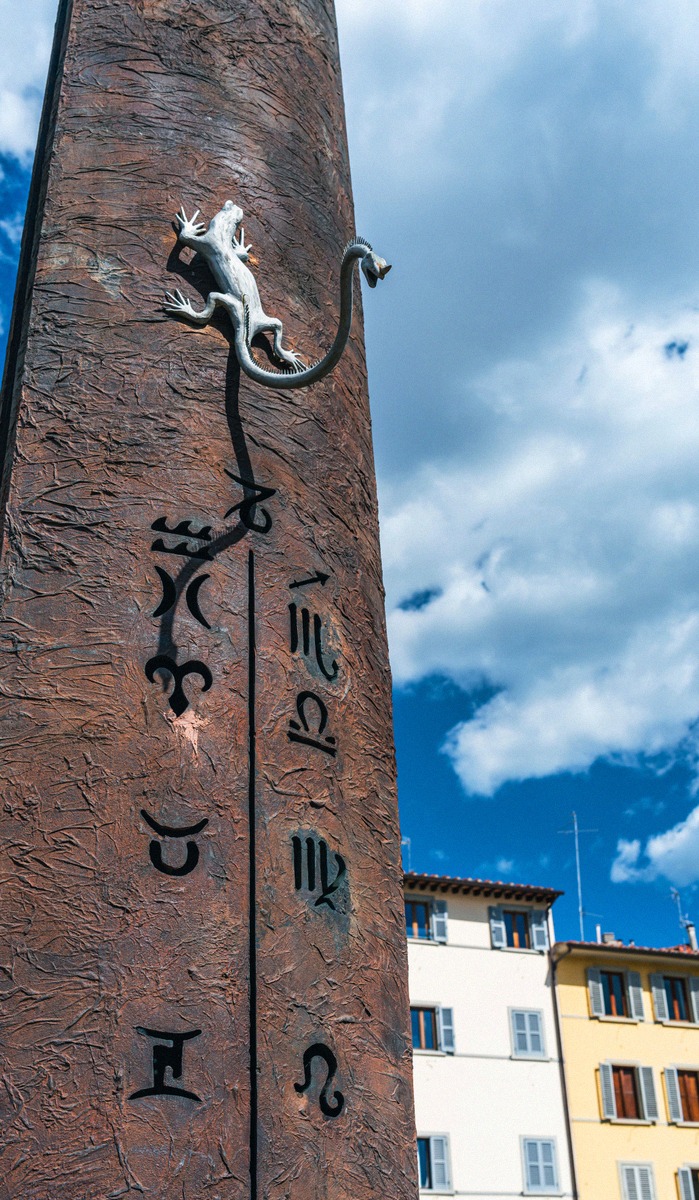
Right on the Arno behind the Uffizi, this science museum displays over 1000 historic instruments, ornate globes and Galileo's only two surviving telescopes.
Uffizi Gallery
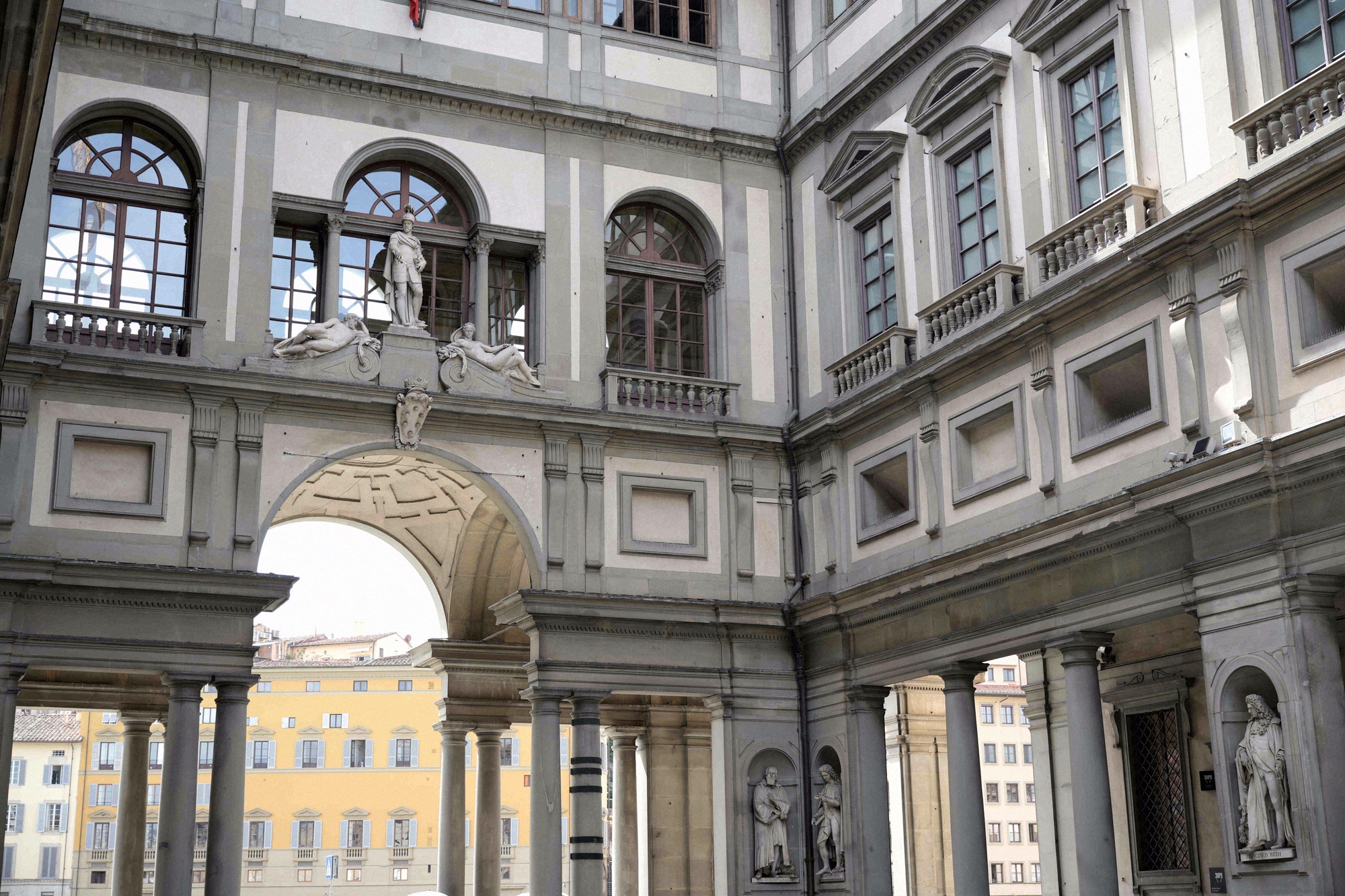
The Uffizi Gallery holds the world's finest Renaissance collection - Botticelli, Leonardo, Raphael, Caravaggio. Book a timed-entry ticket in advance.
Ponte Vecchio
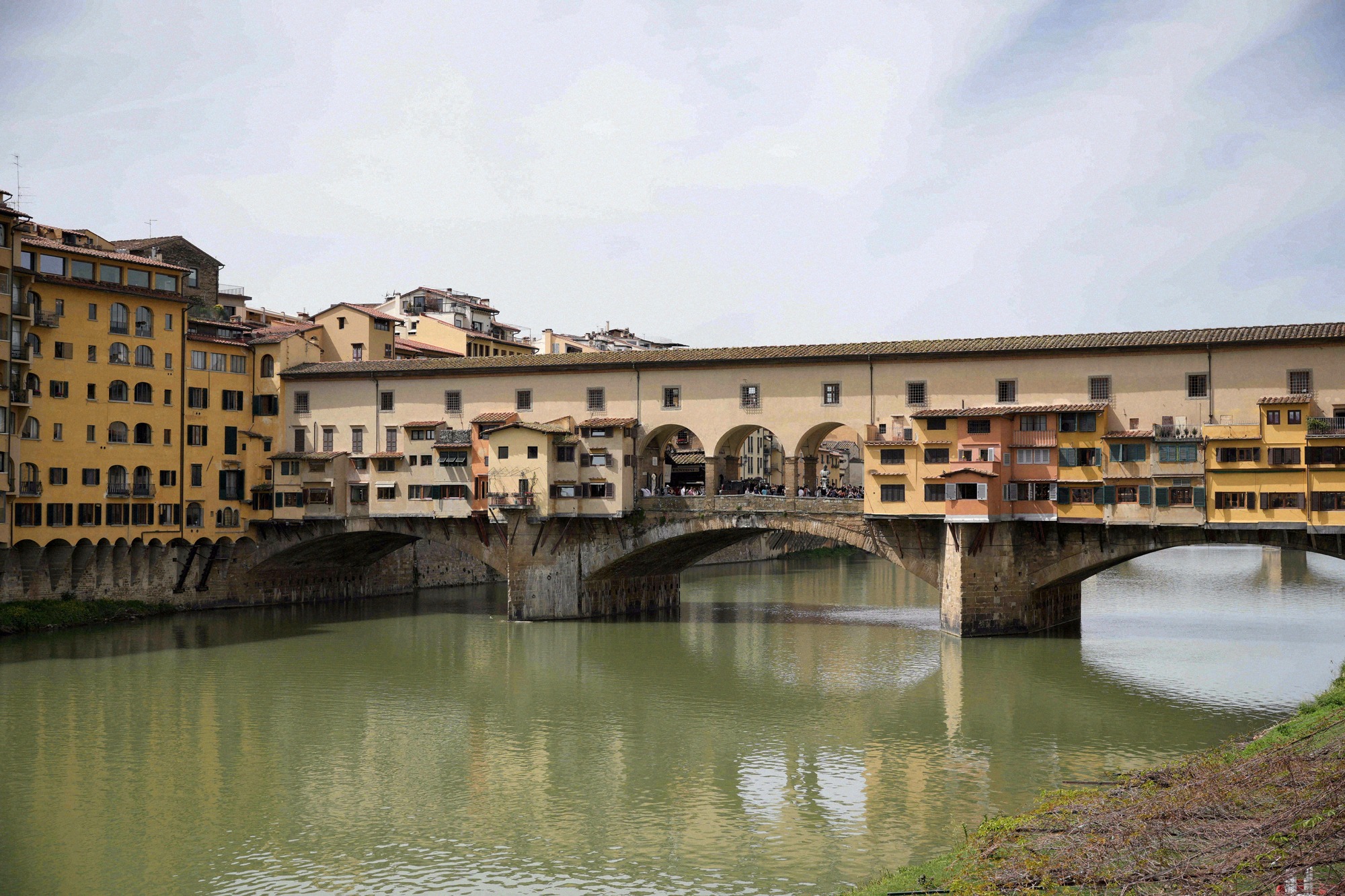
The Ponte Vecchio is Florence's oldest bridge, still lined with small goldsmiths' shops since 1593, with the reopened Vasari Corridor running above the Arno.
Palazzo Pitti
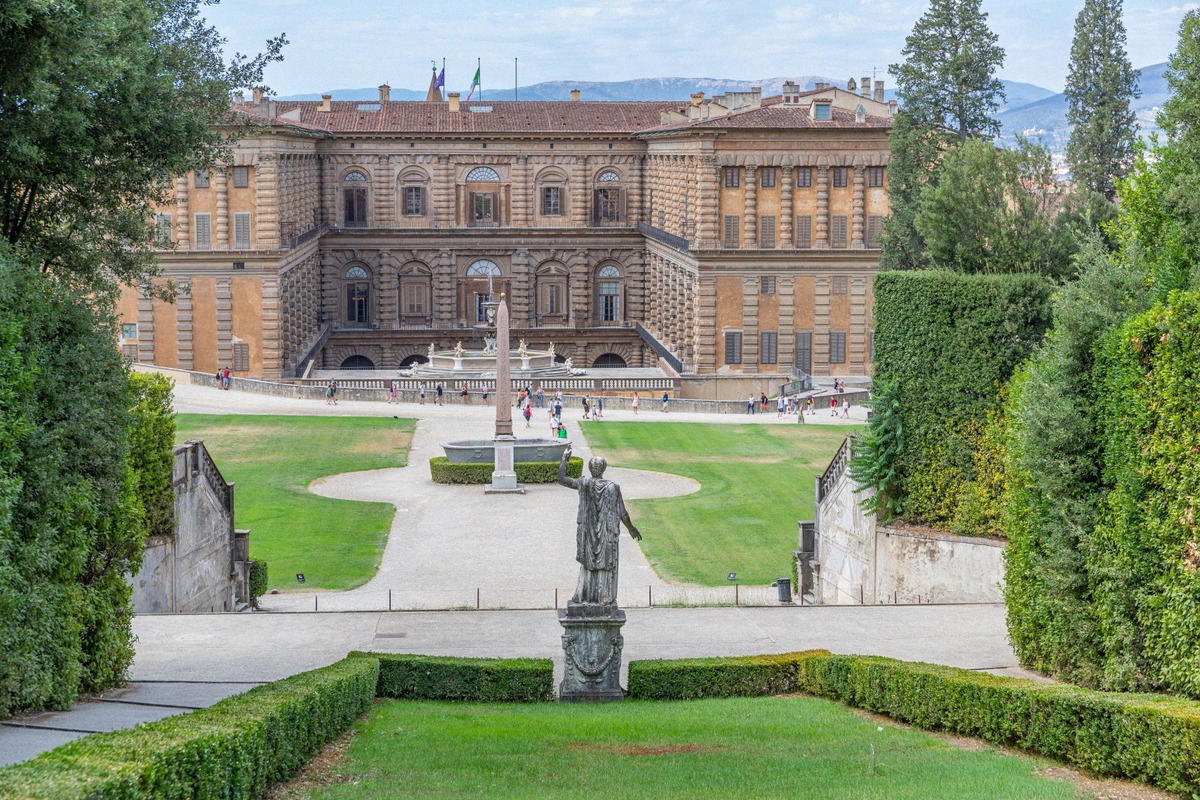
The Medici family's vast Renaissance palace in the Oltrarno now houses seven museums under one roof, led by the Galleria Palatina and its world-leading Raphael collection.
Palazzo Vecchio
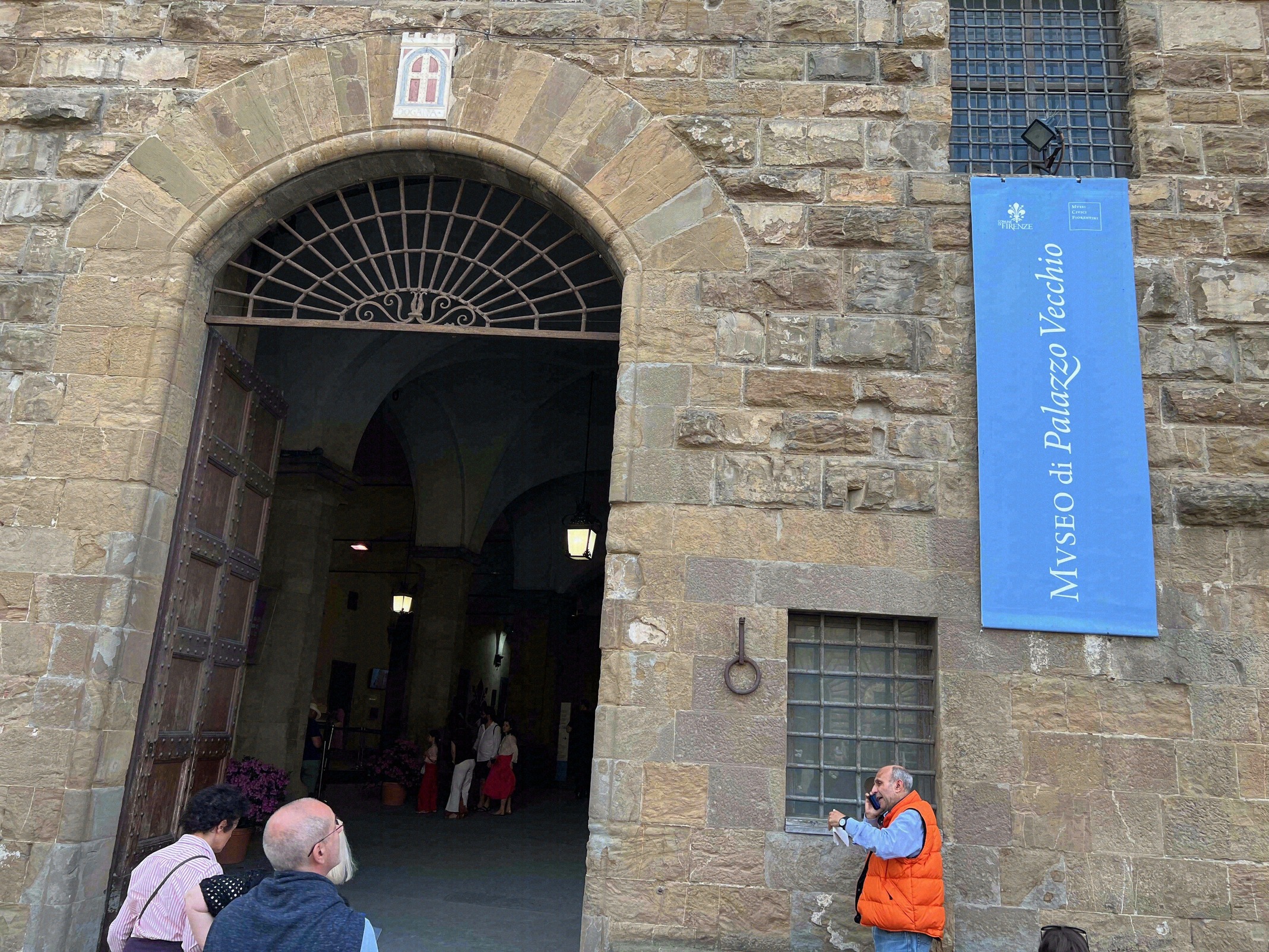
Palazzo Vecchio on Piazza della Signoria has been Florence's town hall since the 14th century, home to the Hall of the Five Hundred and the Torre di Arnolfo.
Piazza della Signoria
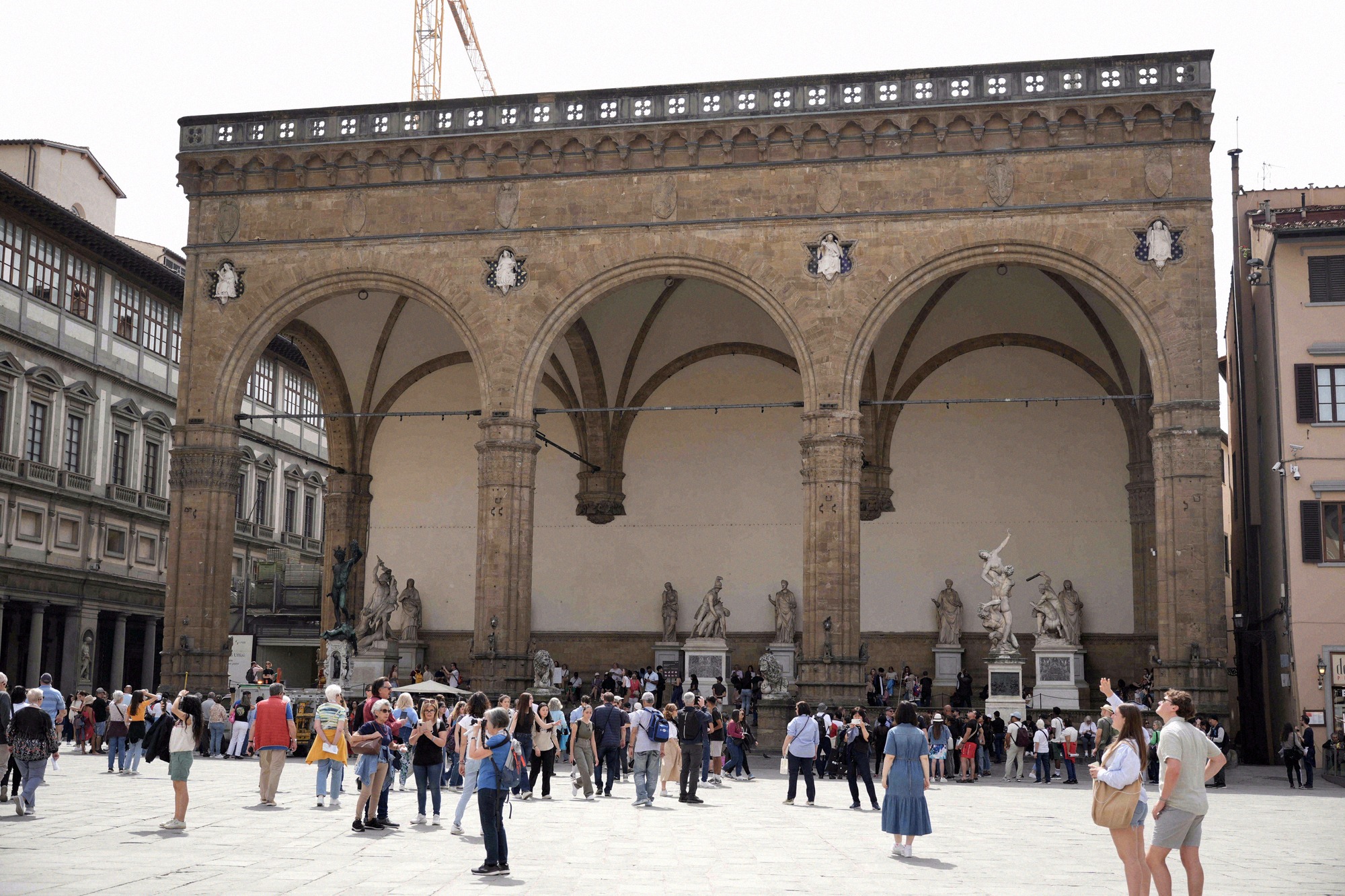
Florence's political square is a free open-air museum in front of the Palazzo Vecchio, with the Neptune Fountain, a copy of David and Renaissance sculpture in the Loggia dei Lanzi.