
With audio guide
Boboli Gardens with audio guide
Reserved entry to the Boboli Gardens, plus the Bardini Garden and a digital audio guide to Florence.
4.1 (1,110) · Tiqets
From €18
Book TicketMedici garden behind the Palazzo Pitti
The Boboli Gardens behind the Palazzo Pitti are a textbook Renaissance garden, terraces, statues, grottoes and open views over the rooftops of Florence.
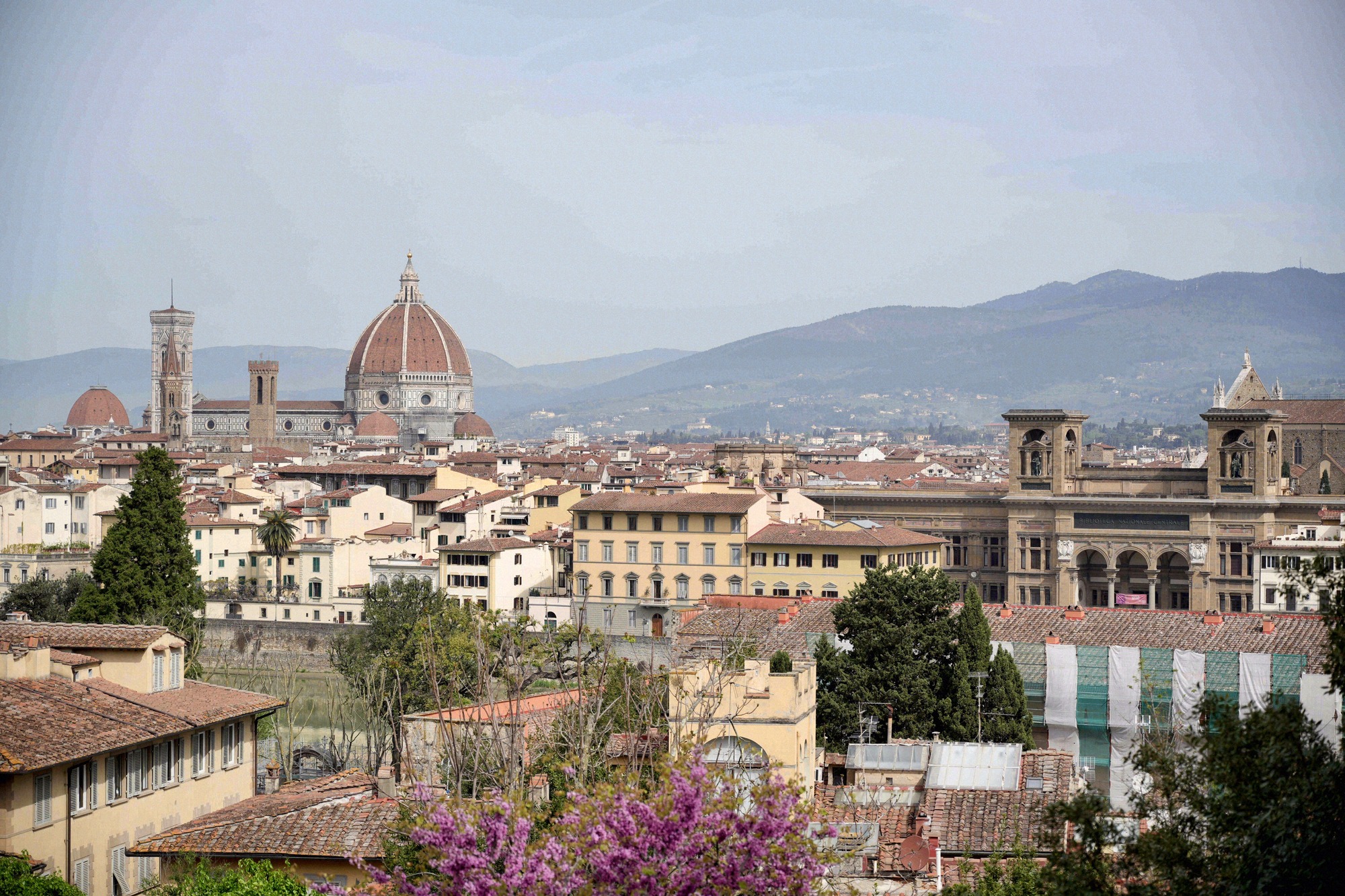
Tickets
With audio guide
Reserved entry to the Boboli Gardens, plus the Bardini Garden and a digital audio guide to Florence.
4.1 (1,110) · Tiqets
From €18
Book TicketThe Giardino di Boboli (Boboli Gardens) is the sprawling garden behind the Palazzo Pitti and one of the finest examples of the Italian Renaissance garden. From the 16th century onward, the Medici had it laid out behind their new residence; over generations it grew into an open-air museum of clipped hedges, antique and Mannerist statues, grottoes and fountains, and became the model for gardens from Versailles to Vienna. Rather than flowerbeds, what defines it is the strict geometry of its axes and the interplay of evergreen box, holm oak and marble, a garden that reads like architecture.
The garden climbs in terraces up the hill behind the palace, and its paths follow two main axes. The key stops:
The Museo delle Porcellane (Porcelain Museum) in the upper part of the garden is closed for restoration work as of 2026, until further notice, the garden itself remains open as usual.
Boboli can be visited on a single ticket for €10 (€13 online in advance); the combined ticket with the Palazzo Pitti is not compulsory. If you want to see both the palace and the garden, the combined ticket costs €22 (€25 in advance), is valid for one day and also includes the neighbouring Giardino Bardini. Reduced tickets cost €3, and entry is free on the first Sunday of each month.
There are several entrances: the main entrance via the Palazzo Pitti, the Annalena entrance on Via Romana, the Forte di Belvedere and the Porta Romana to the south. Tickets and current information run through the Gallerie degli Uffizi, who manage the garden.
Allow one to two hours for a relaxed walk; the garden is large but easy to find your way around. The most pleasant time to visit is shortly after opening at 8:15 and in spring, before the sun has heated up the open terraces. In high summer, it pays to arrive early, avoid the midday heat and bring water, there are drinking fountains in four areas of the garden, plus toilets in several spots and a free cloakroom. There is no proper café in the gardens.
Keep the season in mind for closing times: the garden opens year-round at 8:15 but closes anywhere between 16:30 in winter and 19:10 in high summer, with last entry always an hour before that. It is closed on the first and last Monday of each month and on 25 December.
If you need step-free access, plan around the terrain: there are two accessible entrances, but the garden can only be visited with a companion, the ground is mostly clay and gravel, and slopes and gradients alternate almost throughout.
Boboli pairs well with the Palazzo Pitti and the terraced Giardino Bardini, which offers even more of a view; from there it is a short climb up to the hillside church of San Niccolò and Piazzale Michelangelo. Together, garden, palace and view make for a full day out in the Oltrarno.
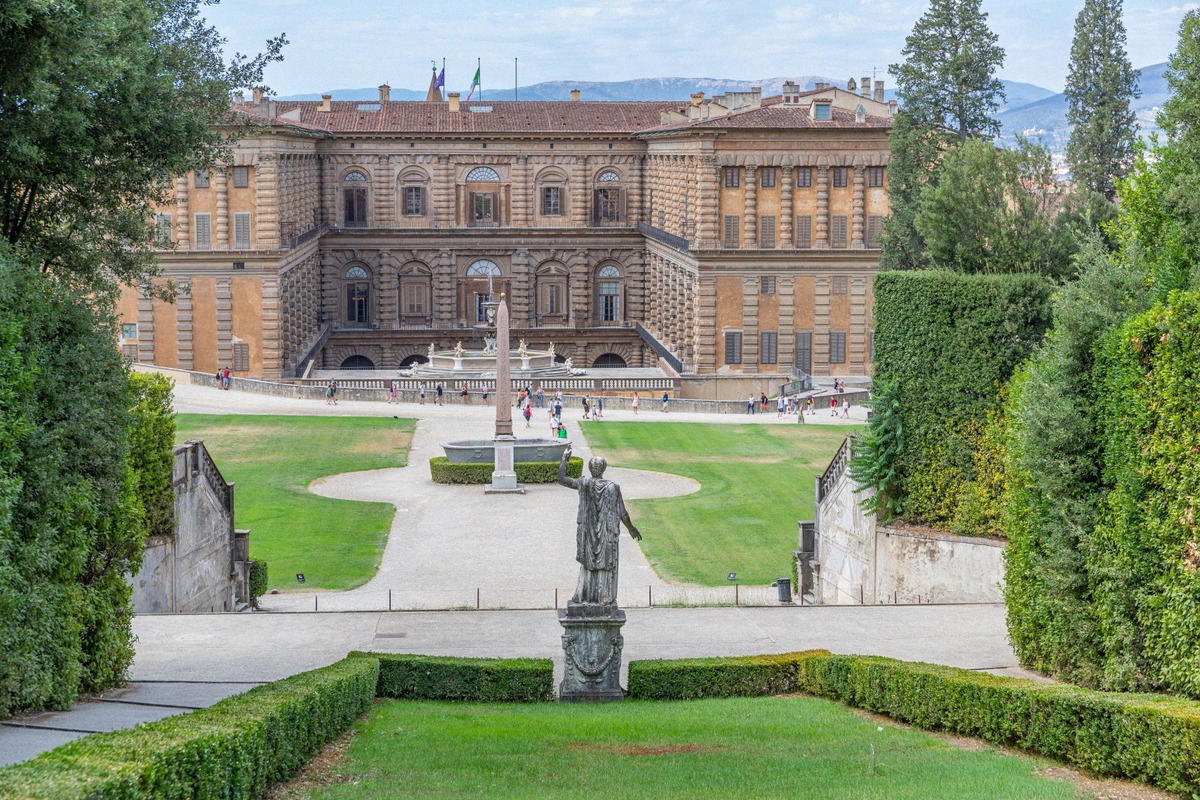
The Medici family's vast Renaissance palace in the Oltrarno now houses seven museums under one roof, led by the Galleria Palatina and its world-leading Raphael collection.
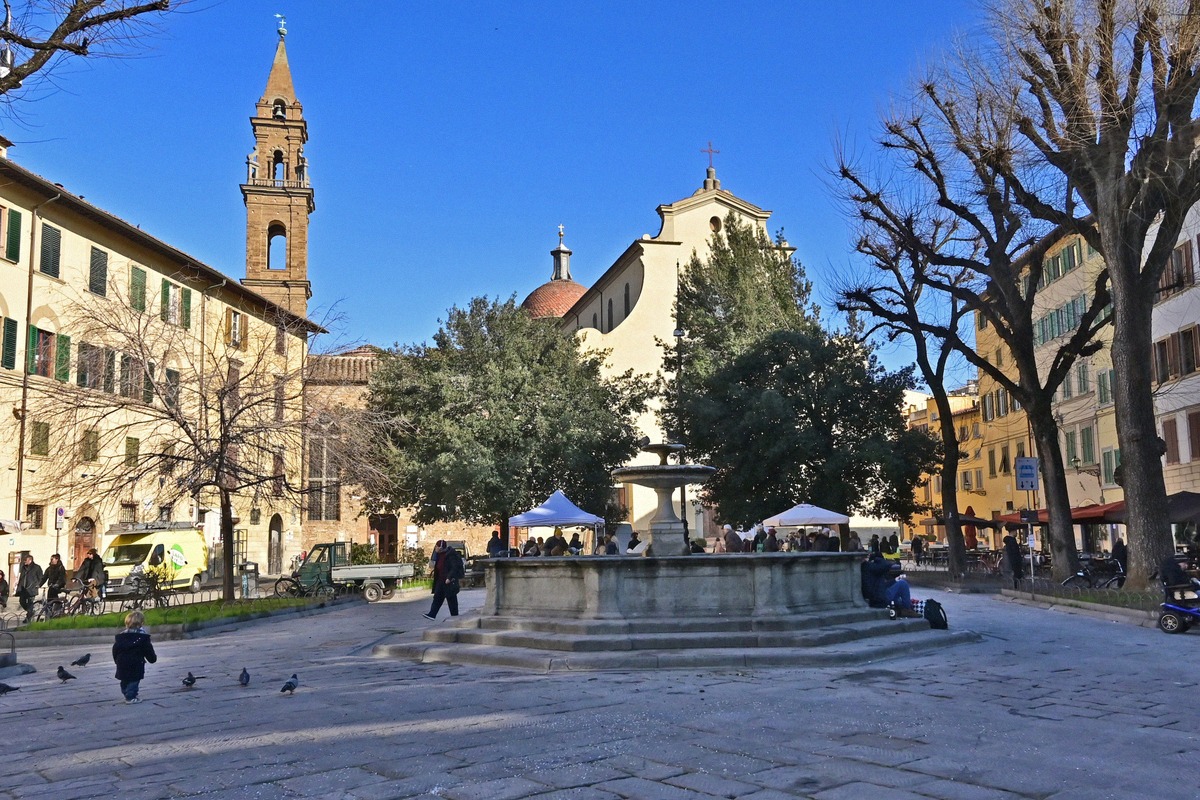
The relaxed heart of Florence's artisan quarter, built around an octagonal fountain, a neighbourhood market by day, a gathering spot by night, plus a Michelangelo crucifix inside the basilica.
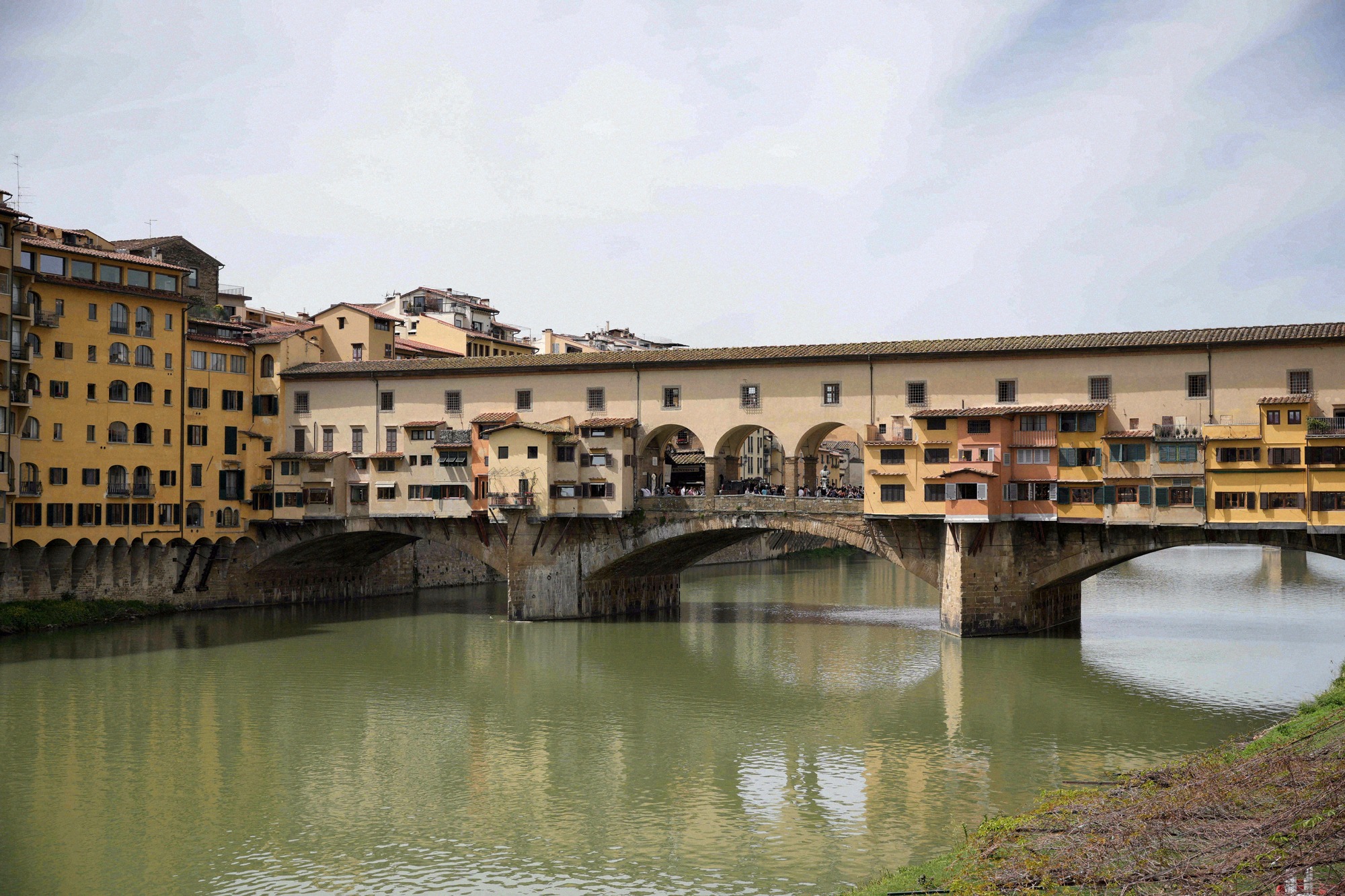
The Ponte Vecchio is Florence's oldest bridge, still lined with small goldsmiths' shops since 1593, with the reopened Vasari Corridor running above the Arno.
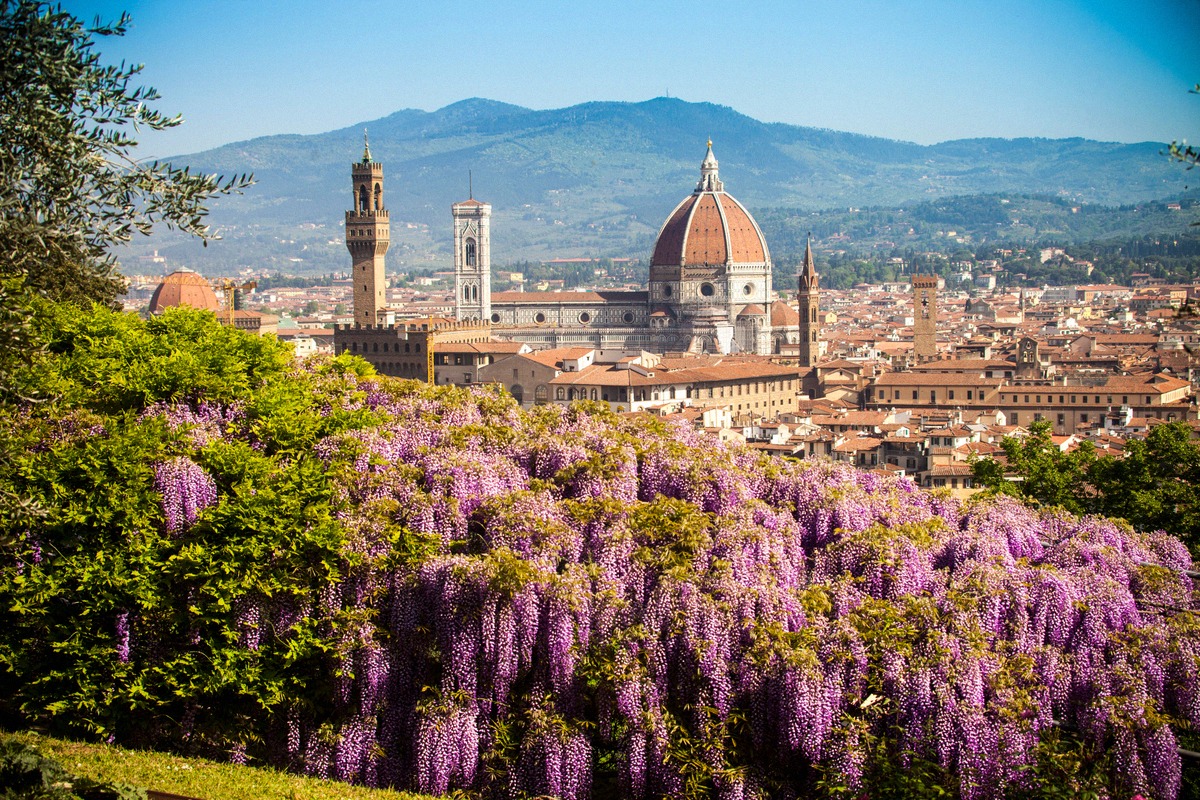
This quiet terraced garden in the Oltrarno combines a Baroque staircase, the famous wisteria pergola and one of Florence's finest, most relaxed rooftop views.
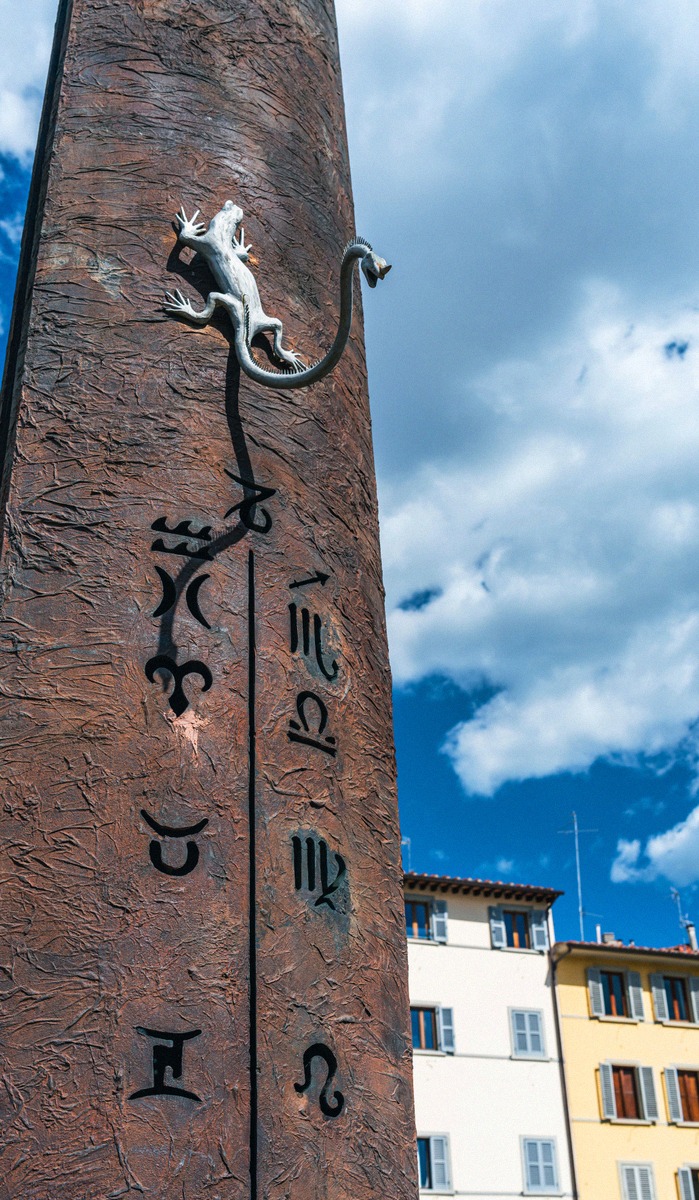
Right on the Arno behind the Uffizi, this science museum displays over 1000 historic instruments, ornate globes and Galileo's only two surviving telescopes.
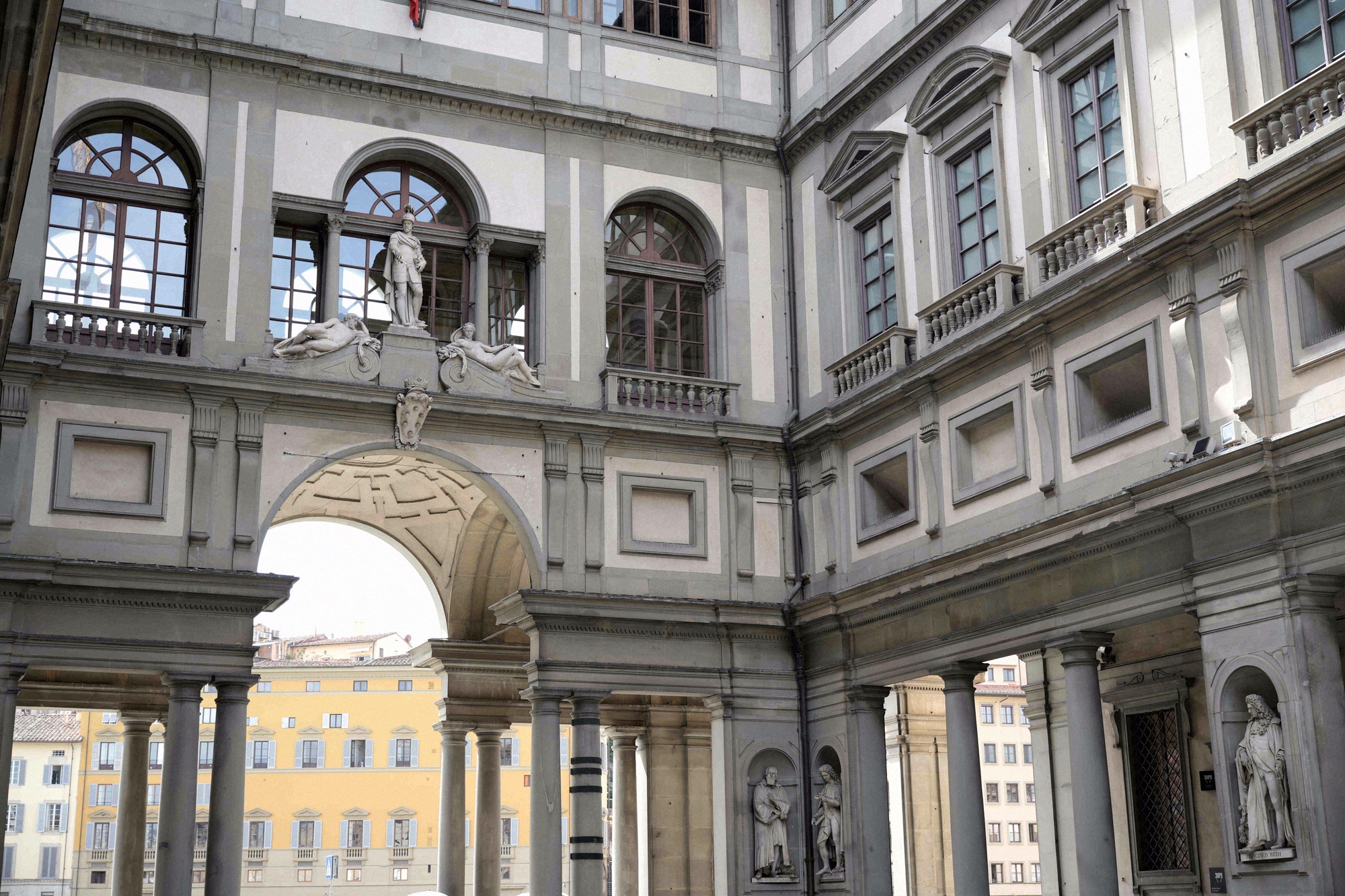
The Uffizi Gallery holds the world's finest Renaissance collection - Botticelli, Leonardo, Raphael, Caravaggio. Book a timed-entry ticket in advance.