
Piazza di Santo Spirito
The lively heart of the Oltrarno, with Brunelleschi's basilica
The relaxed heart of Florence's artisan quarter, built around an octagonal fountain, a neighbourhood market by day, a gathering spot by night, plus a Michelangelo crucifix inside the basilica.
Contents
The heart of the Oltrarno
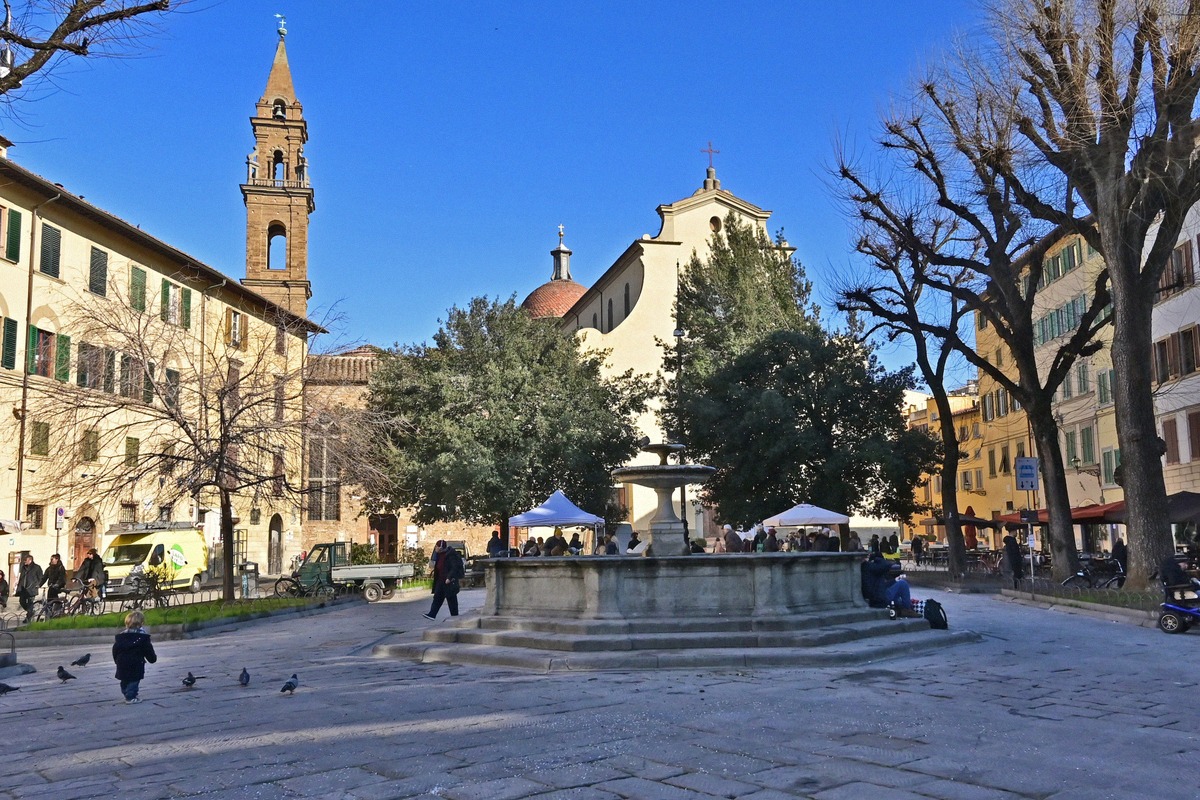
The Piazza di Santo Spirito is the lively centre of the Oltrarno, the artisan and artists' quarter south of the Arno. Unlike the busy axis that runs from the Duomo through Piazza della Signoria to the Ponte Vecchio, this square has stayed relaxed and unhurried. Under a canopy of trees, roughly ten cafés, trattorias and bars line the edges; an octagonal fountain bubbles at the centre. Guidebooks like to describe the square as a historic meeting point for artists and intellectuals, often drawing a comparison to Paris's Left Bank, here you'll see more locals and students than tour groups.
Brunelleschi's basilica
Above the square rises the Basilica di Santo Spirito, its plain, unadorned plaster façade looking almost unfinished. The interior is one of Filippo Brunelleschi's clearest works: a tightly rhythmic space where a row of grey pietra serena columns leads the eye through the aisles and around the entire building, related to the architectural language he developed at the Basilica di San Lorenzo on the other side of the Arno.
The real treasure hangs in the sacristy, built to a design by Giuliano da Sangallo: a wooden crucifix carved by Michelangelo around 1492/93, when he was about eighteen and living at the Santo Spirito monastery. Vasari and Condivi record that, in return, the prior granted him access to the monastery hospital for anatomical study. The work was considered lost for decades; in 1962 art historian Margrit Lisner identified it as an early Michelangelo work on stylistic and documentary grounds, and it returned to the basilica in 2000. The attribution is now considered secure.
Worth knowing for planning: the basilica is closed on Wednesdays, doesn't open until 11:30 on Sundays, and closes over the midday break (13:00 or 13:30 to 15:00). Visits aren't possible during services. Entry is free according to the official information.
The fountain and its markets
At the centre of the square stands an octagonal fountain in pietra serena. The court architect Giuseppe Del Rosso had it moved here in 1812 from the monastery's first cloister and assembled from older monastic elements traditionally attributed to Ferdinando Tacca; an earlier fountain had already stood on the site since 1556. The fountain is now the focal point of square life, people sit around its rim by day and by night alike.
The square is also defined by its markets:
- Weekday mornings (Mon-Sat) bring a small neighbourhood market (mercato rionale) selling food and everyday goods; exact hours aren't officially published.
- Every second Sunday of the month (except July and August), an antiques and craft market with around 80 to 100 stalls, roughly 9:00 to 19:00.
- Every third Sunday, the Fierucolina, an organic farmers' and craft market, roughly 9:00 to 13:00.
What to expect
This isn't a must-see monument but a place to linger, the Renaissance architecture itself takes barely 30 to 60 minutes, and the real draw is the atmosphere. The best time to visit is in the morning, when the market is running and the basilica is open, or in the evening, when the square fills with restaurants, bars and nightspots and becomes one of the liveliest gathering points on the left bank of the Arno. The surrounding streets are lined with the artisan workshops and galleries typical of the Oltrarno, a wander through the quarter is part of the visit. Anyone with limited time in Florence can safely skip it; anyone spending half a day in the Oltrarno should build it in. For more on the district, see the Oltrarno overview, and for the evening scene, the Food & Drink guide.
Visiting & getting there
The piazza sits in the middle of the Oltrarno and is an easy walk: from the Ponte Vecchio via Via Guicciardini and Via Maggio it's about ten minutes, and from Palazzo Pitti via Sdrucciolo de' Pitti just a few minutes (walking times are map estimates). That makes it easy to combine with the palace, the Giardino di Boboli and a walk through the neighbourhood.
By public transport, bus routes C3, C4, C1, 6A, 6B and 370A serve the area; the nearest Santo Spirito stop is about a three-minute walk away. For more on routes and tickets, see the public transport guide. The basilica is cared for by the Augustinian community; current opening hours are posted on the official website basilicasantospirito.it.
Frequently asked questions
What makes Piazza di Santo Spirito special? +
How much does it cost to enter the basilica? +
Is it true there's a work by Michelangelo here? +
When is market day on the piazza? +
Nearby
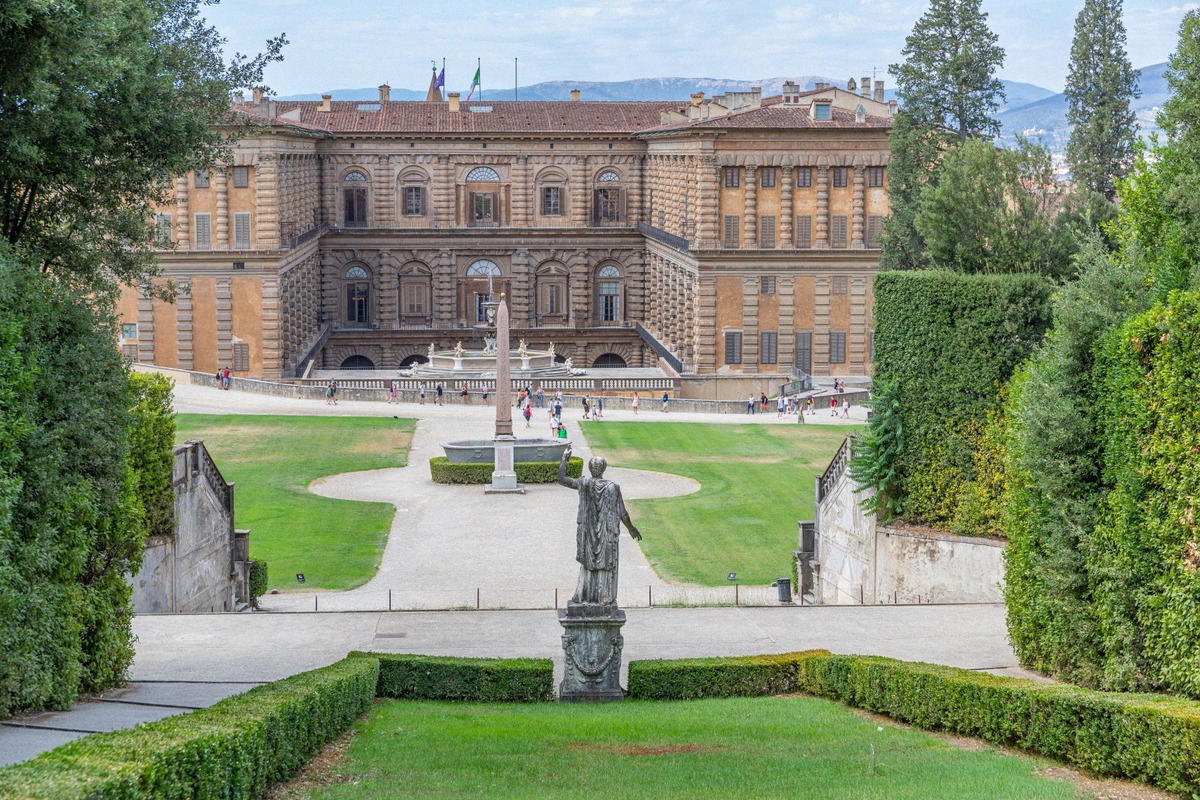
Palazzo Pitti
The Medici family's vast Renaissance palace in the Oltrarno now houses seven museums under one roof, led by the Galleria Palatina and its world-leading Raphael collection.
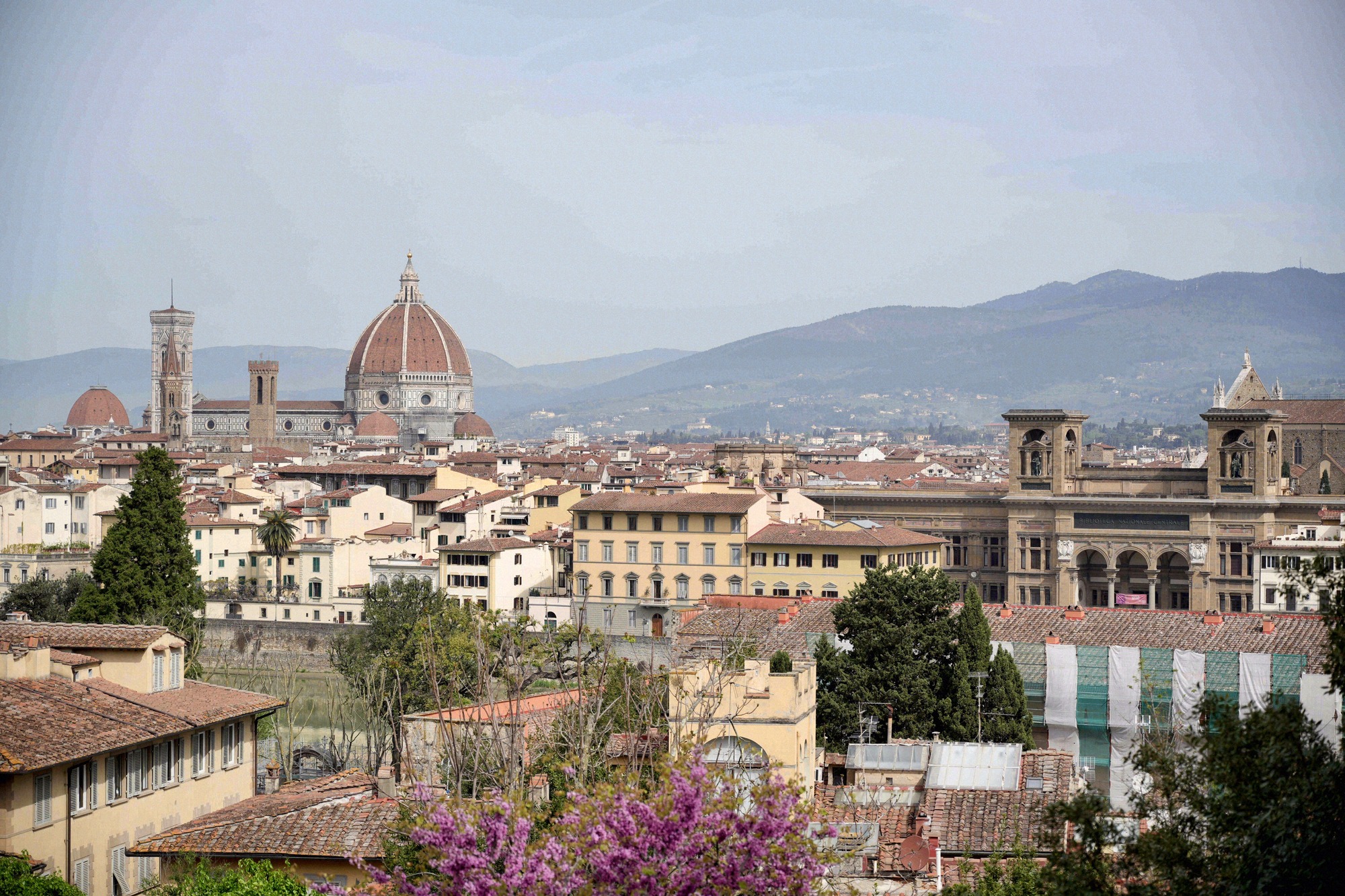
Boboli Gardens
The Boboli Gardens behind the Palazzo Pitti are a textbook Renaissance garden, terraces, statues, grottoes and open views over the rooftops of Florence.
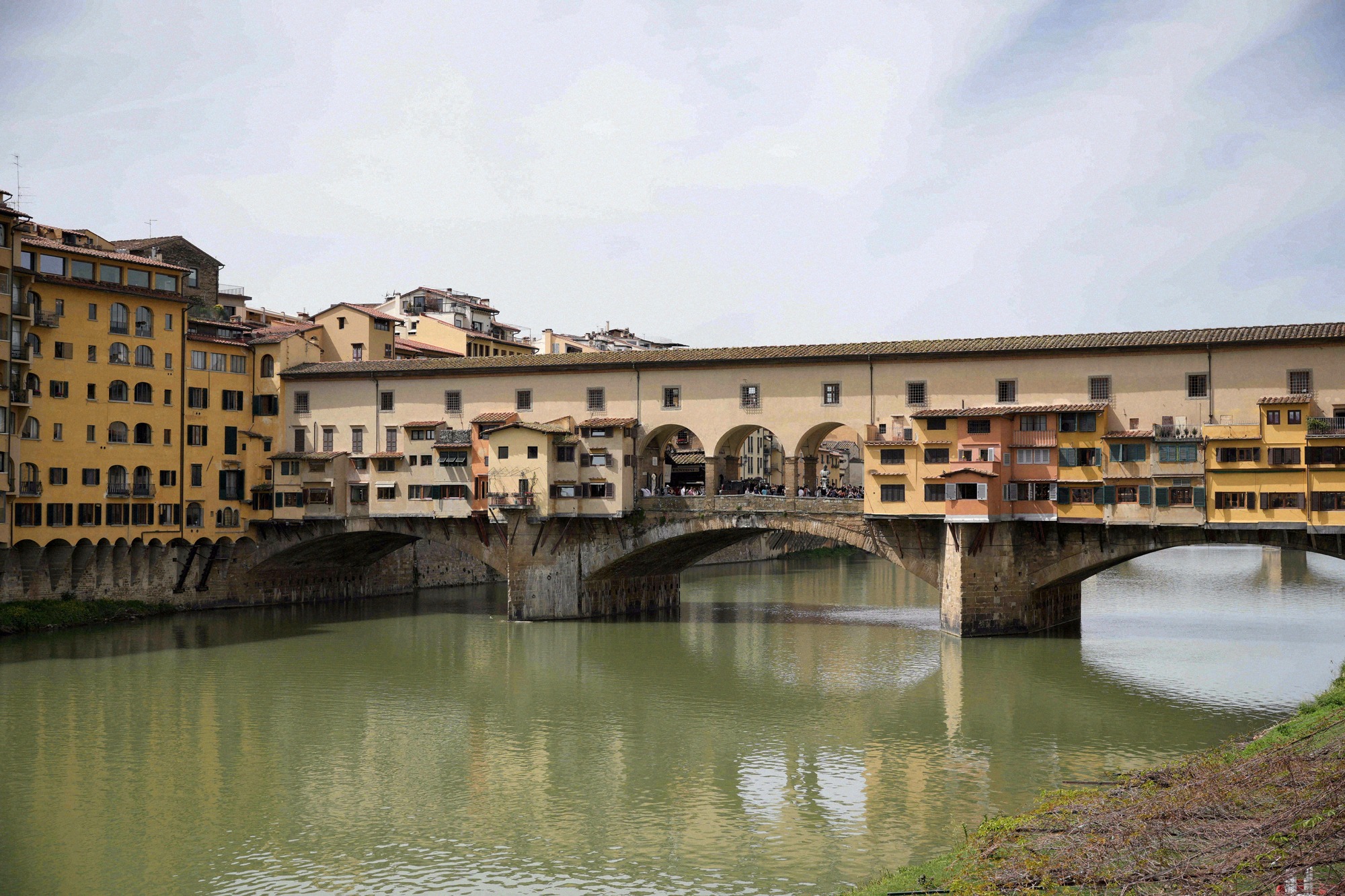
Ponte Vecchio
The Ponte Vecchio is Florence's oldest bridge, still lined with small goldsmiths' shops since 1593, with the reopened Vasari Corridor running above the Arno.
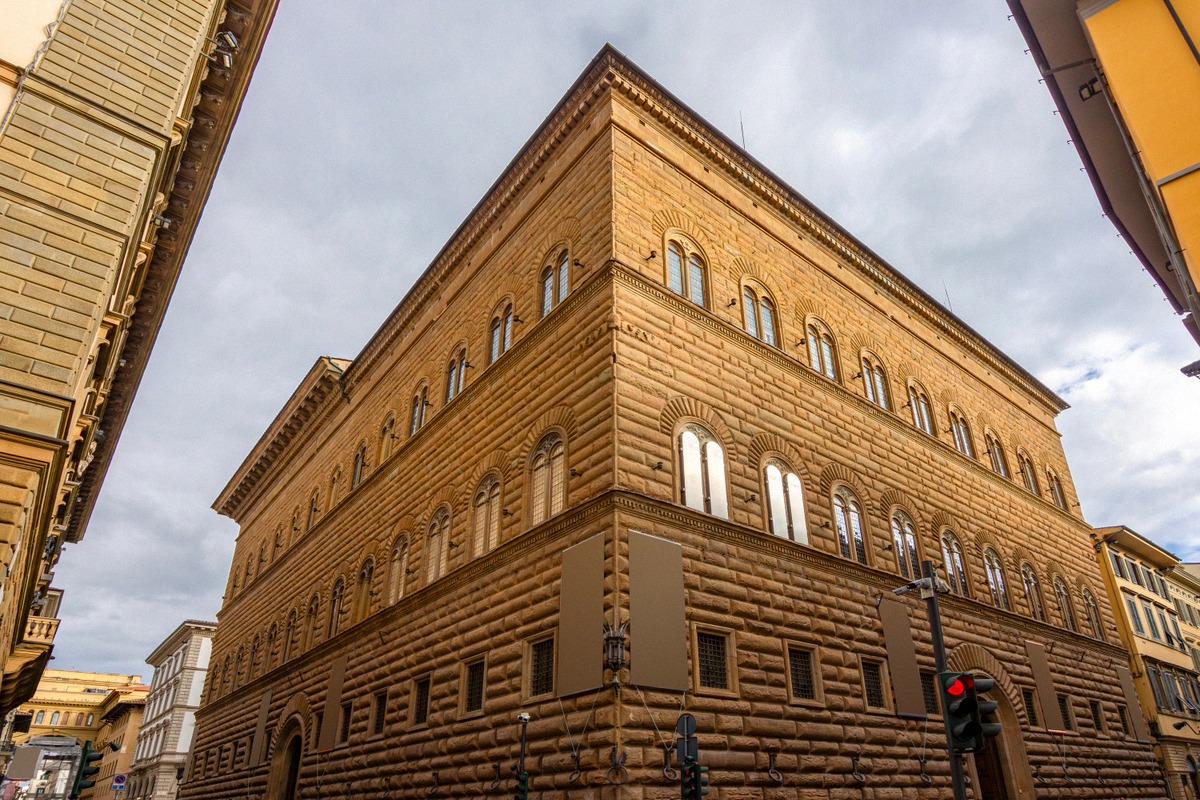
Palazzo Strozzi
The imposing Renaissance palace on Via de' Tornabuoni is Florence's leading venue for major temporary exhibitions; the arcaded courtyard is free to enter.
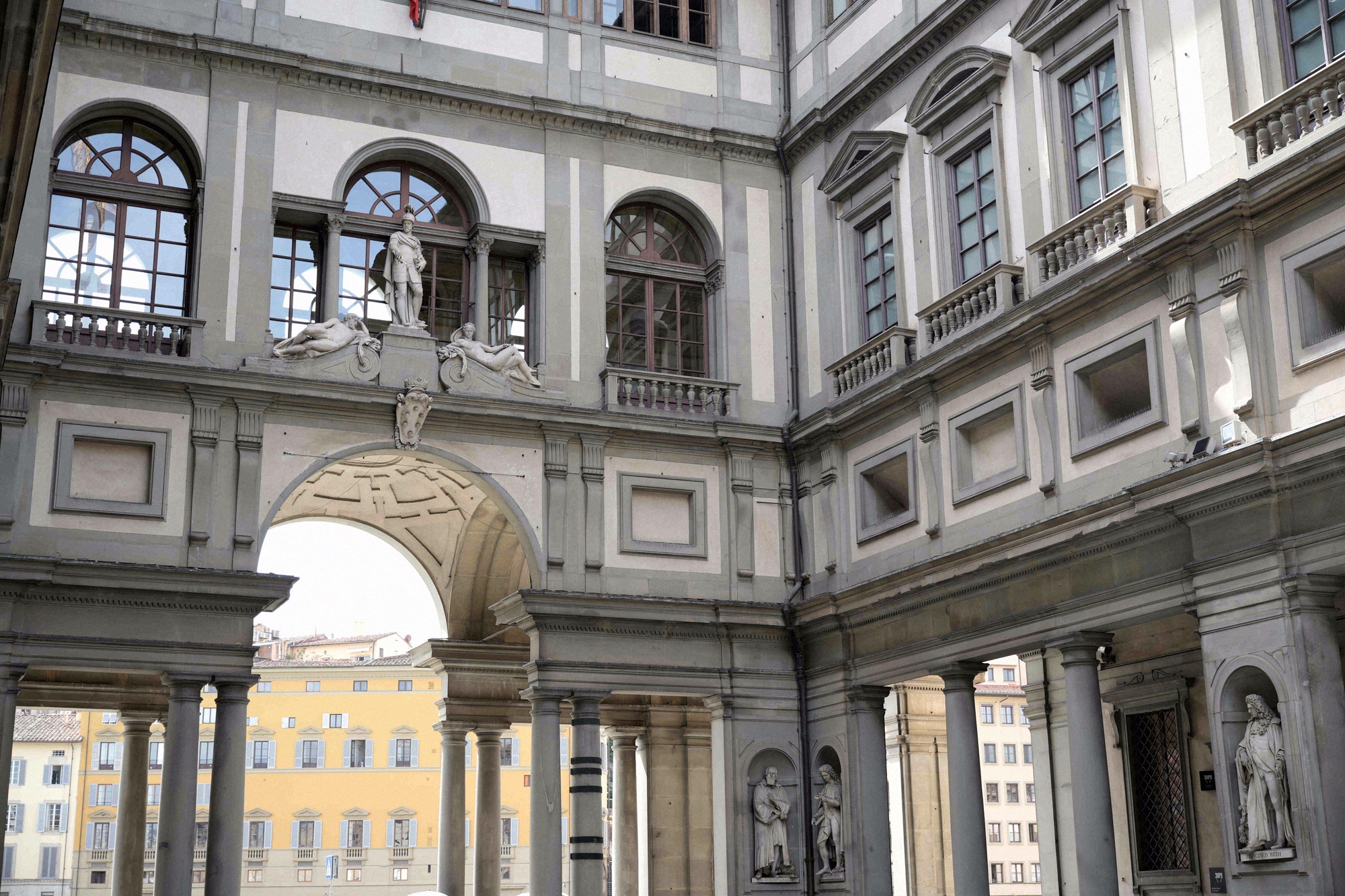
Uffizi Gallery
The Uffizi Gallery holds the world's finest Renaissance collection - Botticelli, Leonardo, Raphael, Caravaggio. Book a timed-entry ticket in advance.
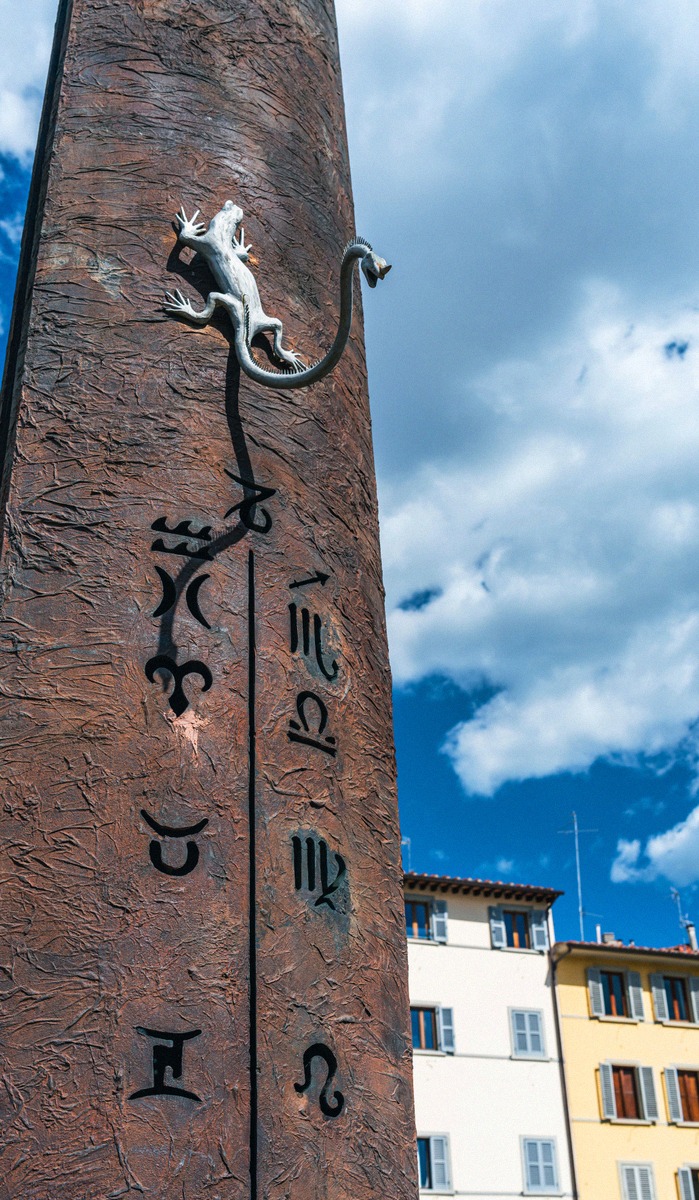
Museo Galileo
Right on the Arno behind the Uffizi, this science museum displays over 1000 historic instruments, ornate globes and Galileo's only two surviving telescopes.