
Palazzo Strozzi
Renaissance palace that hosts Florence's major exhibitions
The imposing Renaissance palace on Via de' Tornabuoni is Florence's leading venue for major temporary exhibitions; the arcaded courtyard is free to enter.
Contents
An ideal of the Renaissance palace
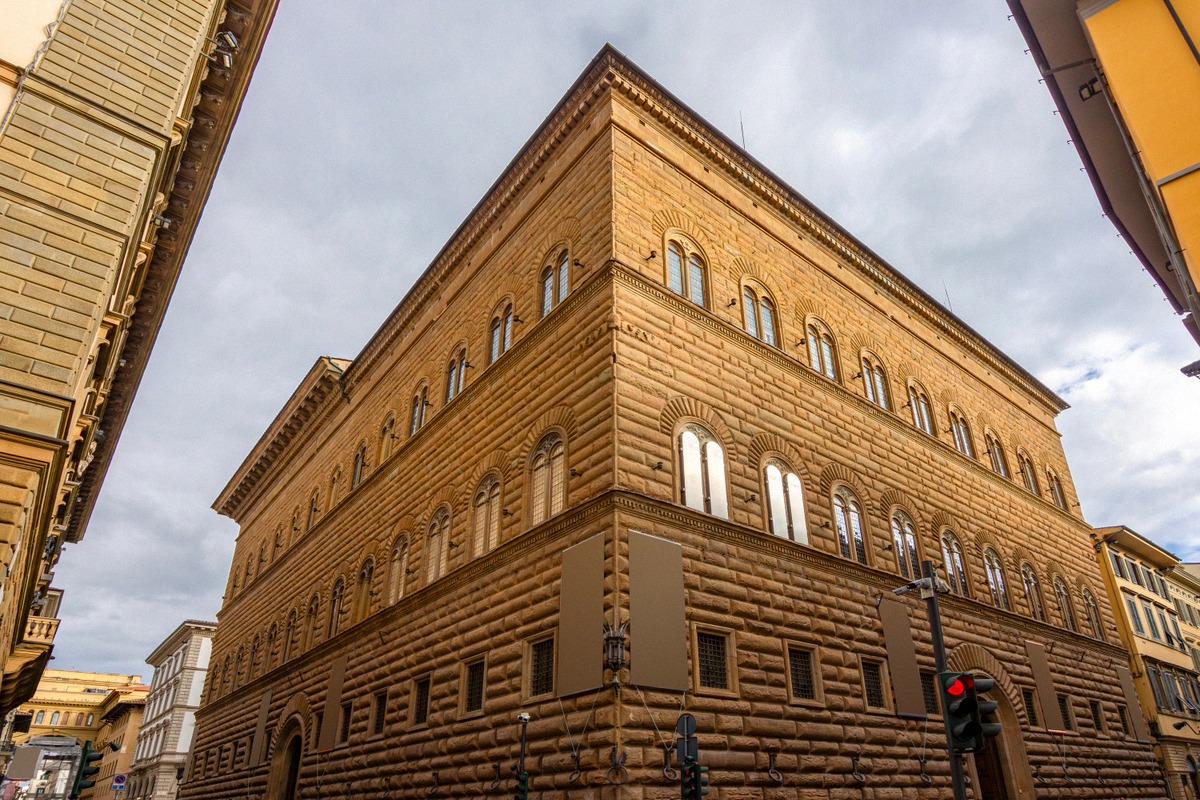
Palazzo Strozzi ranks among the finest private palaces of the Renaissance and is considered a model of Florentine palace architecture. Construction began in 1489 for the wealthy banker Filippo Strozzi, a rival of the Medici, who intended the building to demonstrate his family's economic and political standing. The design and initial construction were led by Benedetto da Maiano, and continued by Il Cronaca (Simone del Pollaiolo); the elaborate wrought-iron work on the façade, torch holders, lanterns, rings, is the work of Niccolò Grosso, known as Caparra.
The result is a rigorously conceived block: the three-storey rusticated façade, built from roughly hewn ashlar blocks, is worked ever finer towards the top, so the building feels lighter the higher your eye travels despite its sheer mass. Inside, a symmetrical, colonnaded arcaded courtyard opens up, one of the most harmonious in the city, and the part of the palace you can enter without a ticket.
Today: Florence's leading exhibition venue
Palazzo Strozzi holds no permanent collection. What makes it one of the most exciting places in the city is its programme: the Fondazione Palazzo Strozzi stages major temporary exhibitions here on the Piano Nobile, sometimes old masters, sometimes contemporary art, often with international loans. That's exactly why it pays to check the current programme before visiting: whether admission is worthwhile depends entirely on the show currently on display, not the season.
The weight the institution carries is clear from its recent years. Past exhibitions have included Anselm Kiefer with Angeli caduti (2024), Helen Frankenthaler with Painting Without Rules (2024/25), Tracey Emin (2025), and, jointly with the Museo di San Marco, a major show on Beato Angelico / Fra Angelico (autumn 2025 to early 2026). The range spans deliberately from the early Renaissance to international contemporary art.
What's on in 2026
In summer 2026, Palazzo Strozzi's Piano Nobile hosts 'Rothko in Florence', a major exhibition on Mark Rothko featuring more than 70 works from institutions including MoMA, the Met, Tate and the Centre Pompidou (14 March to 23 August 2026). At the same time, the artist collective SUPERFLEX occupies the courtyard with the installation There Are Other Fish In The Sea (14 April to 2 August 2026), which, like the courtyard itself, can be seen without a ticket.
Since exhibitions change roughly every six months, the programme may have changed by the time of your visit. Check the official website's current listings before booking tickets.
Tickets, prices and opening hours
Admission always applies only to the exhibition currently on show, and the price varies from one show to the next. For 'Rothko in Florence' in 2026, the following rates apply:
- Full price with a fixed date €15, or a flexible open-date ticket €20
- Concession €12, youth (ages 6-18) €5, family ticket €25
- Audio guide €4
- Free entry for, among others, children under 6, visitors with a disability plus one companion, accredited journalists and tour guides, and holders of the Firenzecard, DB ArtCard, ICOM and the Amici di Palazzo Strozzi
The Fondazione strongly recommends buying tickets online in advance through the official seller to save time. Groups of 5 or more must book ahead (€12 per person plus a €1 fee, reservations on +39 055 2645155 or [email protected], Monday to Friday 9:00-18:00).
While an exhibition is running, the palace is open daily 10:00-20:00, and until 23:00 on Thursdays; last entry is one hour before closing in each case. The courtyard ticket office is only staffed daily until 19:00. The quietest times are mid-morning shortly after opening or Thursday evenings. Depending on the scale of the show, allow 1 to 2 hours. Between exhibitions, often only the courtyard and café are open, another reason to check the programme in advance.
Location and getting there
Palazzo Strozzi stands on Piazza Strozzi, right next to the elegant shopping street Via de' Tornabuoni, in the heart of the Centro Storico. From here it's just a few steps to Piazza della Repubblica, and the Piazza della Signoria with the Palazzo Vecchio, the Uffizi Gallery and the Cathedral are all an easy walk away.
That makes the palace an ideal stop on a walk through the old town: if the current exhibition doesn't appeal, at least take a coffee break in the arcaded courtyard, which costs nothing. If you're planning a full day of museums, Palazzo Strozzi pairs well with the major houses within walking distance, see the guide Booking tickets for tips. If you're staying in Florence for several days, the Firenze Card is often worthwhile, since it includes free admission.
Frequently asked questions
What is shown at Palazzo Strozzi? +
How much does admission cost? +
Can you visit the courtyard for free? +
Should you book tickets in advance? +
Nearby
Orsanmichele
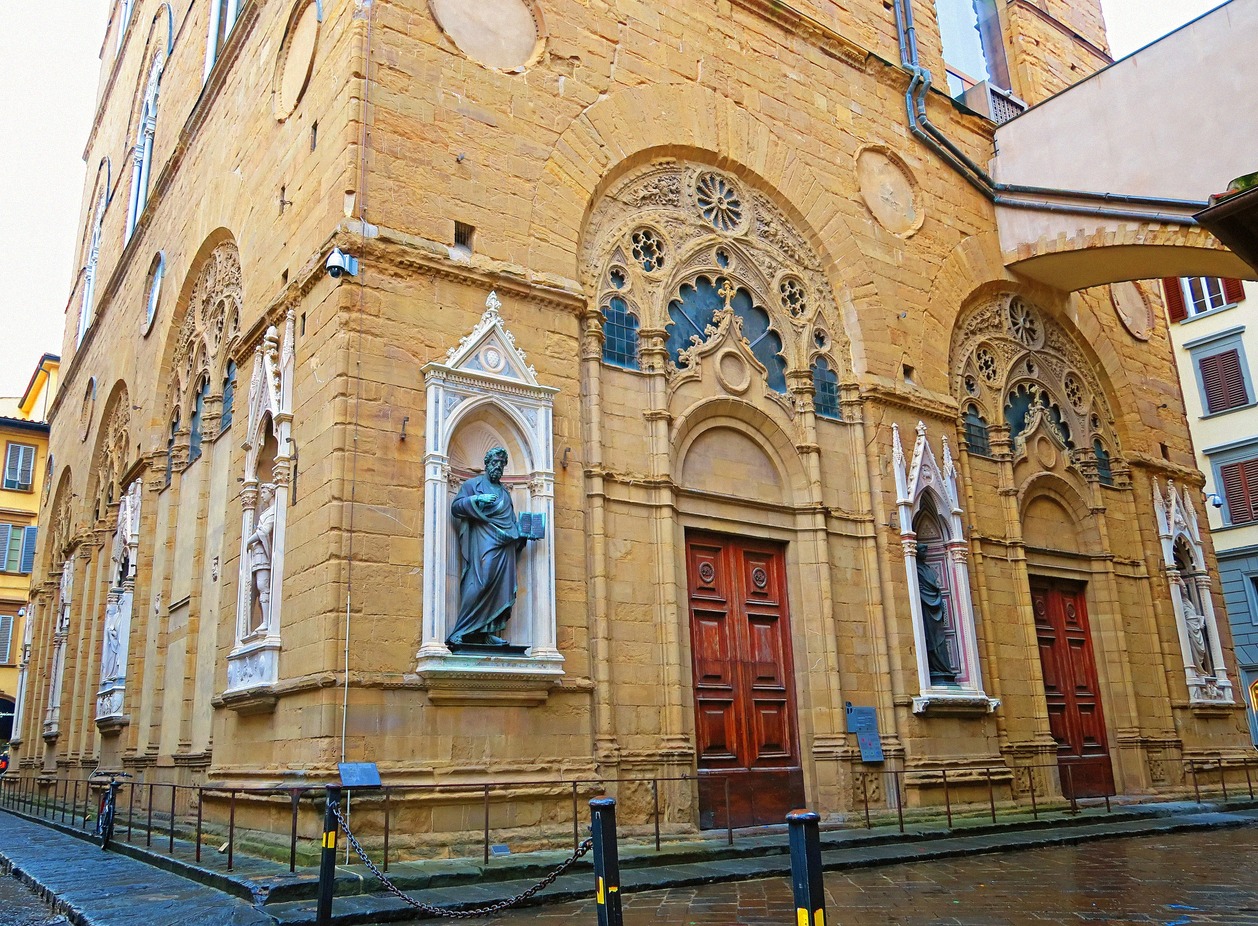
This solid guild church between the Duomo and Piazza della Signoria was once a grain market, famous for the saints' statues in its facade niches and the sculpture museum upstairs.
Florence Baptistery
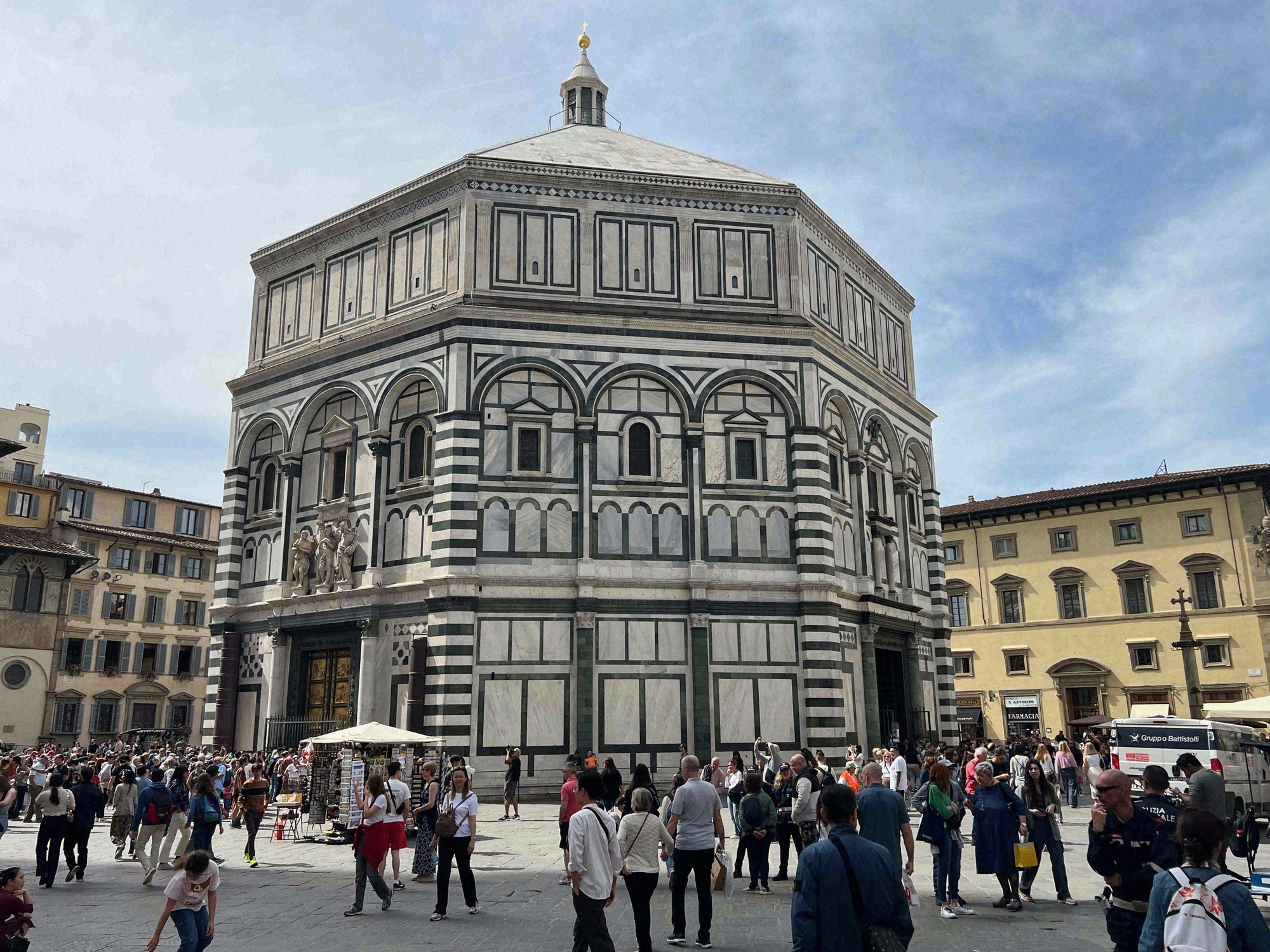
The Battistero di San Giovanni facing the Duomo is one of Florence's oldest buildings, famed for Ghiberti's gilded Gates of Paradise and its golden mosaic ceiling.
Giotto's Campanile
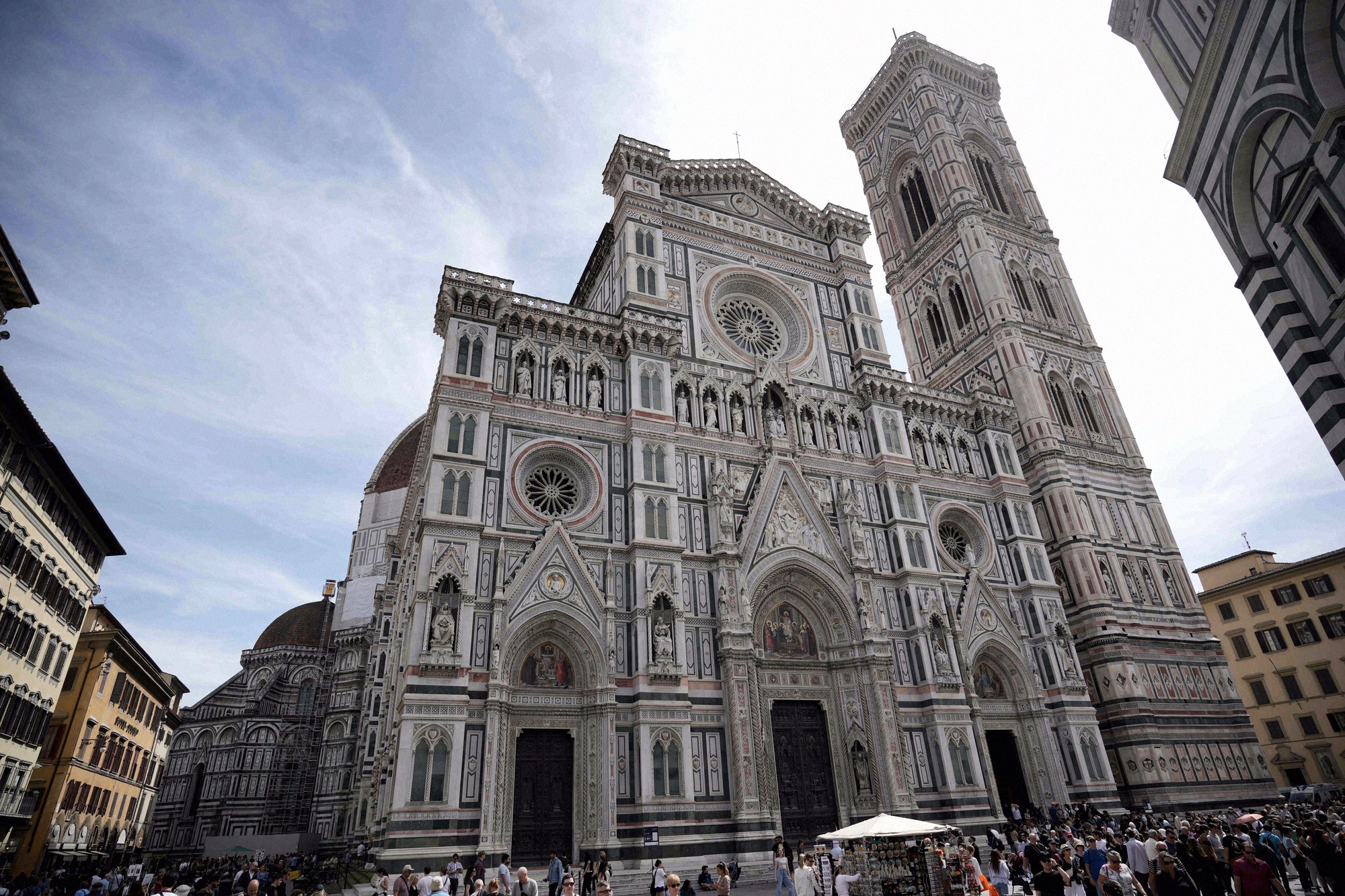
Giotto's marble-clad bell tower beside the Duomo climbs 414 steps to a terrace with the classic view of Brunelleschi's dome directly opposite.
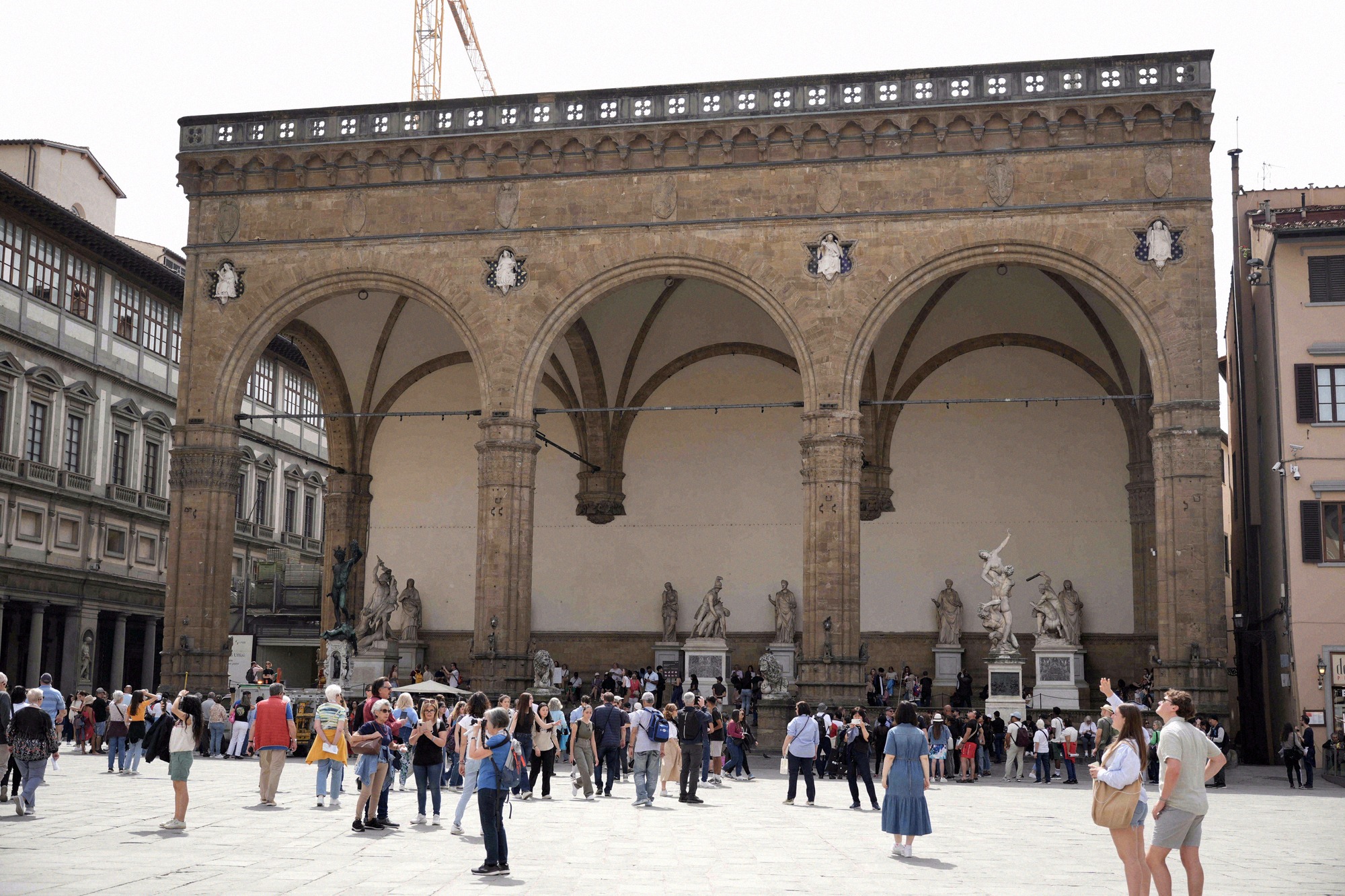
Piazza della Signoria
Florence's political square is a free open-air museum in front of the Palazzo Vecchio, with the Neptune Fountain, a copy of David and Renaissance sculpture in the Loggia dei Lanzi.
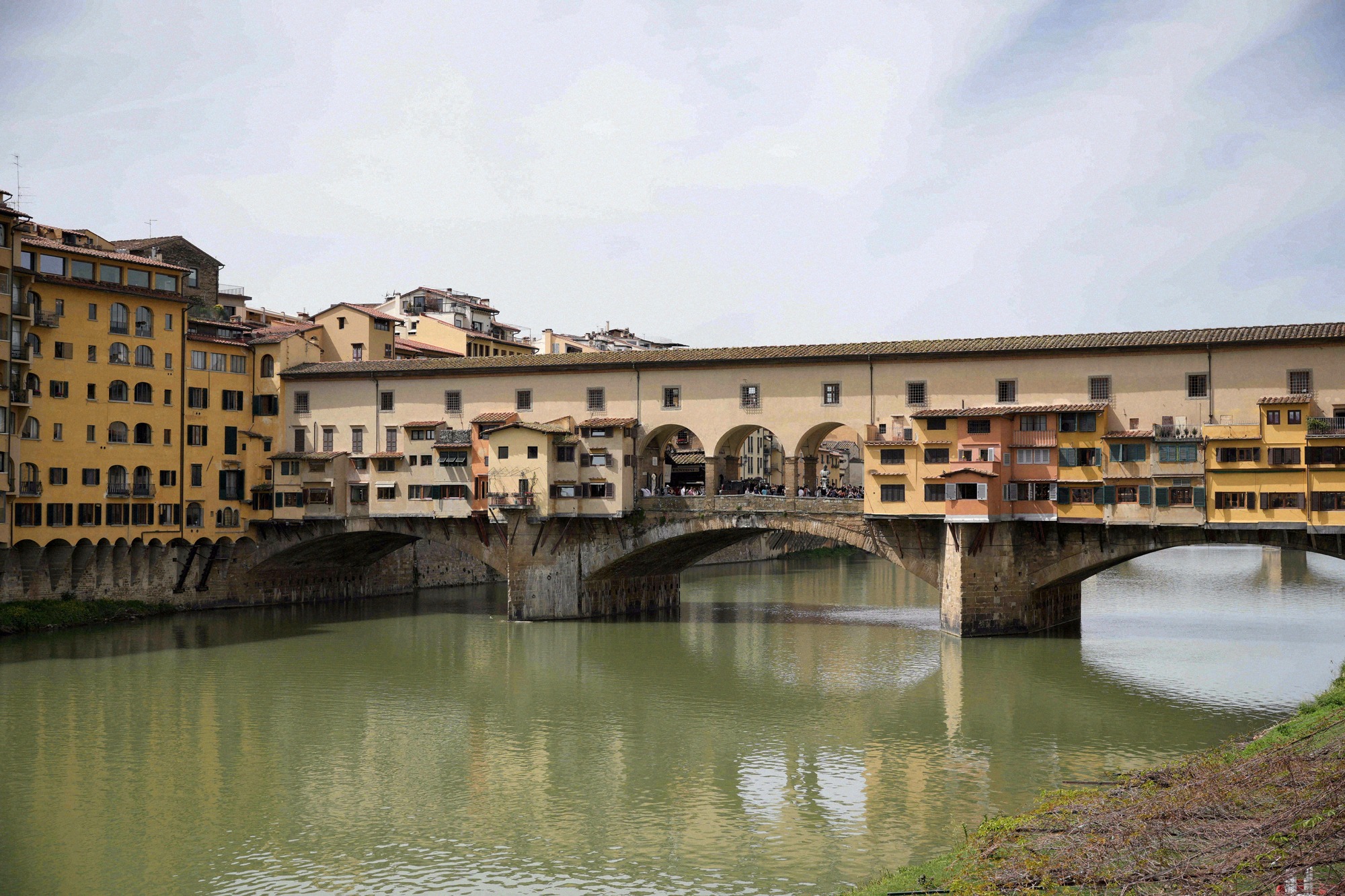
Ponte Vecchio
The Ponte Vecchio is Florence's oldest bridge, still lined with small goldsmiths' shops since 1593, with the reopened Vasari Corridor running above the Arno.
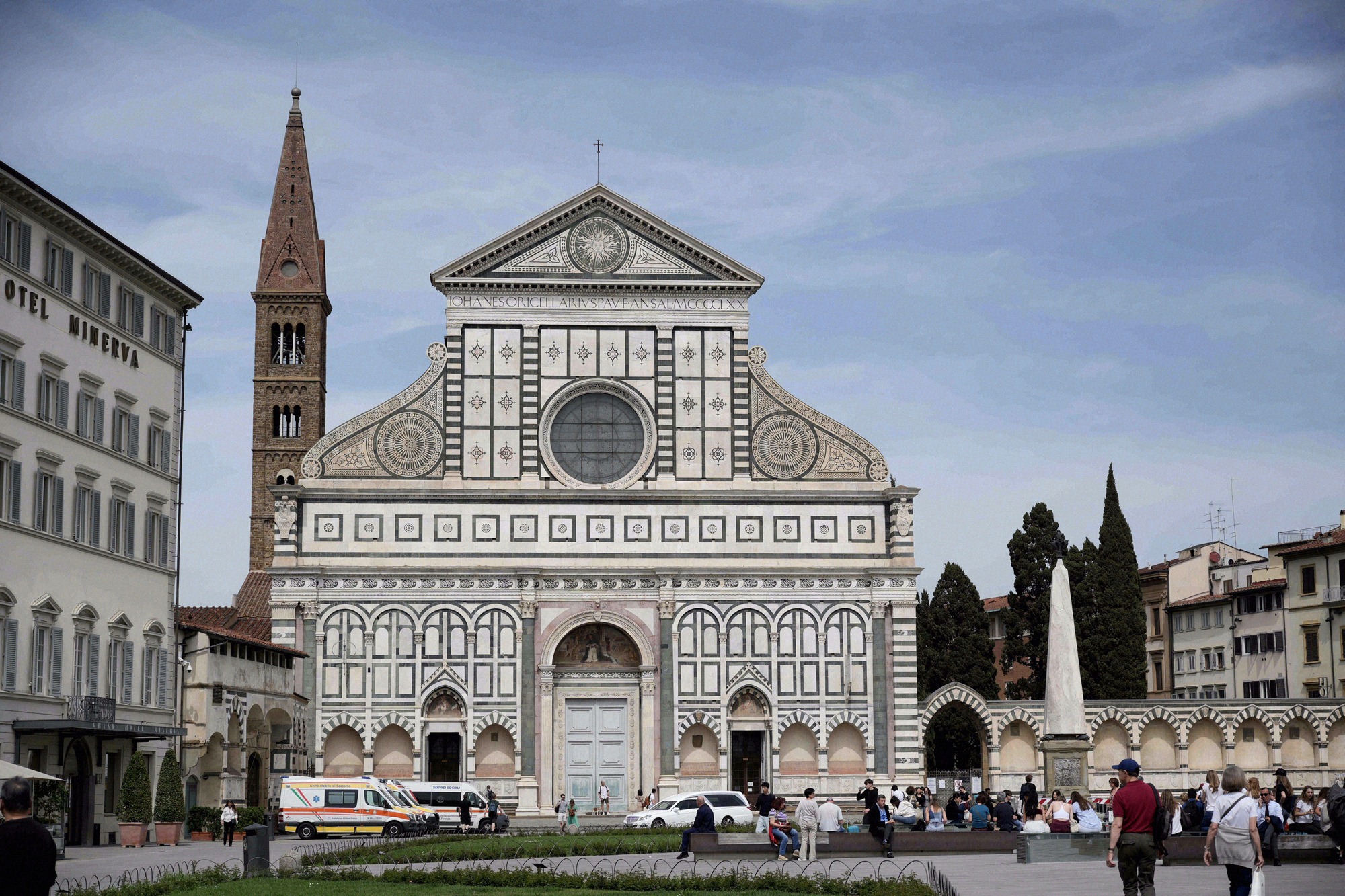
Santa Maria Novella
The Basilica di Santa Maria Novella by the main station pairs Alberti's Renaissance marble facade with Masaccio's groundbreaking Trinity fresco and Ghirlandaio's fresco cycle.