
With the Vasari Corridor
Uffizi and Vasari Corridor
Entry to the Uffizi and a reserved walk through the Vasari Corridor across the Ponte Vecchio.
From €79
Book TicketGoldsmiths' Bridge over the Arno
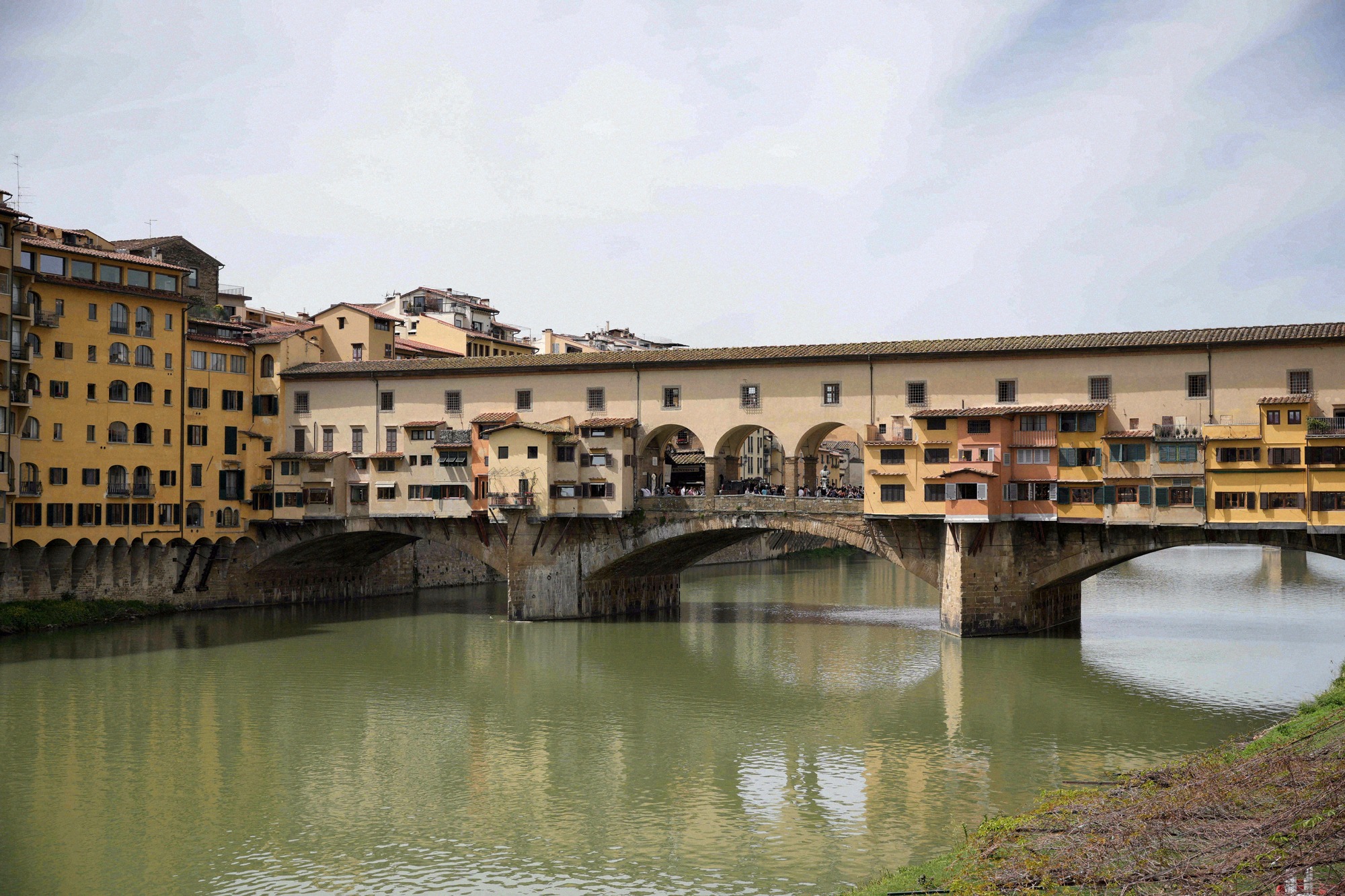
The Ponte Vecchio is Florence's oldest bridge, still lined with small goldsmiths' shops since 1593, with the reopened Vasari Corridor running above the Arno.
Tickets
With the Vasari Corridor
Entry to the Uffizi and a reserved walk through the Vasari Corridor across the Ponte Vecchio.
From €79
Book TicketThe Ponte Vecchio ("old bridge") is Florence's oldest and most famous bridge, and the only one to survive the Second World War. It crosses the Arno at its narrowest point in the city centre, linking the Centro Storico with the Oltrarno. What makes it unmistakable are the small shops that jut out over the water on brackets on both sides of the roadway, seeming to hover above the Arno.
Unlike most of the city's sights, the bridge costs nothing and is open to the public around the clock. It sits directly on the route between the Uffizi Gallery and the Palazzo Pitti, so anyone walking through the centre is almost bound to pass over it.
There has been a river crossing on this spot since antiquity. The current structure dates from 1345, a rebuild after the floods of 1117 and 1333 destroyed its predecessors. The design is traditionally credited to Taddeo Gaddi, though more recent scholarship also points to Neri di Fioravanti.
Structurally, the bridge is remarkable for its era: it rests on three flat segmental arches, the central span around 30 metres wide, with the two side arches each roughly 27 metres. This low, flattened profile was unusual for the 14th century.
The shops have always been part of the bridge, but their trades have changed over time:
Around 40 small shops line the bridge, mostly jewellers, goldsmiths, watchmakers and souvenir sellers. Their shopfronts, with wooden shutters that close each evening like chests, are part of the classic Florence view. Among the oldest and best known is Fratelli Piccini, founded in 1903.
These are not tourist-trap souvenir shops in the usual sense but, in several cases, long-standing workshops, with prices to match. The bridge suits window-shoppers just as well as anyone specifically hunting for Florentine goldsmith's craft.
Running above the shops is the Vasari Corridor (Corridoio Vasariano), which Giorgio Vasari built in just a few months in 1565 for Cosimo I de' Medici. The covered passageway, roughly 750 metres long, links the Palazzo Vecchio with the Palazzo Pitti, running via the Uffizi and across the Ponte Vecchio, allowing the Medici to move between their seat of government and their residence without mixing with the public.
After a lengthy restoration, the corridor has reopened. Worth knowing before you go:
Access is only via a combined Uffizi ticket: €43 on the day, €47 booked in advance; the corridor-only supplement is €20. Tickets are available through the official Uffizi ticket shop. If you want to see the corridor, it's best planned together with a visit to the Uffizi.
20 to 40 minutes is enough for the bridge itself, strolling across, browsing the shopfronts and taking in the view over the Arno from the middle. It's at its best in the soft light of sunrise or sunset; during the day it gets narrow and crowded, and in any case the best view of the bridge itself is from the neighbouring bridges, above all from the Ponte Santa Trinita.
One practical note: the crush of people on the Ponte Vecchio makes it a pickpocket hotspot. In the crowds, it's worth keeping valuables close and in sight.
The bridge sits neatly in the middle of the centre and links easily into a longer walk:
For where the Ponte Vecchio fits into a Florence visit, see the overview Attractions in Florence; for getting around the centre, see the Getting there guide.
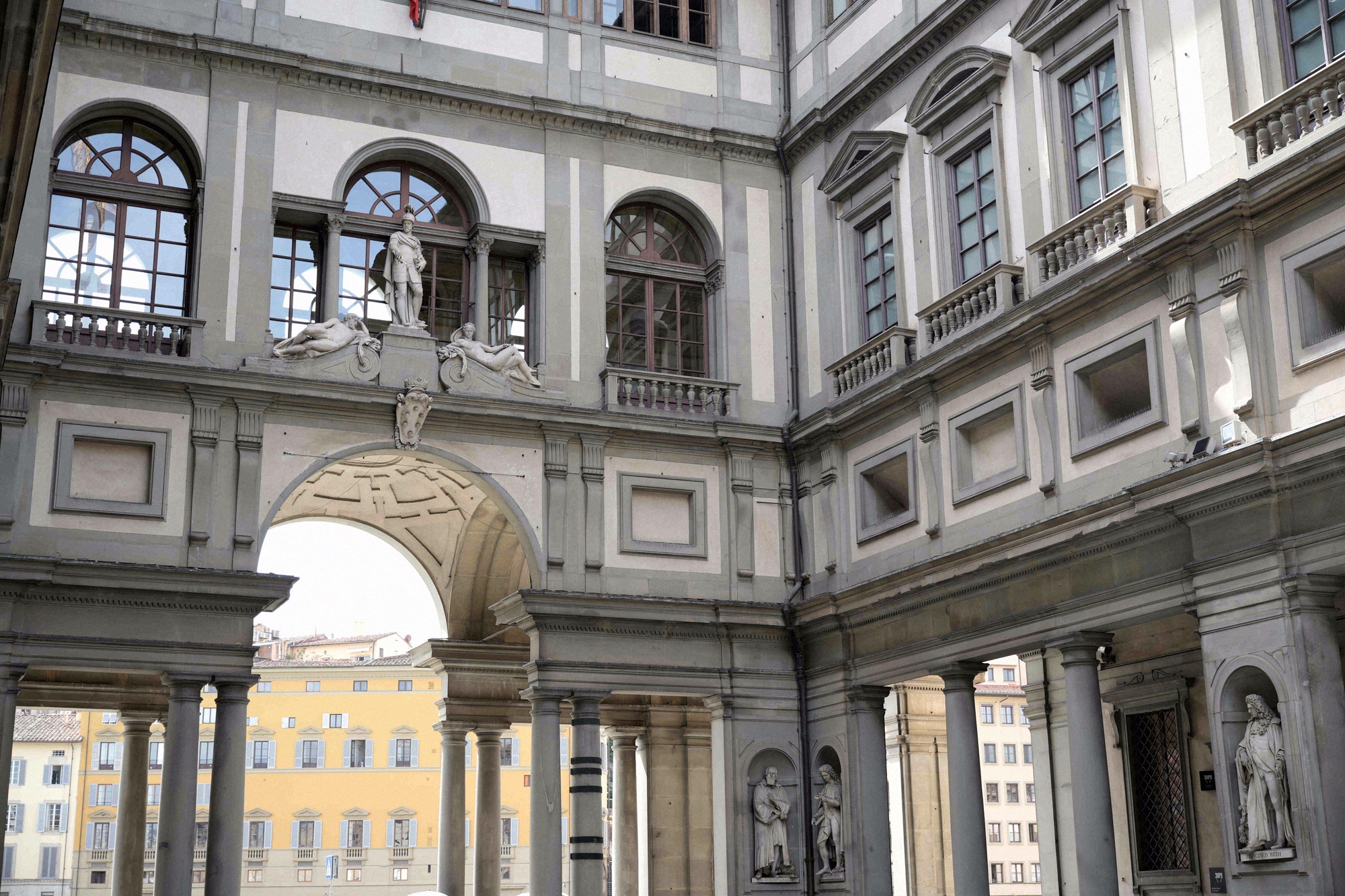
The Uffizi Gallery holds the world's finest Renaissance collection - Botticelli, Leonardo, Raphael, Caravaggio. Book a timed-entry ticket in advance.
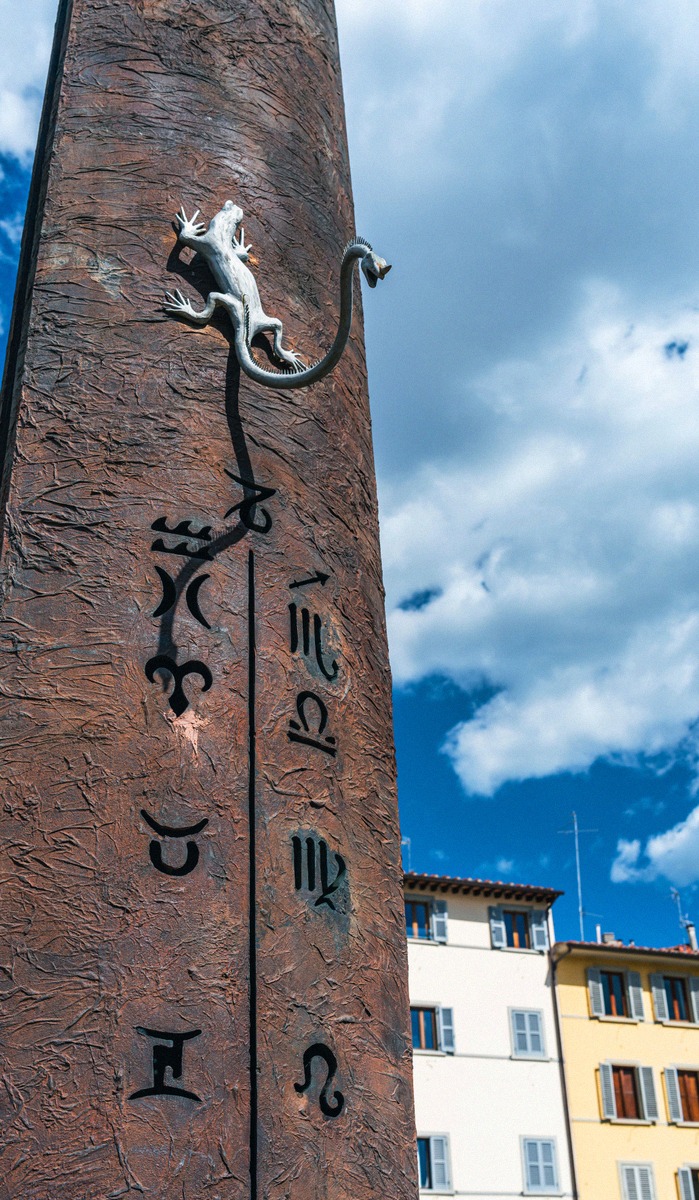
Right on the Arno behind the Uffizi, this science museum displays over 1000 historic instruments, ornate globes and Galileo's only two surviving telescopes.
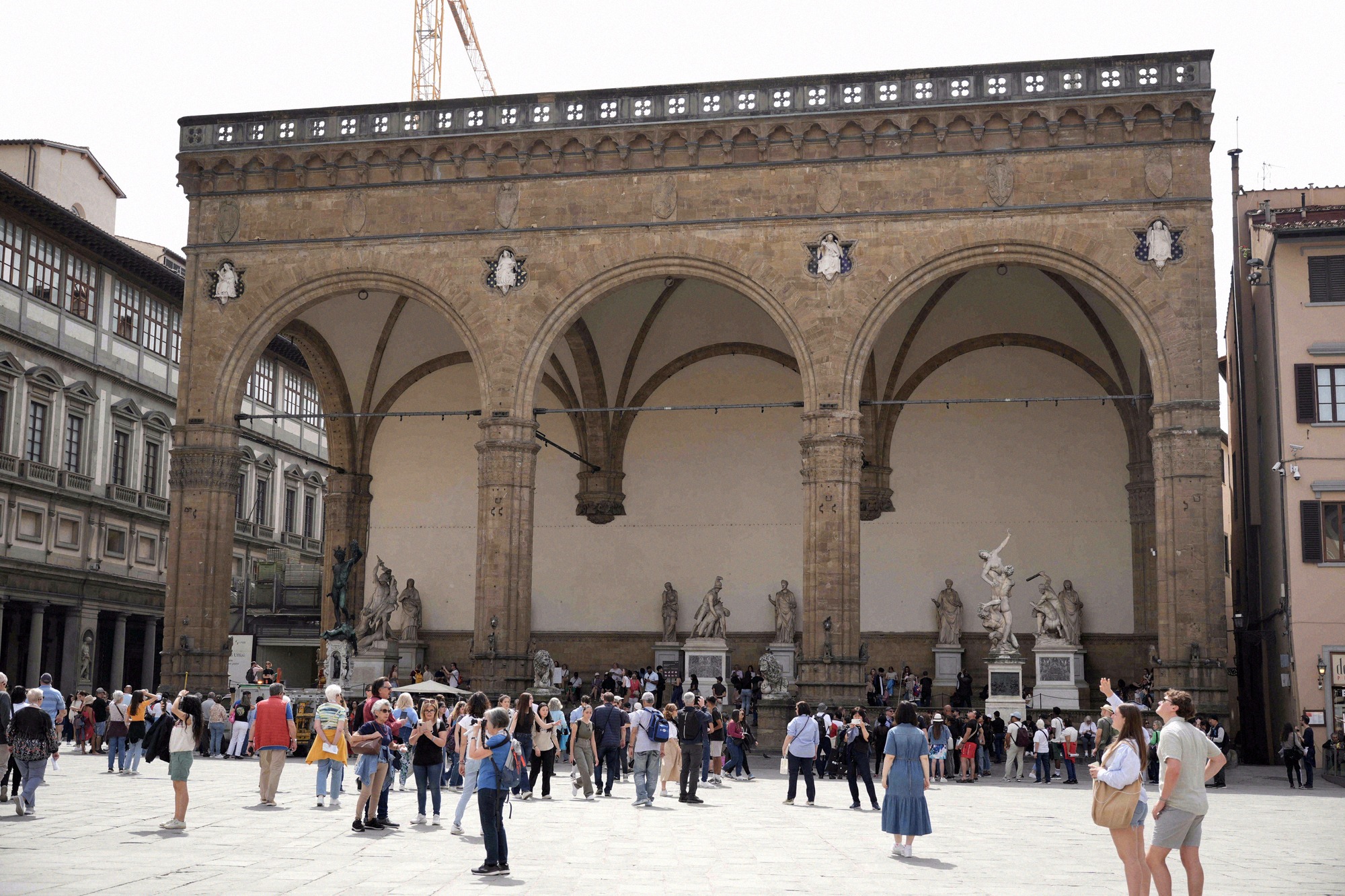
Florence's political square is a free open-air museum in front of the Palazzo Vecchio, with the Neptune Fountain, a copy of David and Renaissance sculpture in the Loggia dei Lanzi.
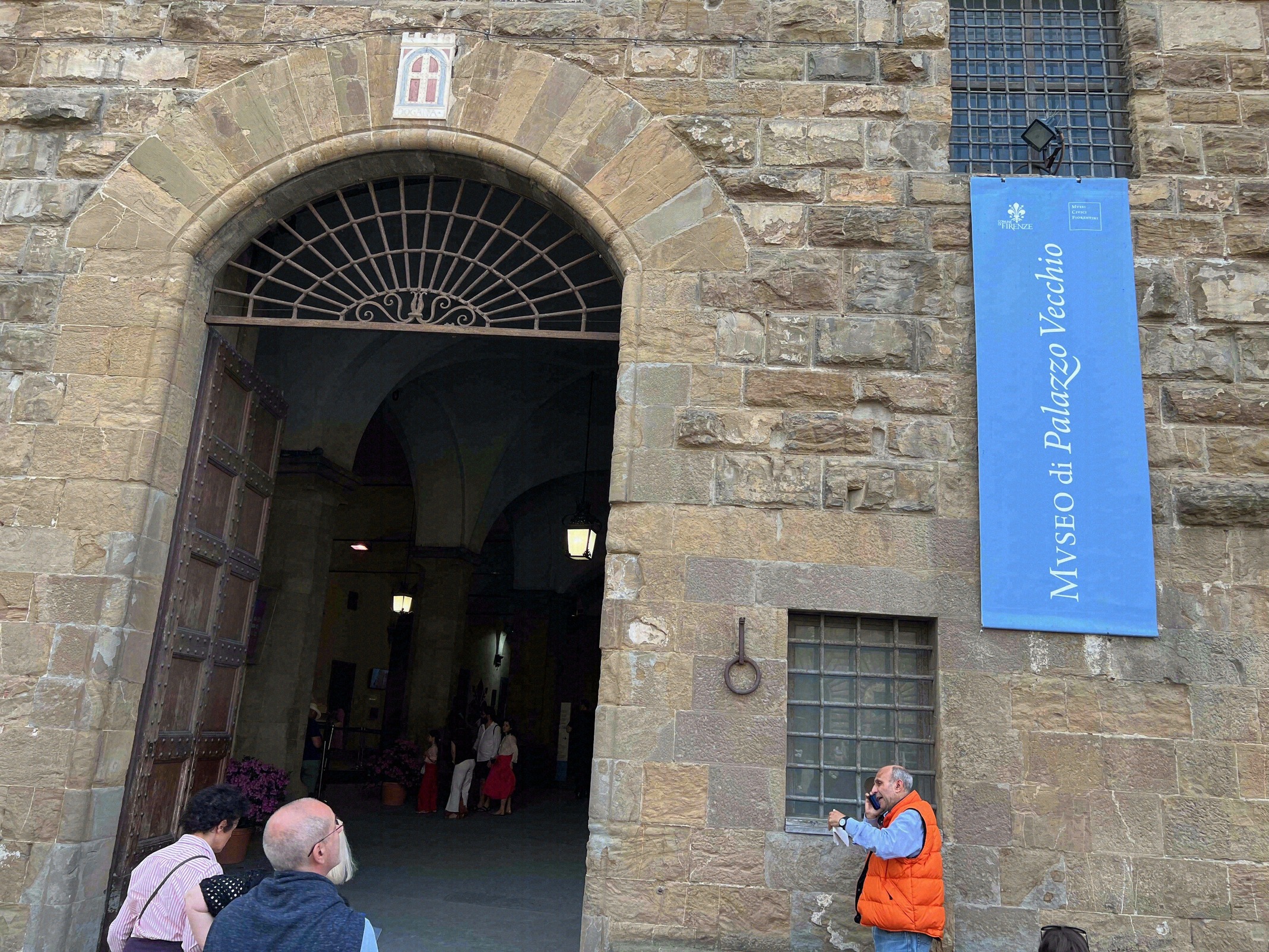
Palazzo Vecchio on Piazza della Signoria has been Florence's town hall since the 14th century, home to the Hall of the Five Hundred and the Torre di Arnolfo.
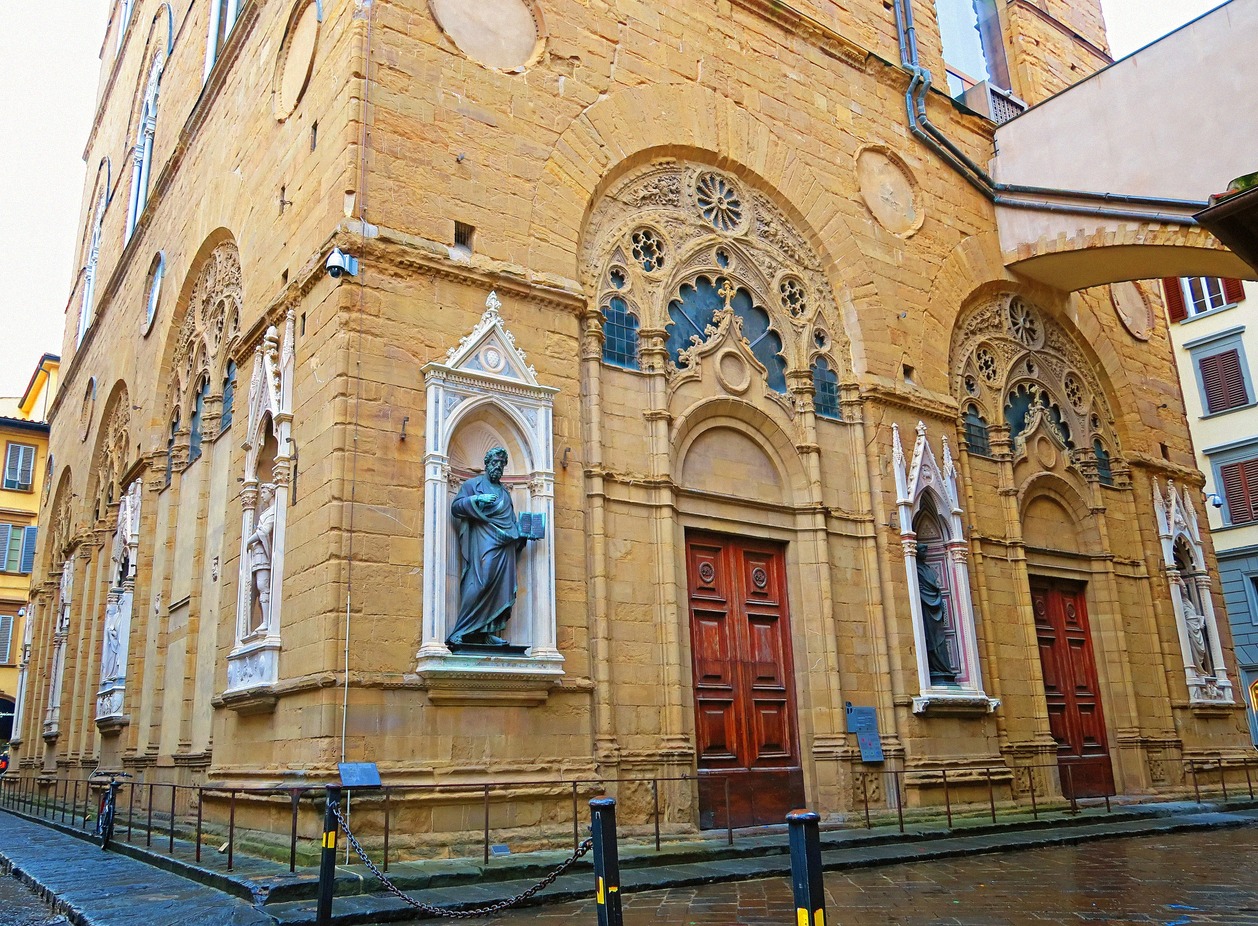
This solid guild church between the Duomo and Piazza della Signoria was once a grain market, famous for the saints' statues in its facade niches and the sculpture museum upstairs.
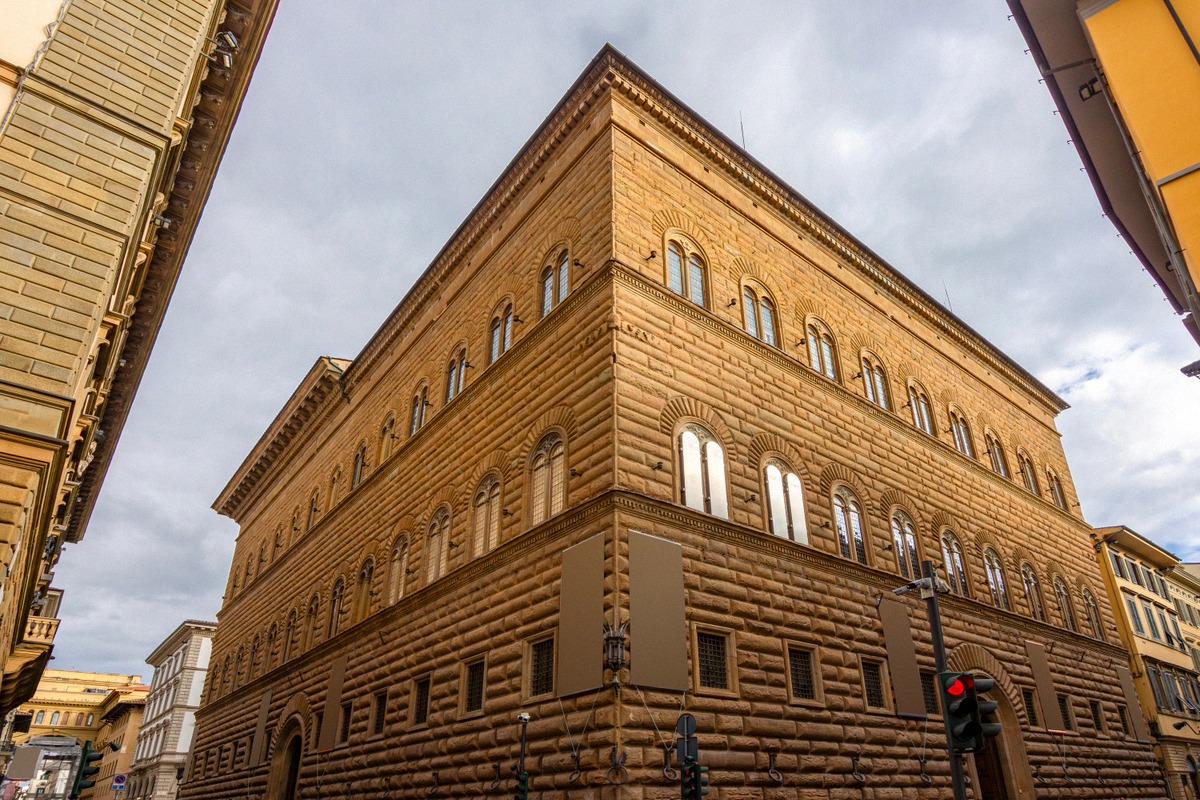
The imposing Renaissance palace on Via de' Tornabuoni is Florence's leading venue for major temporary exhibitions; the arcaded courtyard is free to enter.