Oltrarno
Florence's artisan and craft quarter south of the Arno
The down-to-earth side of Florence south of the river, full of workshops, with Palazzo Pitti, the Boboli Gardens and the lively Piazza di Santo Spirito.
The other bank
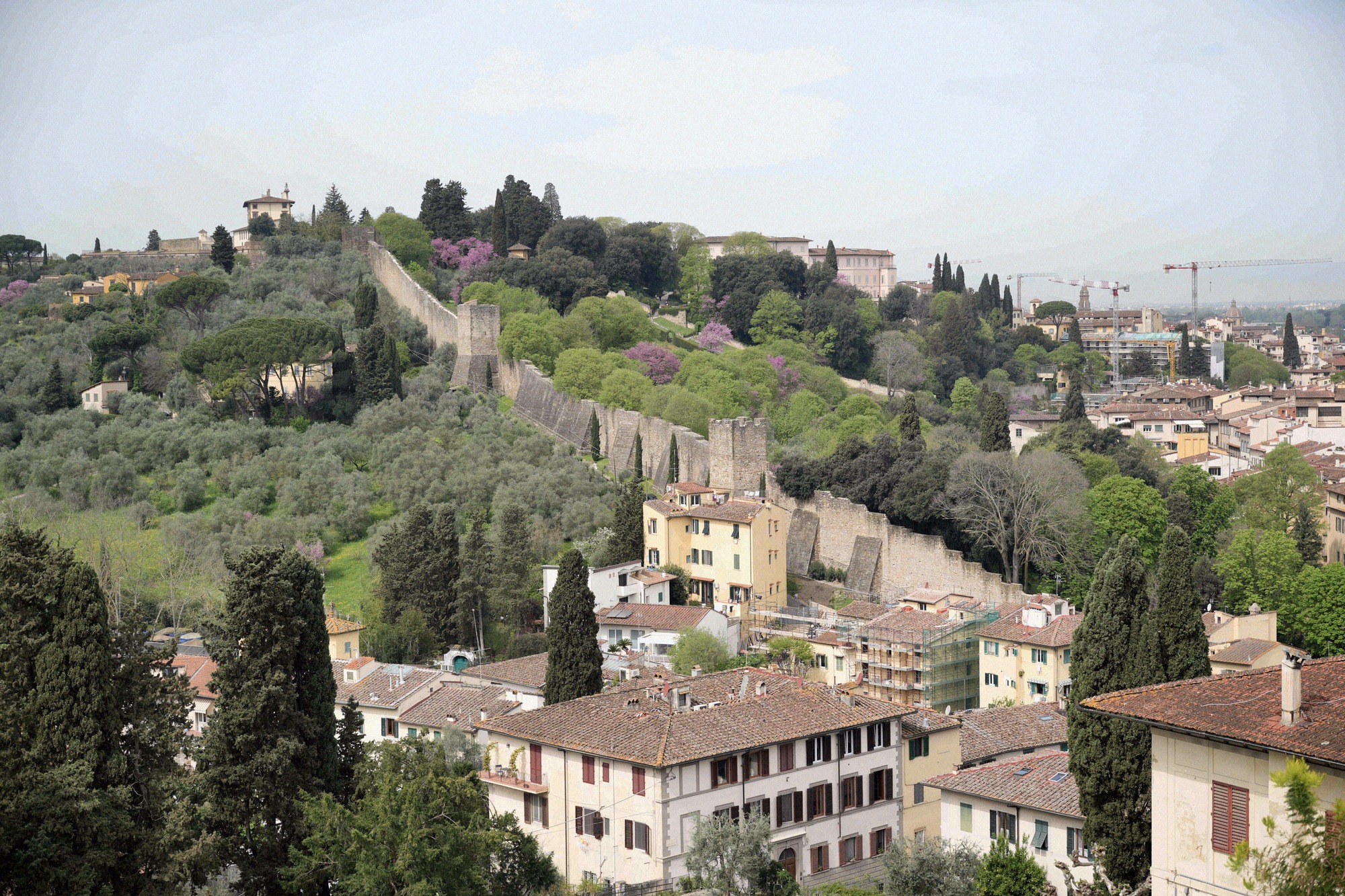
Oltrarno (literally "beyond the Arno") is the historic quarter south of the river, right behind the Ponte Vecchio. Florence feels more down-to-earth and authentic here than in the centre: for centuries the lanes have been lined with workshops run by goldsmiths, restorers, frame-makers and upholsterers, the living heritage of Florentine craftsmanship.
Palaces, gardens and squares
Yet major sights sit here too: the vast Palazzo Pitti, the Boboli Gardens, and the quieter Giardino Bardini with its views over the city. The heart of the quarter is the relaxed Piazza di Santo Spirito, with Brunelleschi's church, a small market and buzzing evening life.
A quieter place to stay
Oltrarno is a good choice for travellers who want to stay central but a little quieter and more local, the city centre is just a few minutes away across the Ponte Vecchio, and in the evening you're right in the middle of everyday Florentine life.
Around Oltrarno
Palazzo Pitti
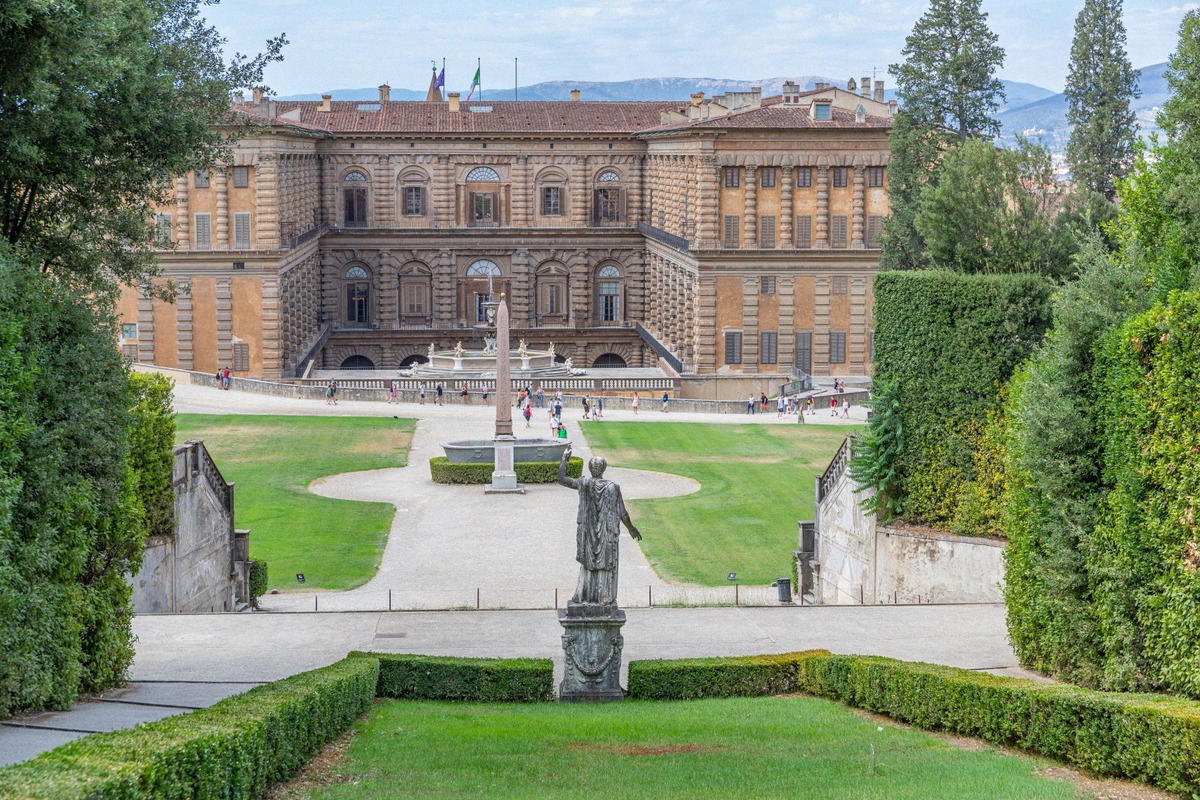
The Medici family's vast Renaissance palace in the Oltrarno now houses seven museums under one roof, led by the Galleria Palatina and its world-leading Raphael collection.
Boboli Gardens
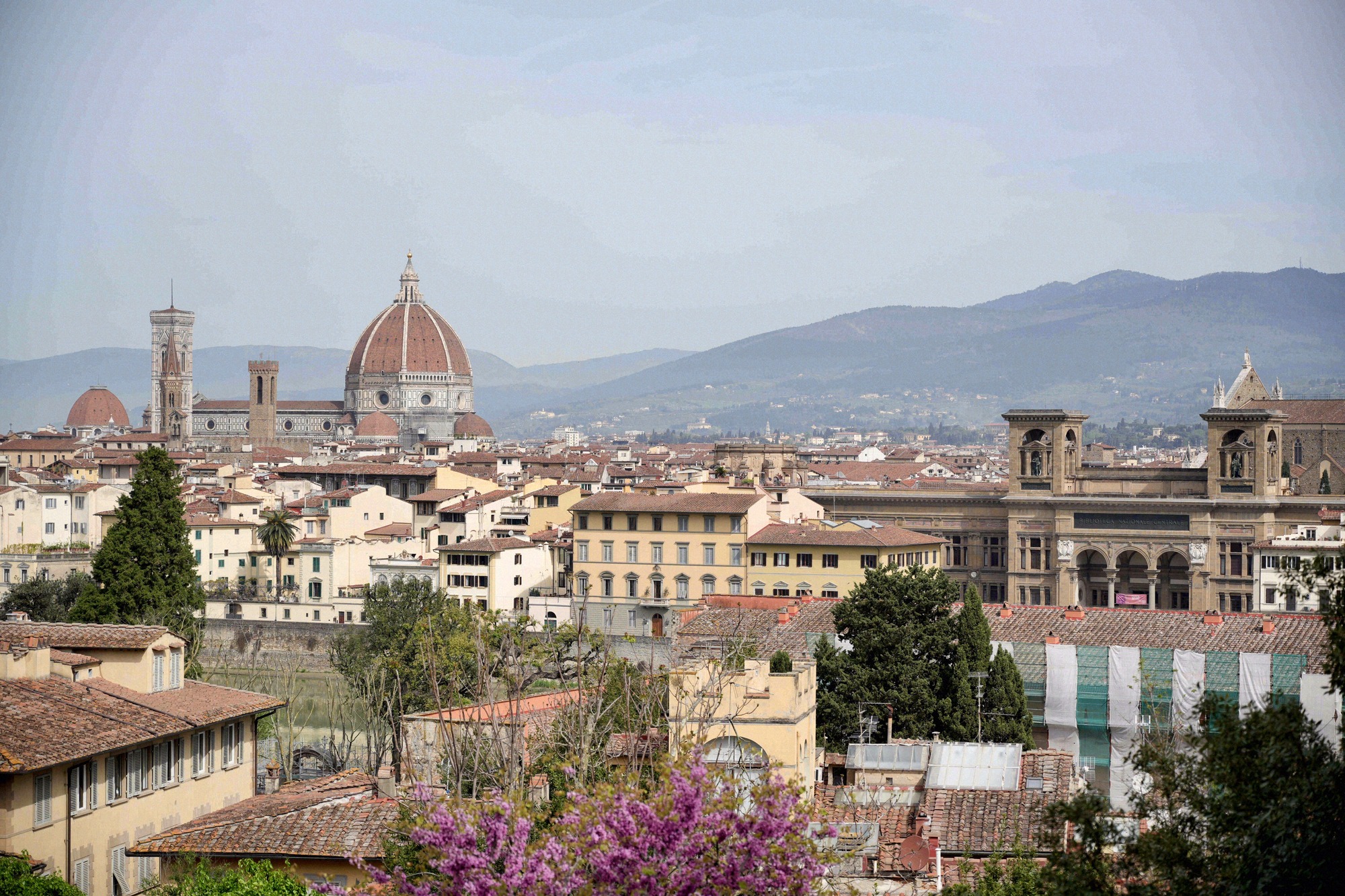
The Boboli Gardens behind the Palazzo Pitti are a textbook Renaissance garden, terraces, statues, grottoes and open views over the rooftops of Florence.
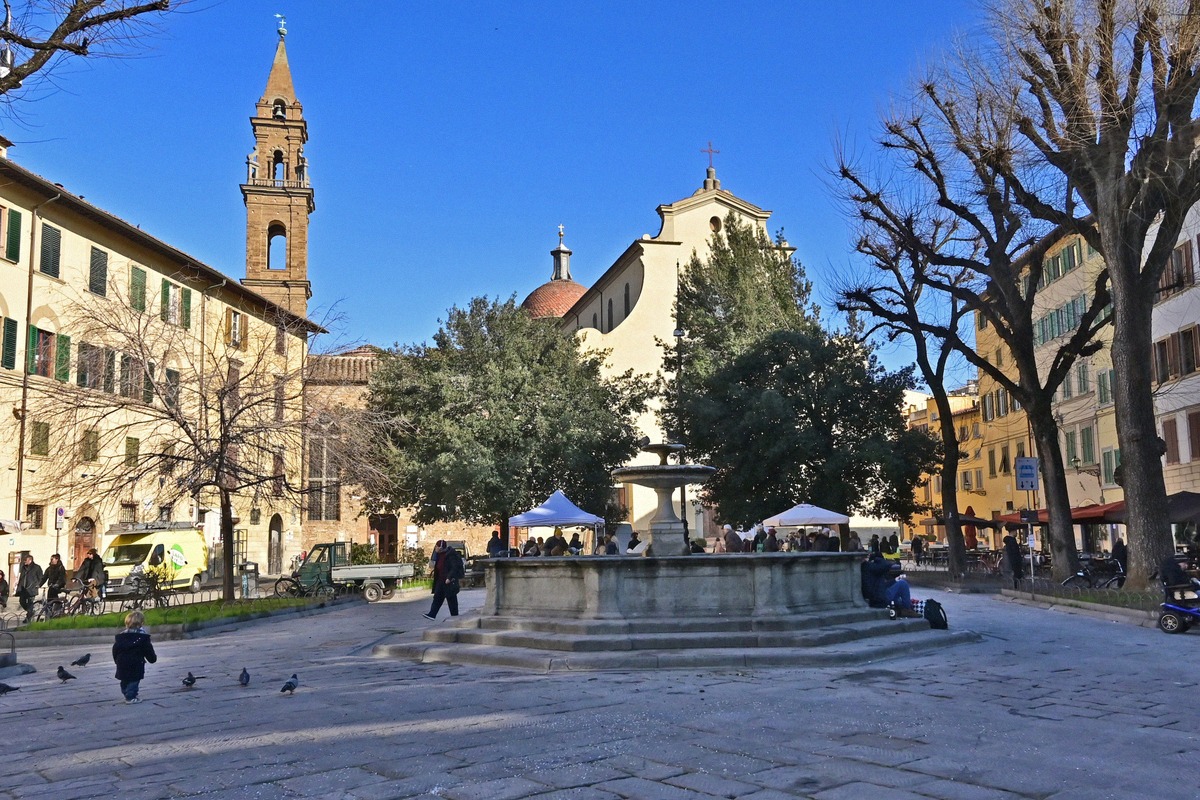
Piazza di Santo Spirito
The relaxed heart of Florence's artisan quarter, built around an octagonal fountain, a neighbourhood market by day, a gathering spot by night, plus a Michelangelo crucifix inside the basilica.
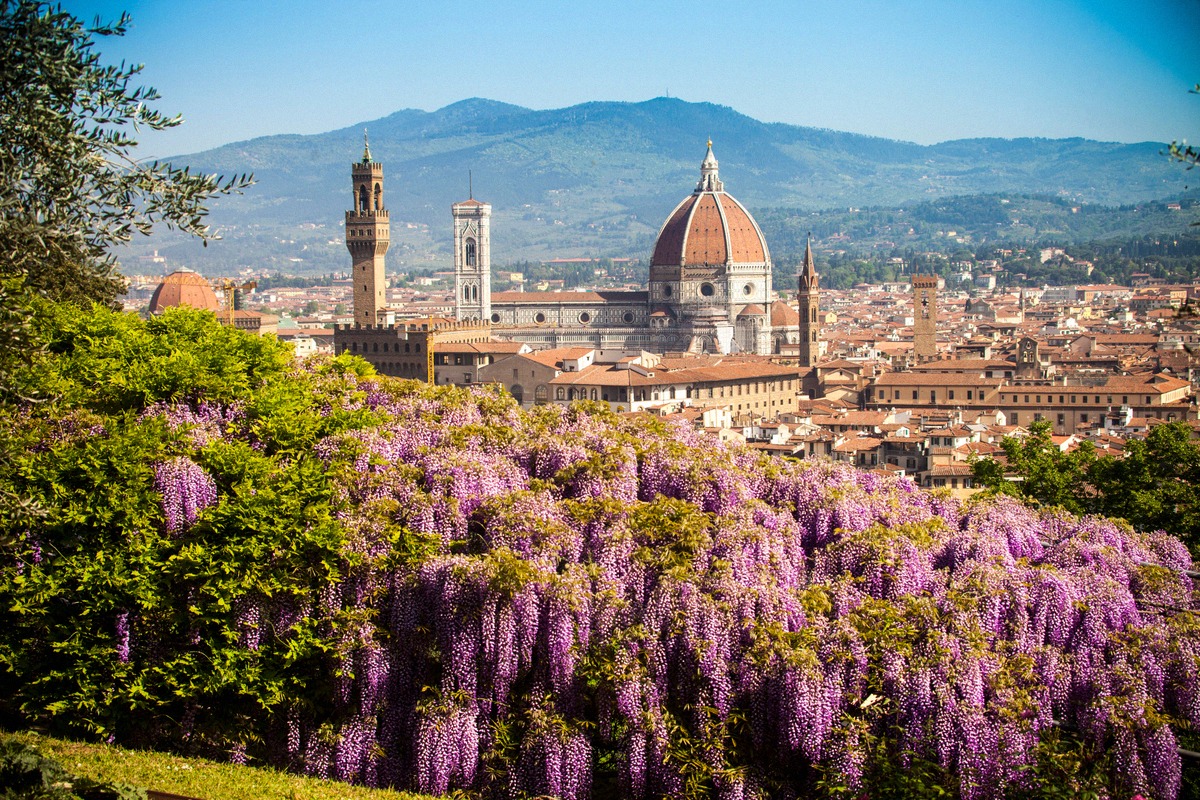
Giardino Bardini
This quiet terraced garden in the Oltrarno combines a Baroque staircase, the famous wisteria pergola and one of Florence's finest, most relaxed rooftop views.
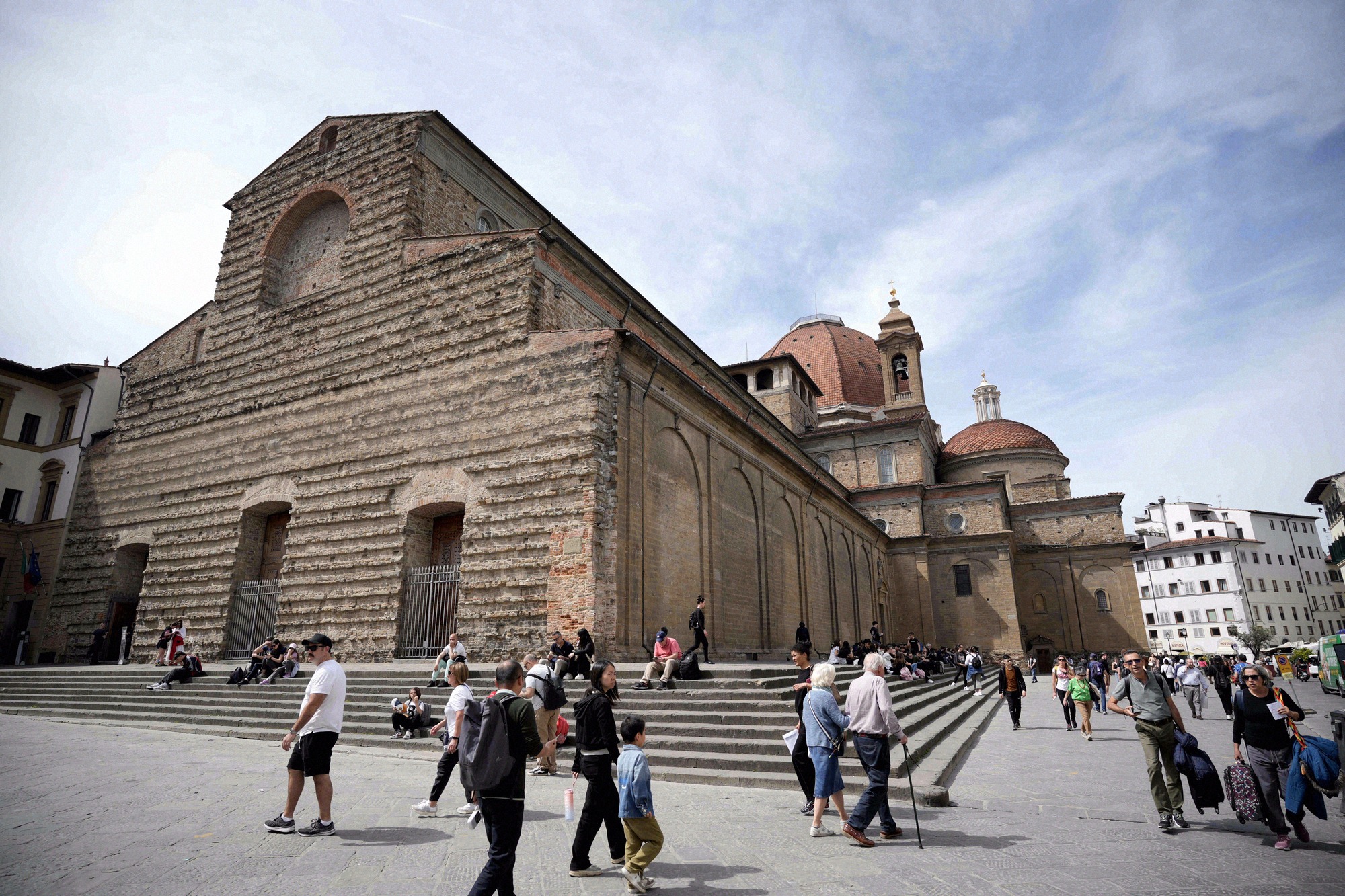
Basilica di San Lorenzo
The Basilica di San Lorenzo was the Medici family's parish and burial church, with Brunelleschi's Renaissance architecture, Donatello's bronze pulpits and Michelangelo's Biblioteca Laurenziana.
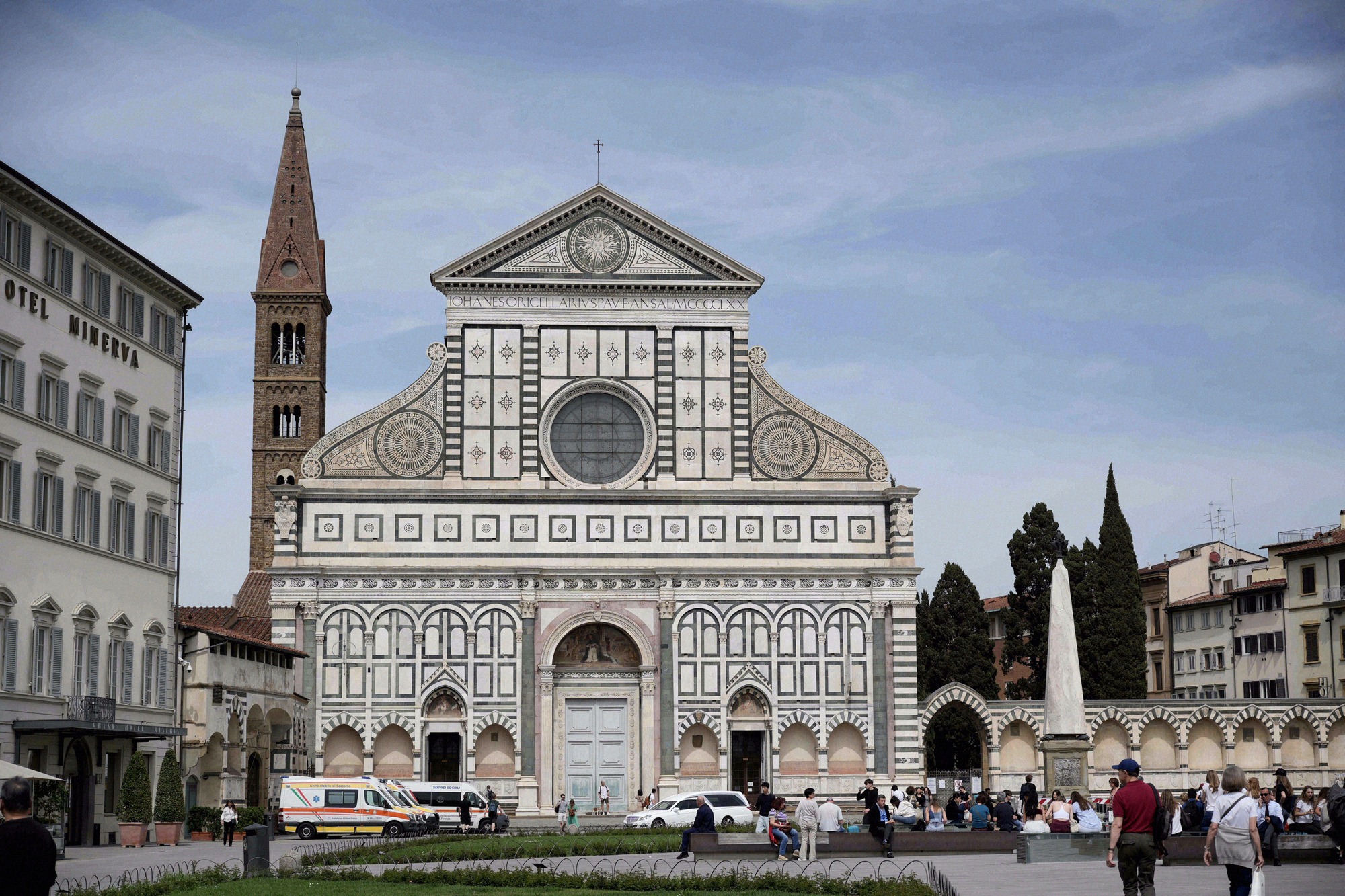
Santa Maria Novella
The Basilica di Santa Maria Novella by the main station pairs Alberti's Renaissance marble facade with Masaccio's groundbreaking Trinity fresco and Ghirlandaio's fresco cycle.
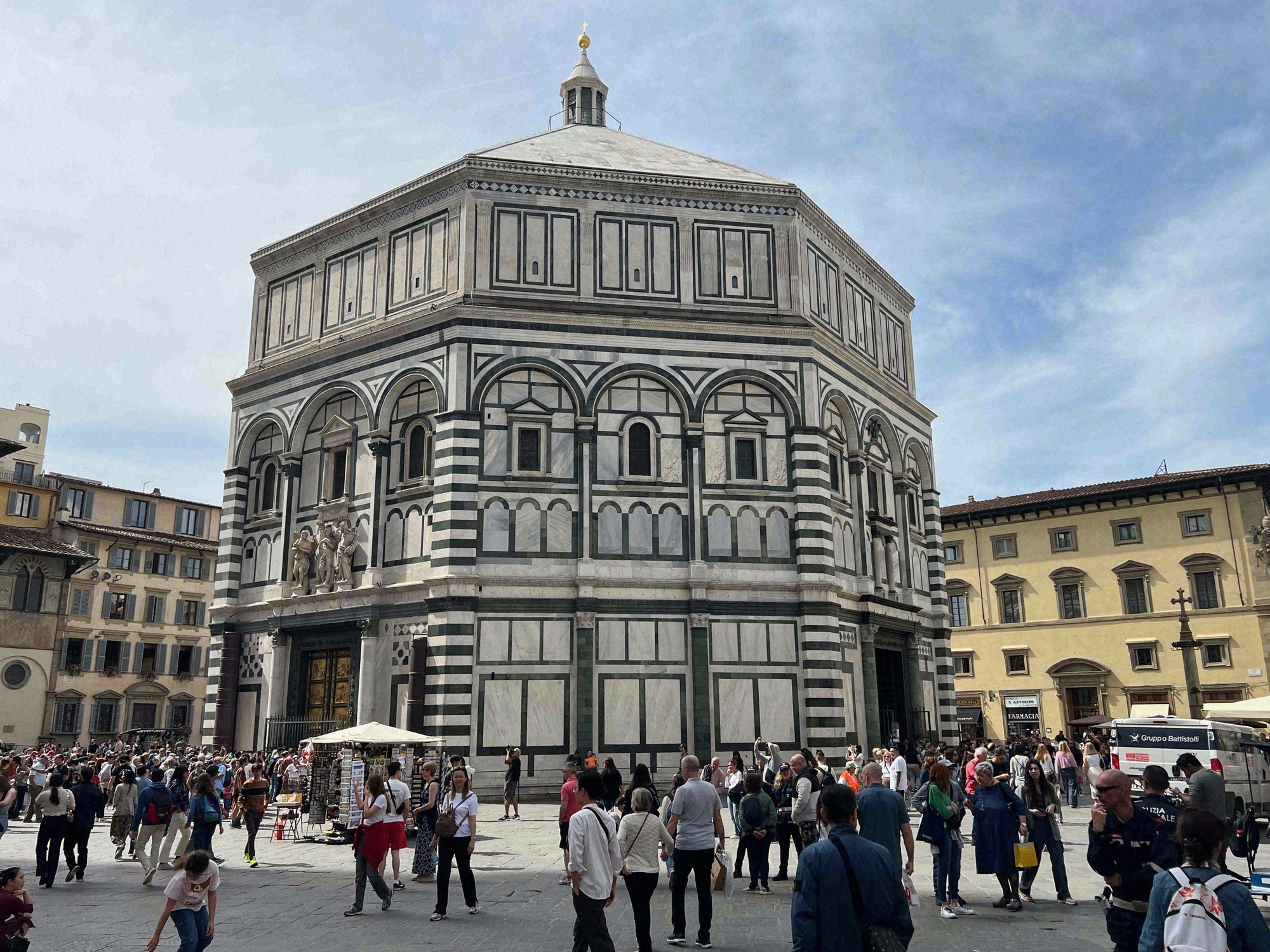
Florence Baptistery
The Battistero di San Giovanni facing the Duomo is one of Florence's oldest buildings, famed for Ghiberti's gilded Gates of Paradise and its golden mosaic ceiling.
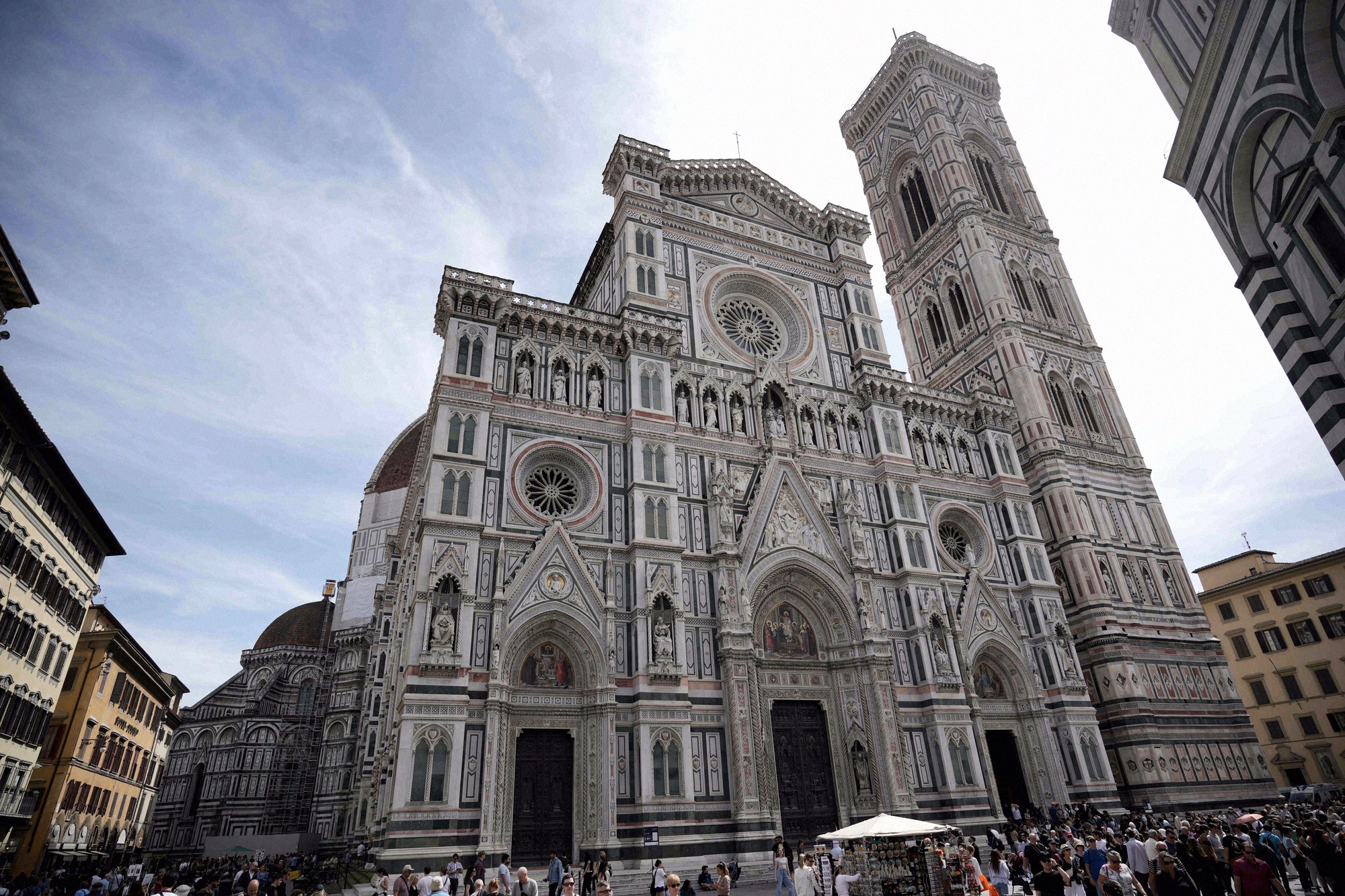
Giotto's Campanile
Giotto's marble-clad bell tower beside the Duomo climbs 414 steps to a terrace with the classic view of Brunelleschi's dome directly opposite.
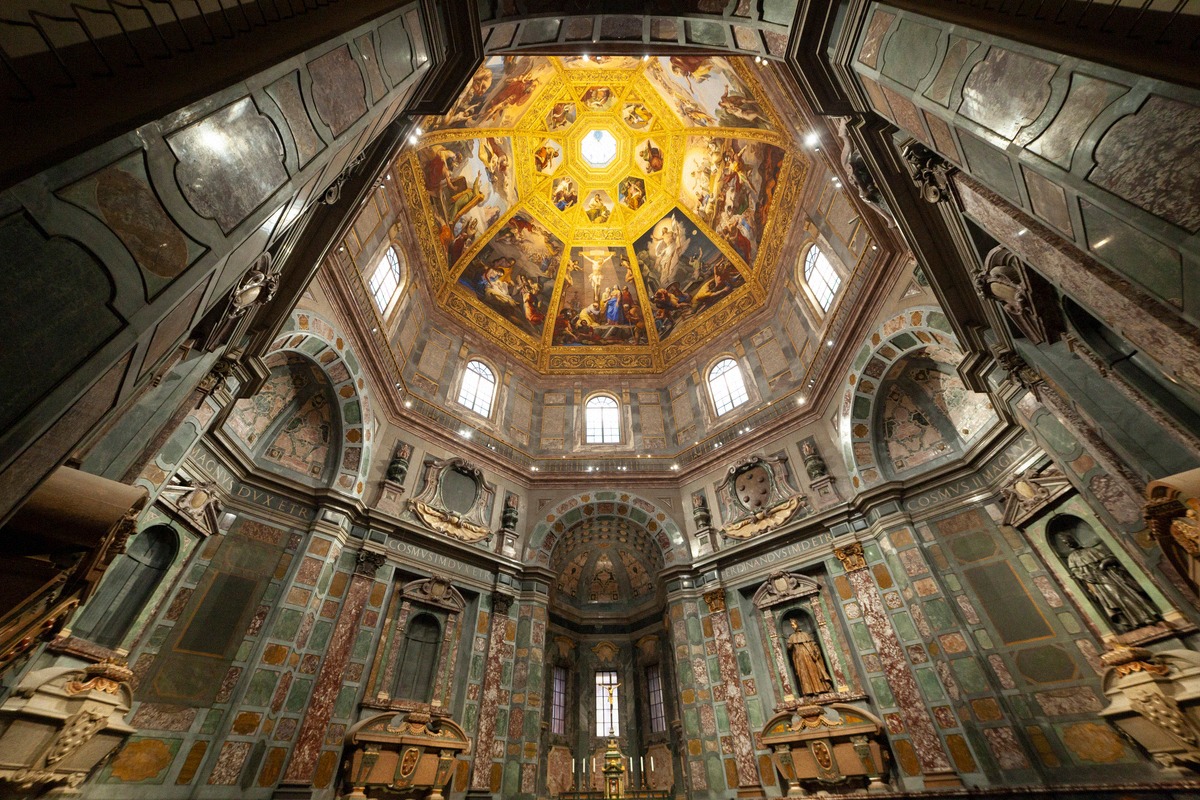
Medici Chapels
The Medici family's mausoleum behind San Lorenzo combines the opulent Chapel of the Princes with Michelangelo's New Sacristy and its famous Times of Day allegories.
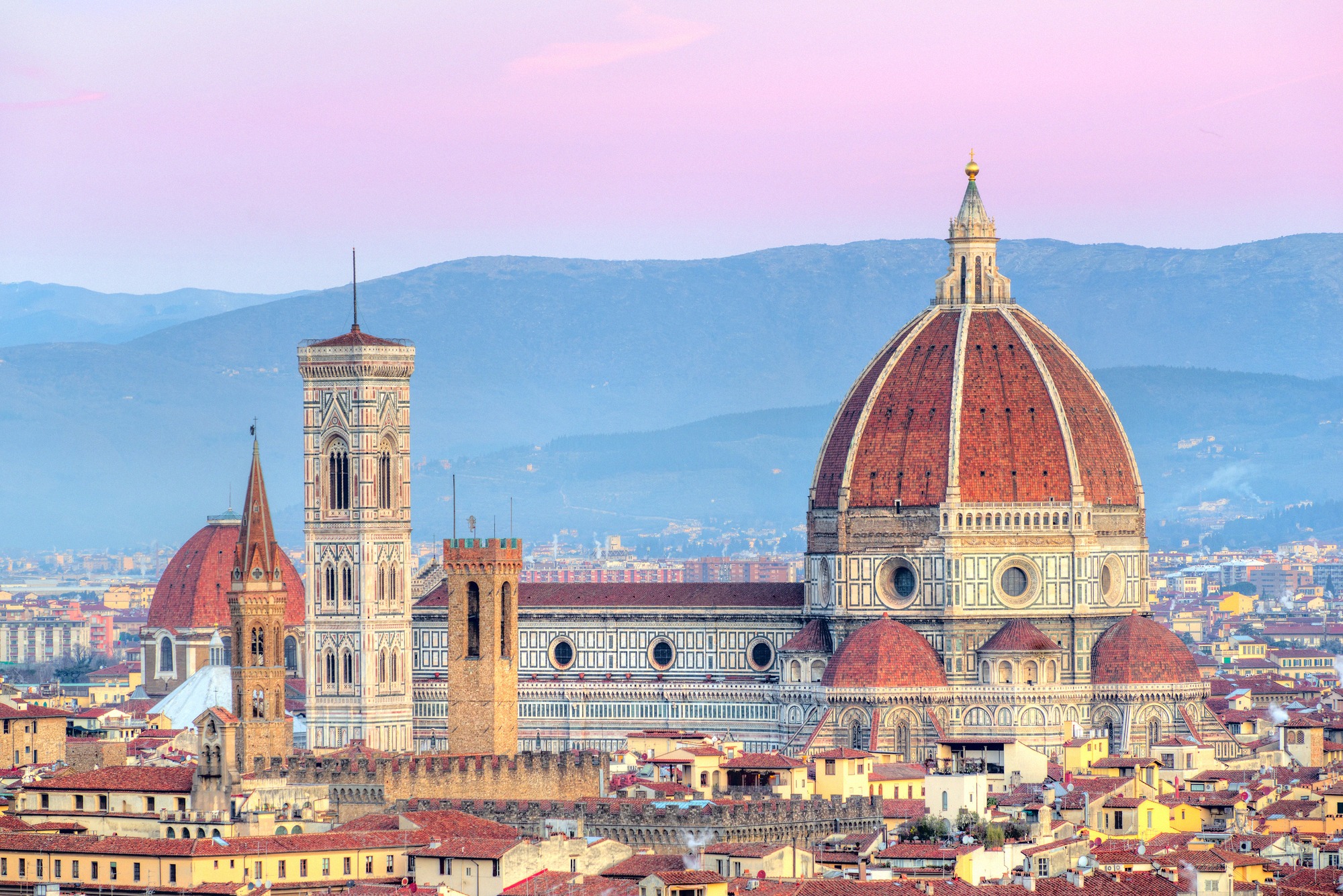
Florence Cathedral
Santa Maria del Fiore, Florence's Gothic cathedral, is topped by Brunelleschi's world-famous dome. Entry is free; climbing the dome needs advance booking.
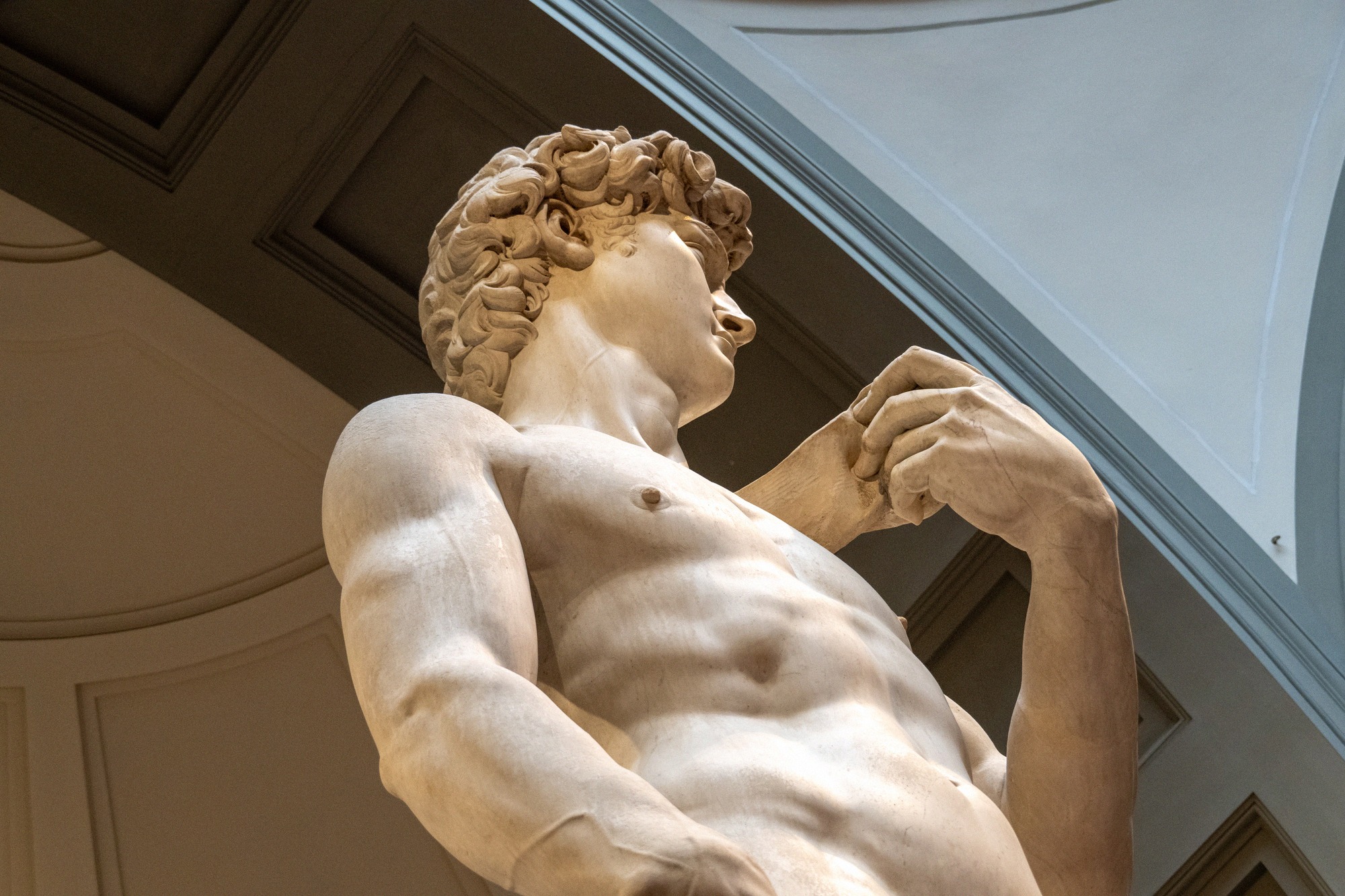
Galleria dell'Accademia
The Accademia Gallery holds the original of Michelangelo's David, five metres carved from a single block of Carrara marble, flanked by the unfinished Prigioni and Tuscan panel painting.
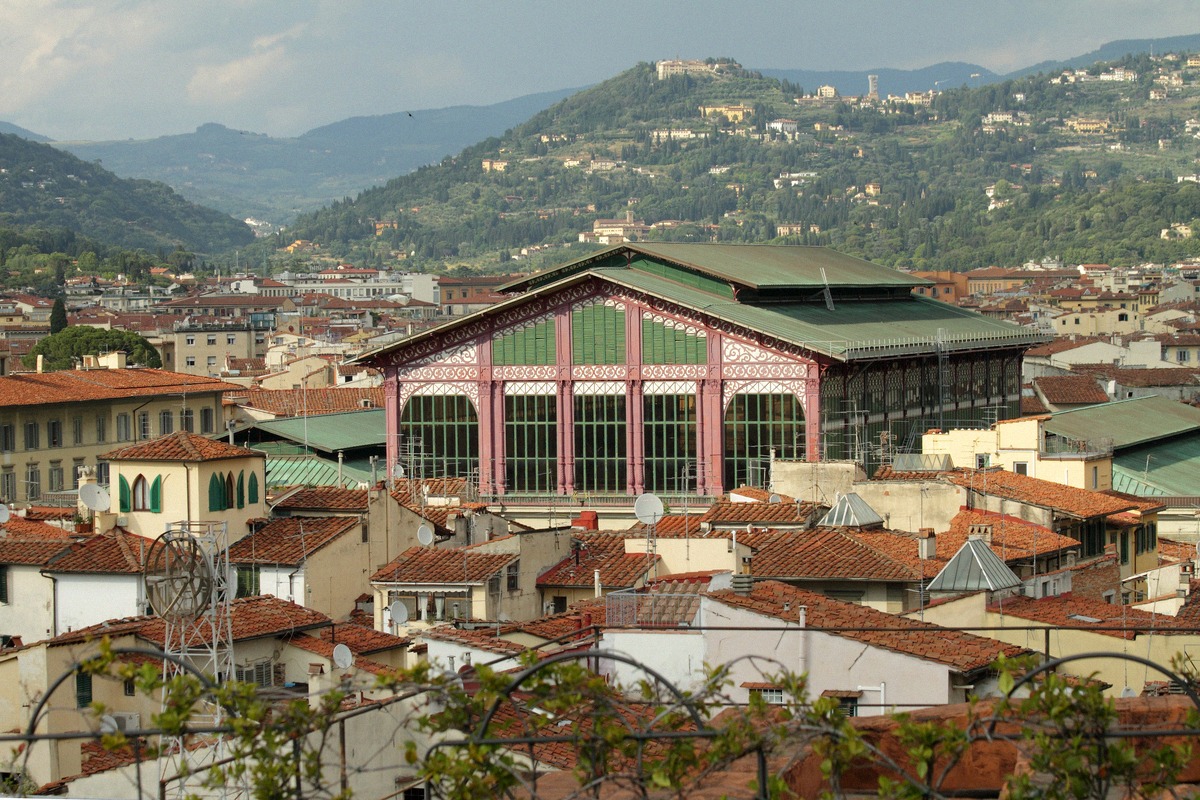
Mercato Centrale
The Mercato Centrale near San Lorenzo, a cast-iron hall from 1874, combines a fresh-produce market downstairs with a food court of over twenty stalls upstairs.
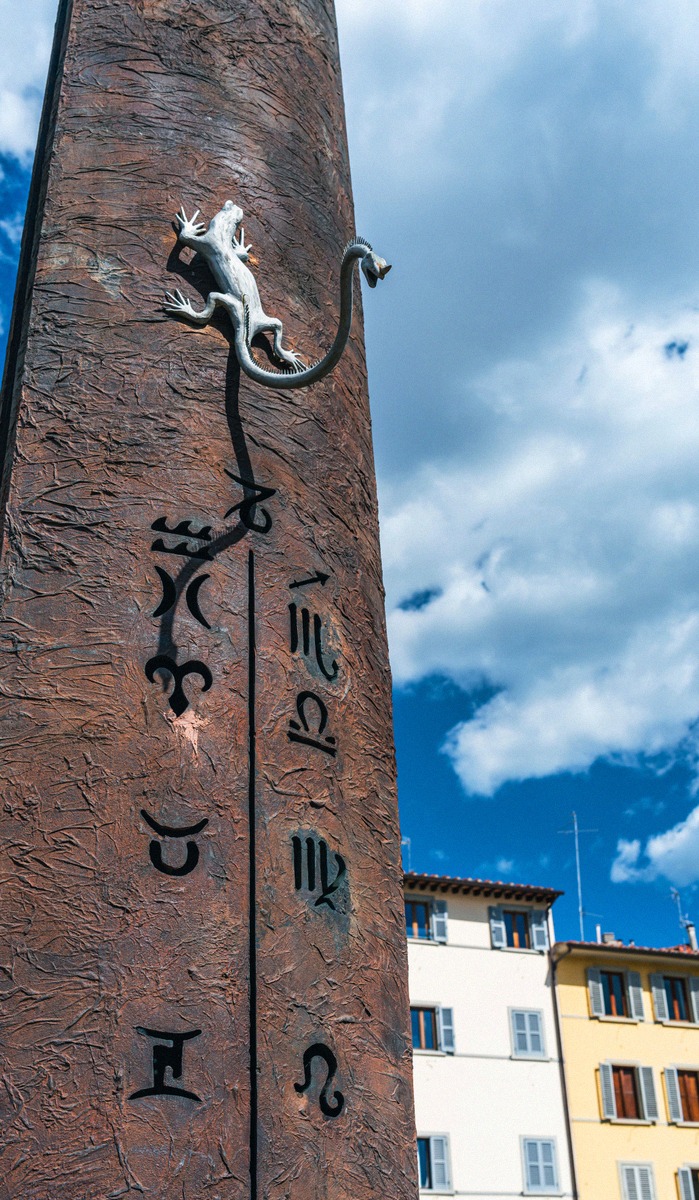
Museo Galileo
Right on the Arno behind the Uffizi, this science museum displays over 1000 historic instruments, ornate globes and Galileo's only two surviving telescopes.
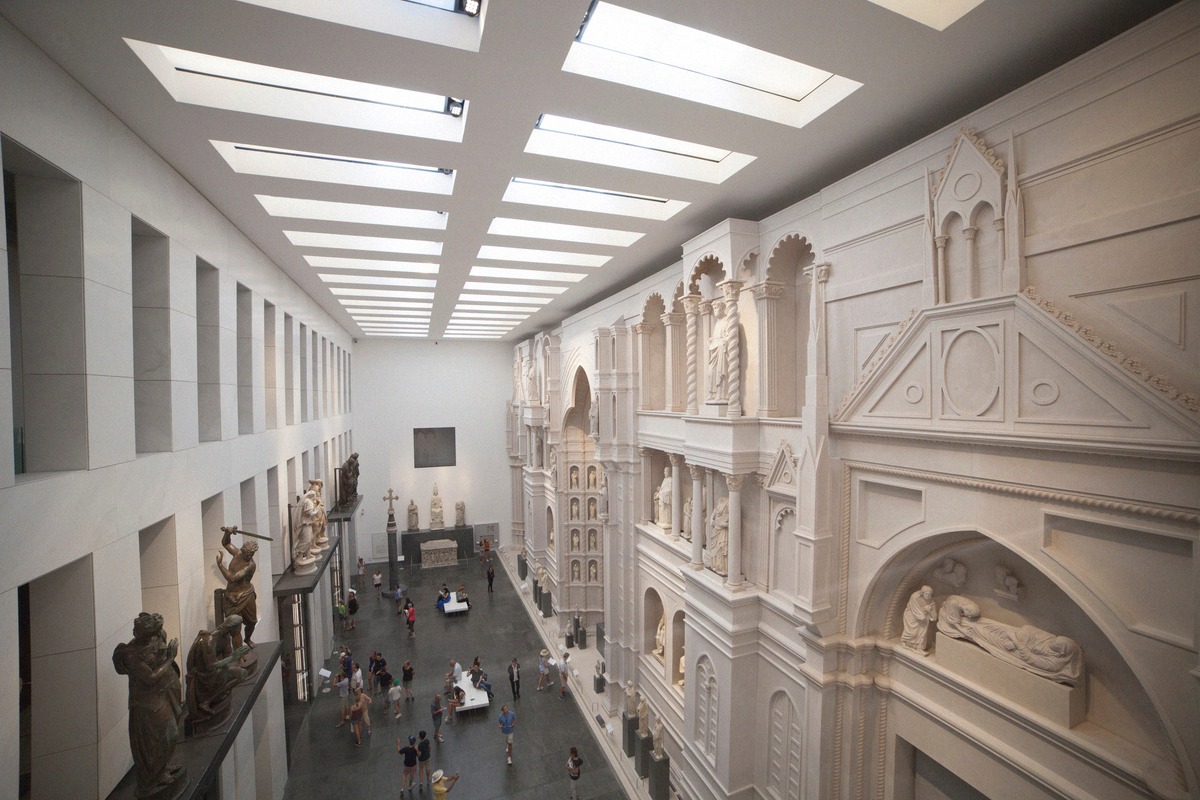
Museo dell'Opera del Duomo
The Opera del Duomo Museum holds the originals from the cathedral square - Ghiberti's Gates of Paradise, Donatello's sculptures and Michelangelo's Bandini Pietà, in a 2015 building with a reconstructed facade.
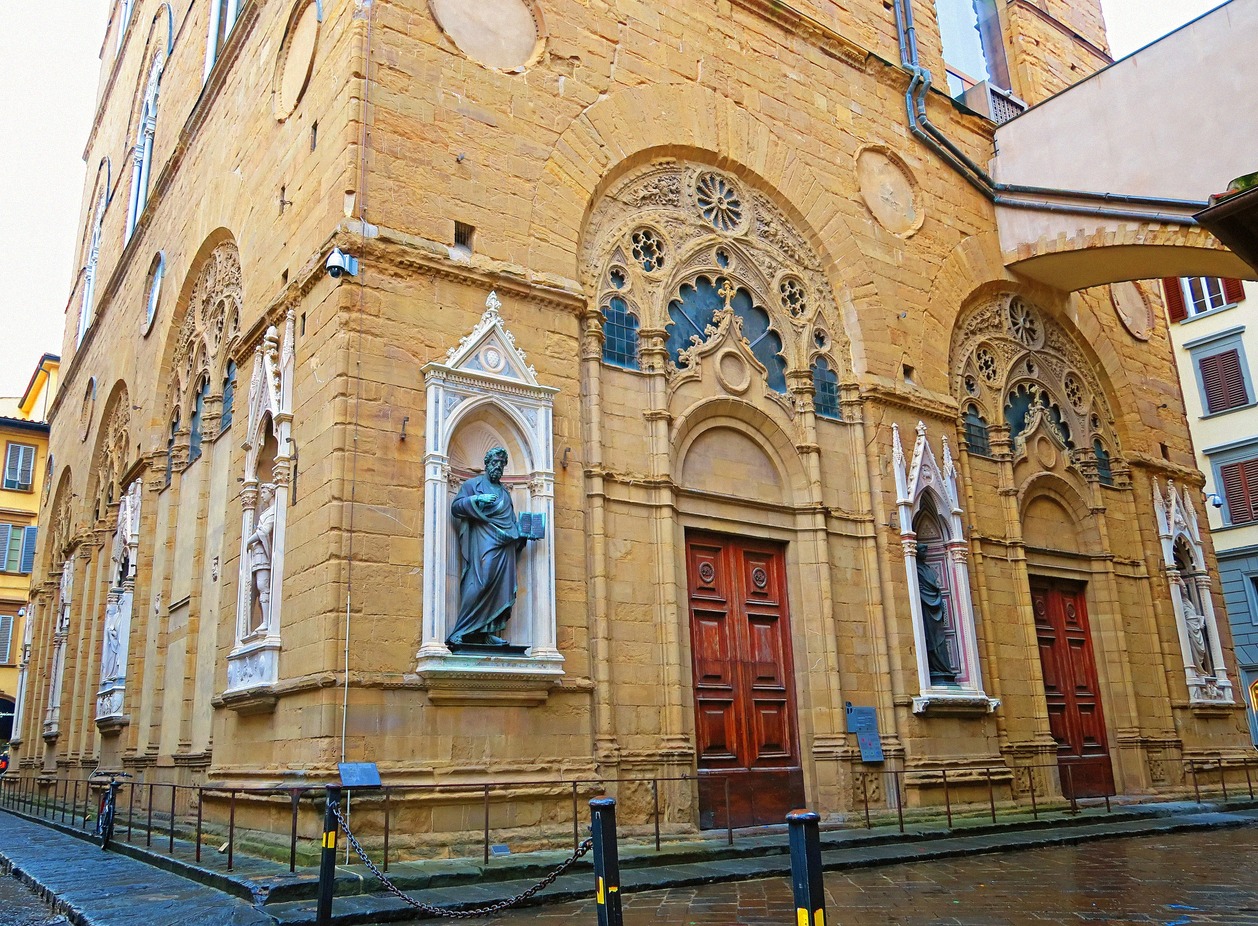
Orsanmichele
This solid guild church between the Duomo and Piazza della Signoria was once a grain market, famous for the saints' statues in its facade niches and the sculpture museum upstairs.
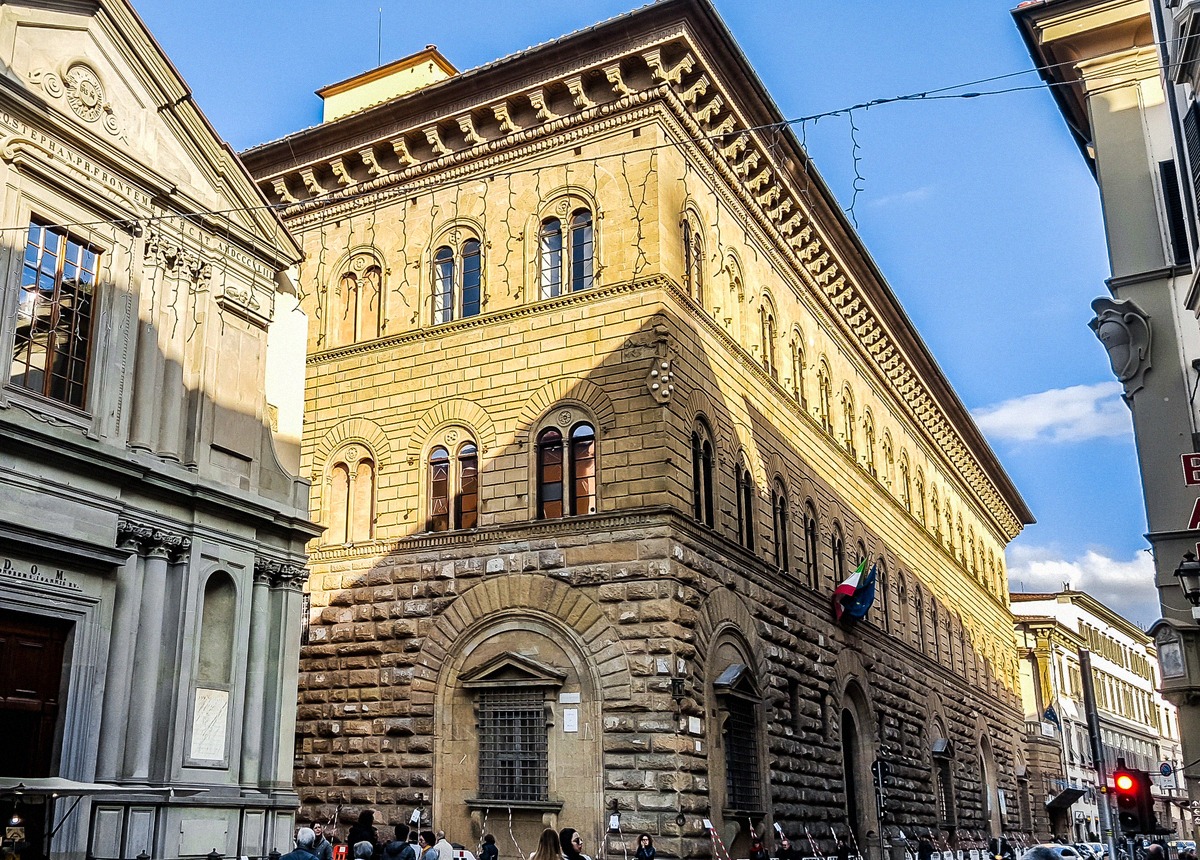
Palazzo Medici Riccardi
The first great Medici city palace, built from 1444 by Michelozzo. Famous for Benozzo Gozzoli's radiant fresco cycle of the Magi and Luca Giordano's Baroque Hall of Mirrors.
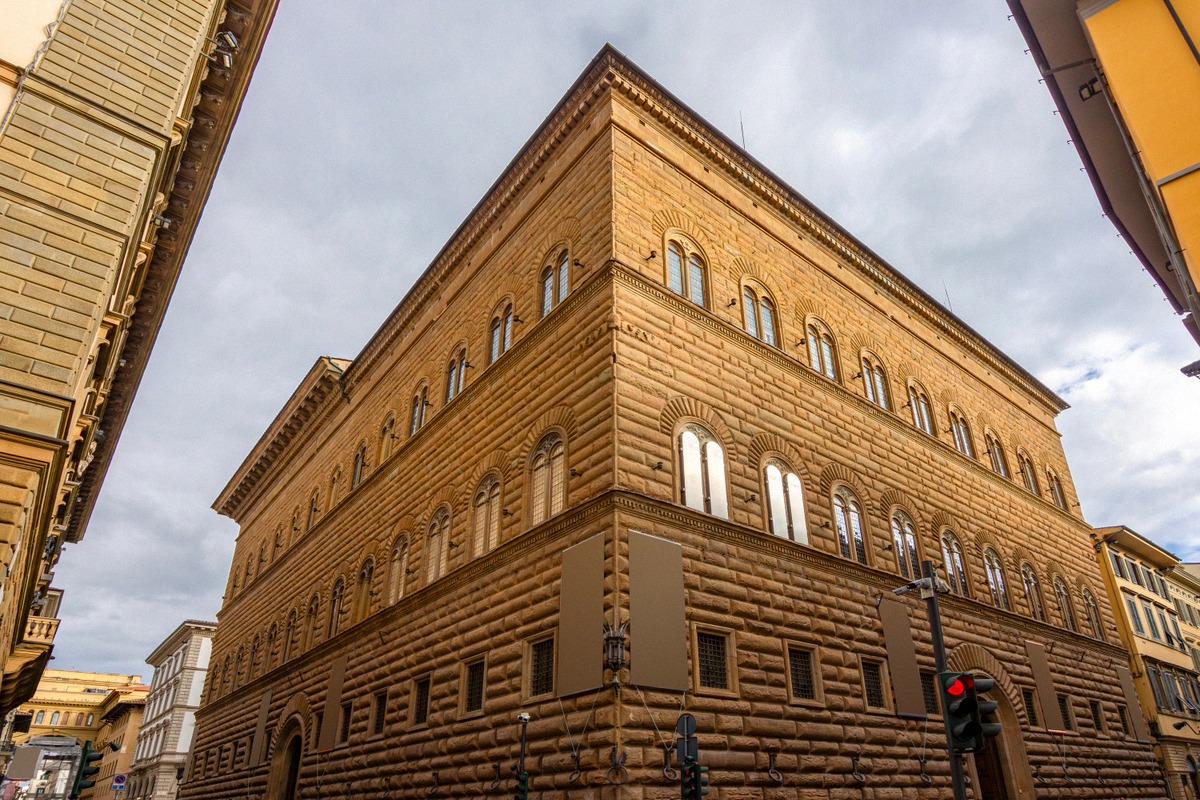
Palazzo Strozzi
The imposing Renaissance palace on Via de' Tornabuoni is Florence's leading venue for major temporary exhibitions; the arcaded courtyard is free to enter.
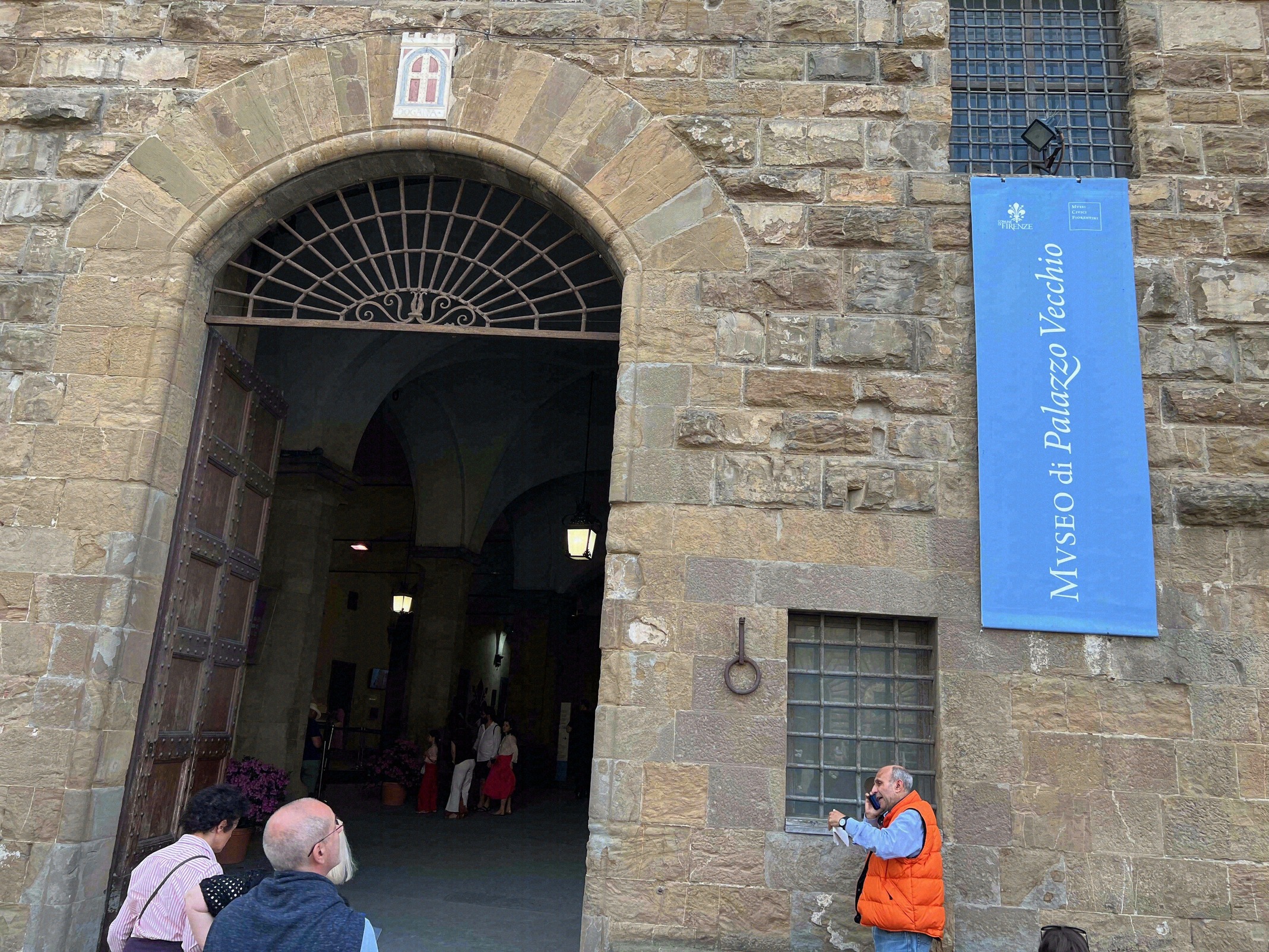
Palazzo Vecchio
Palazzo Vecchio on Piazza della Signoria has been Florence's town hall since the 14th century, home to the Hall of the Five Hundred and the Torre di Arnolfo.
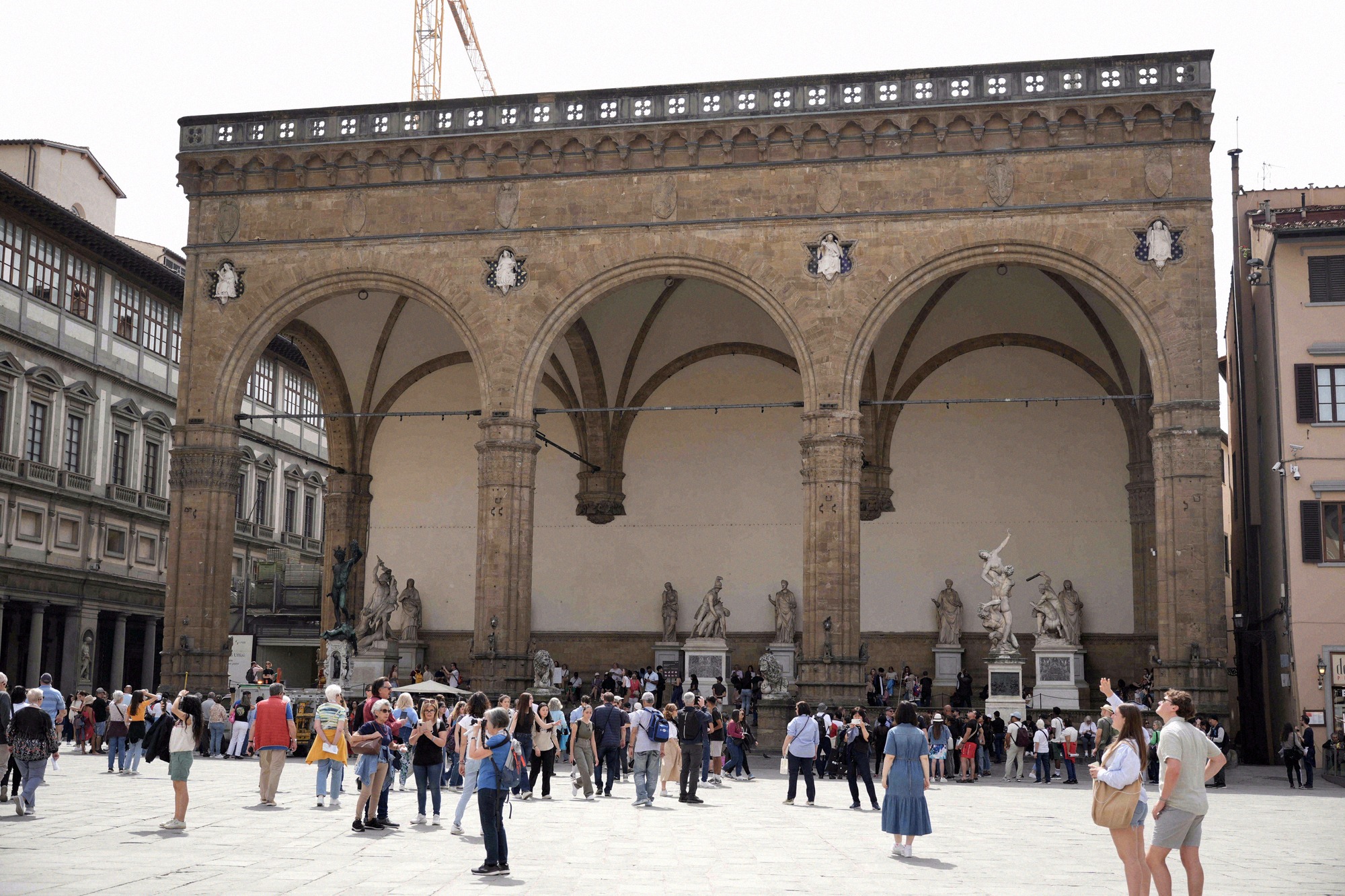
Piazza della Signoria
Florence's political square is a free open-air museum in front of the Palazzo Vecchio, with the Neptune Fountain, a copy of David and Renaissance sculpture in the Loggia dei Lanzi.
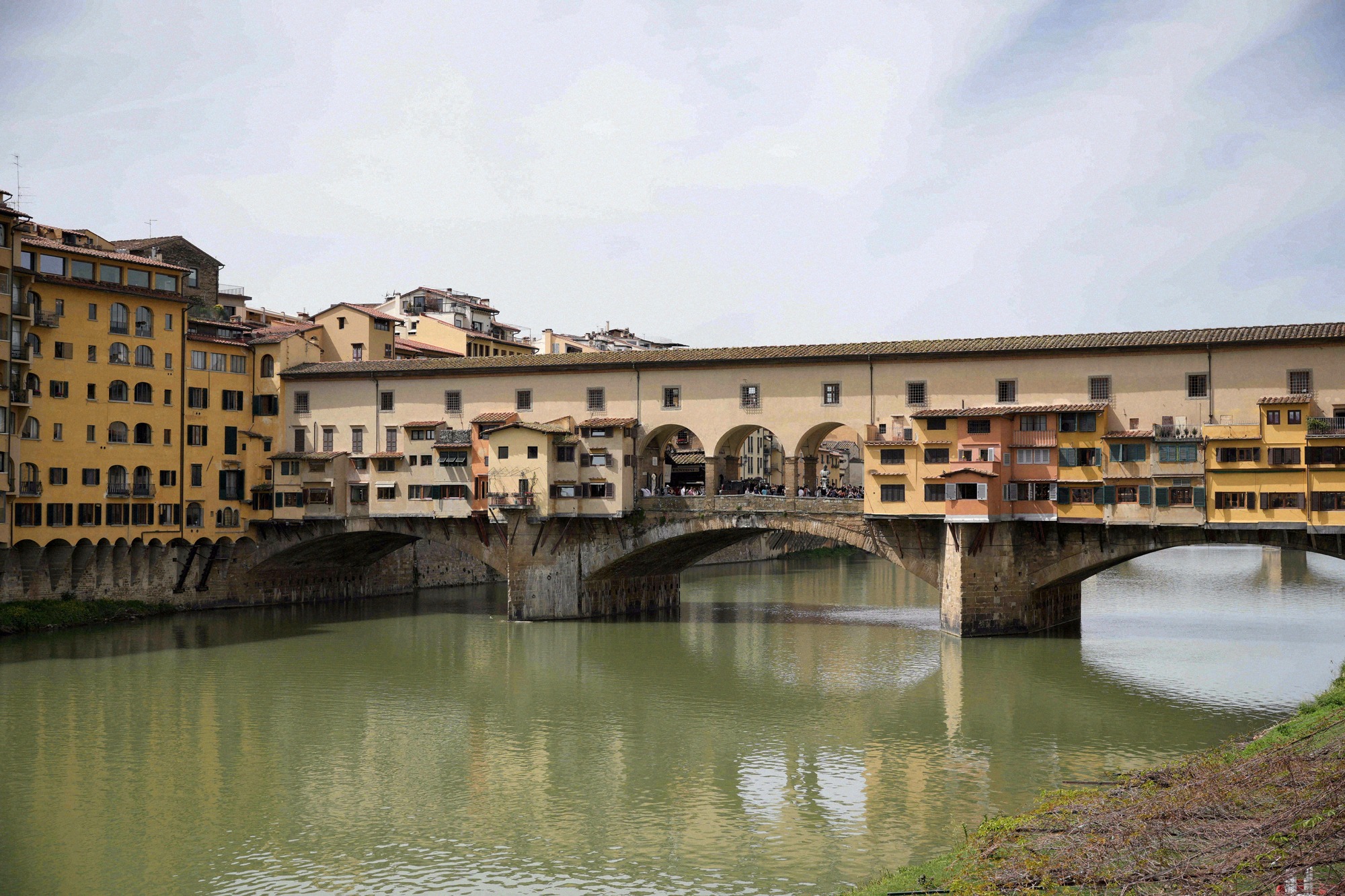
Ponte Vecchio
The Ponte Vecchio is Florence's oldest bridge, still lined with small goldsmiths' shops since 1593, with the reopened Vasari Corridor running above the Arno.
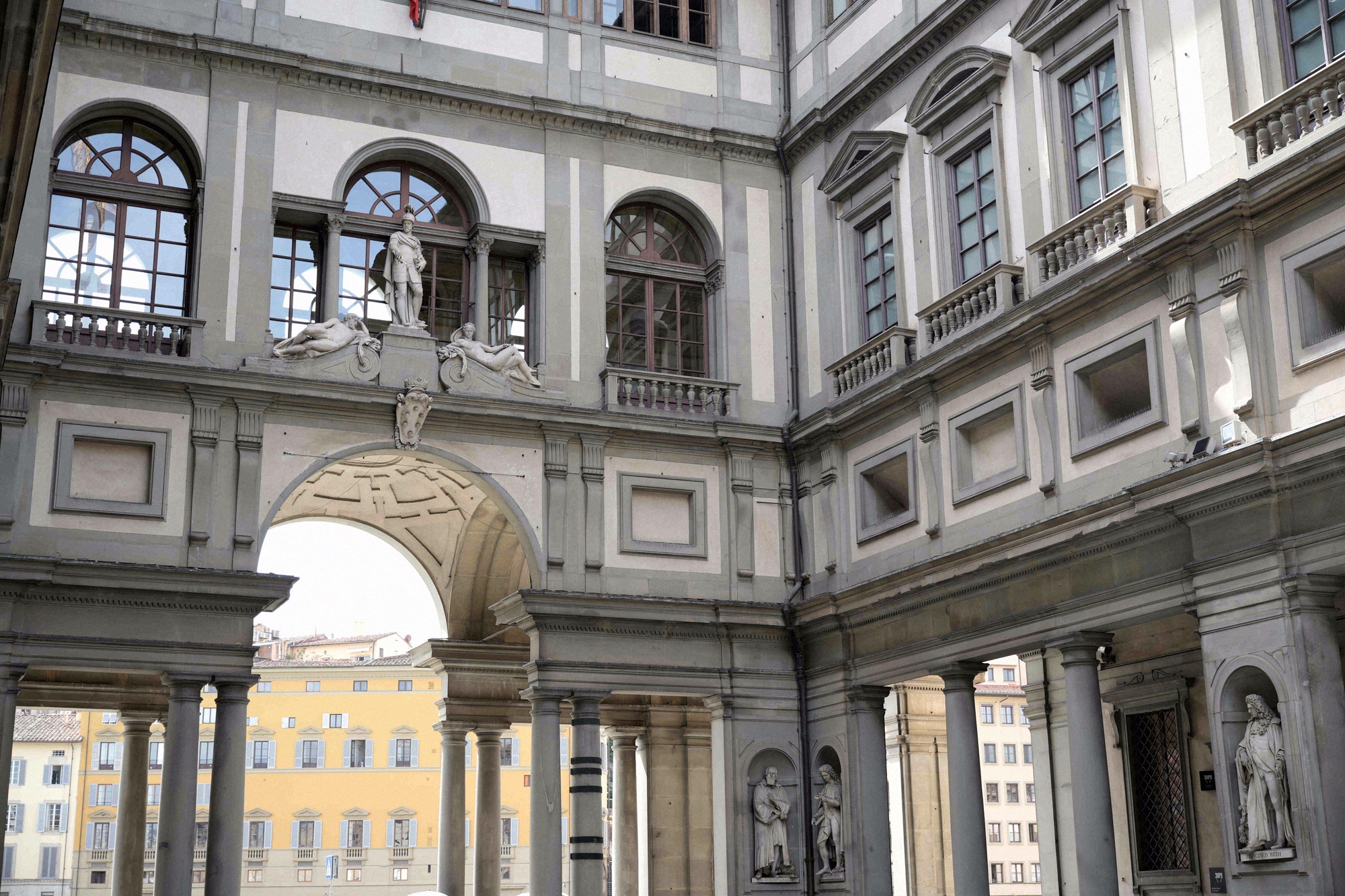
Uffizi Gallery
The Uffizi Gallery holds the world's finest Renaissance collection - Botticelli, Leonardo, Raphael, Caravaggio. Book a timed-entry ticket in advance.