
Without the dome
Campanile, Baptistery and Cathedral Museum
Climb Giotto's Campanile and visit the Baptistery, the Museo dell'Opera and Santa Reparata.
4.1 (999) · Tiqets
From €29.90
Book TicketOctagonal baptistery famous for Ghiberti's Gates of Paradise
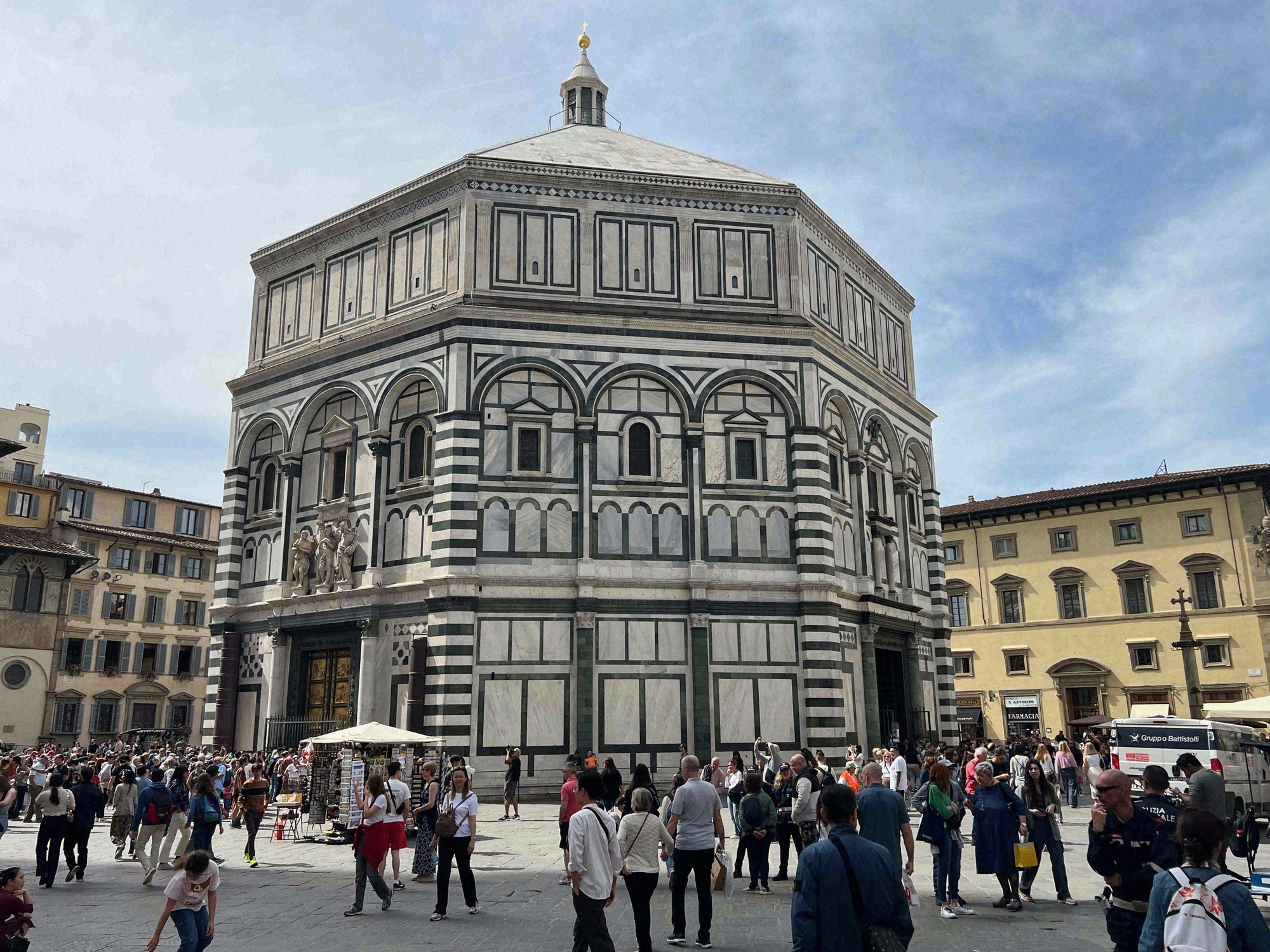
The Battistero di San Giovanni facing the Duomo is one of Florence's oldest buildings, famed for Ghiberti's gilded Gates of Paradise and its golden mosaic ceiling.
Tickets
Without the dome
Climb Giotto's Campanile and visit the Baptistery, the Museo dell'Opera and Santa Reparata.
4.1 (999) · Tiqets
From €29.90
Book TicketThe Battistero di San Giovanni stands opposite the Duomo and ranks among Florence's oldest and most important buildings. The octagonal structure, clad in green-and-white marble, dates in its core to the 11th century and served for centuries as the city's baptistery. Every Florentine was baptised here, including the poet Dante, who mentions the Baptistery in his "Divine Comedy". The building is dedicated to St John the Baptist, the city's patron saint.
World-famous are the three bronze doors, above all the gilded east portal by Lorenzo Ghiberti, which Michelangelo praised as the "Gate of Paradise". Its ten relief panels depict scenes from the Old Testament in exquisite goldsmith's work. Worth knowing: the panels on the building today are faithful copies. The restored originals of all three doors are on display at the Museo dell'Opera del Duomo in the Sala del Paradiso - anyone wanting to see the genuine reliefs up close should factor in a visit to the Cathedral Museum.
The interior is normally crowned by a magnificent gold-ground mosaic ceiling depicting the Last Judgement above the octagonal space, one of Italy's most significant Byzantine-influenced mosaic works. Right now, however, the vault is covered for restoration and cannot be seen in 2026. This is the key thing to know before visiting: without the mosaics, the interior offers mainly the architecture, the marble floor, and Donatello's tomb of the antipope John XXIII. Check the official website for the latest status before you go.
The Baptistery cannot be booked separately, it's only accessible as part of an Opera del Duomo combined pass. Three passes include it:
Children under 7 enter free. The reduced Ghiberti Pass rate for students is only available at the ticket office on site. Without the mosaics on view, a visit takes about 30 to 45 minutes. Since entry is tied to a timed pass, queues here are rarely long, even so, it's best to arrive right at opening, 8:30, before the cathedral square fills up.
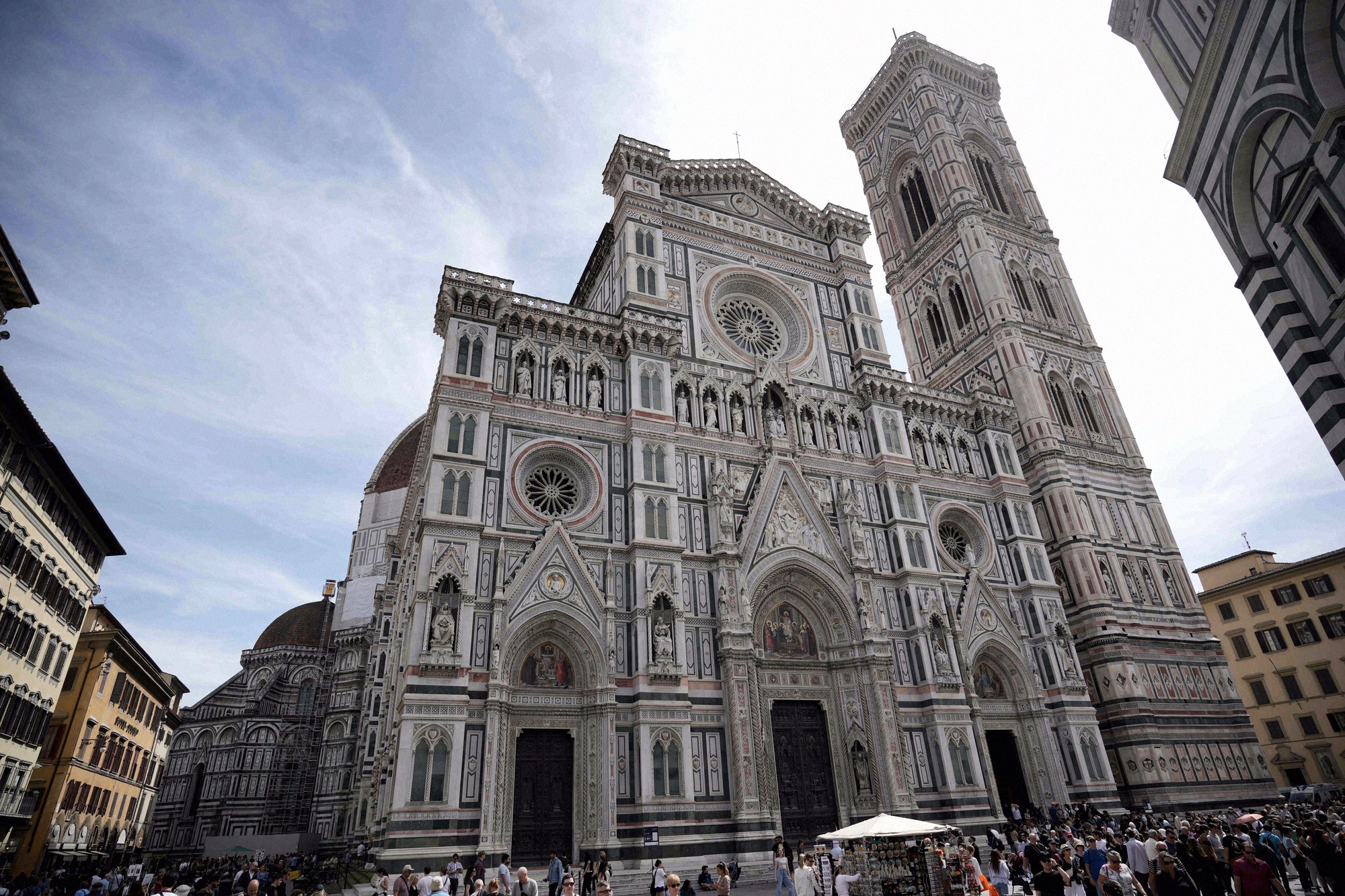
Giotto's marble-clad bell tower beside the Duomo climbs 414 steps to a terrace with the classic view of Brunelleschi's dome directly opposite.
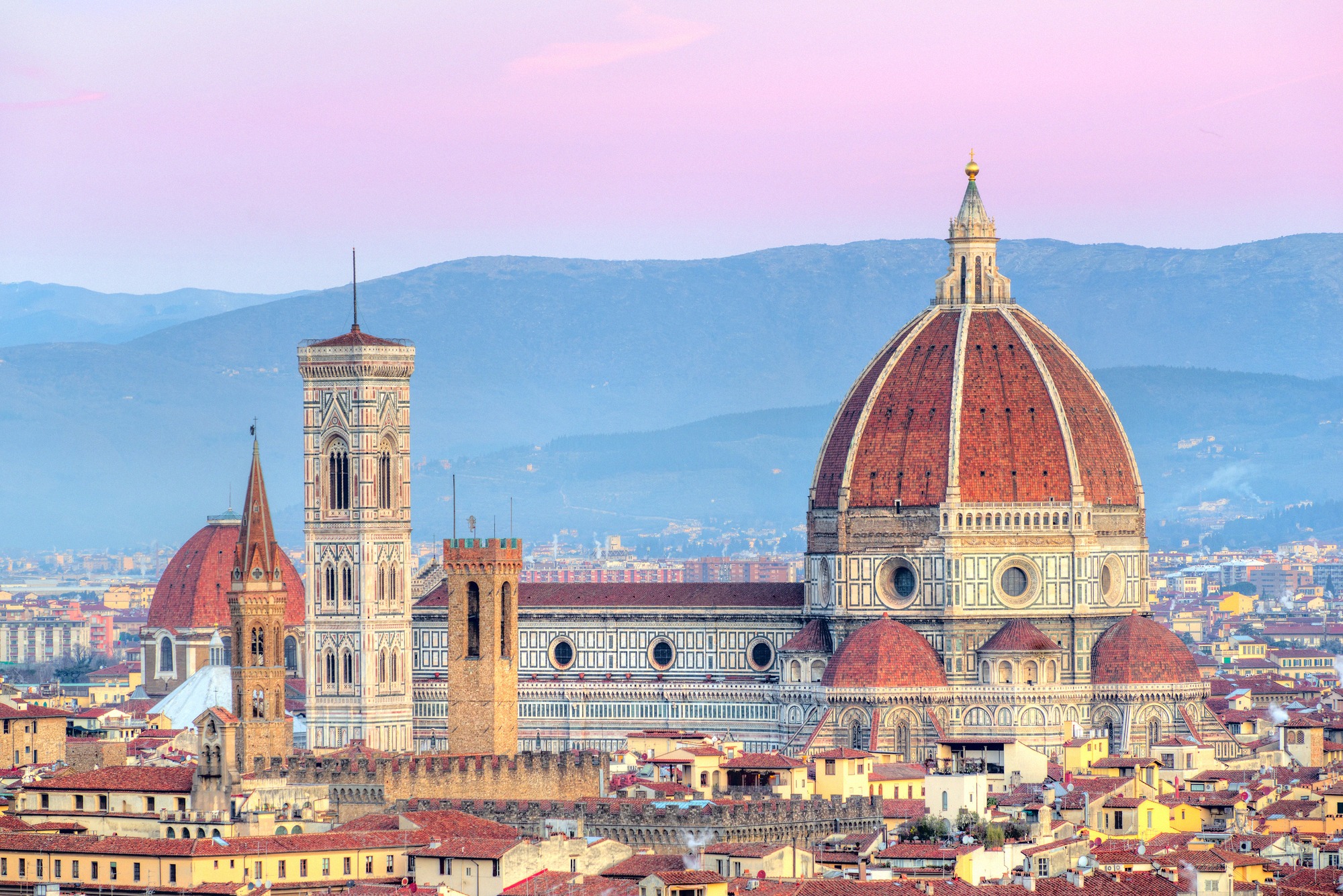
Santa Maria del Fiore, Florence's Gothic cathedral, is topped by Brunelleschi's world-famous dome. Entry is free; climbing the dome needs advance booking.
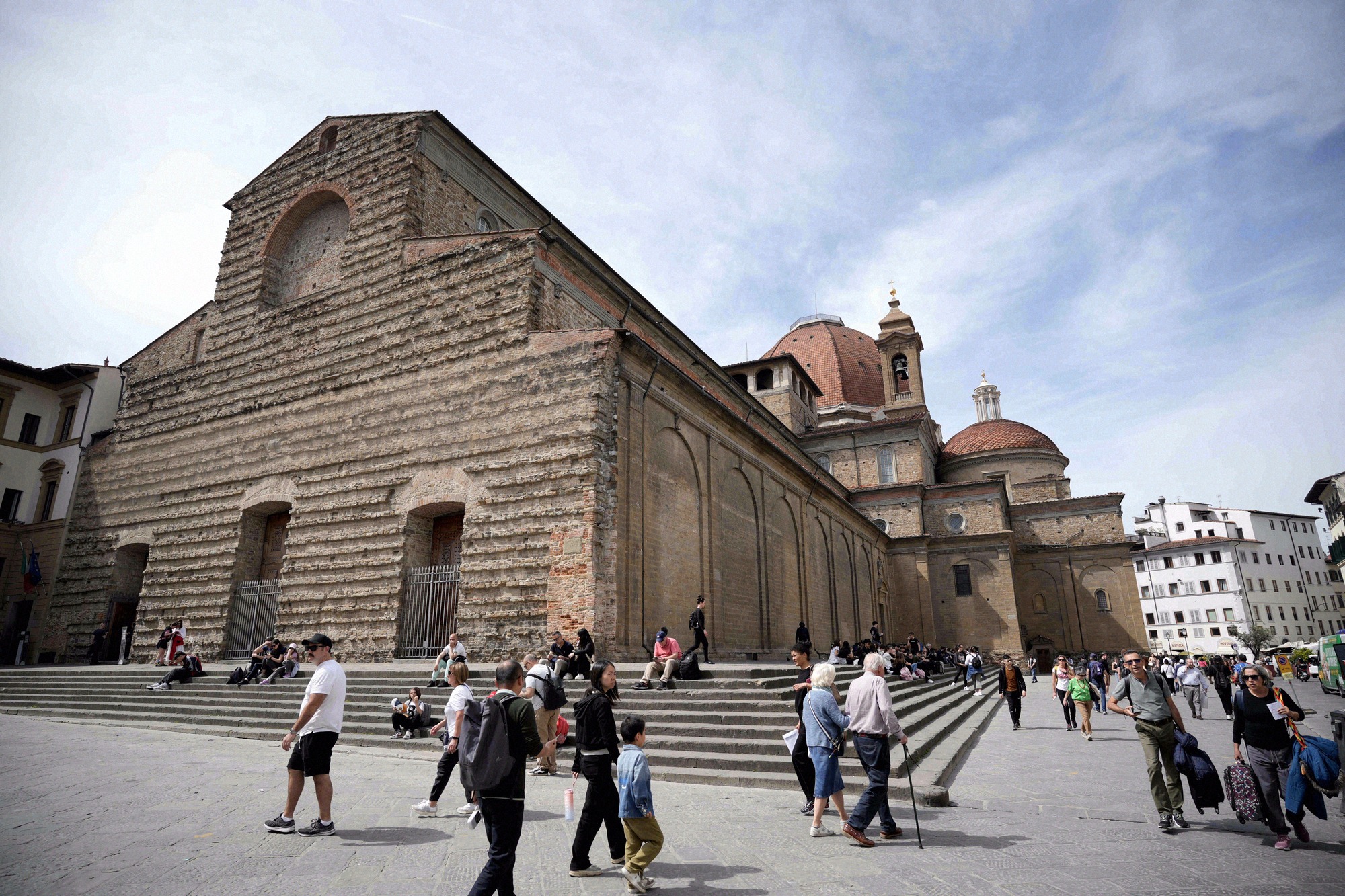
The Basilica di San Lorenzo was the Medici family's parish and burial church, with Brunelleschi's Renaissance architecture, Donatello's bronze pulpits and Michelangelo's Biblioteca Laurenziana.
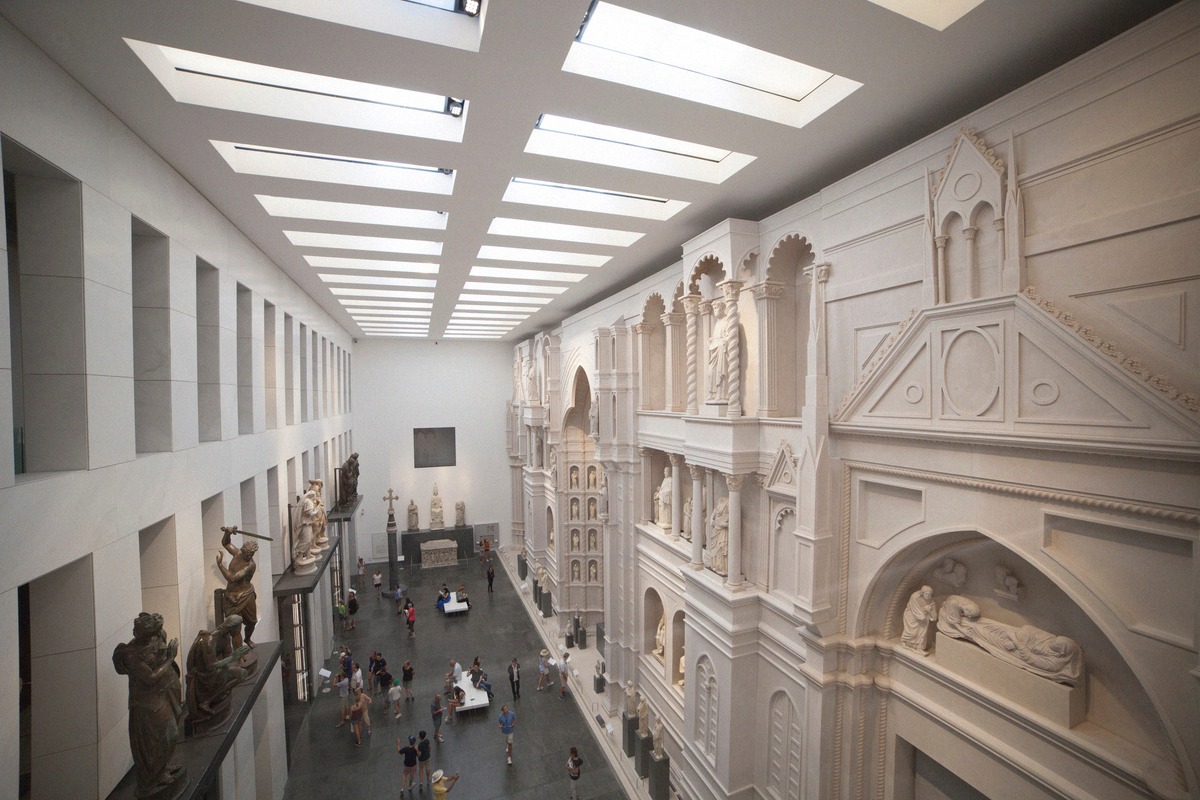
The Opera del Duomo Museum holds the originals from the cathedral square - Ghiberti's Gates of Paradise, Donatello's sculptures and Michelangelo's Bandini Pietà, in a 2015 building with a reconstructed facade.
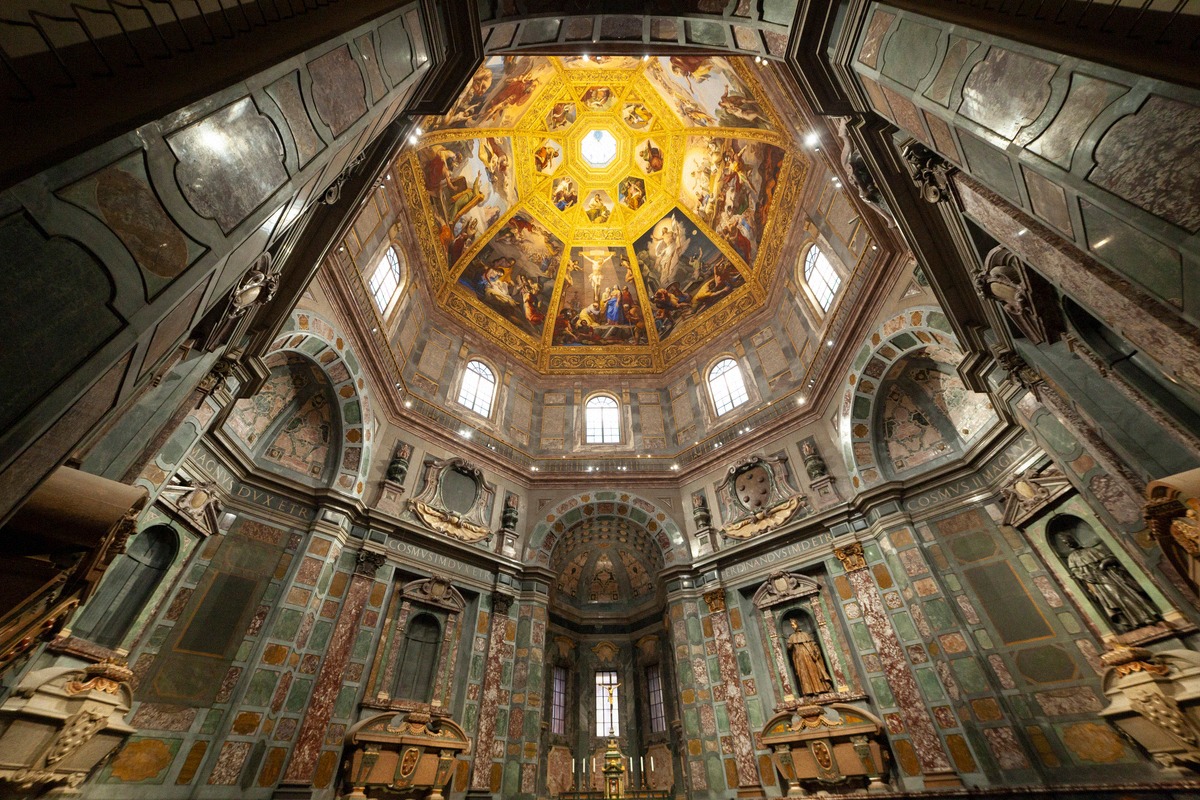
The Medici family's mausoleum behind San Lorenzo combines the opulent Chapel of the Princes with Michelangelo's New Sacristy and its famous Times of Day allegories.
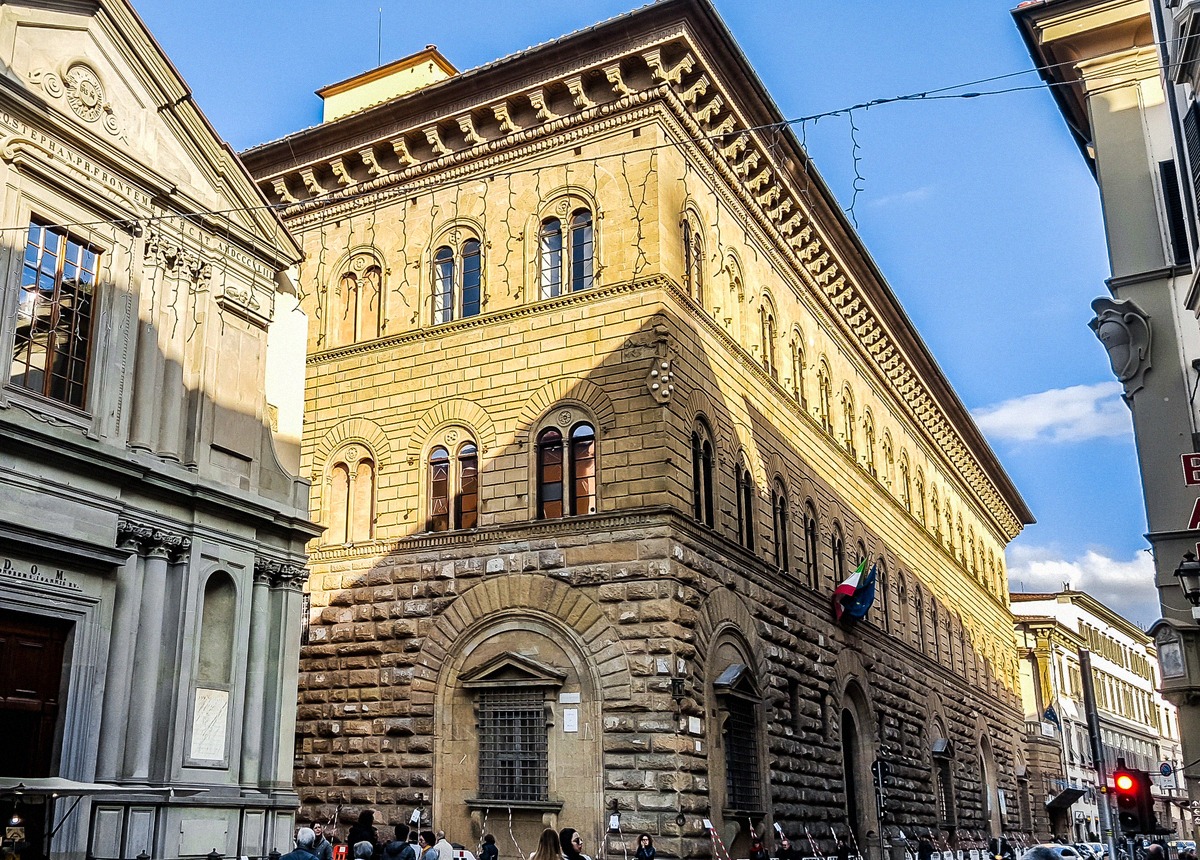
The first great Medici city palace, built from 1444 by Michelozzo. Famous for Benozzo Gozzoli's radiant fresco cycle of the Magi and Luca Giordano's Baroque Hall of Mirrors.