
Admission
Medici Chapels admission
Entry to the Medici Chapels with a digital audio guide to Florence.
4.5 (903) · Tiqets
From €19
Book TicketMedici mausoleum with Michelangelo's New Sacristy
The Medici family's mausoleum behind San Lorenzo combines the opulent Chapel of the Princes with Michelangelo's New Sacristy and its famous Times of Day allegories.
Tickets
Admission
Entry to the Medici Chapels with a digital audio guide to Florence.
4.5 (903) · Tiqets
From €19
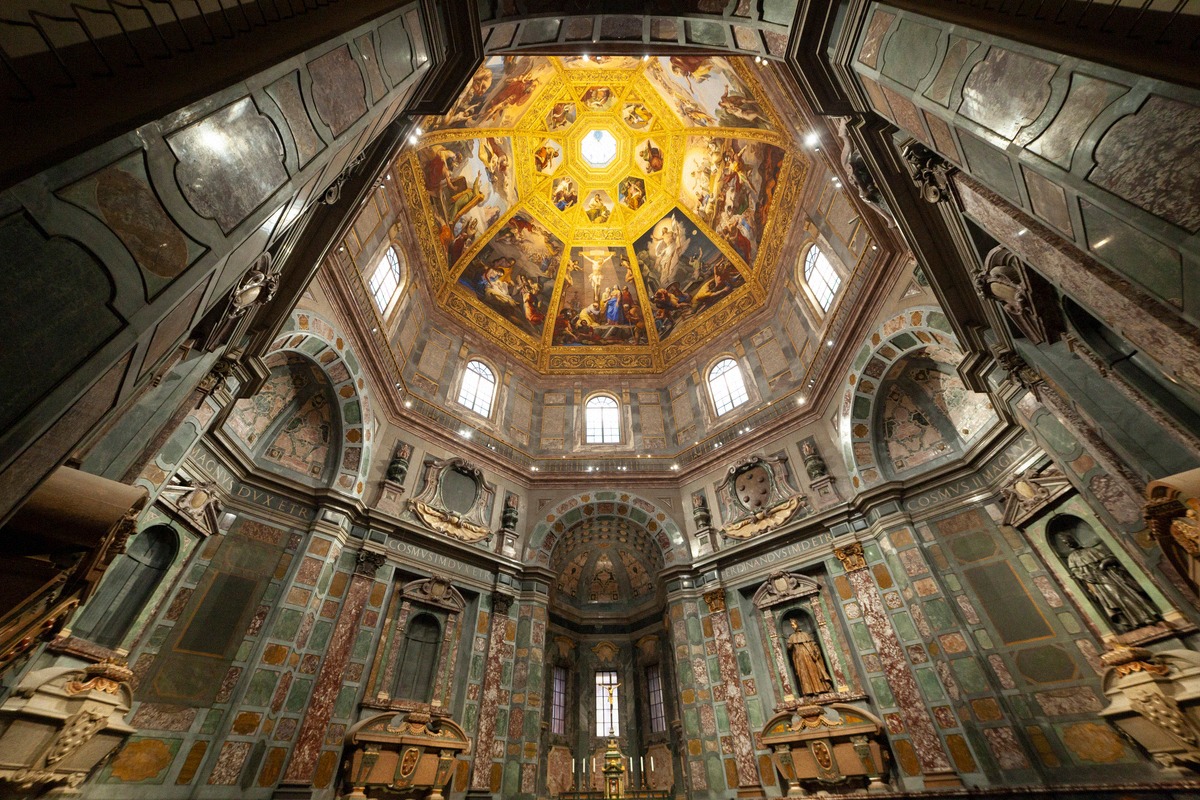
Book TicketThe Medici Chapels (Cappelle Medicee), at the rear of San Lorenzo, form the monumental mausoleum of the dynasty that shaped Florence for centuries. They now belong to the Bargello Musei group and are a separate museum visit, not to be confused with the adjoining Basilica di San Lorenzo, which has its own entrance and its own ticket. If you want to see both, plan two separate visits.
Two very different spaces make the appeal: the overwhelmingly opulent Cappella dei Principi and the restrained, more artistically significant New Sacristy by Michelangelo.
The Chapel of the Princes is the first large hall and a showcase of princely wealth. Work on the octagonal domed structure began in 1604 under Grand Duke Ferdinando I, to a design by Don Giovanni de' Medici. Bernardo Buontalenti oversaw construction until 1608, after which Matteo Nigetti completed the mausoleum around 1640. The dome rises roughly 59 metres.
The walls are covered entirely in precious marble and semi-precious stone inlay (pietre dure) - a Florentine speciality whose execution stretched over decades. It holds the cenotaphs of six Tuscan grand dukes: Cosimo I, Francesco I, Ferdinando I, Cosimo II, Ferdinando II and Cosimo III. The actual graves lie in the crypt below.
The artistic heart of the site is the New Sacristy (Sagrestia Nuova). Built from 1519/1520, it was Michelangelo's first architectural work, a bright, clearly structured burial chamber in grey pietra serena and white marble, conceived as a deliberate counterpart to Brunelleschi's Old Sacristy in San Lorenzo.
Its famous marble tombs carry allegories of the four times of day: on the sarcophagi rest the reclining figures of Day and Night and of Dawn and Dusk, figures of such power and tension that they influenced all later sculpture. Above them watch the idealised portrait statues of two Medici. If you're following Michelangelo's work through Florence, pair this visit with the David at the Accademia Gallery.
Standard admission has been €11 since 1 February 2026 (previously €9). EU citizens aged 18 to 25 pay a reduced €2, and entry is free under 18. Official online tickets are sold via B-ticket, with a €3 booking fee.
Allow 45 to 60 minutes for the visit. The most pleasant time to go is in the morning, before the streets around the San Lorenzo market fill up.
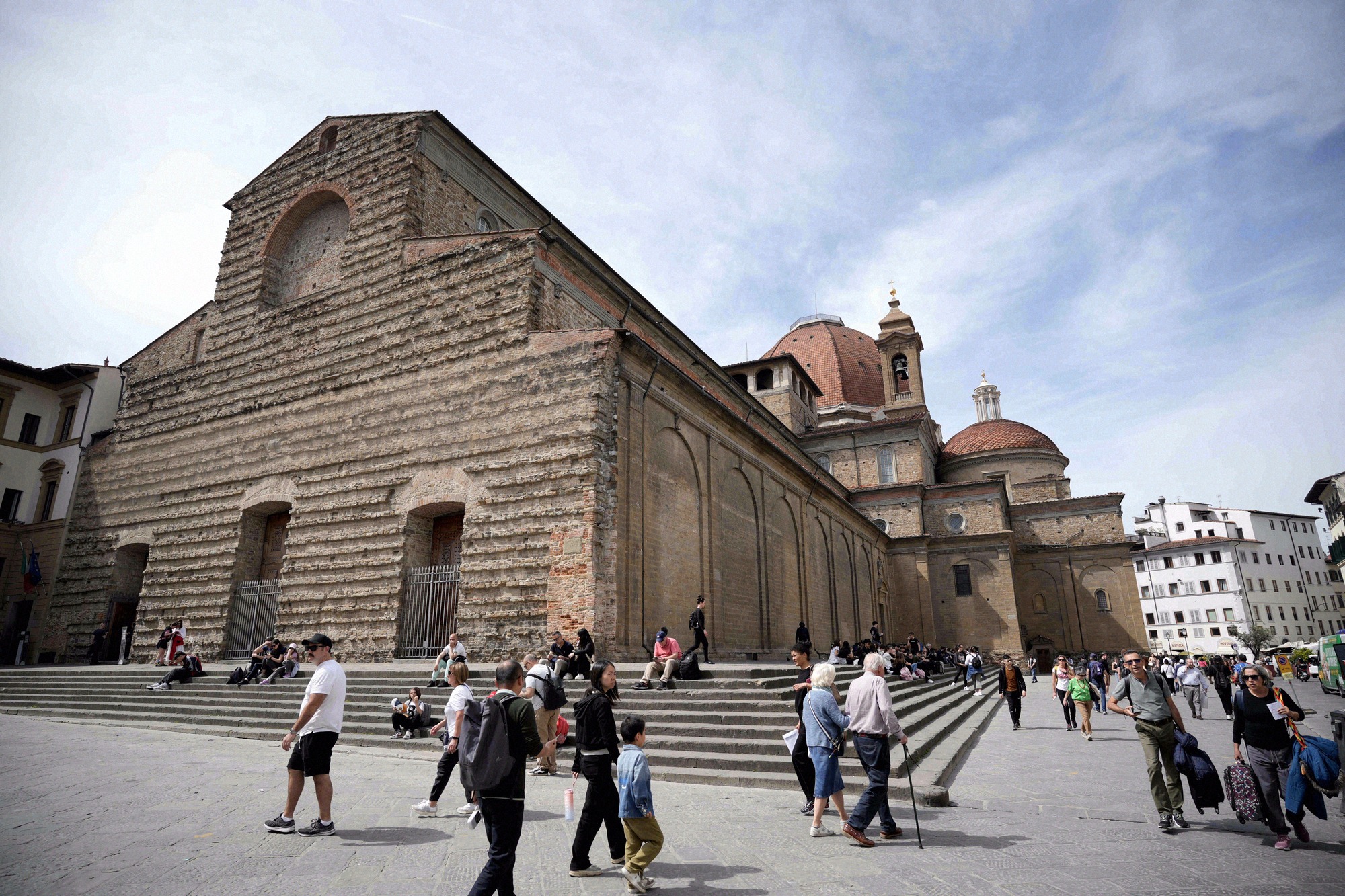
The Basilica di San Lorenzo was the Medici family's parish and burial church, with Brunelleschi's Renaissance architecture, Donatello's bronze pulpits and Michelangelo's Biblioteca Laurenziana.
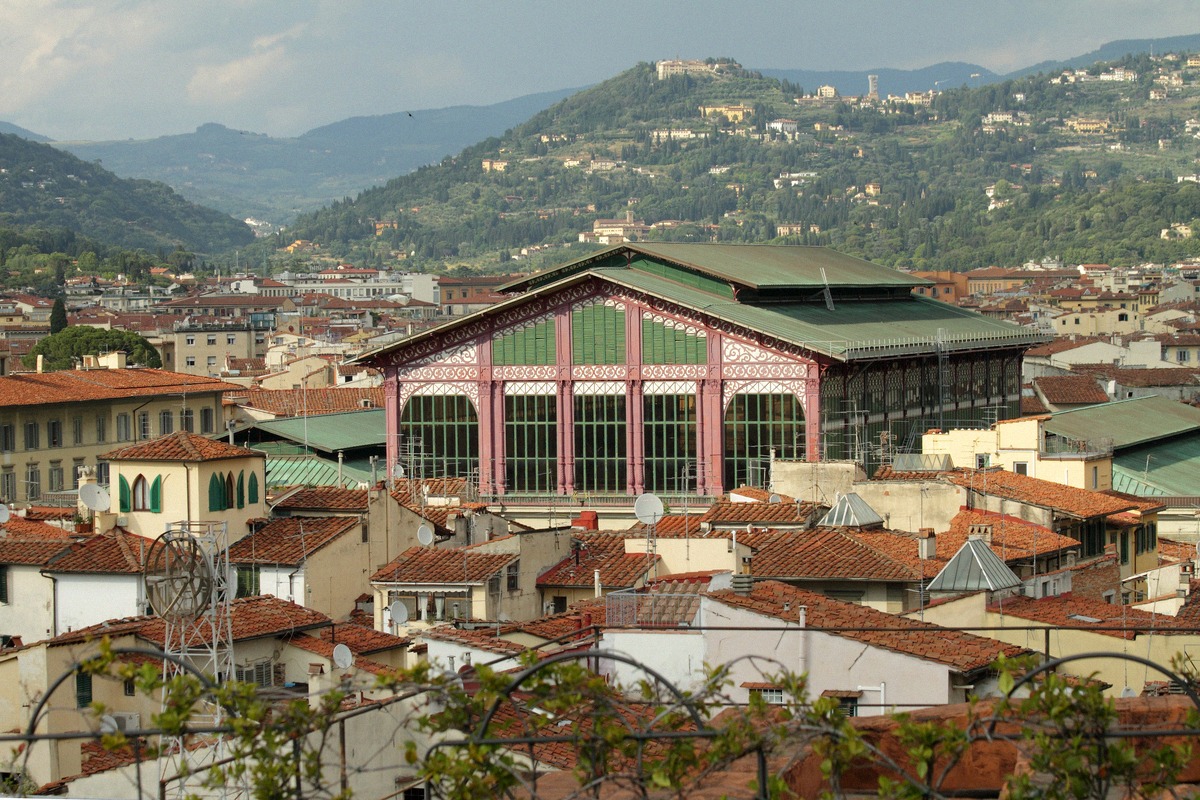
The Mercato Centrale near San Lorenzo, a cast-iron hall from 1874, combines a fresh-produce market downstairs with a food court of over twenty stalls upstairs.
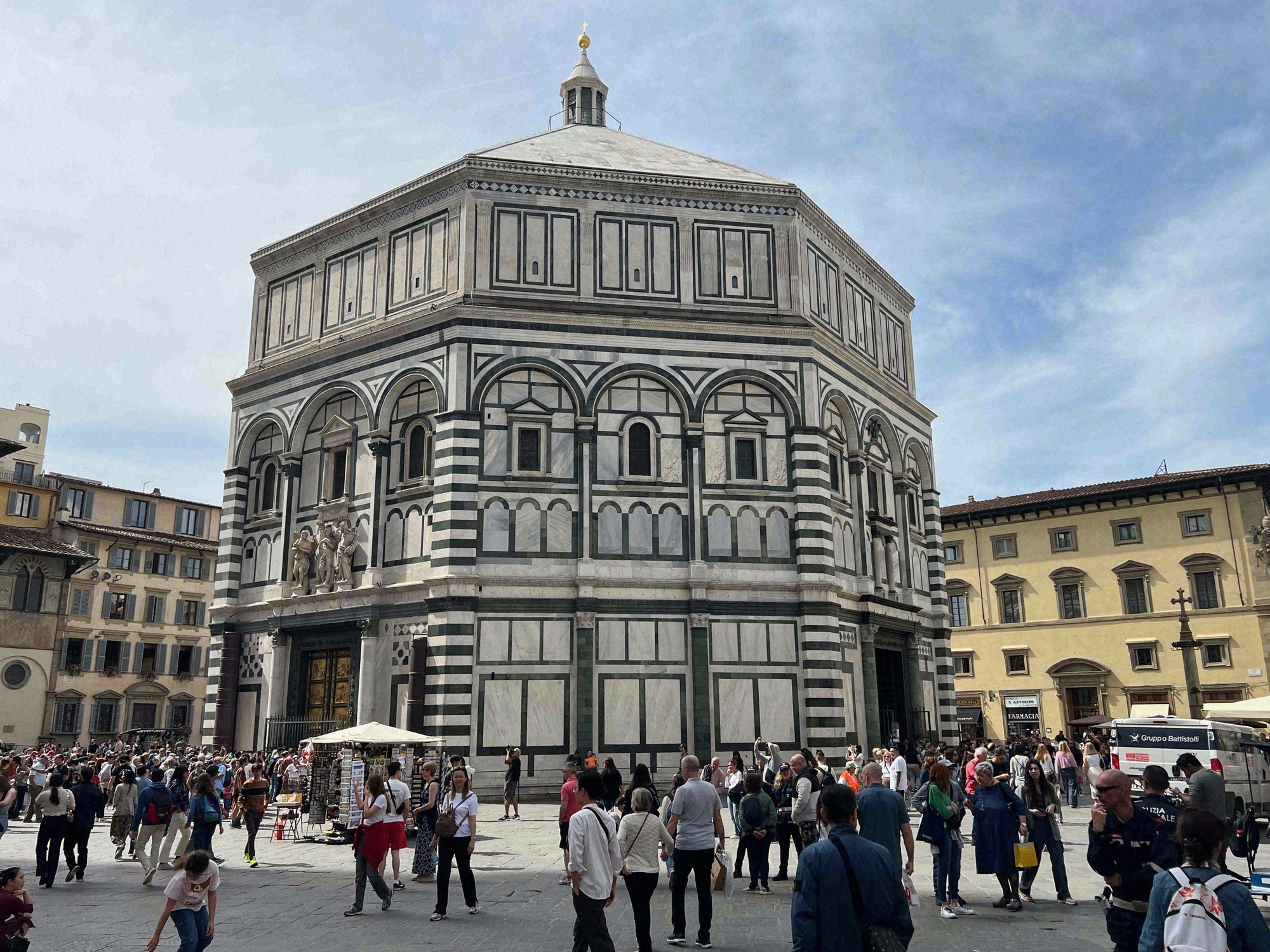
The Battistero di San Giovanni facing the Duomo is one of Florence's oldest buildings, famed for Ghiberti's gilded Gates of Paradise and its golden mosaic ceiling.
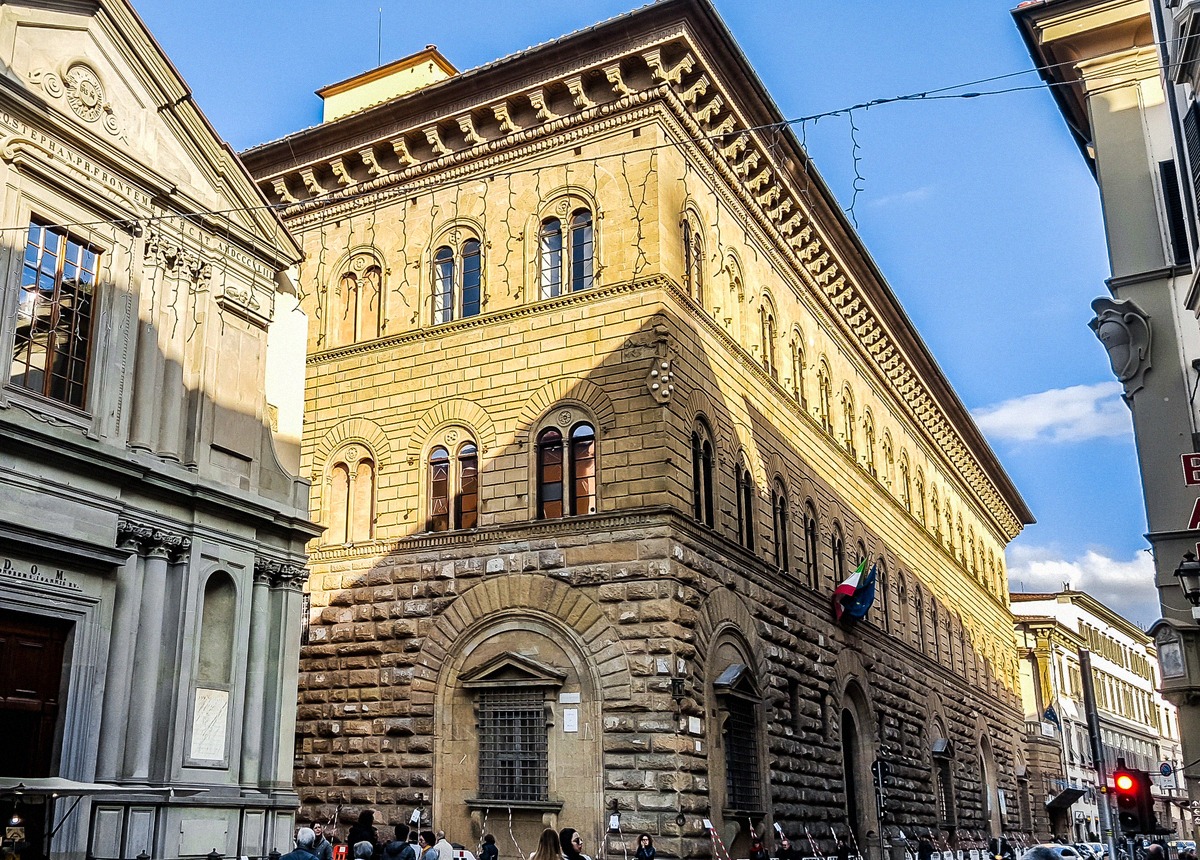
The first great Medici city palace, built from 1444 by Michelozzo. Famous for Benozzo Gozzoli's radiant fresco cycle of the Magi and Luca Giordano's Baroque Hall of Mirrors.
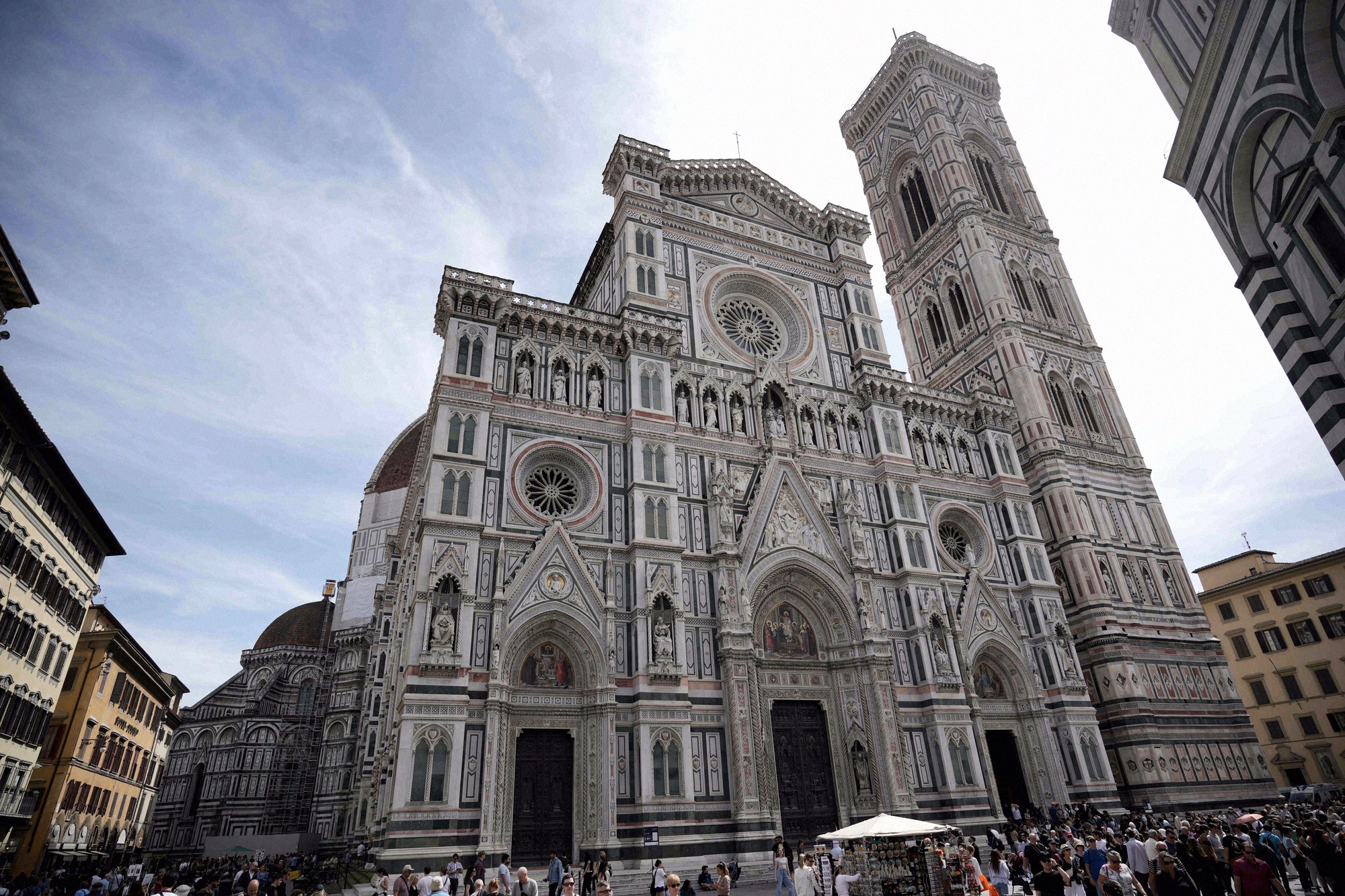
Giotto's marble-clad bell tower beside the Duomo climbs 414 steps to a terrace with the classic view of Brunelleschi's dome directly opposite.
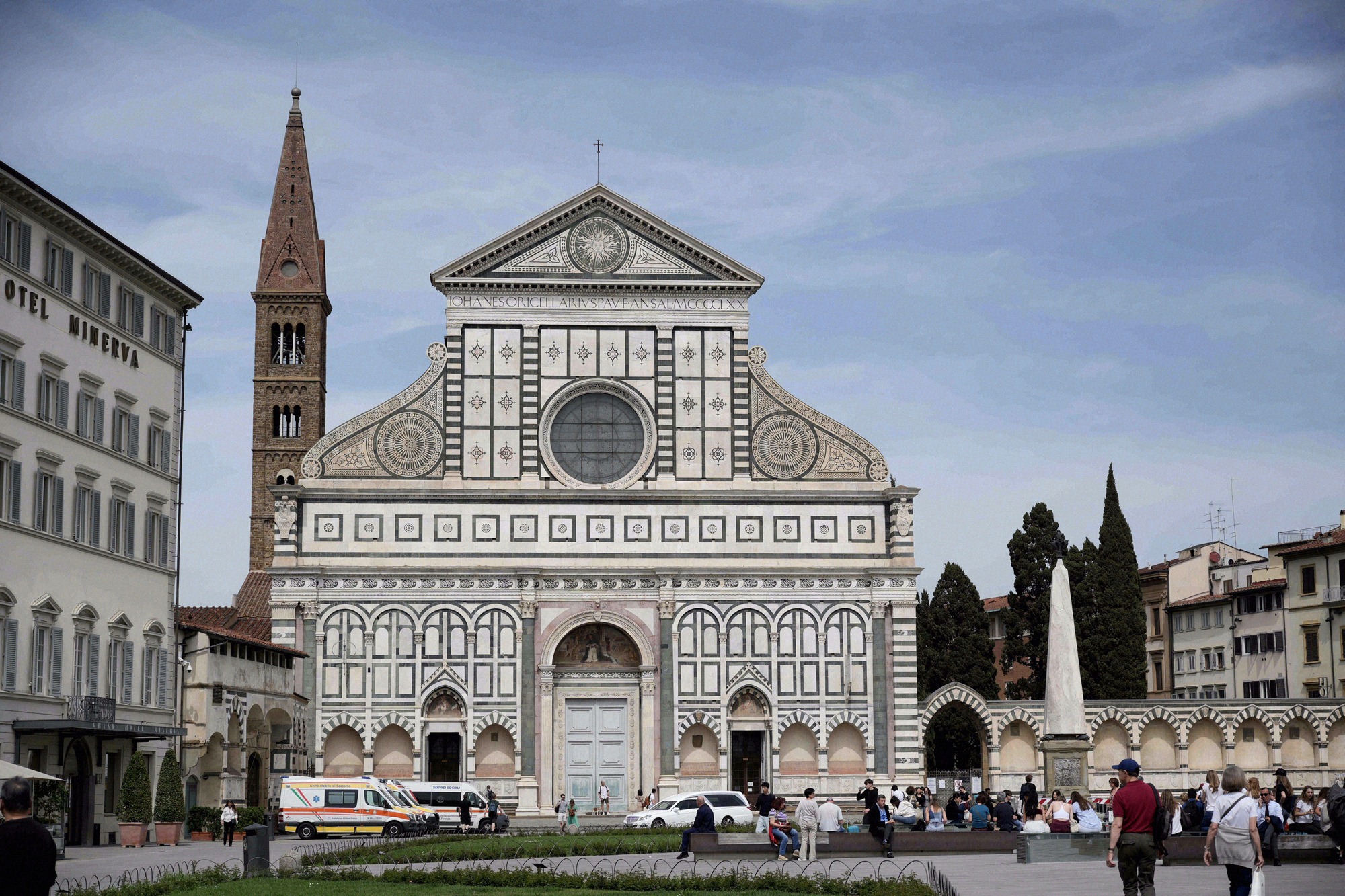
The Basilica di Santa Maria Novella by the main station pairs Alberti's Renaissance marble facade with Masaccio's groundbreaking Trinity fresco and Ghirlandaio's fresco cycle.