
Palazzo Medici Riccardi
First Medici city palace with Gozzoli's Chapel of the Magi
The first great Medici city palace, built from 1444 by Michelozzo. Famous for Benozzo Gozzoli's radiant fresco cycle of the Magi and Luca Giordano's Baroque Hall of Mirrors.
Contents
The first Medici palace
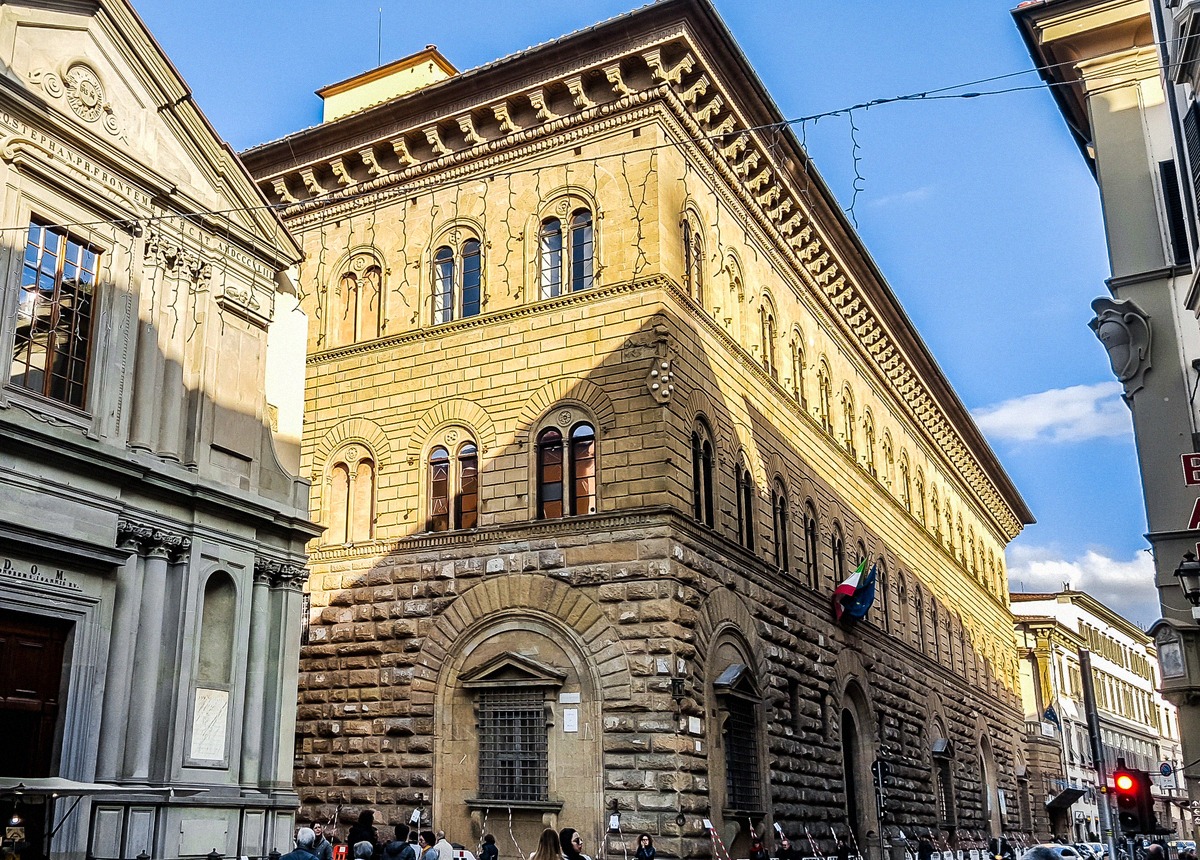
The Palazzo Medici Riccardi was the first great city palace of the Medici and the architectural model for all later Florentine noble palaces. Cosimo the Elder commissioned it from 1444 from Michelozzo, choosing his comparatively restrained design over a proposal by Brunelleschi that he considered too ostentatious. Its massive rusticated masonry, which grows smoother towards the top, became the blueprint for the Florentine palace type.
Until 1540 the house was the family's official residence. Lorenzo the Magnificent grew up here. In 1494, when the Medici were expelled, the palace was confiscated, losses at the time included Donatello's bronze David and his group Judith and Holofernes. The Medici returned in 1512, until Cosimo I moved to what is now the Palazzo Vecchio in 1540 and the palace lost its role as the family seat.
From Medici palace to Riccardi palace
The building owes its double name to a change of ownership: in 1659, Marchese Gabriello Riccardi bought the palace for 40,000 scudi and had it extended in the Baroque style. This is when the Galleria degli Specchi, the Hall of Mirrors, was created, which Luca Giordano painted with an exuberant ceiling fresco between 1682 and 1685, a second highlight alongside the medieval, early-Renaissance chapel.
In 1810 the financially ruined Riccardi family sold the palace to the state; it has served administrative purposes ever since. In 1874 it passed to the Province of Florence, today's Metropolitan City of Florence, which is still based here, along with the prefecture and the Istituto Storico della Resistenza in Toscana. The Fondazione MUS.E runs the museum programme.
Gozzoli's Chapel of the Magi
The hidden gem is the tiny Cappella dei Magi on the first floor, designed by Michelozzo and frescoed from 1459 by Benozzo Gozzoli. The fresco cycle shows the procession of the Three Wise Men, winding across three walls through an idealised Tuscan landscape, full of gold, animals, hunting scenes and hidden portraits:
- Caspar in a white tunic on the east wall,
- Balthazar in a green tunic on the south wall,
- Melchior in a red tunic on the west wall.
According to the palace, Gozzoli wove members of the Medici circle and their contemporaries into the procession: Cosimo and Piero de' Medici, the young Lorenzo and Giuliano, Galeazzo Maria Sforza (Duke of Milan), Sigismondo Pandolfo Malatesta and Pope Pius II (Enea Silvio Piccolomini). Exactly which figure represents whom is not fully settled, though, the usual attributions vary.
Because of the tight space, only 10 people at a time and for a maximum of 5 minutes are allowed into the chapel; groups of about 10 are let in roughly every 5 minutes. Visitors wait in Michelozzo's courtyard, arriving in the early morning avoids the busiest times.
Tickets and admission
Admission is tiered by season: in the low season (January/February and November/December) it costs €10, in the high season (March to early November) €15; 18- to 25-year-olds and students pay a reduced rate of €7 or €10, and admission is free up to age 17. Important: there is no separate ticket for just the museum or just the exhibitions, the price includes the Chapel of the Magi, the Hall of Mirrors, the archaeological walk, the Marble Museum and temporary exhibitions.
- Online tickets are only available through the palace's own Vivaticket shop (plus a €1.50 booking fee), this is not the Uffizi ticket shop. Same-day tickets are only sold at the ticket office; online tickets cannot be rebooked or refunded.
- There are no audio guides, but leaflets are available at the entrance. Guided visits run by the Fondazione MUS.E cost an extra €4 (€2 for residents).
- On the first Sunday of the month, admission is free for residents of the Metropolitan City - online sales are suspended on those days.
For general tips on securing Florence museum tickets, see the guide Booking tickets.
Visiting, getting there and accessibility
Allow 45 to 75 minutes for the visit. The palace is open Monday, Tuesday and Thursday to Sunday from 9:00 to 19:00, closed on Wednesdays; the ticket office and bookshop close at 18:00. Morning is the most pleasant time to visit, mainly because of the timed entry to the chapel.
The palace stands on Via Cavour 3 in the San Lorenzo and San Marco district, just a few steps from the Basilica di San Lorenzo and the Medici Chapels. With the nearby Mercato Centrale close by, the visit combines well into half a day in the Medici quarter. For background on the period, see the guide Renaissance art.
Accessible: all rooms except the chapel are fully accessible; the accessible entrance is at Via Ginori 2. The chapel is reached via a special platform for wheelchairs up to 70 cm wide and 250 kg; a wheelchair is available on request at the info point. As of June 2026 the lift was occasionally out of service, anyone relying on it should check in advance.
Frequently asked questions
What is the highlight of the Palazzo Medici Riccardi? +
Do you need to queue for the chapel? +
How much does admission cost and what does it include? +
Where can you buy tickets officially? +
Are there audio guides? +
Nearby
Basilica di San Lorenzo
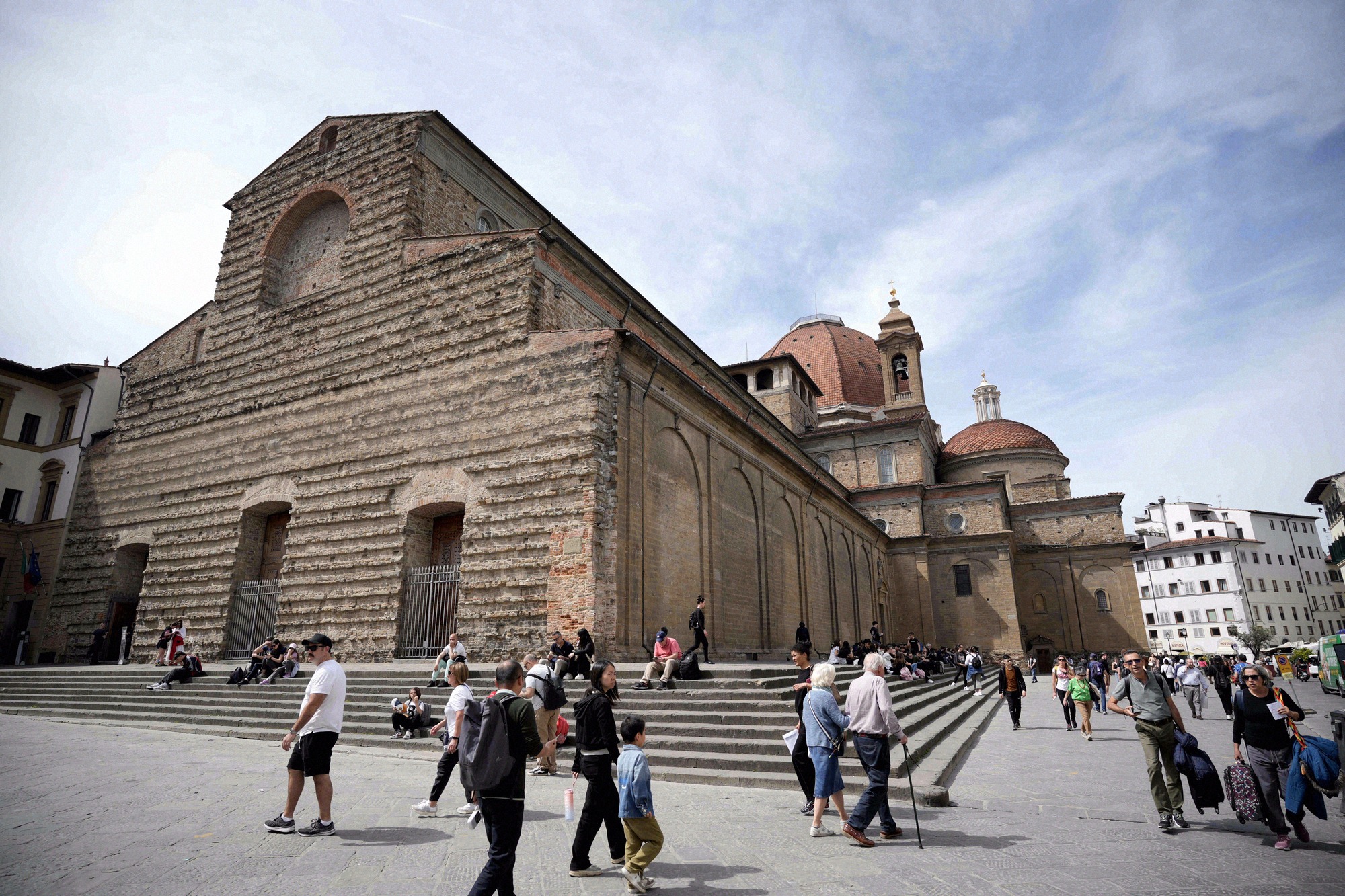
The Basilica di San Lorenzo was the Medici family's parish and burial church, with Brunelleschi's Renaissance architecture, Donatello's bronze pulpits and Michelangelo's Biblioteca Laurenziana.
Florence Cathedral
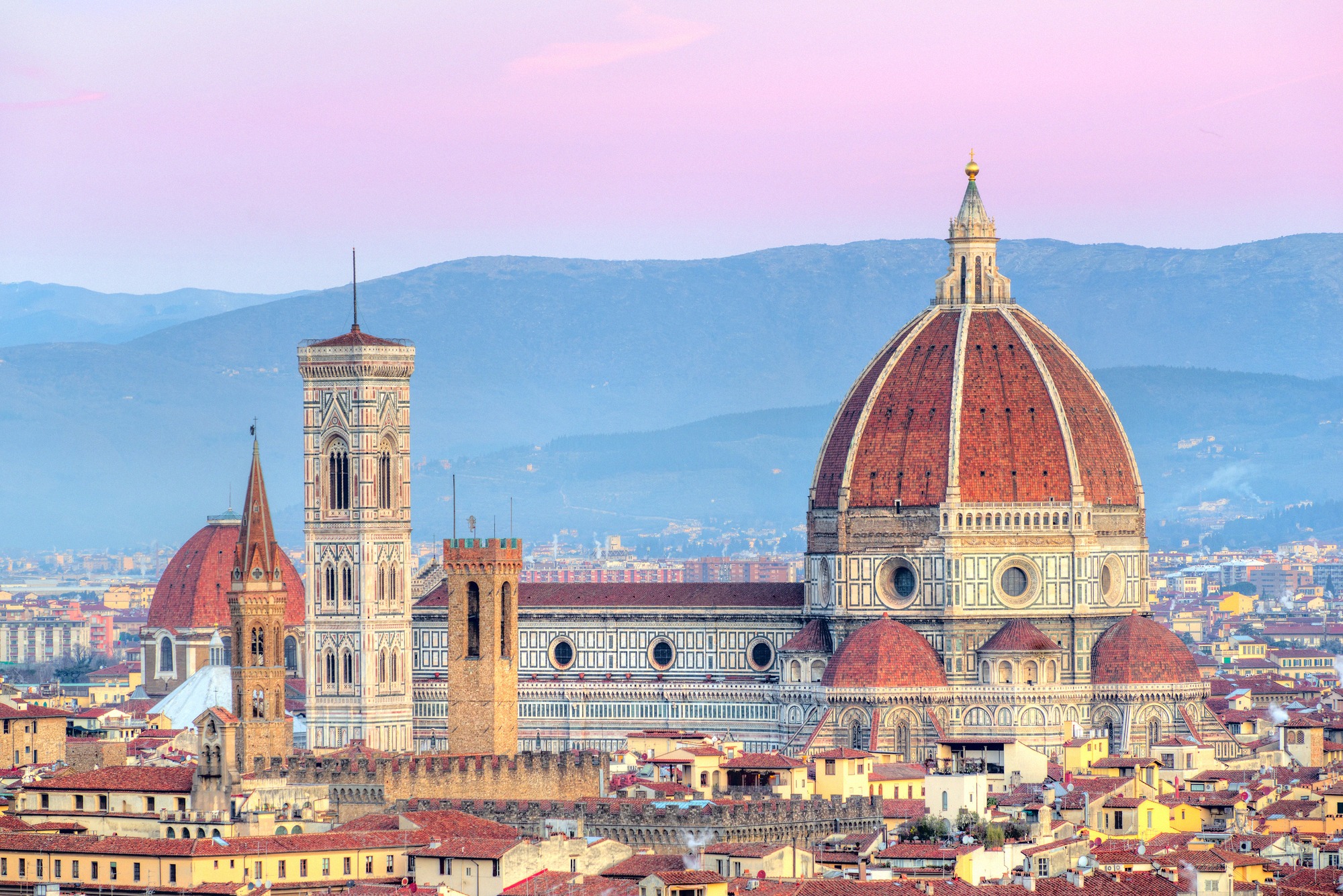
Santa Maria del Fiore, Florence's Gothic cathedral, is topped by Brunelleschi's world-famous dome. Entry is free; climbing the dome needs advance booking.
Museo dell'Opera del Duomo
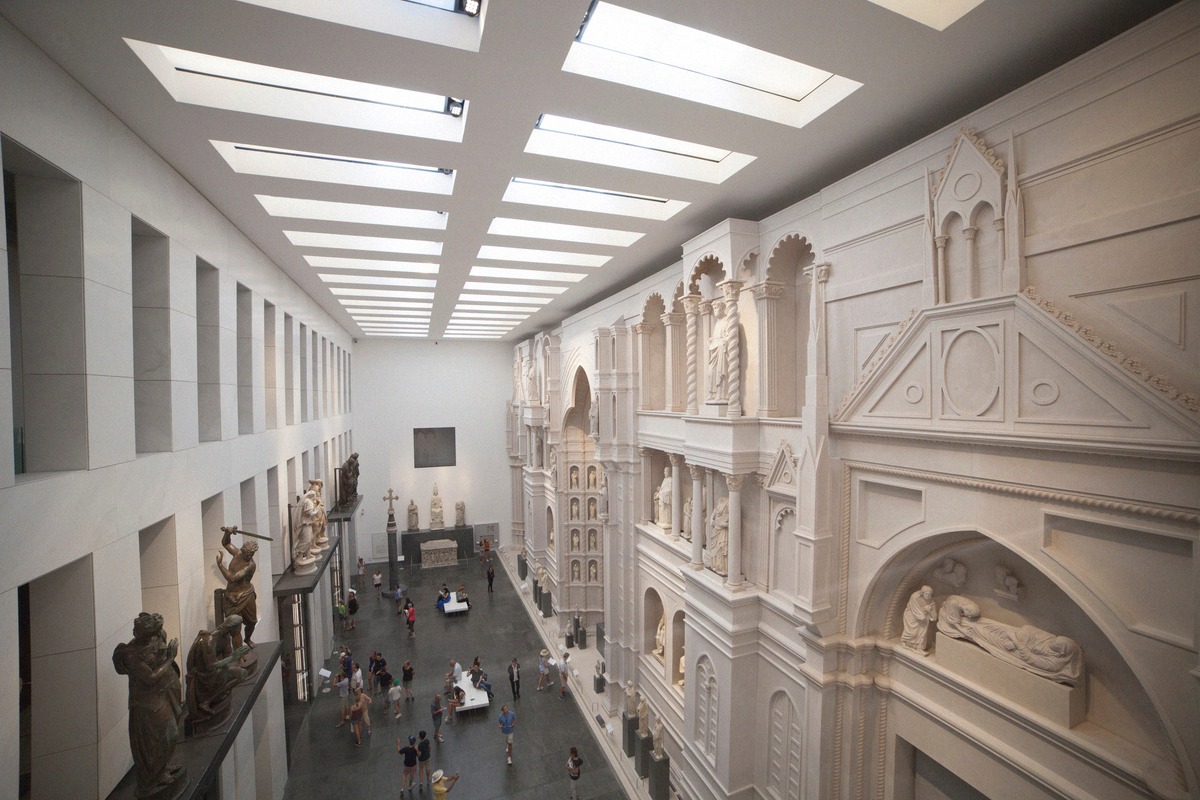
The Opera del Duomo Museum holds the originals from the cathedral square - Ghiberti's Gates of Paradise, Donatello's sculptures and Michelangelo's Bandini Pietà, in a 2015 building with a reconstructed facade.
Galleria dell'Accademia
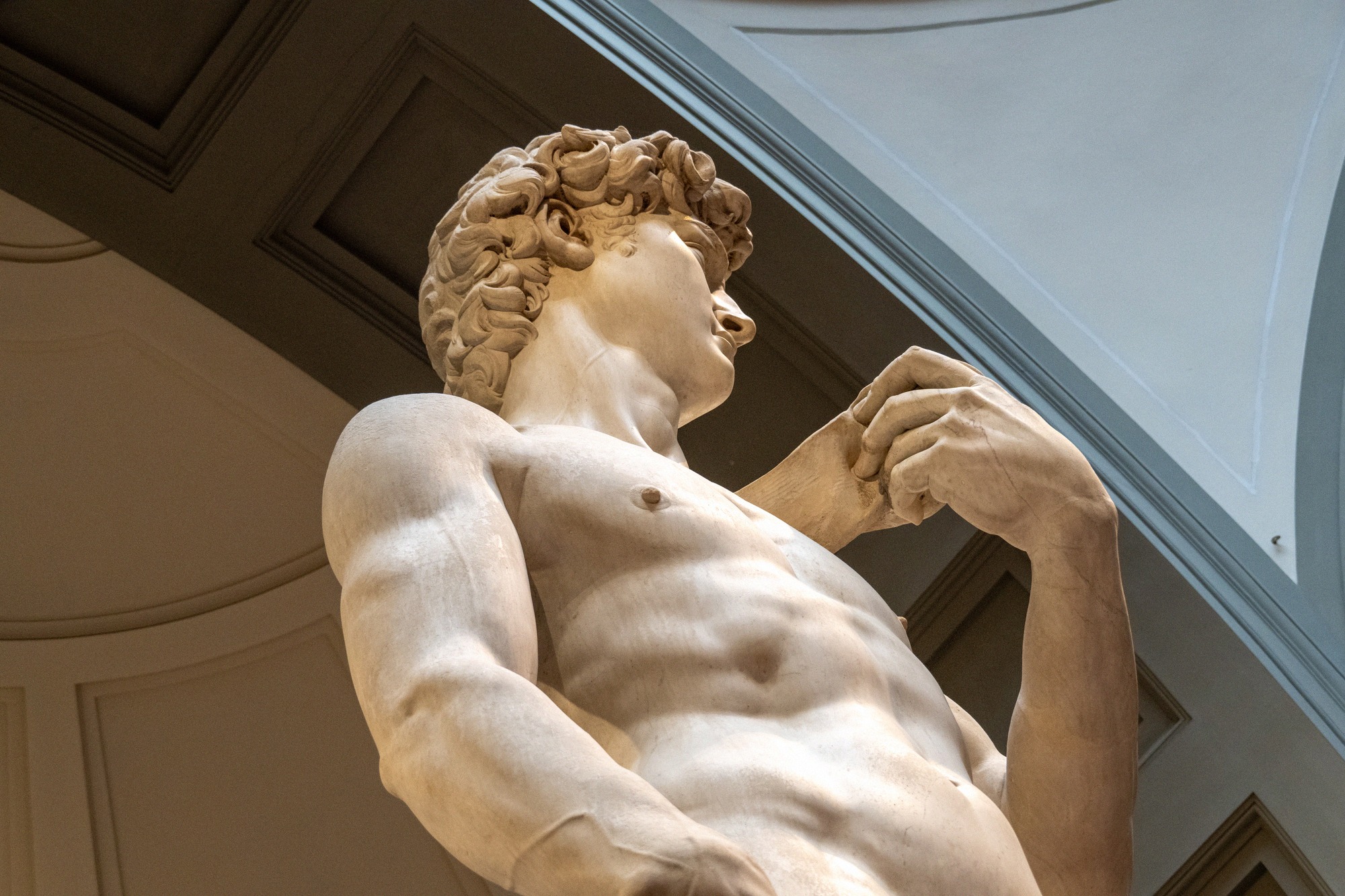
The Accademia Gallery holds the original of Michelangelo's David, five metres carved from a single block of Carrara marble, flanked by the unfinished Prigioni and Tuscan panel painting.
Medici Chapels
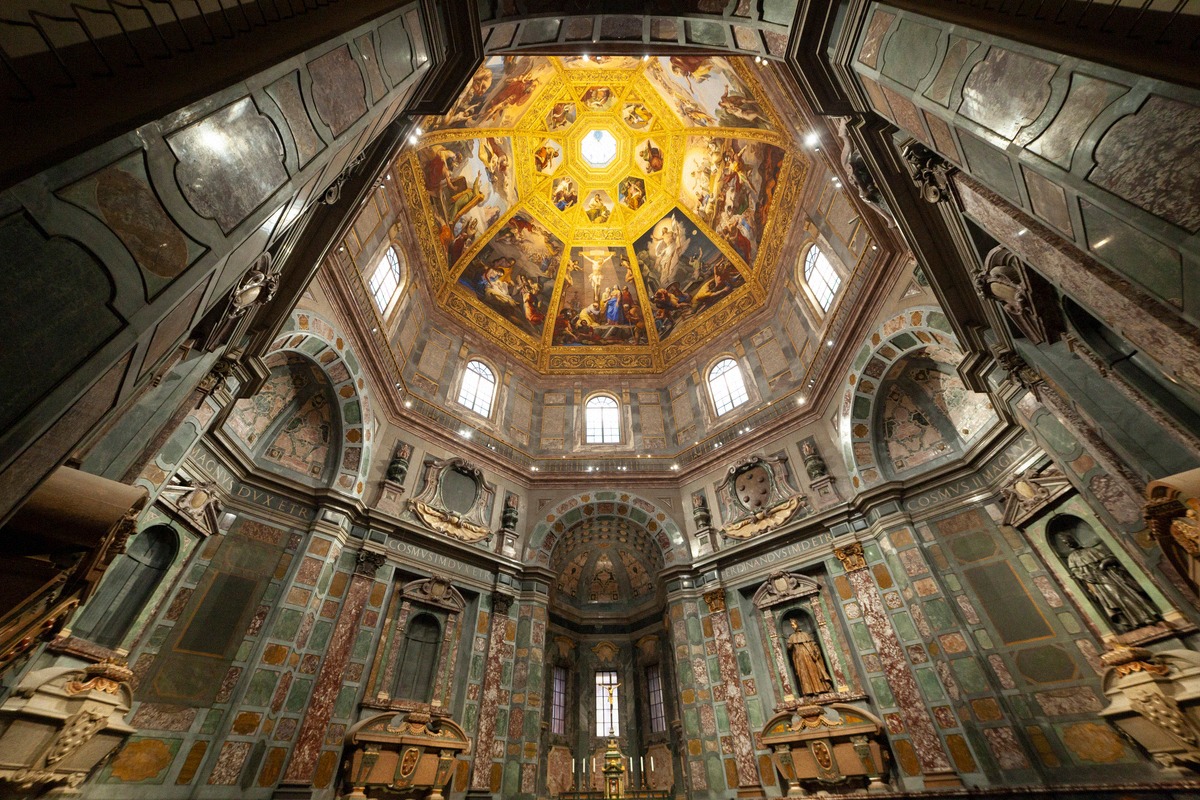
The Medici family's mausoleum behind San Lorenzo combines the opulent Chapel of the Princes with Michelangelo's New Sacristy and its famous Times of Day allegories.
Florence Baptistery
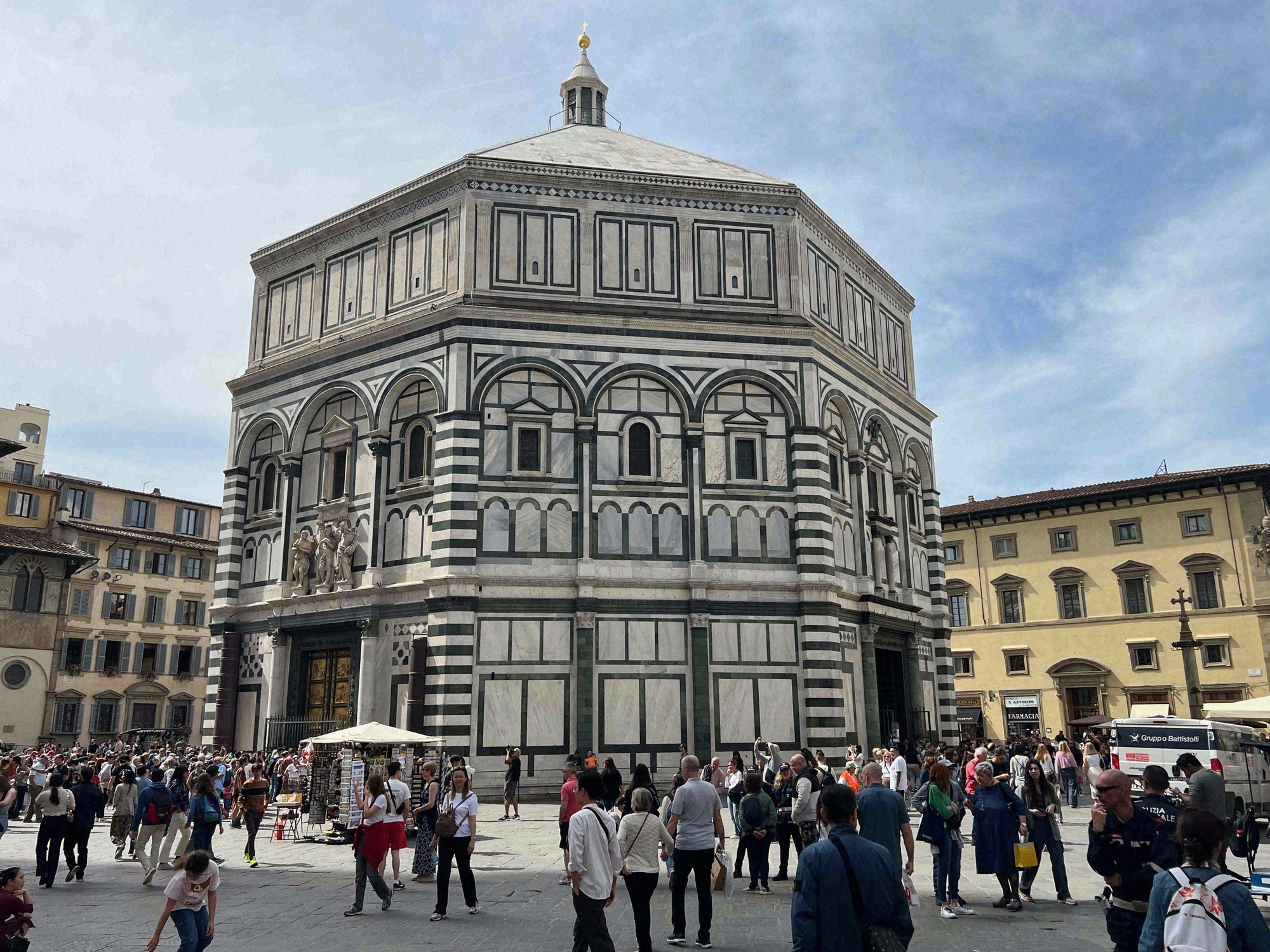
The Battistero di San Giovanni facing the Duomo is one of Florence's oldest buildings, famed for Ghiberti's gilded Gates of Paradise and its golden mosaic ceiling.