
Without the dome
Campanile, Baptistery and Cathedral Museum
Climb Giotto's Campanile and visit the Baptistery, the Museo dell'Opera and Santa Reparata.
4.1 (999) · Tiqets
From €29.90
Book TicketSculpture museum holding the originals from the cathedral square
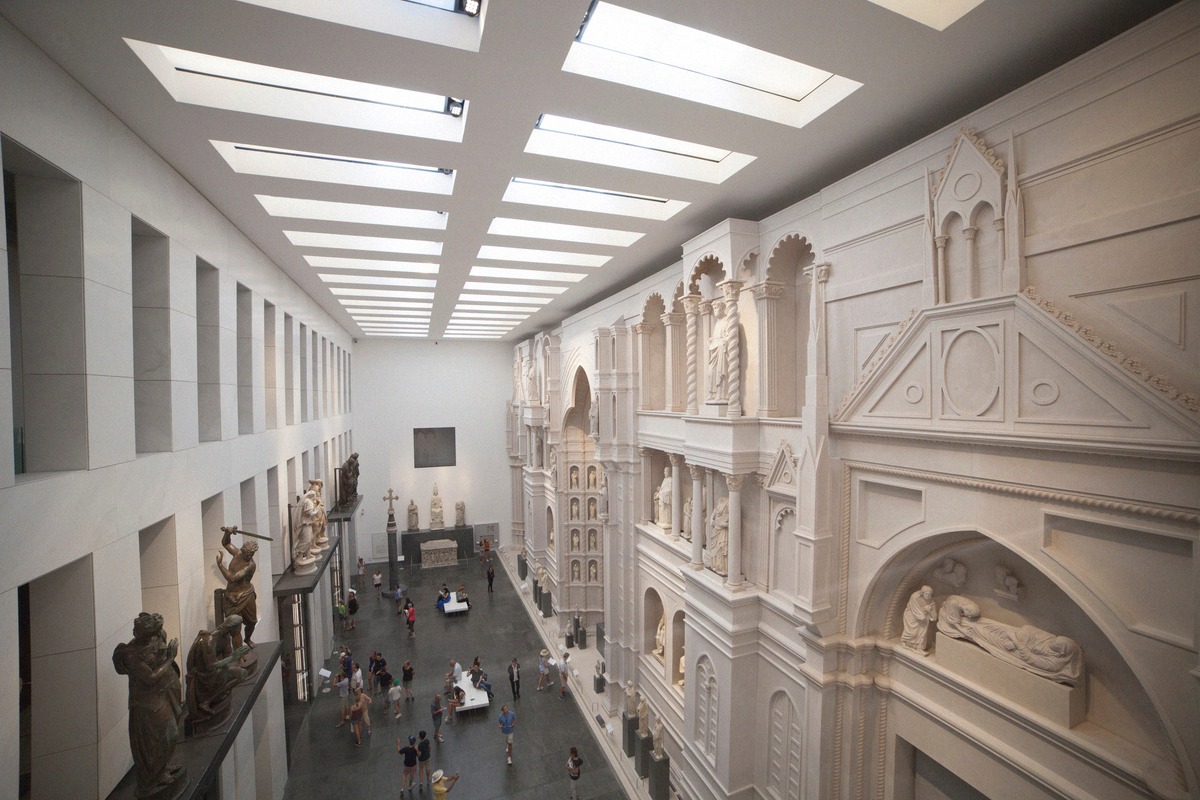
The Opera del Duomo Museum holds the originals from the cathedral square - Ghiberti's Gates of Paradise, Donatello's sculptures and Michelangelo's Bandini Pietà, in a 2015 building with a reconstructed facade.
Tickets
Without the dome
Climb Giotto's Campanile and visit the Baptistery, the Museo dell'Opera and Santa Reparata.
4.1 (999) · Tiqets
From €29.90
Book TicketThe Museo dell'Opera del Duomo is one of the world's most important sculpture museums. It holds the artworks that once decorated the Cathedral, Campanile and Baptistery and were replaced by copies to protect them from weather and pollution. It's run by the Opera di Santa Maria del Fiore, the same works authority that has looked after the whole cathedral square since the Middle Ages, so the museum is effectively the collected memory of the complex. It sits directly opposite the cathedral in the Centro Storico and is included on all three cathedral square passes.
The current building opened on 29 October 2015 and is more than a conventional depot: 28 rooms across three floors display over 750 works. The centrepiece is the Sala del Paradiso, where Ghiberti's fully restored, gilded Gates of Paradise stand in front of a monumental reconstruction of the medieval cathedral facade by Arnolfo di Cambio, the facade that was torn down in 1587 and can now be experienced here at full size, together with its original sculptures. This is the only place where you can see Ghiberti's doors and the old facade set against each other.
The collection brings together the great names of Florentine sculpture across two centuries:
There are also original reliefs from the Campanile, liturgical silver and models of Brunelleschi's dome. If you're tracing Michelangelo's work across Florence, this pairs well with the David at the Accademia Gallery and the allegorical tombs in the Medici Chapels.
There is no standalone museum ticket, entry is bundled exclusively into the Opera's three combo passes:
Children aged 7 to 14 pay a reduced rate (Ghiberti Pass 5 EUR), and entry is free under 6. Students only get the reduced Ghiberti Pass at the ticket desk in person. Entry is free for people with disabilities and one companion, clergy and members of religious orders, and ICOM members on proof of membership. Official bookings run through the Opera's platform - for what to watch out for, see the guide Booking tickets.
In practice: if you're already climbing the dome or the Campanile, you've already paid for the museum, so it's worth not skipping it. Unlike the dome climb, the pass doesn't require a fixed time slot for the museum, you can enter any time within its three-day validity.
Allow 1.5 to 2 hours for the visit. It's open daily from 8:30 to 19:00, with no difference between summer and winter, and closed on the first Tuesday of each month. The museum is fully accessible, lifts reach all three floors and the panoramic terrace with a view of Brunelleschi's dome, and wheelchairs are available at the entrance.
The museum is usually noticeably quieter than the other stops on the cathedral square, making it a good, air-conditioned way to round off a visit, ideally later in the day, once the queues at the cathedral and Baptistery are at their longest. For how the museum fits into the cathedral square complex and the city's other must-sees, see the overviews of the Florence Cathedral and Attractions in Florence; for the art-historical context, see the guide to Renaissance art.
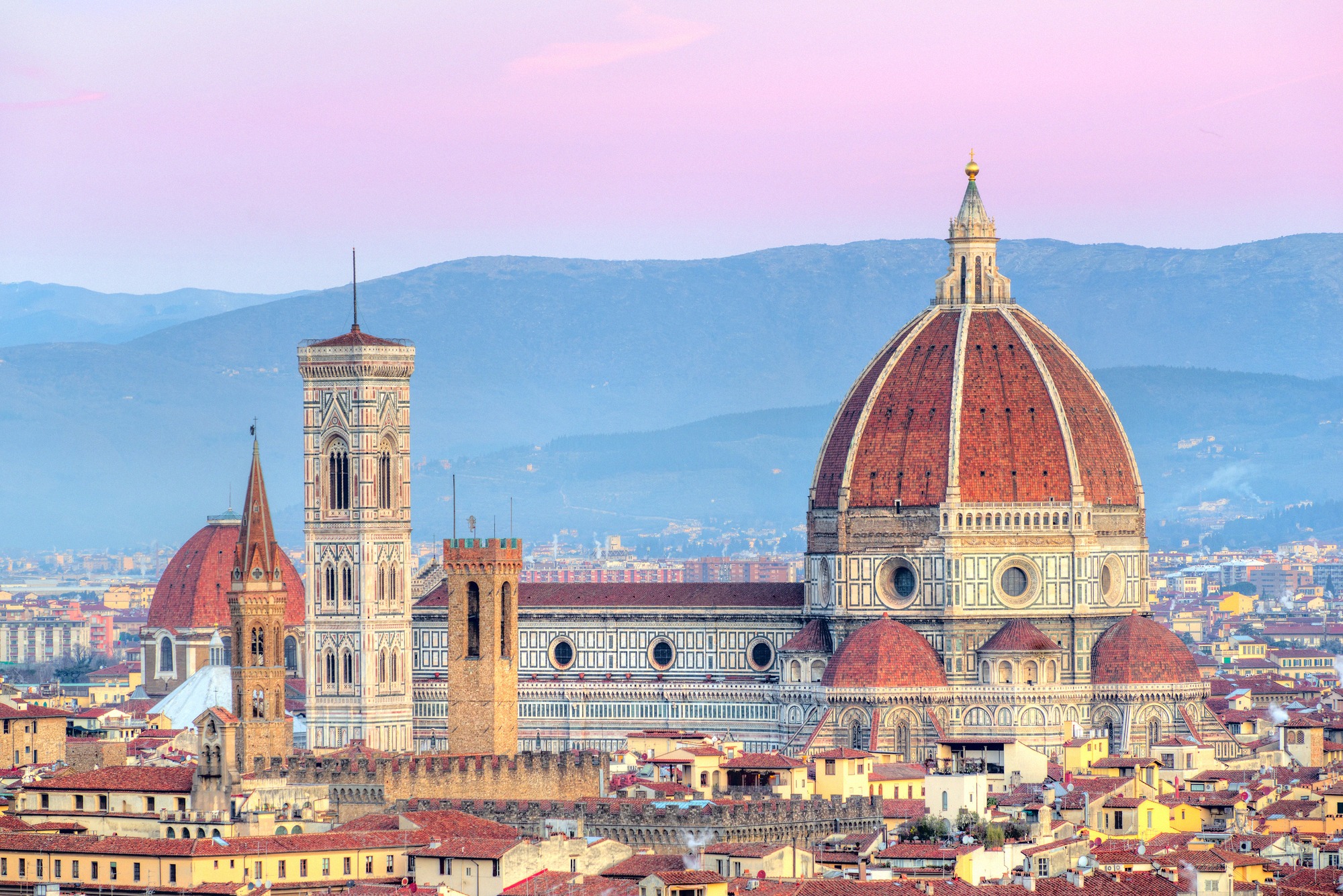
Santa Maria del Fiore, Florence's Gothic cathedral, is topped by Brunelleschi's world-famous dome. Entry is free; climbing the dome needs advance booking.
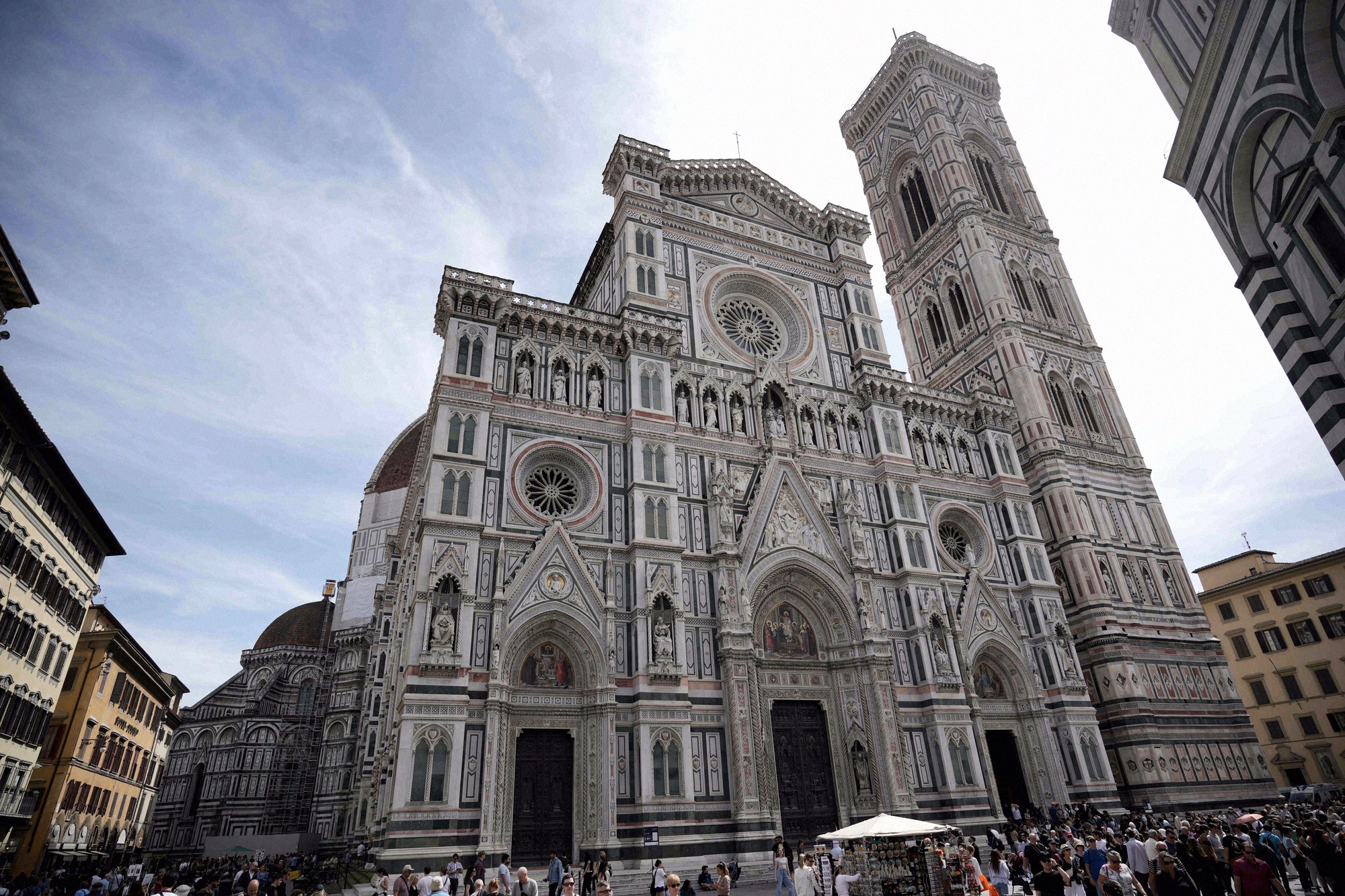
Giotto's marble-clad bell tower beside the Duomo climbs 414 steps to a terrace with the classic view of Brunelleschi's dome directly opposite.
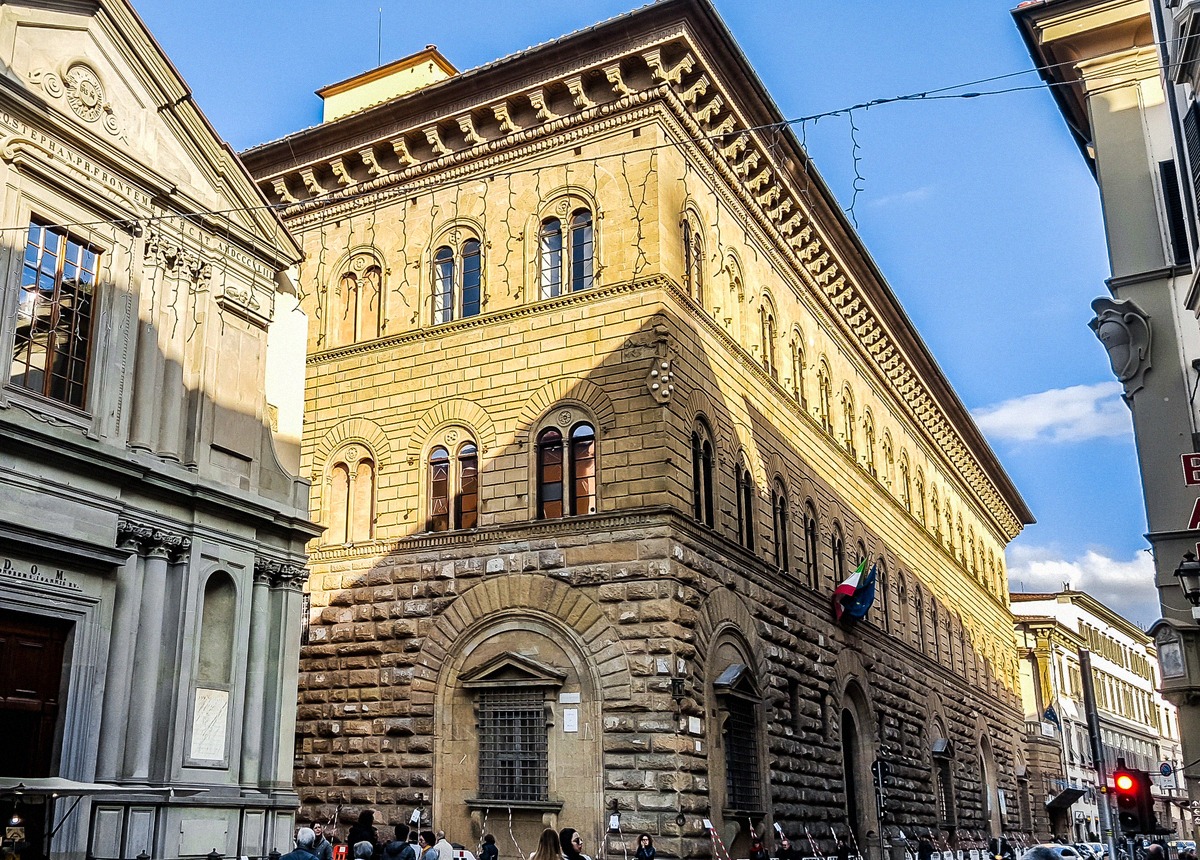
The first great Medici city palace, built from 1444 by Michelozzo. Famous for Benozzo Gozzoli's radiant fresco cycle of the Magi and Luca Giordano's Baroque Hall of Mirrors.
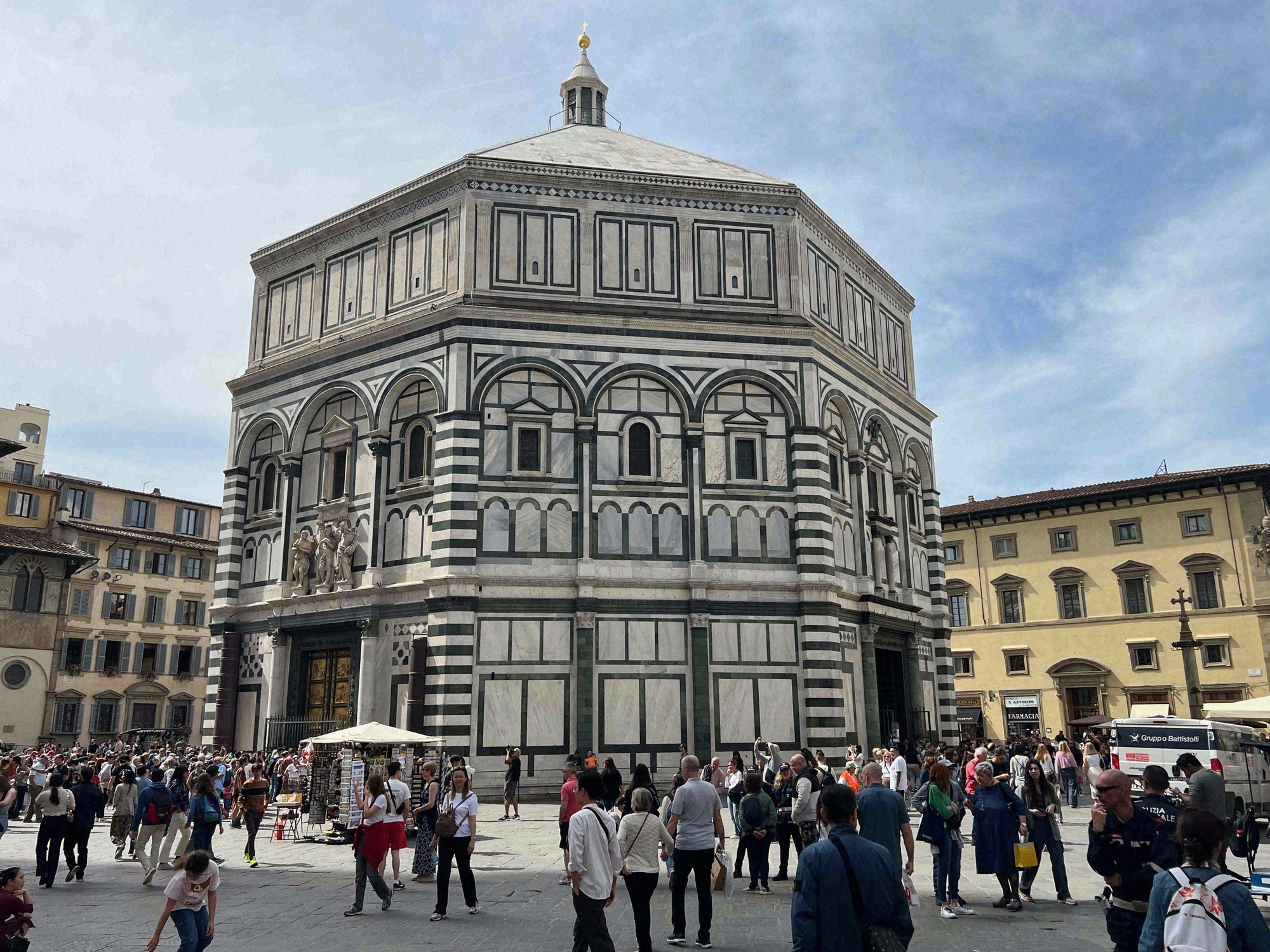
The Battistero di San Giovanni facing the Duomo is one of Florence's oldest buildings, famed for Ghiberti's gilded Gates of Paradise and its golden mosaic ceiling.
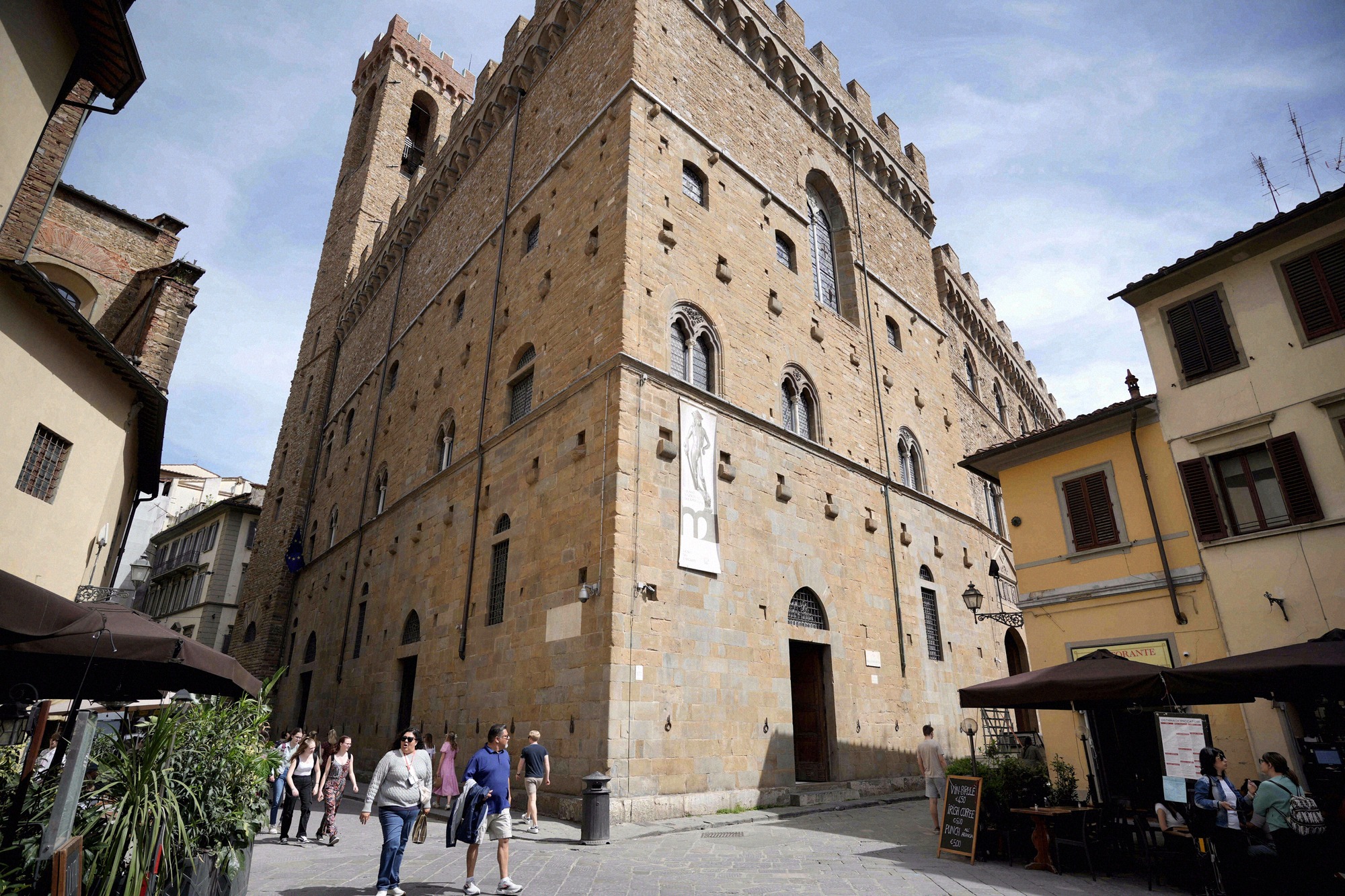
Florence's oldest public building holds the world's finest collection of Renaissance sculpture, including Donatello's bronze David and works by Michelangelo.
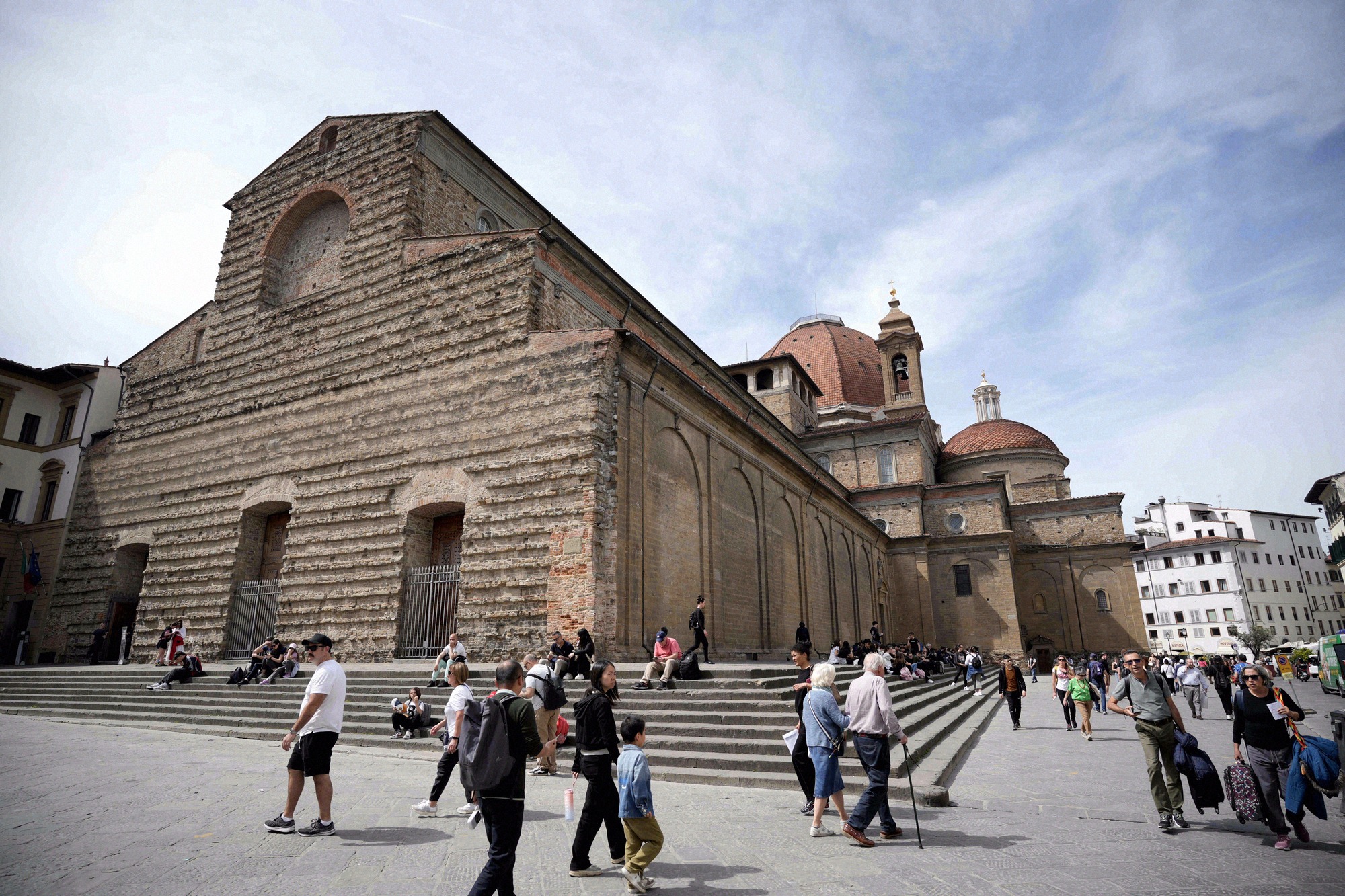
The Basilica di San Lorenzo was the Medici family's parish and burial church, with Brunelleschi's Renaissance architecture, Donatello's bronze pulpits and Michelangelo's Biblioteca Laurenziana.