
Centro Storico
UNESCO World Heritage Site around the Duomo and Piazza della Signoria
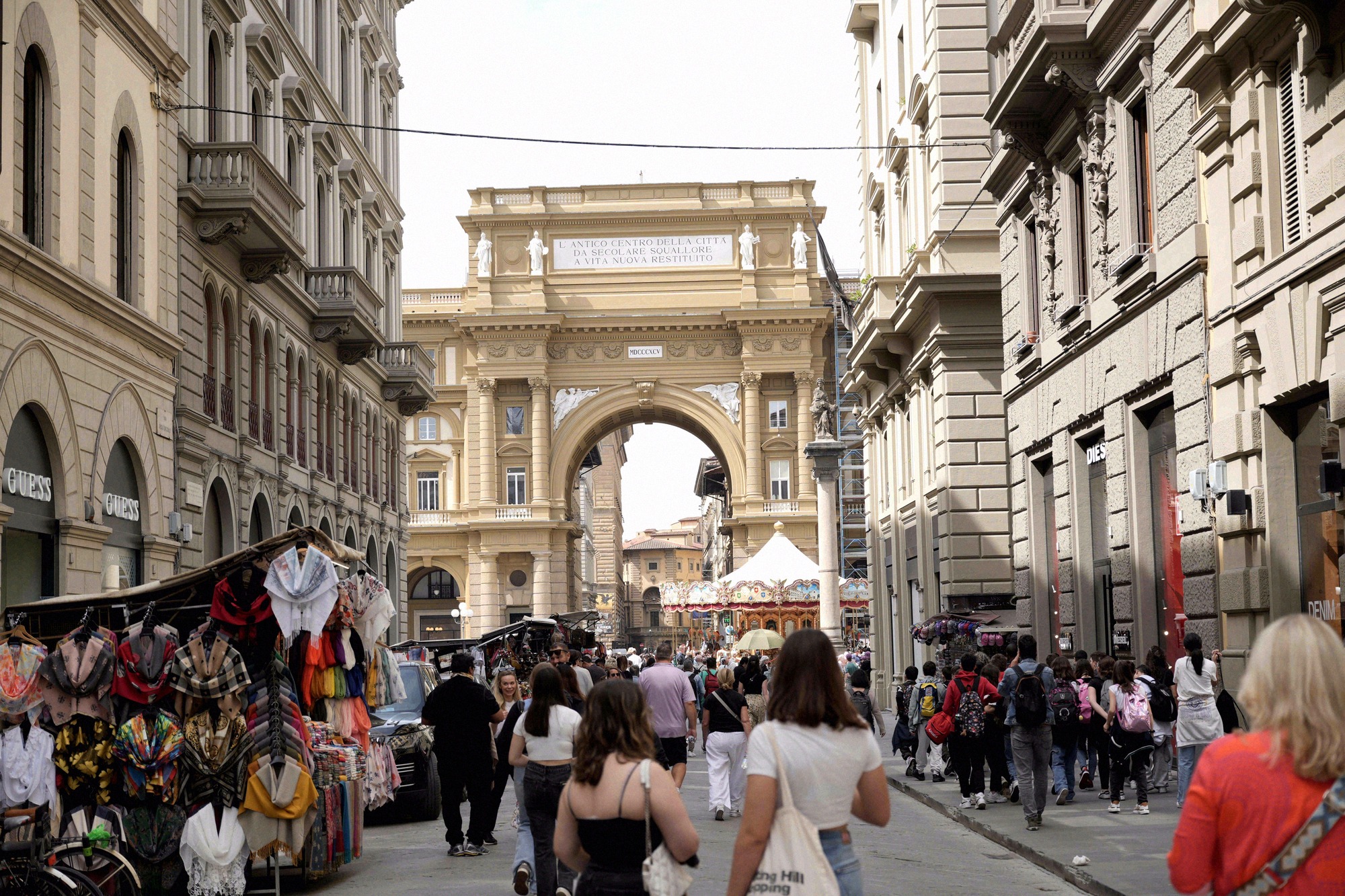
Florence's historic centre has been a UNESCO World Heritage Site since 1982 and packs the Duomo, the Uffizi Gallery and the Palazzo Vecchio into a tiny area.
Contents
Getting your bearings
The Centro Storico is the historic core of Florence and has been a UNESCO World Heritage Site since 1982. It stretches from Piazza del Duomo in the north to the Arno in the south. Around it lie the other neighbourhoods of the old town: San Lorenzo and San Marco to the north, the station neighbourhood of Santa Maria Novella to the west, Santa Croce to the east and, across the river, the Oltrarno. The overview of Florence's neighbourhoods shows how they fit together.
Two squares and one street are all you need to find your way. Piazza del Duomo marks the northern end of the centre and Piazza della Signoria the southern end, with Via dei Calzaiuoli running between them. Most of the main sights are only a few minutes from this axis, and the banks of the Arno lie just beyond its southern end.
Monuments and everyday life
The centre is tightly packed. Narrow lanes lined with shops and historic cafés run between the monuments, and much of the paving is cobbled. Many of the best-known buildings still serve their original purpose: the Palazzo Vecchio remains the city's town hall, and around 40 small jewellers' and goldsmiths' shops line the Ponte Vecchio above the water. In the Centro Storico, sightseeing, city government, trade and craft all share a few hundred metres.
That density comes at a price. During the day, especially between 10:00 and 15:00, the big squares are packed, and in high summer the crowds are heavier still. Early in the morning and in the evening it is noticeably quieter, and you can take in the facades and squares at your own pace.
Key sights between the Duomo and the Arno
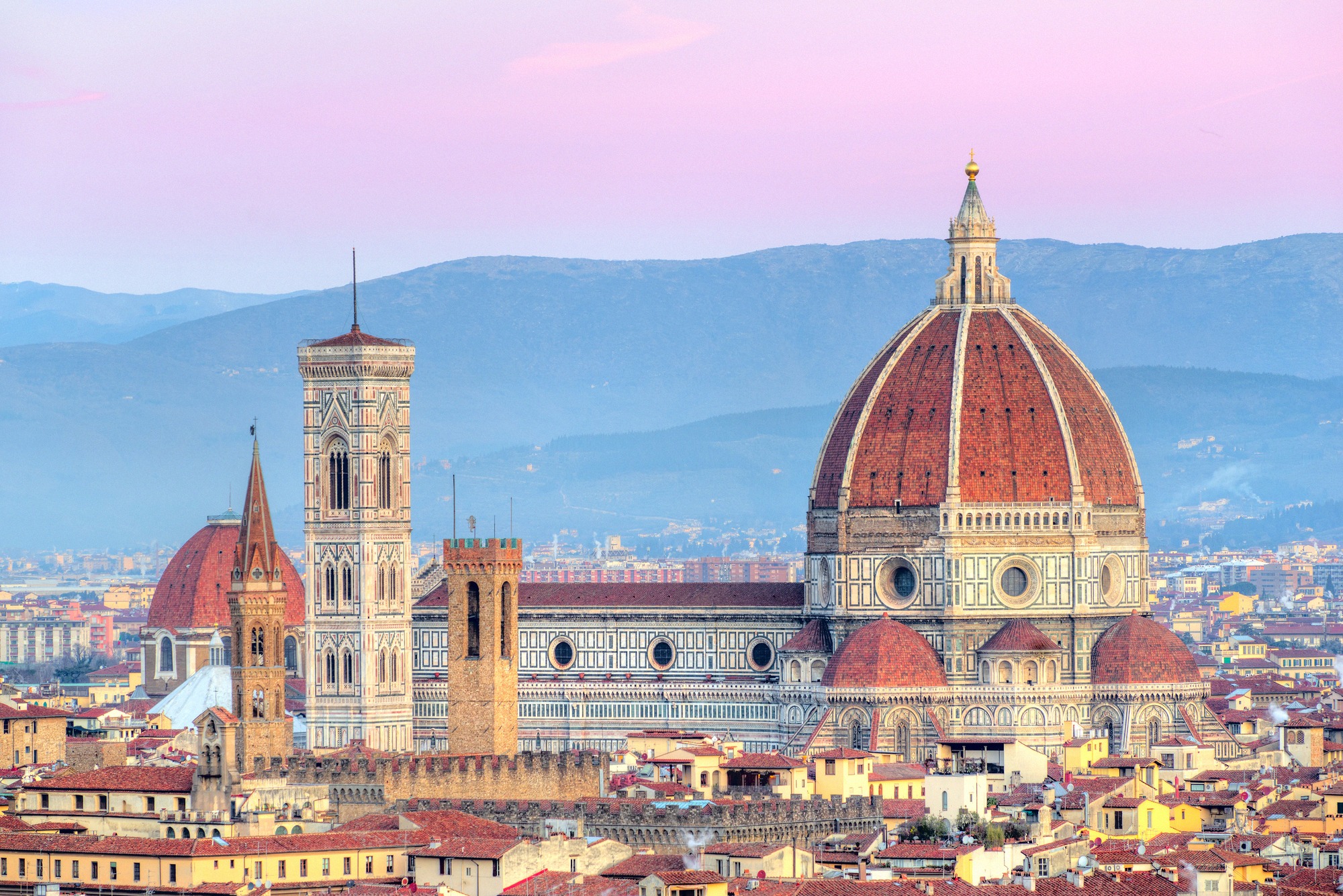
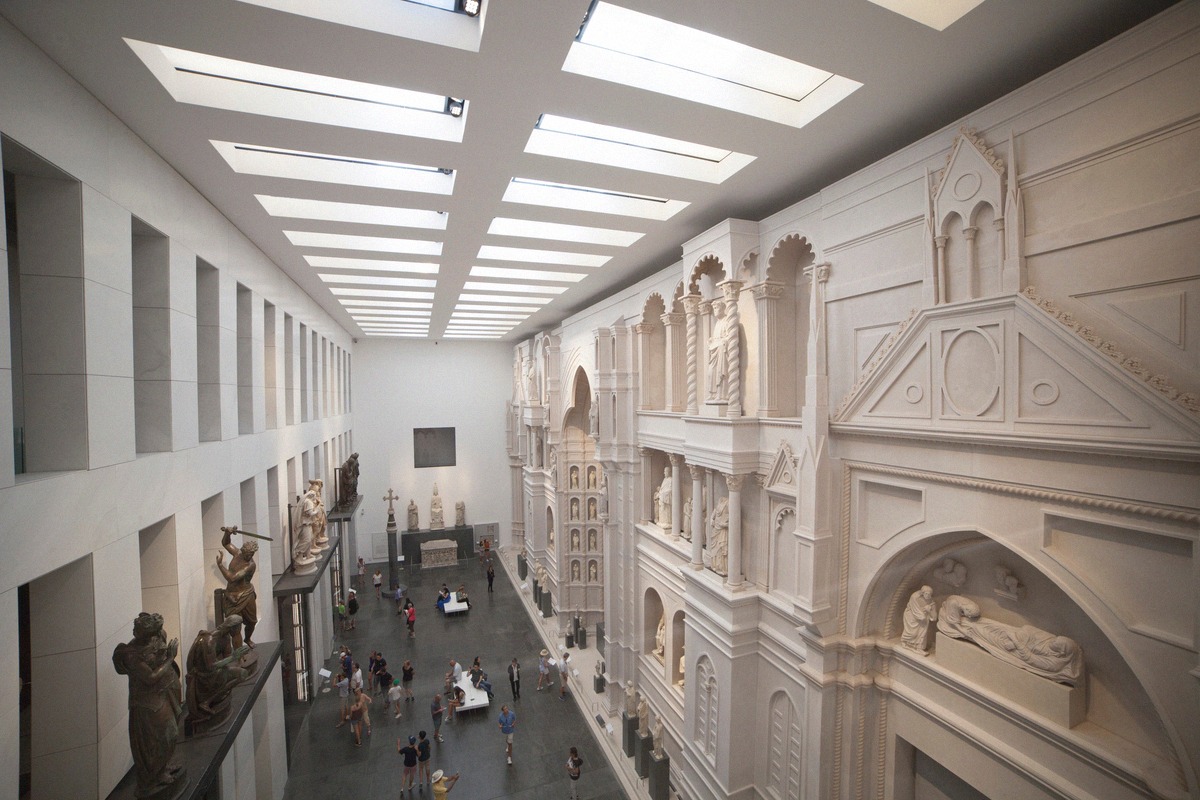
To the north stands the Duomo, whose dome Filippo Brunelleschi began in 1420. Also on Piazza del Duomo are the octagonal Baptistery, the Campanile with its 414 steps and the Museo dell'Opera del Duomo, which houses the original works of art from the square. You can enter the cathedral itself without a ticket.
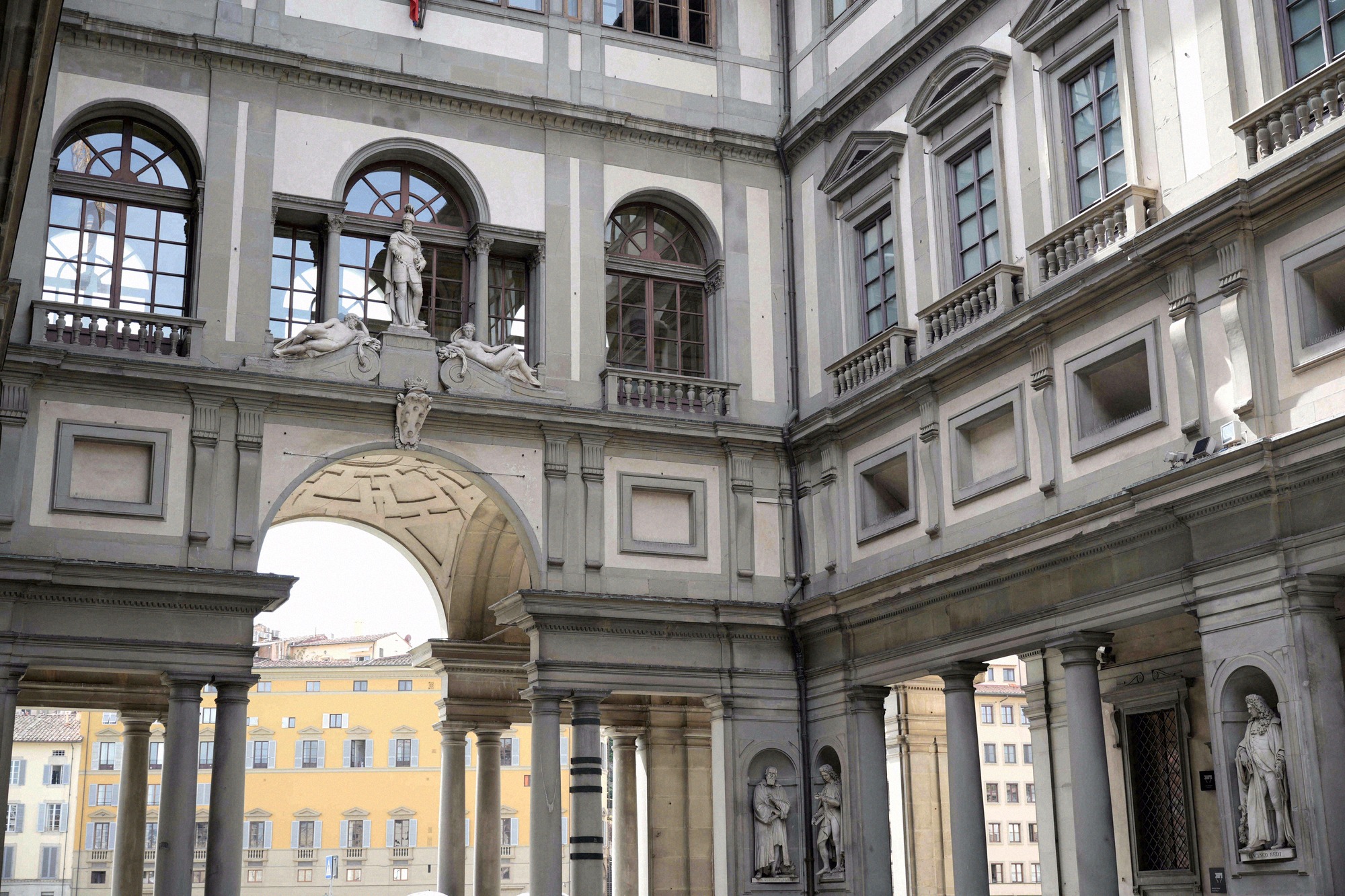
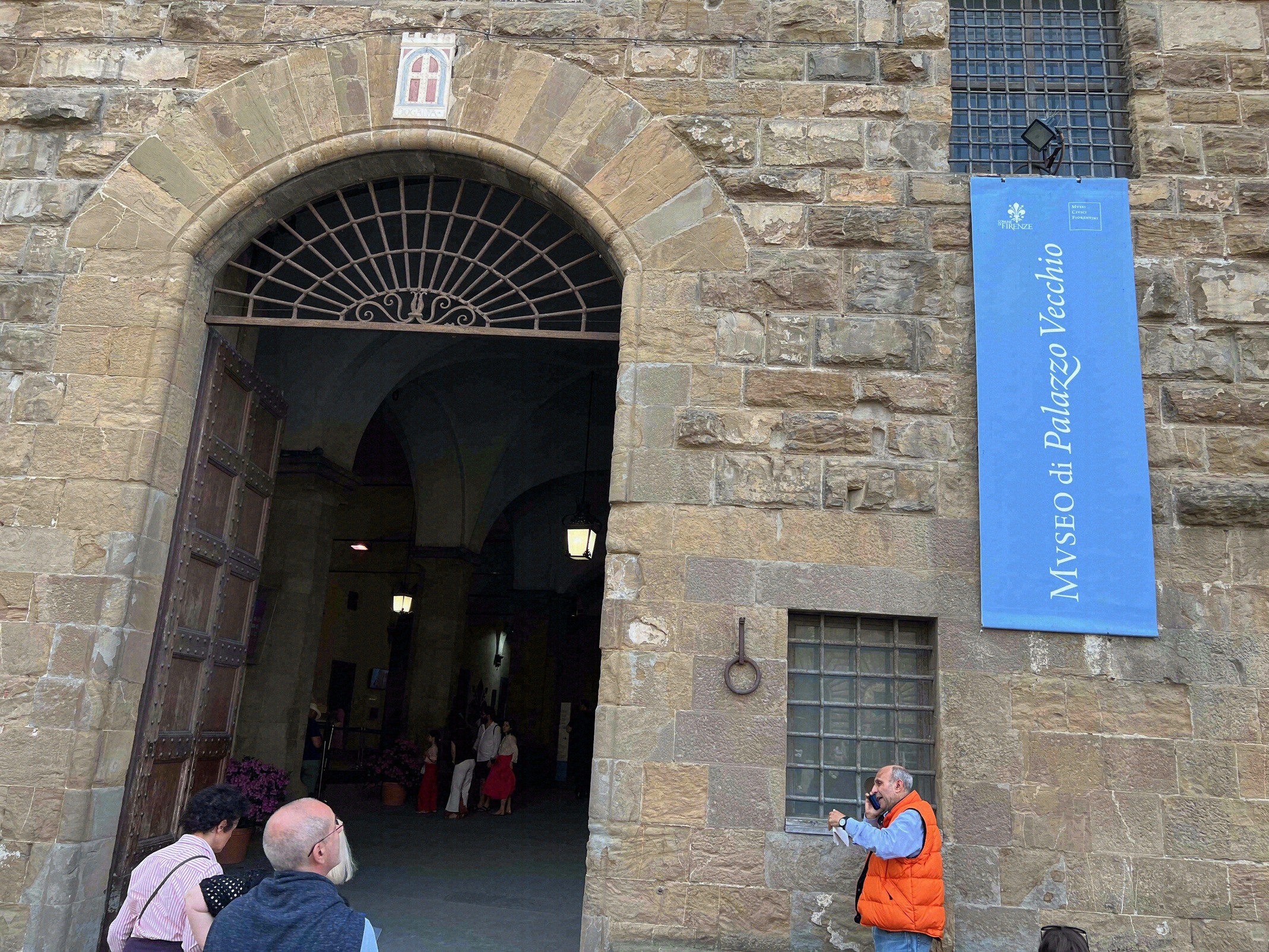
Between the Duomo and the Signoria stands Orsanmichele, once an open grain market and later the church of the Florentine guilds. Piazza della Signoria is the political heart of the city: here stand the Palazzo Vecchio with its 94-metre tower and the Loggia dei Lanzi, whose sculptures can be seen from the square at any time. The Uffizi Gallery, begun in 1560 for Cosimo I, starts at the southern end of the square, and directly behind it on the river the Museo Galileo displays historic scientific instruments.
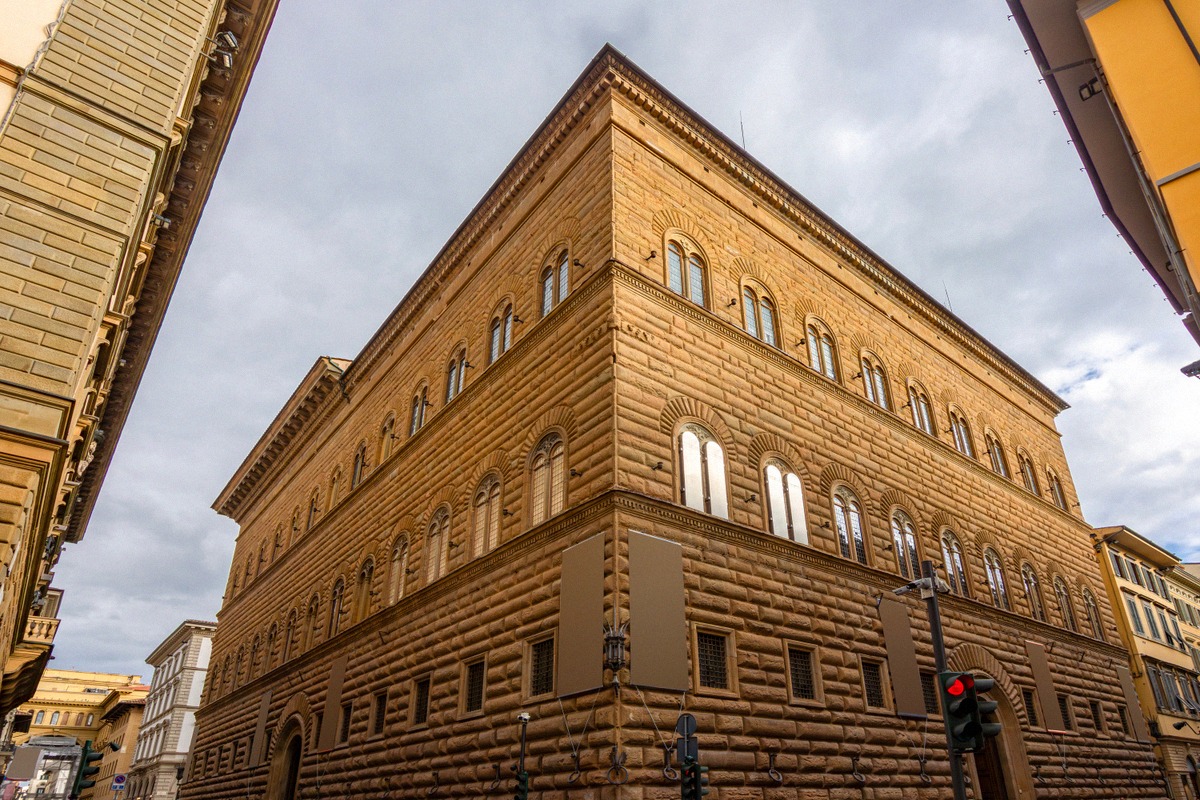
On the Arno, the Ponte Vecchio crosses to the Oltrarno; it was the only bridge in the city spared in the Second World War. In the western part of the centre, on Via de' Tornabuoni, Palazzo Strozzi hosts major temporary exhibitions, and its arcaded courtyard is free to enter.
On foot, by bus and tram
The Centro Storico is best explored on foot. It takes about eight to ten minutes to walk from the Duomo to Piazza della Signoria along Via dei Calzaiuoli, and around ten minutes to the Ponte Vecchio. From the Ponte Vecchio, the Uffizi entrance on the Lungarno is about three minutes away. From Santa Maria Novella, the main railway station, the walk to the Duomo takes around ten minutes.
The old town is a camera-monitored restricted traffic zone (ZTL) for cars, active Monday to Friday from 7:30 to 20:00 and on Saturdays from 7:30 to 16:00. The Getting to Florence guide explains what this means if you are arriving by car. Bus routes C1 to C4 run through the old town and also link it with the large car parks. Tram T2 stops at Alamanni-Stazione by the station, and since January 2025 it has continued to Piazza San Marco on the northern edge of the old town. Routes and tickets are covered in the Public Transport in Florence guide.
Who it suits and when to go
For a first visit to Florence, the Centro Storico is the obvious focus, because you can link several highlights in a single morning without using public transport. If you plan to see the major sights, start early: the Duomo is best first thing in the morning, the dome climb must be booked in advance, and the Uffizi is most pleasant at first entry at 8:15 or from 16:00. The Tickets & Queues page explains how the time slots work.
Piazza della Signoria and the Ponte Vecchio are accessible around the clock, so they are also worth a visit early in the morning or in the evening, when the daytime crowds thin out. As a base, the centre puts every sight on your doorstep, but prices are higher and high summer is very busy. If you prefer somewhere quieter, stay in the neighbouring Oltrarno; the Where to stay page weighs up the options.
Around the Centro Storico
Florence Cathedral
Santa Maria del Fiore, Florence's Gothic cathedral, is topped by Brunelleschi's dome. Entry is free; the dome is only included in the €30 Brunelleschi Pass.
Uffizi Gallery
The Uffizi Gallery holds the world's finest Renaissance collection - Botticelli, Leonardo, Raphael, Caravaggio. Book a timed-entry ticket in advance.
Palazzo Vecchio
Palazzo Vecchio on Piazza della Signoria has been Florence's town hall since the 14th century, home to the Hall of the Five Hundred and the Torre di Arnolfo.
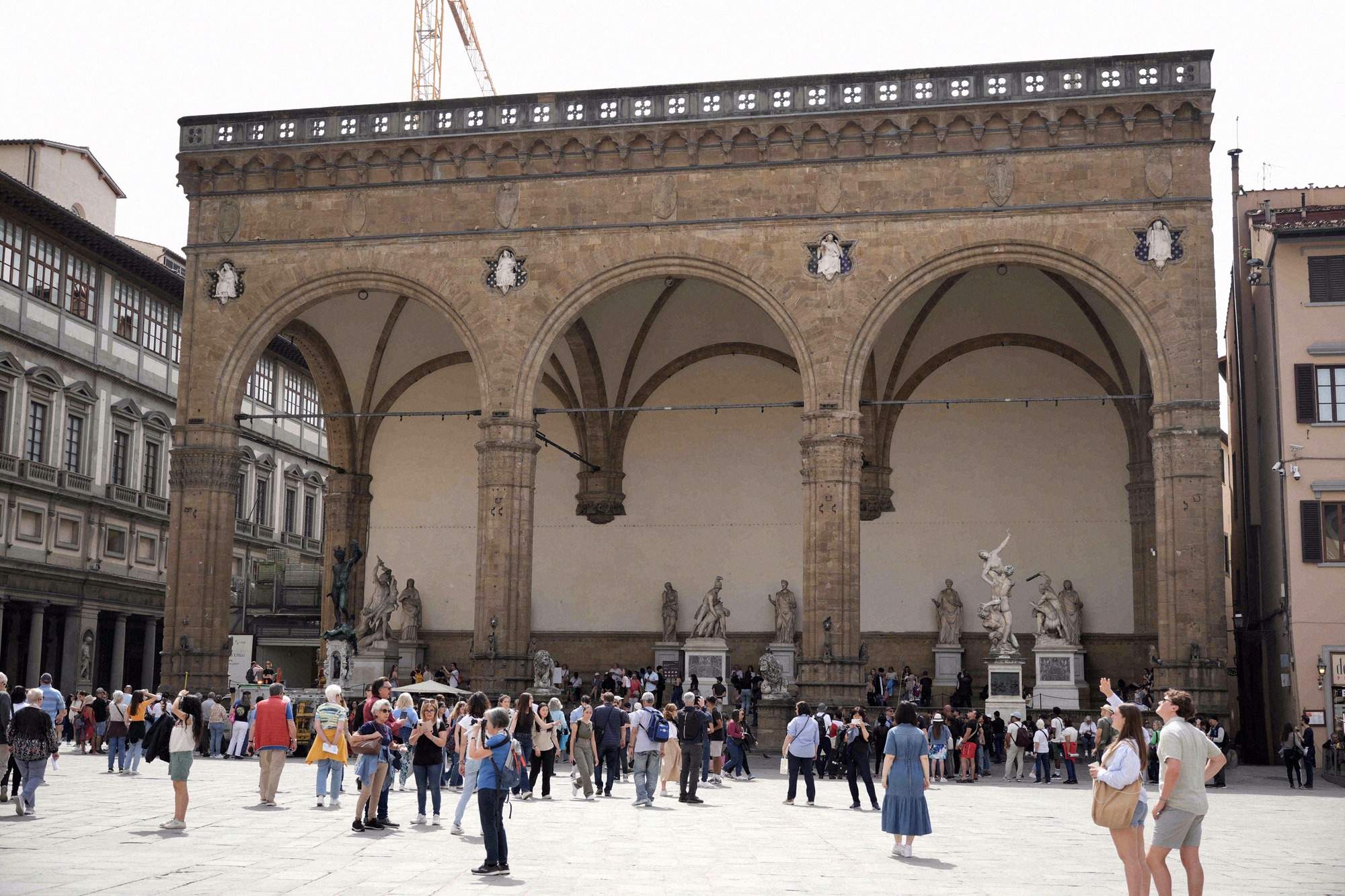
Piazza della Signoria
Florence's political square is a free open-air museum in front of the Palazzo Vecchio, with the Neptune Fountain, a copy of David and Renaissance sculpture in the Loggia dei Lanzi.
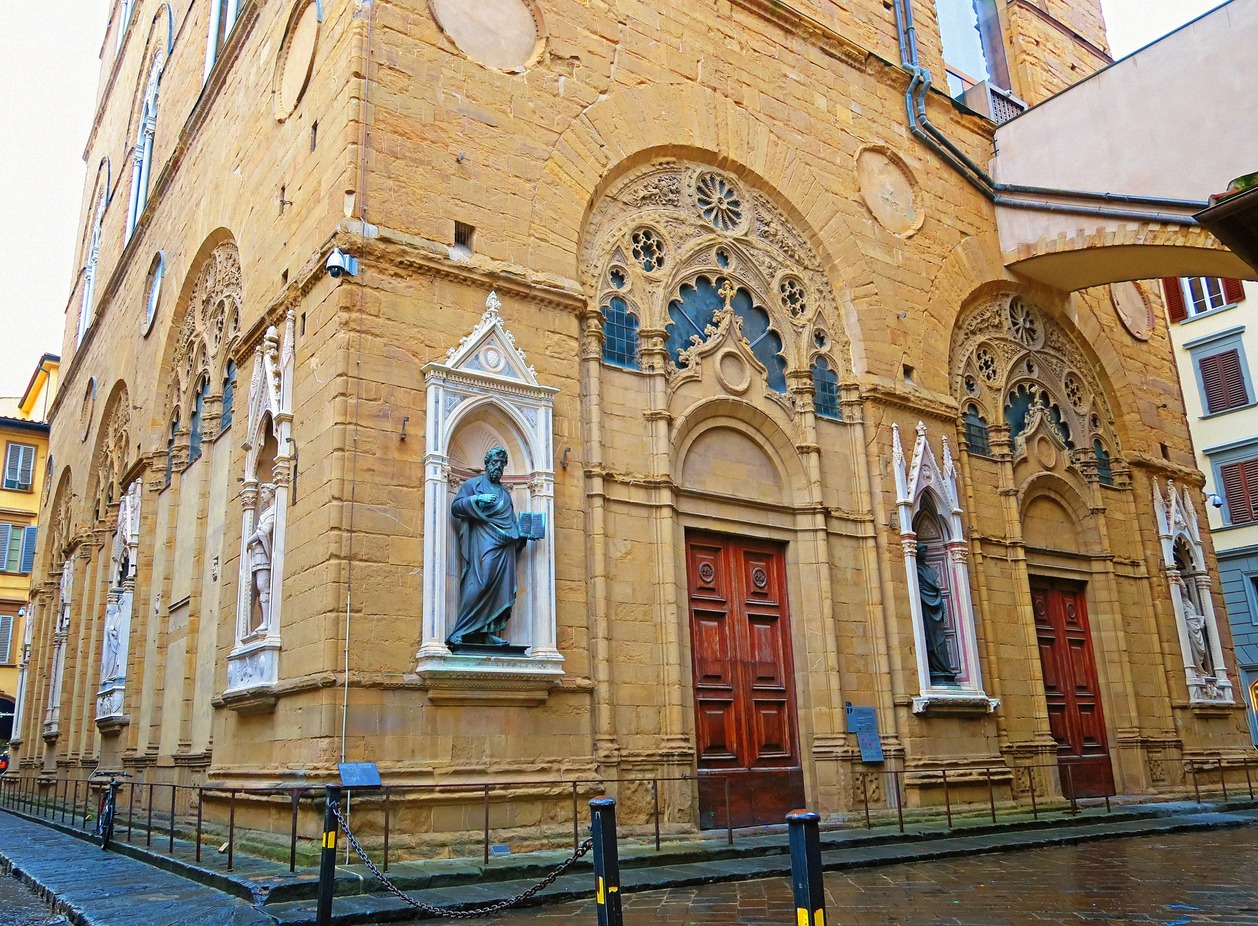
Orsanmichele
This solid guild church between the Duomo and Piazza della Signoria was once a grain market, famous for the saints' statues in its facade niches and the sculpture museum upstairs.
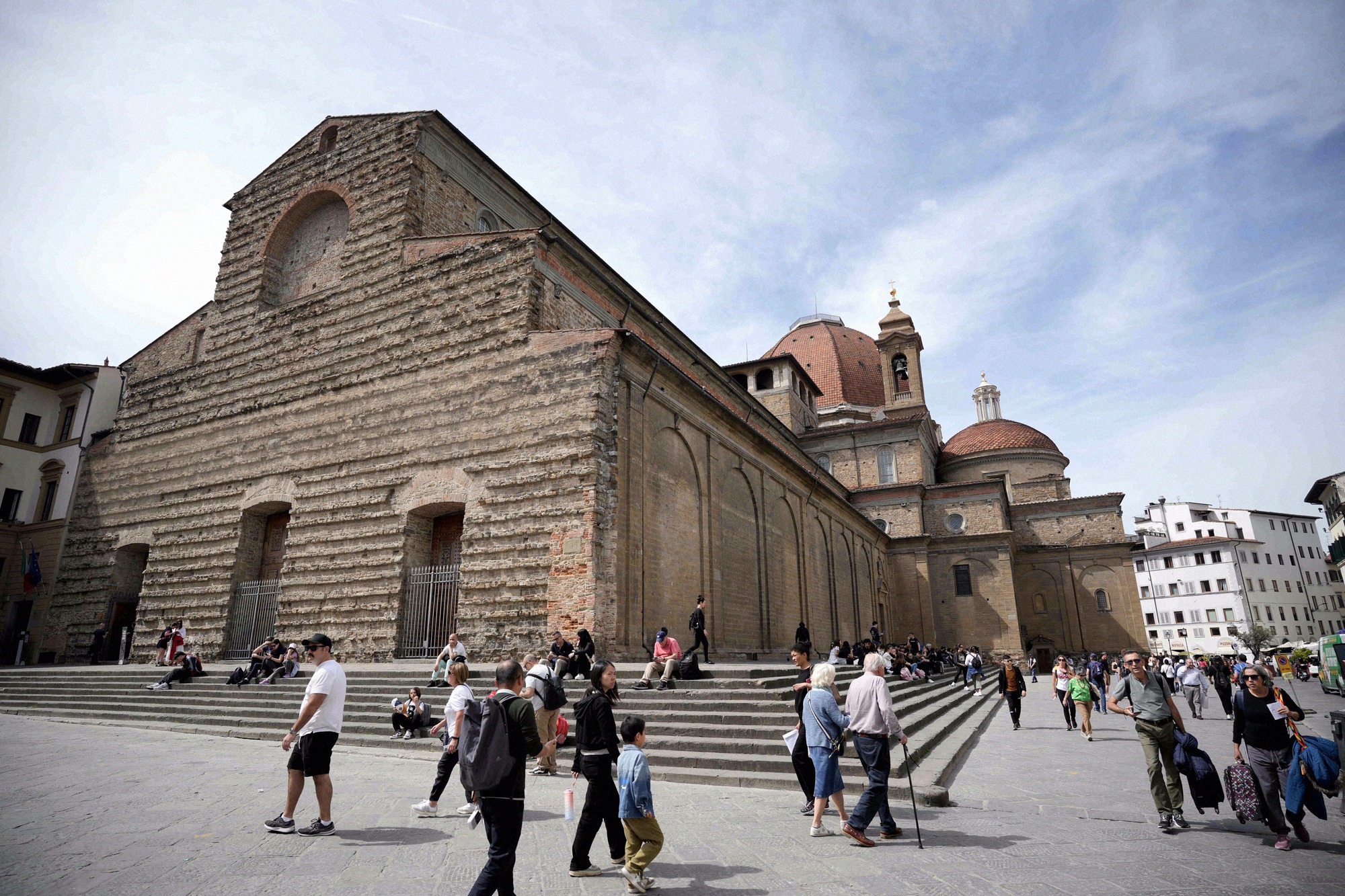
Basilica di San Lorenzo
The Basilica di San Lorenzo was the Medici family's parish and burial church, with Brunelleschi's Renaissance architecture, Donatello's bronze pulpits and Michelangelo's Biblioteca Laurenziana.
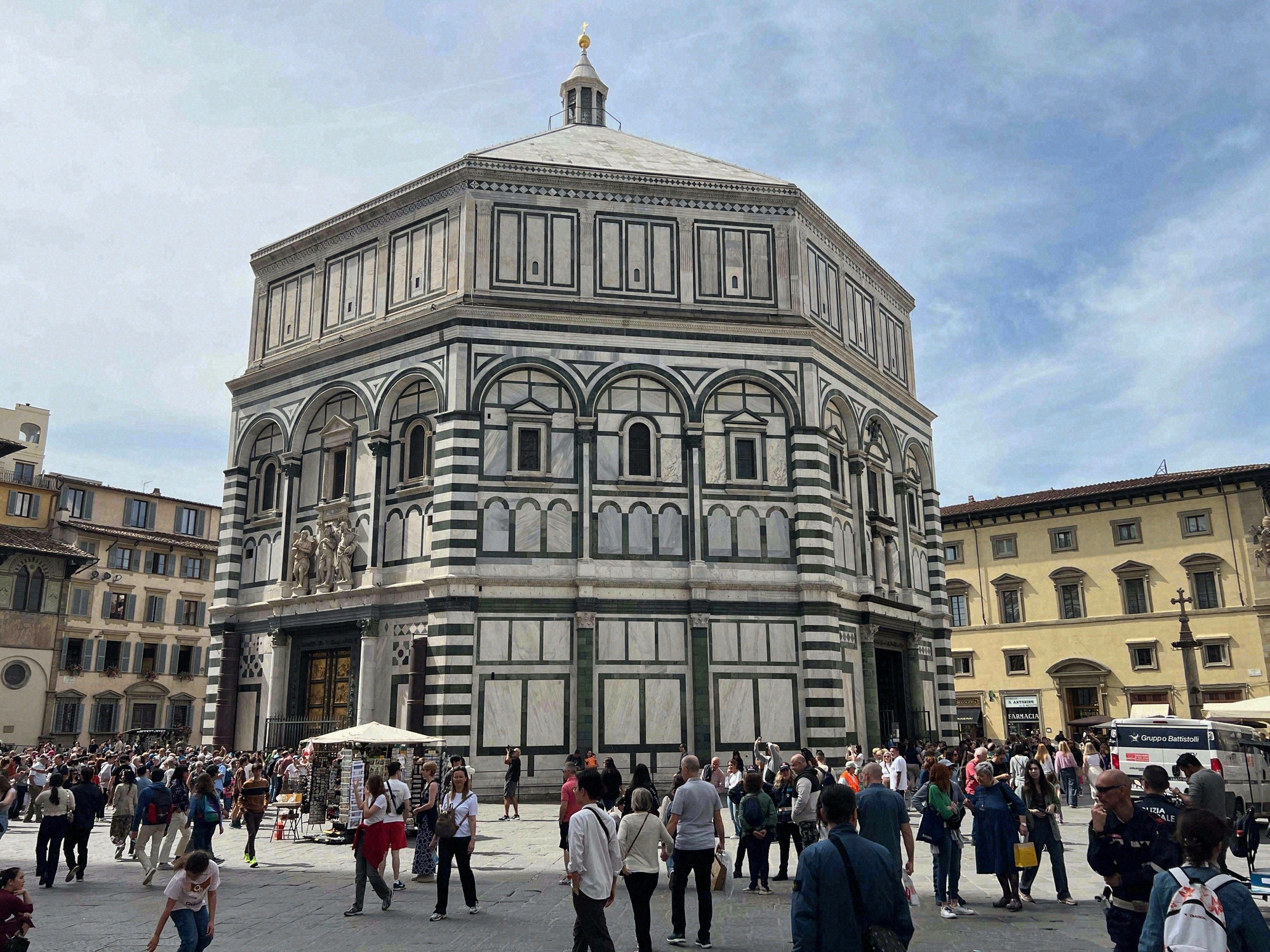
Florence Baptistery
The Battistero di San Giovanni facing the Duomo is one of Florence's oldest buildings, famed for Ghiberti's gilded Gates of Paradise and its golden mosaic ceiling.
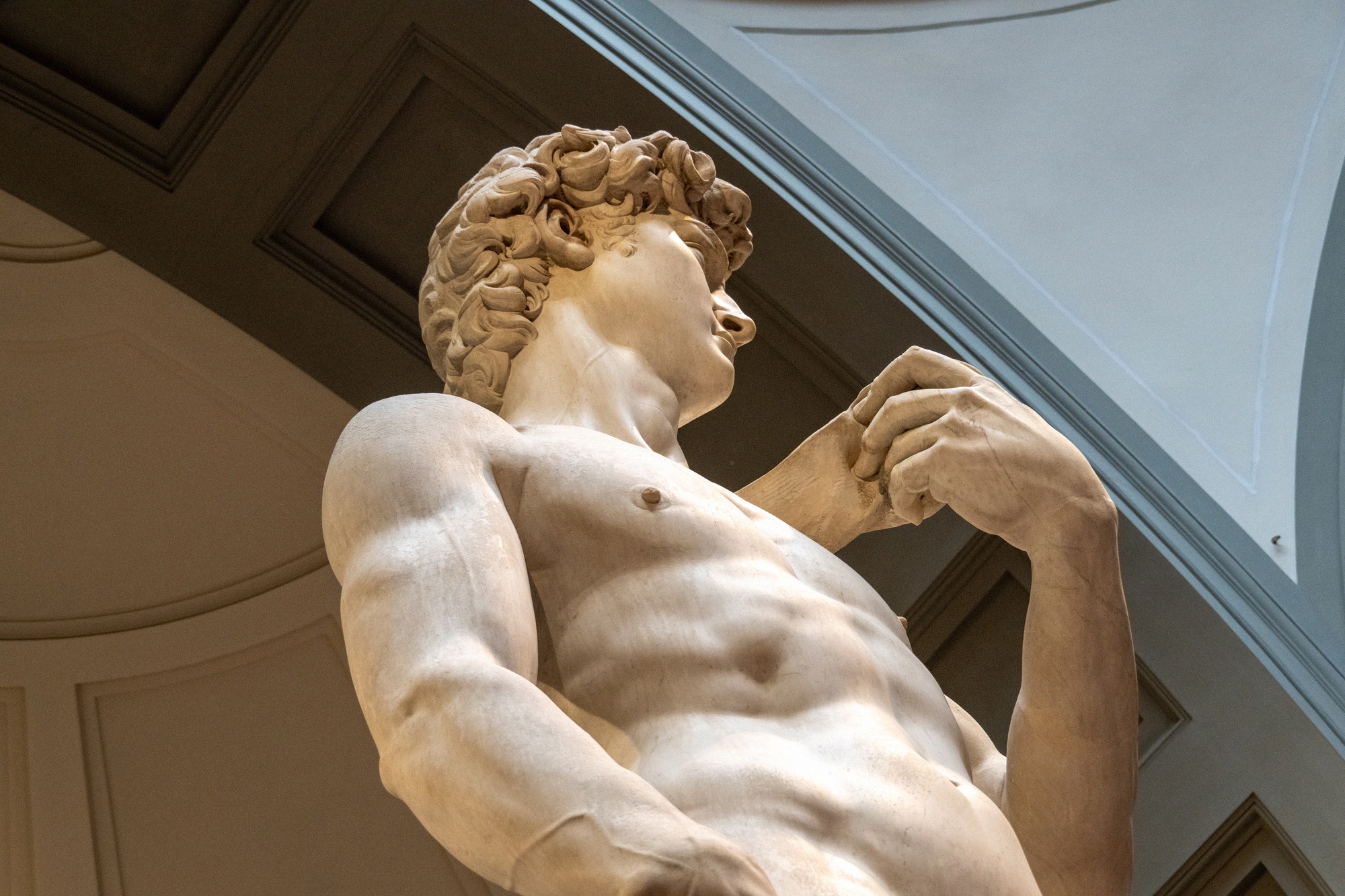
Galleria dell'Accademia
The Accademia Gallery holds the original of Michelangelo's David, five metres carved from a single block of Carrara marble, flanked by the unfinished Prigioni and Tuscan panel painting.
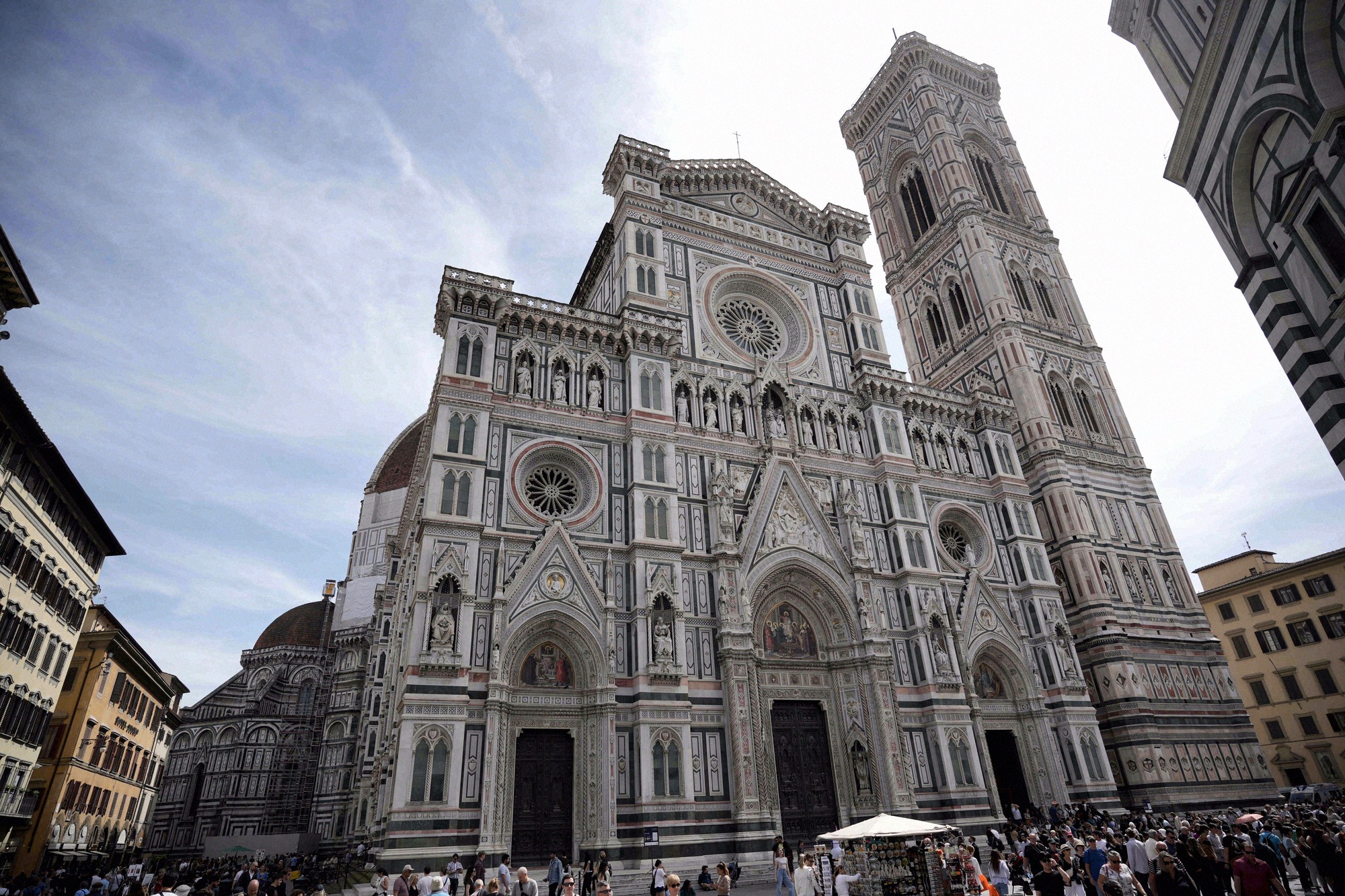
Giotto's Campanile
Giotto's marble-clad bell tower beside the Duomo climbs 414 steps to a terrace with the classic view of Brunelleschi's dome directly opposite.
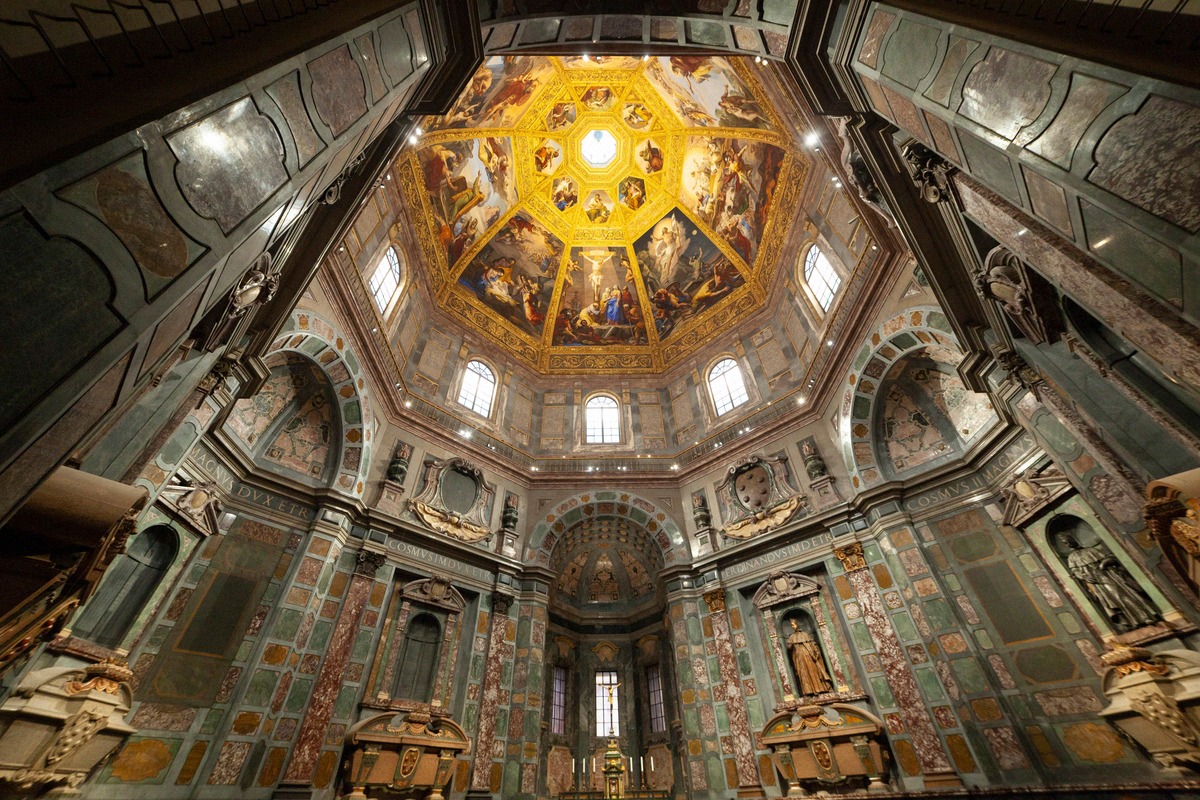
Medici Chapels
The Medici family's mausoleum behind San Lorenzo combines the opulent Chapel of the Princes with Michelangelo's New Sacristy and its famous Times of Day allegories.
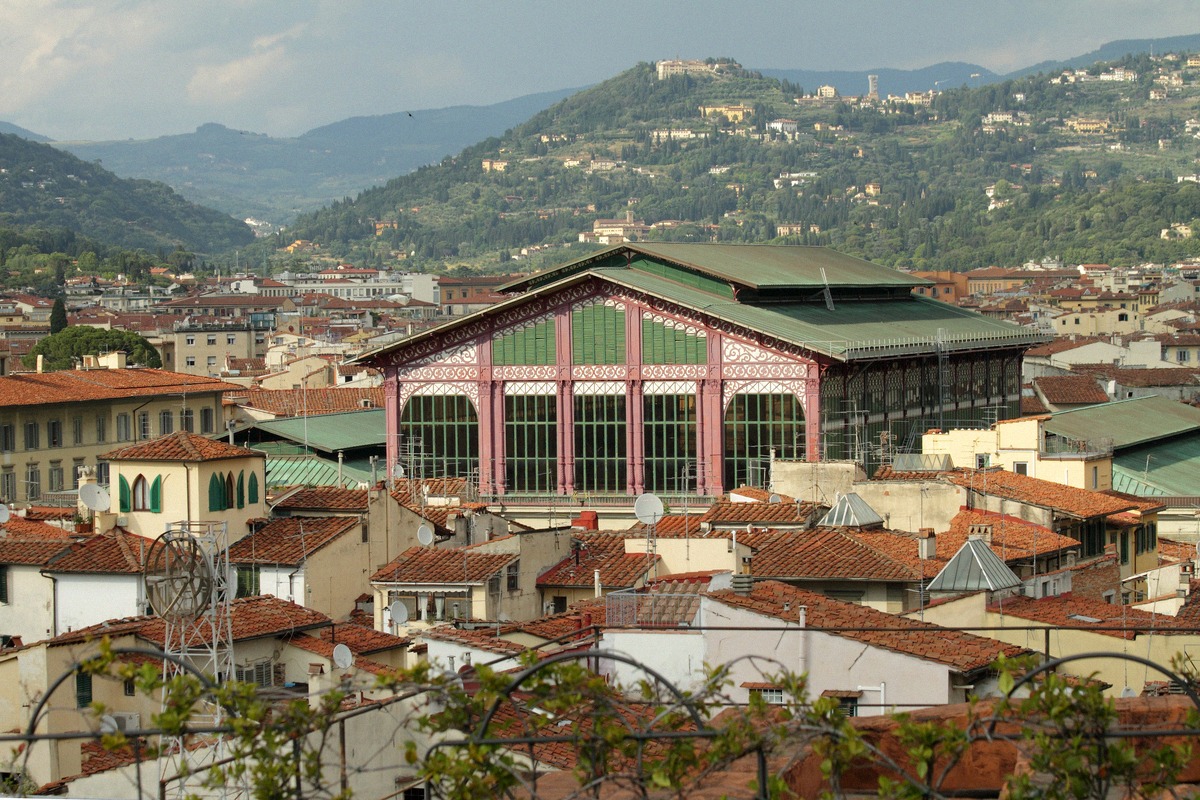
Mercato Centrale
The Mercato Centrale near San Lorenzo, a cast-iron hall from 1874, combines a fresh-produce market downstairs with a food court of over twenty stalls upstairs.
Museo dell'Opera del Duomo
The Opera del Duomo Museum holds the originals from the cathedral square - Ghiberti's Gates of Paradise, Donatello's sculptures and Michelangelo's Bandini Pietà, in a 2015 building with a reconstructed facade.
Museo Galileo
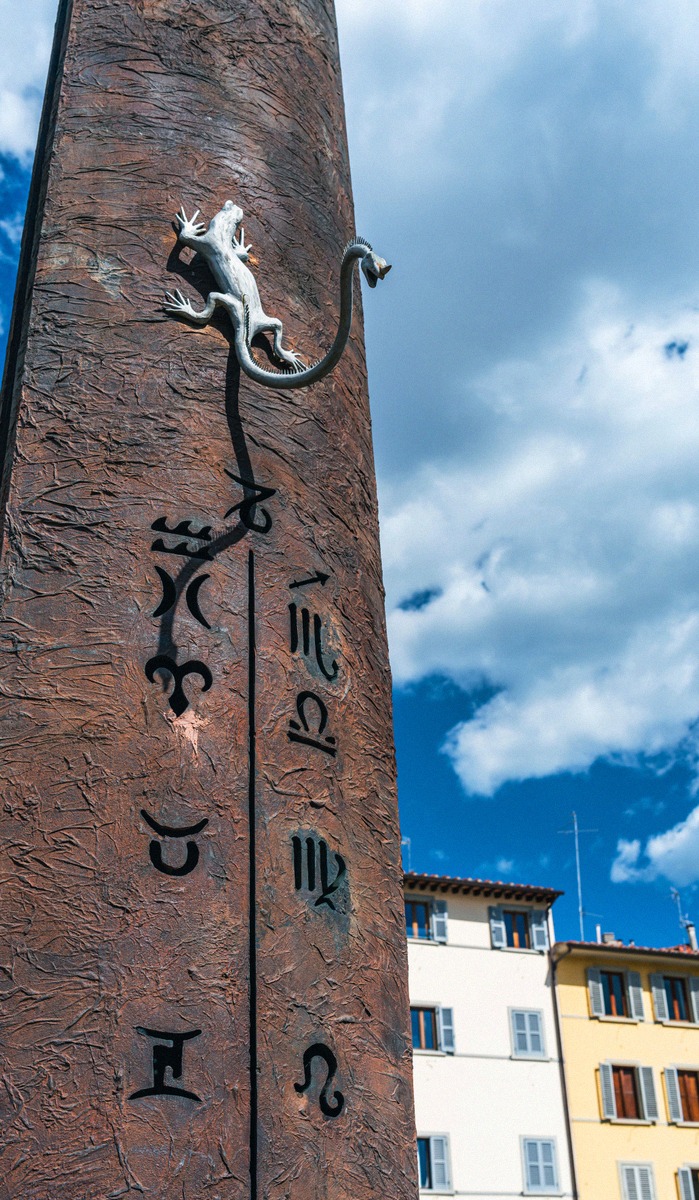
Right on the Arno behind the Uffizi, this science museum displays over 1000 historic instruments, ornate globes and Galileo's only two surviving telescopes.
Palazzo Medici Riccardi
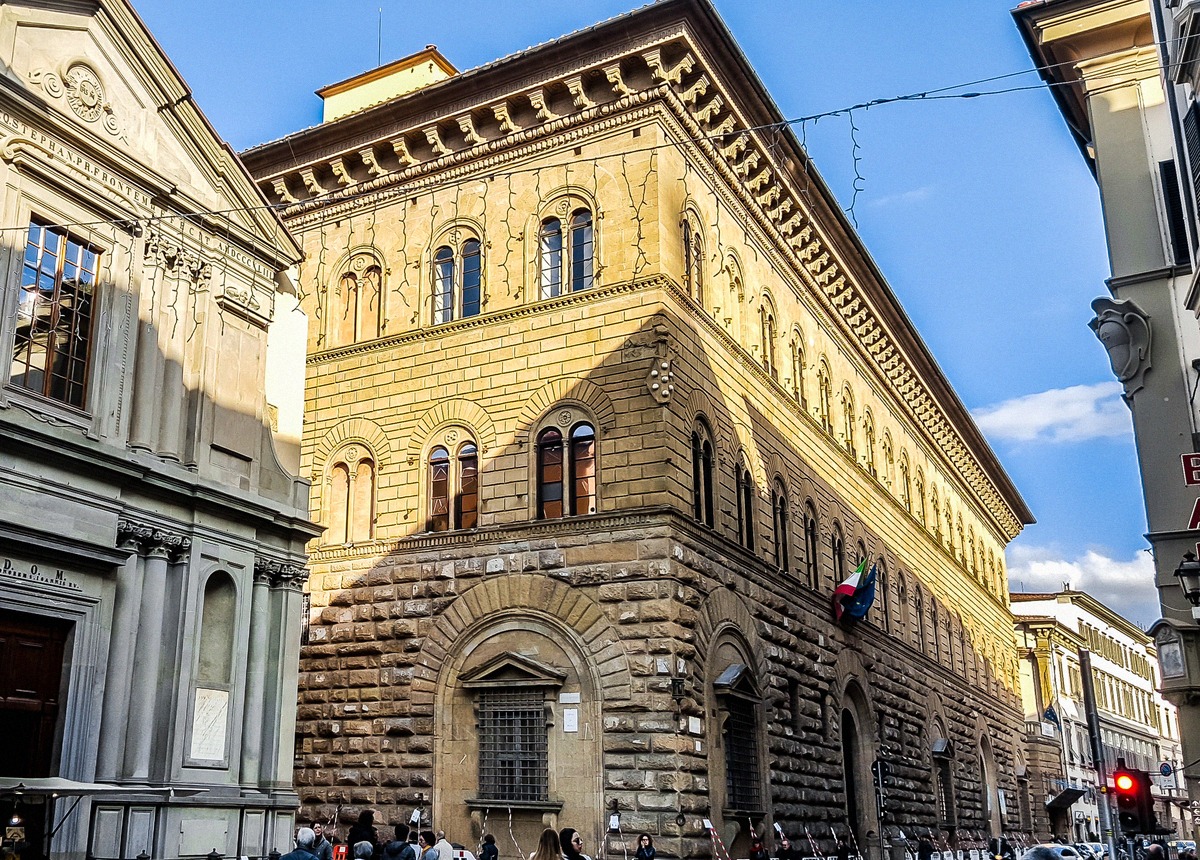
The first great Medici city palace, built from 1444 by Michelozzo. Famous for Benozzo Gozzoli's radiant fresco cycle of the Magi and Luca Giordano's Baroque Hall of Mirrors.
Palazzo Strozzi
The imposing Renaissance palace on Via de' Tornabuoni is Florence's leading venue for major temporary exhibitions; the arcaded courtyard is free to enter.
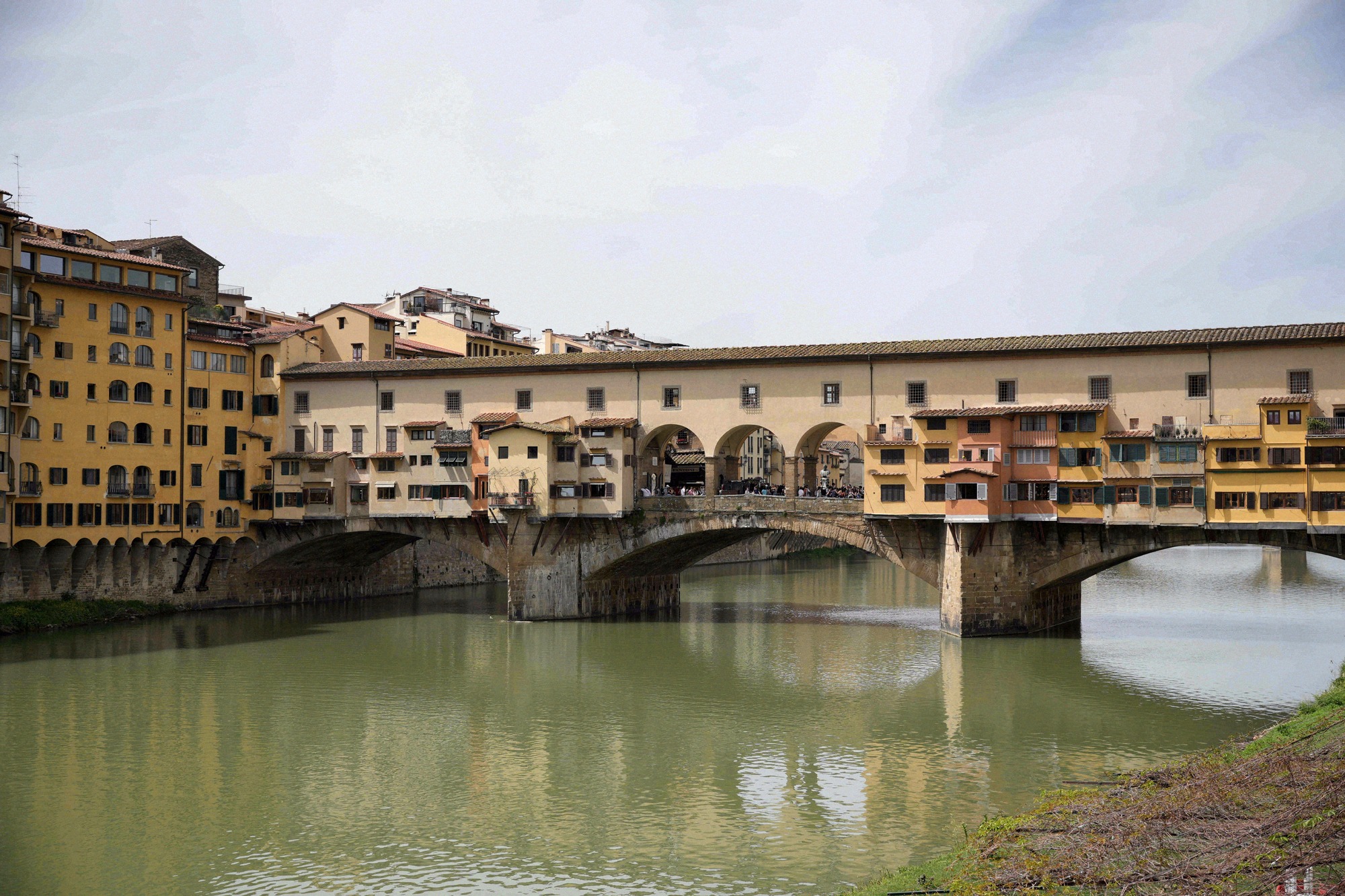
Ponte Vecchio
The Ponte Vecchio is Florence's oldest bridge, still lined with small goldsmiths' shops since 1593, with the reopened Vasari Corridor running above the Arno.
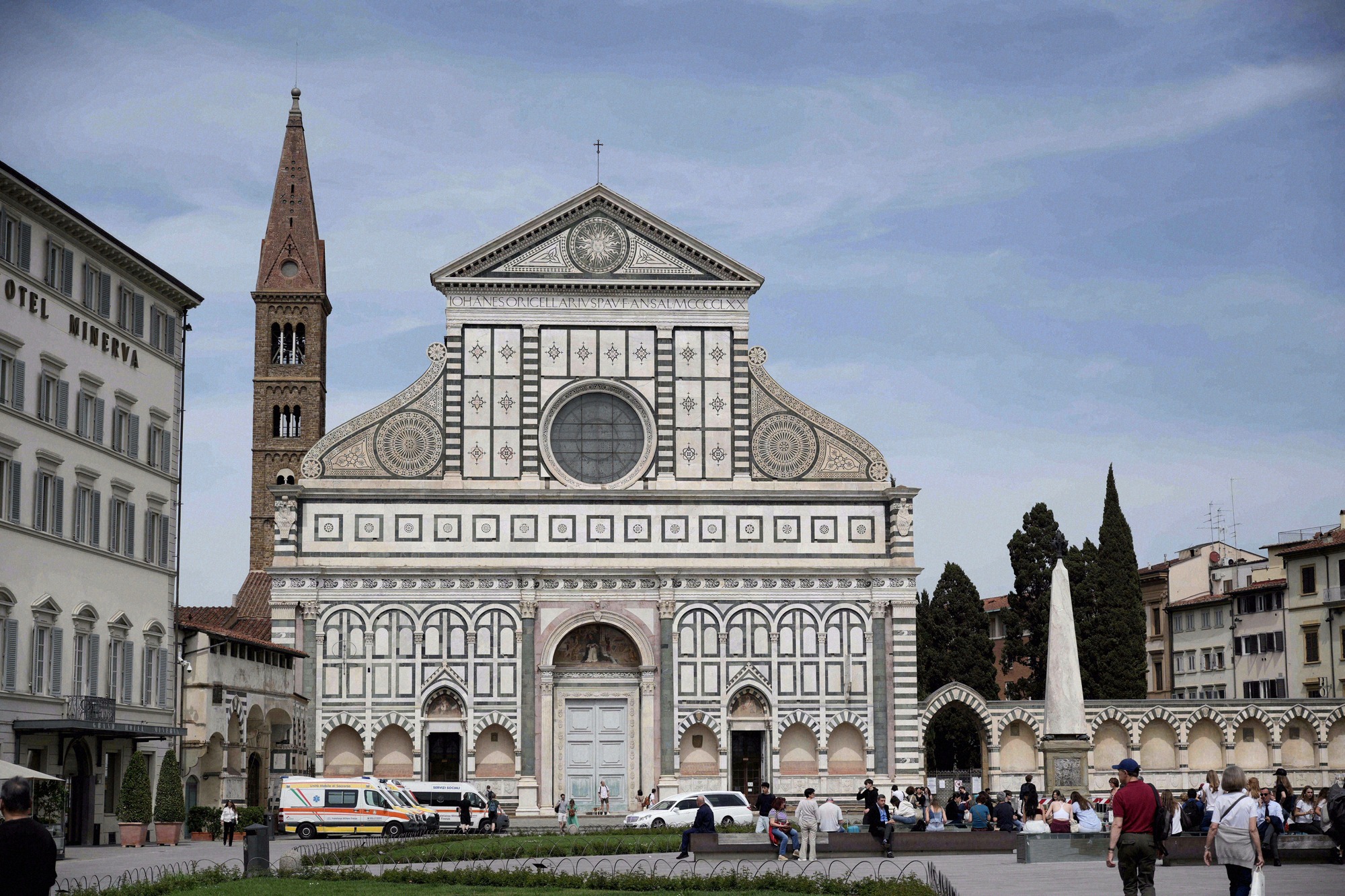
Santa Maria Novella
The Basilica di Santa Maria Novella by the main station pairs Alberti's Renaissance marble facade with Masaccio's groundbreaking Trinity fresco and Ghirlandaio's fresco cycle.