
Museum and tower
Palazzo Vecchio with tower climb
Entry to the state rooms and a climb up the Torre di Arnolfo.
From €49
Book TicketFlorence's town hall with the Hall of the Five Hundred & tower
Palazzo Vecchio on Piazza della Signoria has been Florence's town hall since the 14th century, home to the Hall of the Five Hundred and the Torre di Arnolfo.
Tickets
Museum and tower
Entry to the state rooms and a climb up the Torre di Arnolfo.
From €49
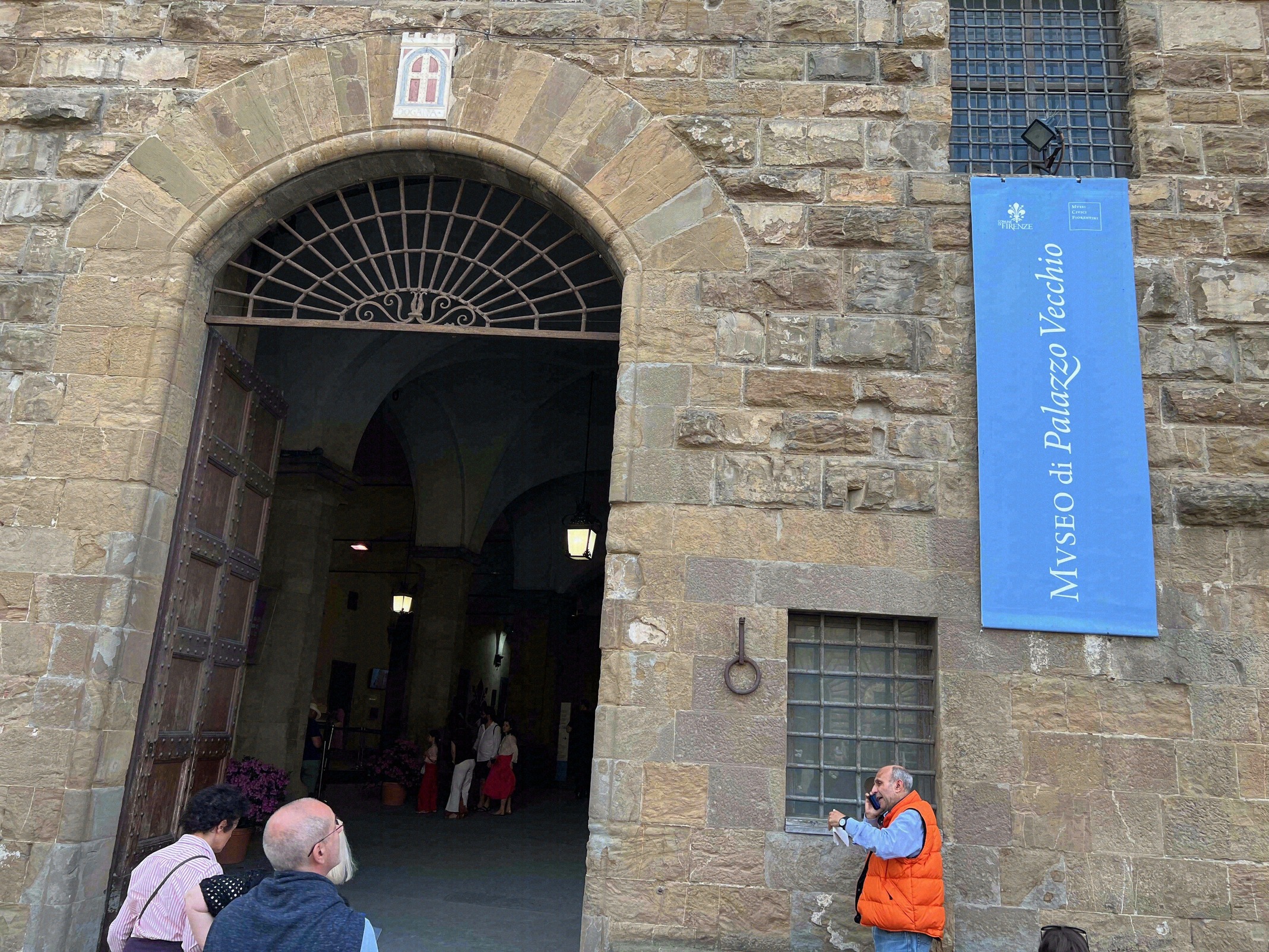
Book TicketPalazzo Vecchio has been the political centre of Florence since the 14th century, and it's still the city's town hall today. The imposing, fortress-like building with its crenellated skyline and the towering Torre di Arnolfo dominates Piazza della Signoria - together with the sculpture gallery standing in front of it, it forms arguably the most striking square in the city. Built as the seat of the city government, the palace became a ducal residence in the 16th century: Cosimo I de' Medici had it lavishly remodelled by Giorgio Vasari, before the family moved on to the Palazzo Pitti in 1565. Ever since, the old seat of government has been known as "Palazzo Vecchio", the old palace.
The Museo di Palazzo Vecchio is run by the Musei Civici Fiorentini, Florence's municipal museums, operated by MUS.E. That makes it one of the few major museums owned by the city itself rather than the Italian state, unlike the Uffizi or the Accademia.
The showpiece inside is the vast Salone dei Cinquecento, the "Hall of the Five Hundred", named after the Republic's Great Council, which met here. Cosimo I had the hall remodelled by Vasari between 1563 and 1565 to glorify Medici rule. The monumental battle frescoes on the walls depict Cosimo's victories over the rival republics of Pisa and Siena, including the capture of Siena, the conquest of Porto Ercole and the victory at Marciano/Scannagallo in 1554. Read the pictures and you're reading the consolidation of Medici power across the whole of Tuscany.
The hall also holds Michelangelo's "Genius of Victory" (Genio della Vittoria), a fully sculpted marble group from 1532-1534. It was originally intended for the never-completed tomb of Pope Julius II; once the project changed, it went unused and, after Michelangelo's death, passed via his nephew Leonardo to Cosimo I, who had it installed here in 1565. A well-known legend holds that a lost Leonardo da Vinci mural might be hidden behind Vasari's frescoes, to this day, that remains unproven.
Before you even buy a ticket, it's worth taking in the first courtyard, which is free to enter. It was designed in 1453 by Michelozzo; at its centre stands a porphyry fountain with a copy of Verrocchio's "Putto with Dolphin" (c. 1476, the original is inside). Vasari gilded the columns and added stucco decoration; the 1565 wall frescoes depict 14 cities of the Habsburg monarchy, including Vienna and Prague, created for the wedding of Francesco I de' Medici to Joanna of Austria.
A stone staircase of 223 steps climbs up to the Torre di Arnolfo, one of the highest viewpoints in the old town, with a direct view of the Cathedral and out over the rooftops. The climb is only possible with a reserved time slot and stays closed in the rain, while the covered walkway remains accessible. Children under 6 aren't admitted.
Beneath the palace lie the excavations of a Roman theatre, they are currently closed to the public for safety reasons. Don't build them into your plans, and check before your visit whether they have reopened.
The museum is open Monday, Tuesday, Wednesday and Friday to Sunday from 9:00 to 19:00, and only until 14:00 on Thursdays. The Torre di Arnolfo closes earlier on the same days, at 17:00 (14:00 on Thursdays). Ticket sales stop one hour before closing.
The museum's full price is €18, reduced to €12 for 18- to 25-year-olds and students, and free under 18. The tower is sold separately and costs €20, reduced €13; there is no official combined museum-and-tower ticket at a package price. Booking online adds a €1 advance-sale fee. Admission is also free for people with disabilities and their companions, accredited journalists, licensed guides, and school groups with a teacher, as well as for everyone on the first Sunday of every month.
The best way to book tickets is online through the official provider, ticketsmuseums.comune.fi.it; admission is only possible with a reserved time slot, and slots are limited, especially for the tower. On-site payment in 2026 is mostly cashless.
Allow 1.5 to 2 hours for the museum, a little more if you're climbing the tower. It's quietest in the morning, right after opening; it's worth timing the tower climb for a clear day. If you just want to see the courtyard, you can walk in free at any time.
The palace sits in the middle of the Centro Storico, right on Piazza della Signoria, from where everything else is within walking distance: the Uffizi is right next door, the Ponte Vecchio and the Bargello are just a few minutes away, and both Orsanmichele and the Cathedral are an easy walk too. That makes Palazzo Vecchio a natural fit for a walking route through the eastern old town.
Since admission only works with a timed slot, the booking tickets guide is worth reading before your trip; for a compact overview of the city's main sights, see attractions in Florence.
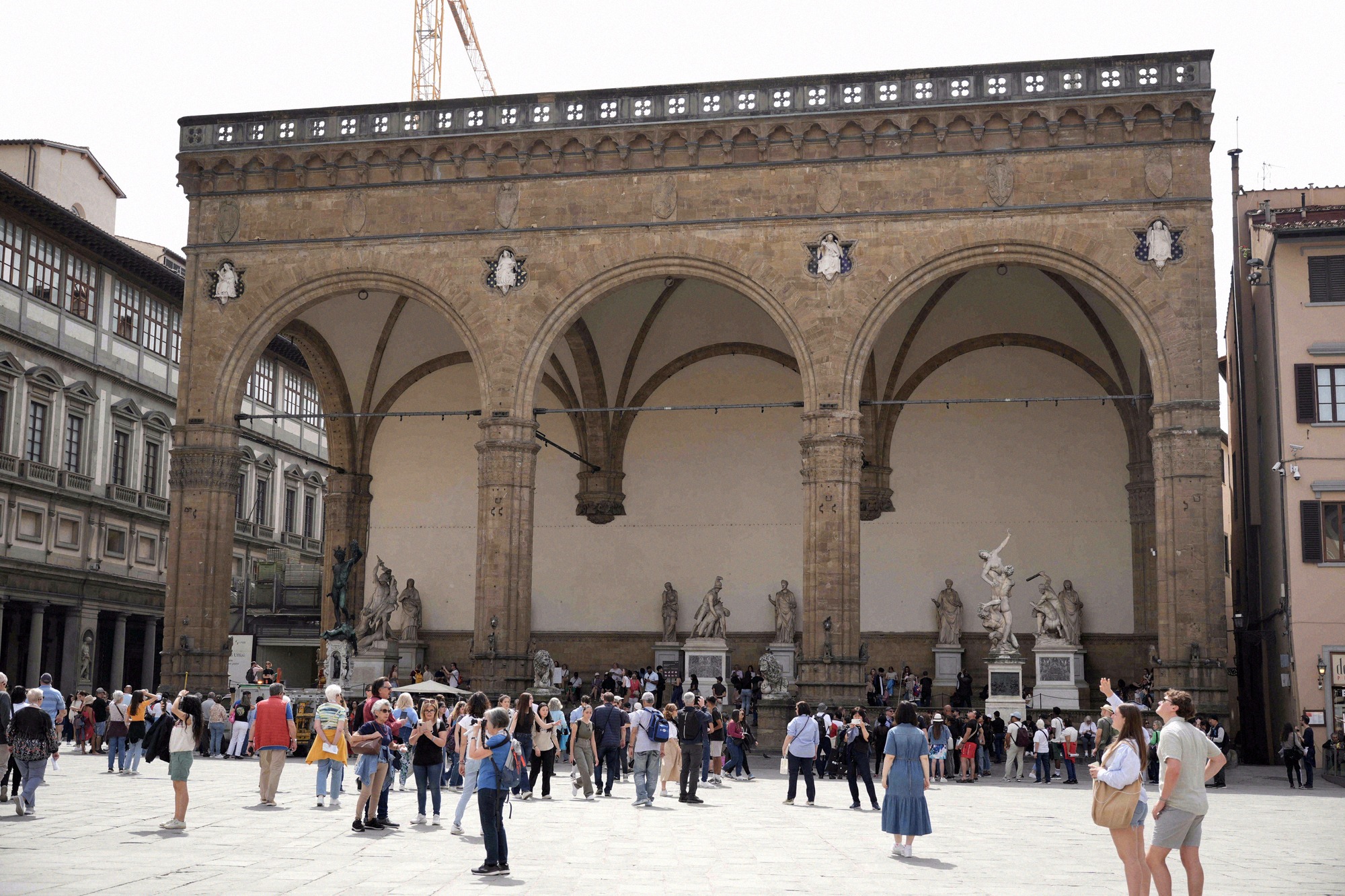
Florence's political square is a free open-air museum in front of the Palazzo Vecchio, with the Neptune Fountain, a copy of David and Renaissance sculpture in the Loggia dei Lanzi.
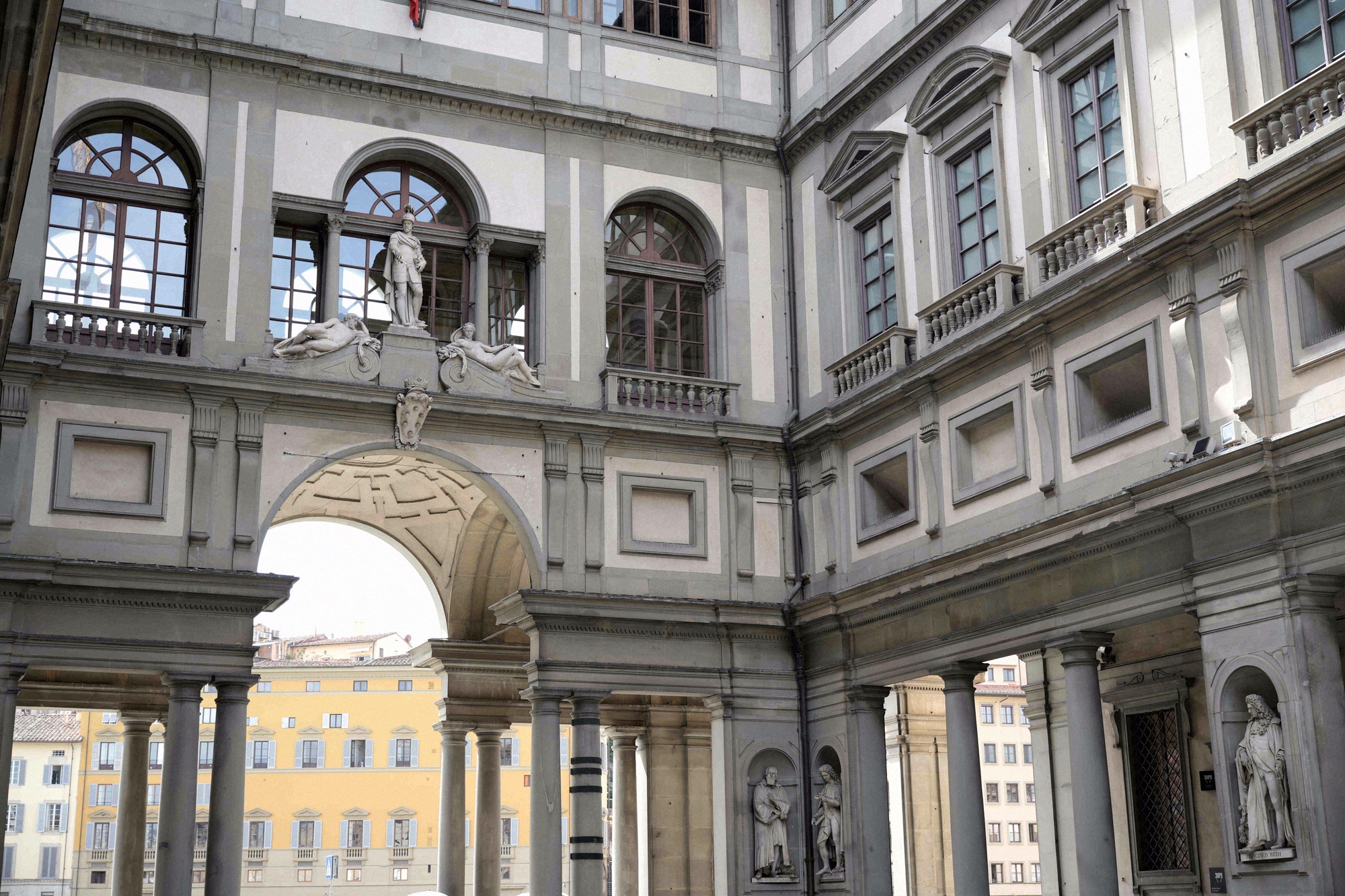
The Uffizi Gallery holds the world's finest Renaissance collection - Botticelli, Leonardo, Raphael, Caravaggio. Book a timed-entry ticket in advance.
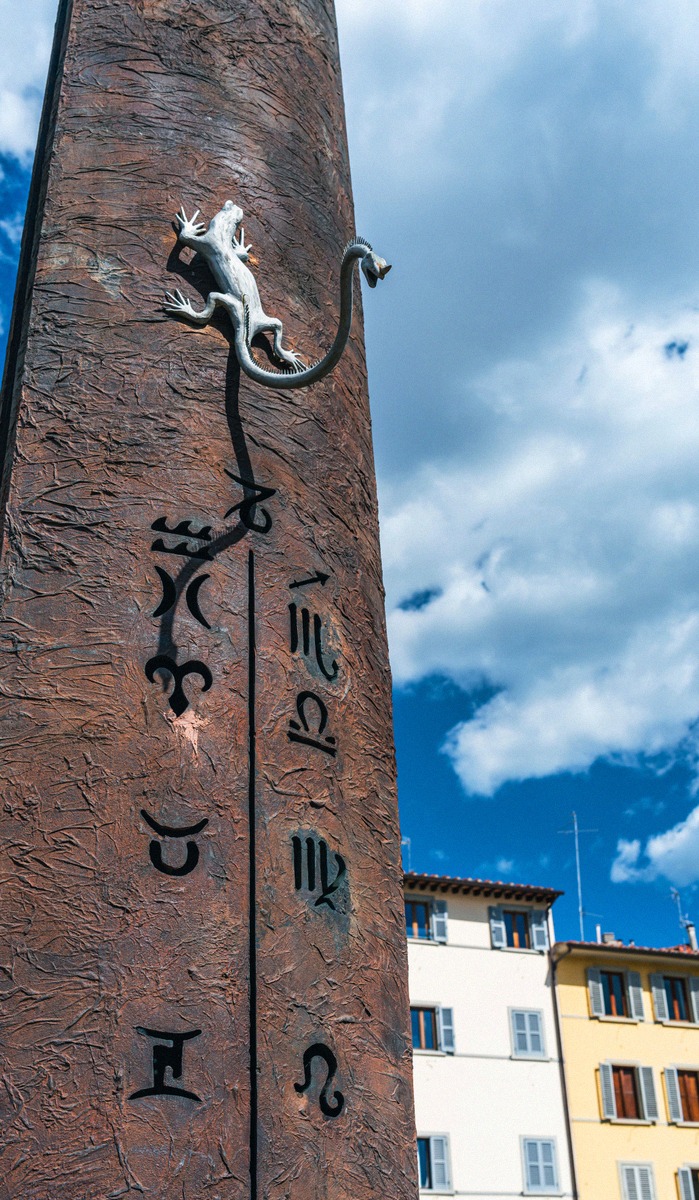
Right on the Arno behind the Uffizi, this science museum displays over 1000 historic instruments, ornate globes and Galileo's only two surviving telescopes.
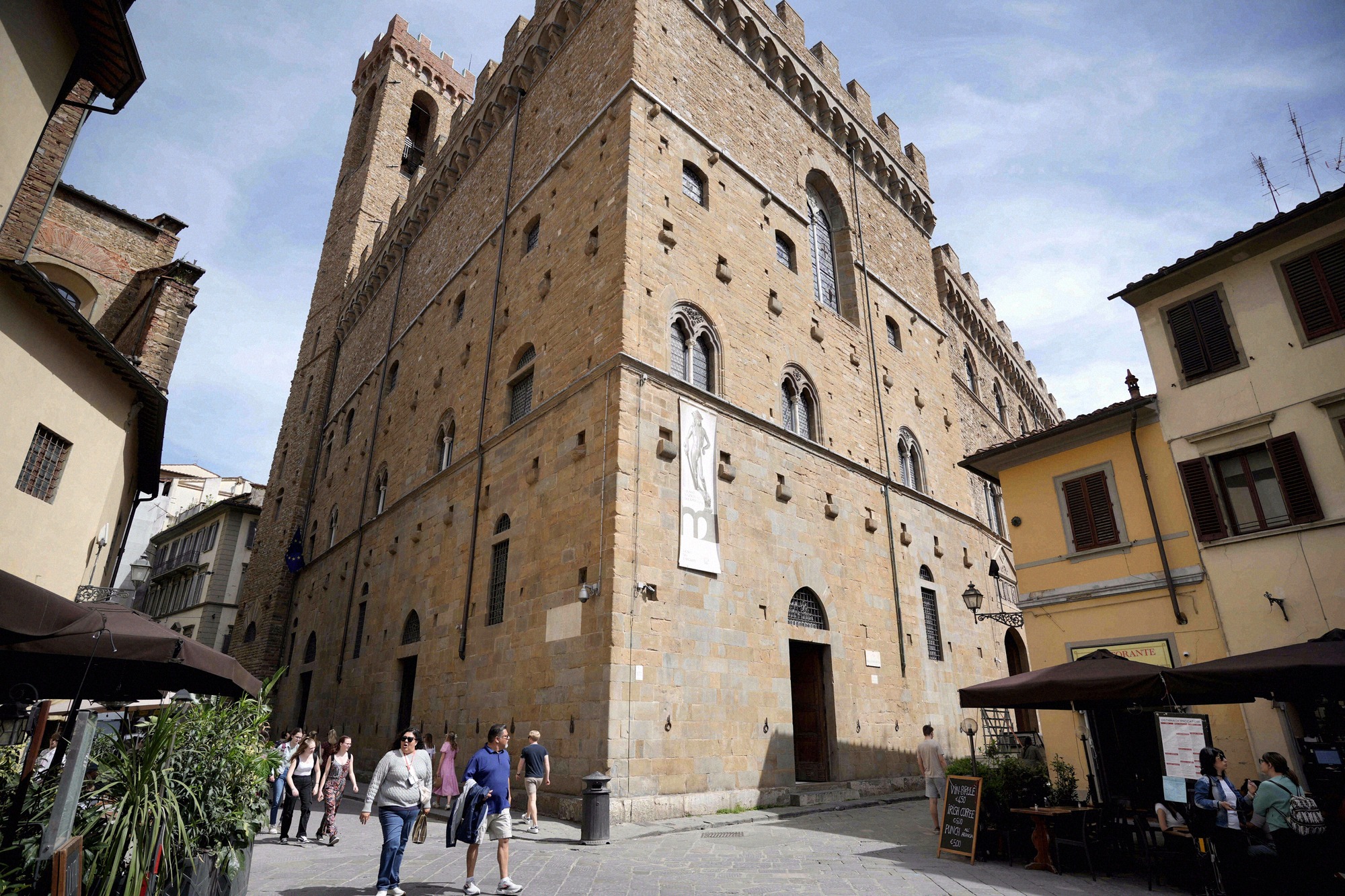
Florence's oldest public building holds the world's finest collection of Renaissance sculpture, including Donatello's bronze David and works by Michelangelo.
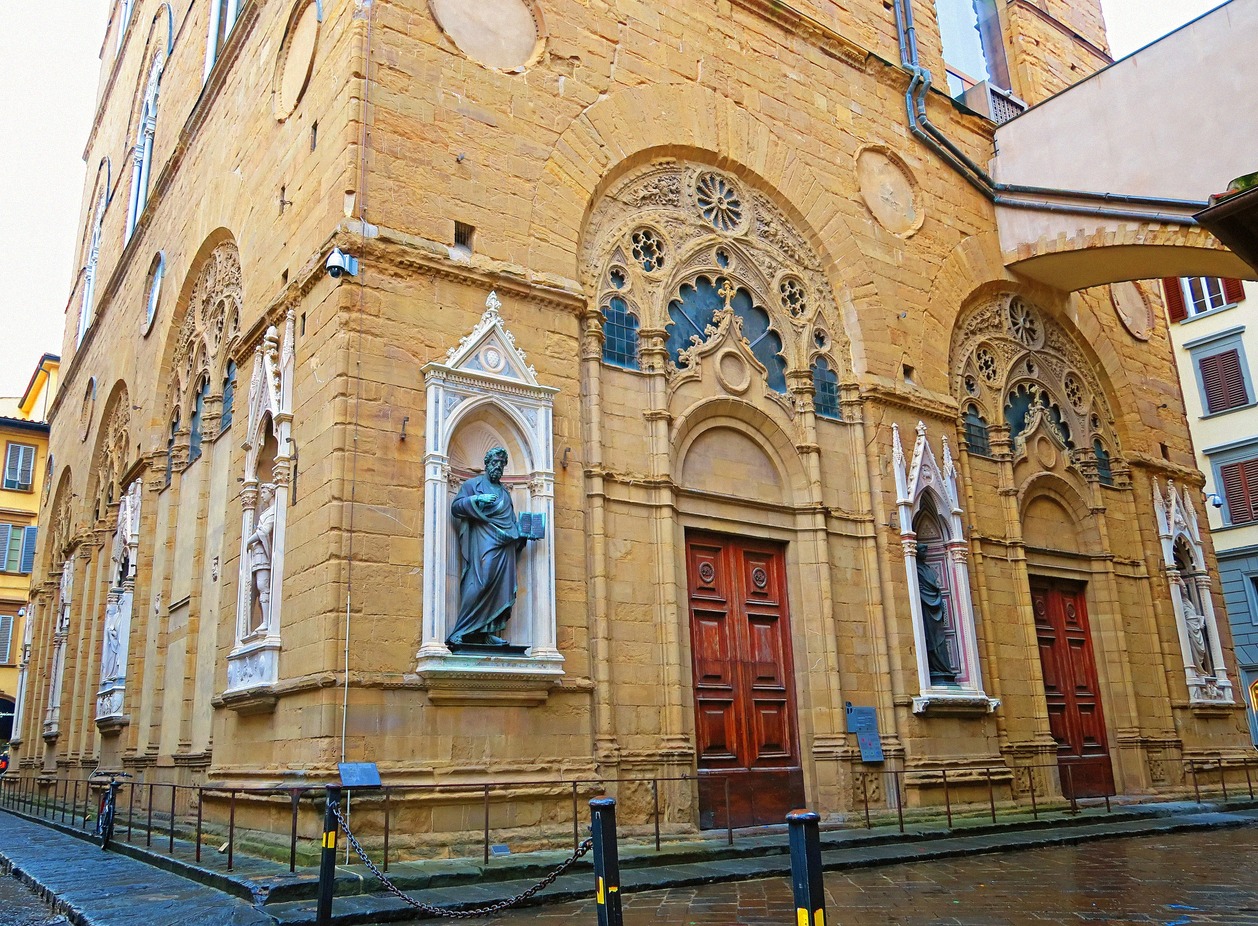
This solid guild church between the Duomo and Piazza della Signoria was once a grain market, famous for the saints' statues in its facade niches and the sculpture museum upstairs.
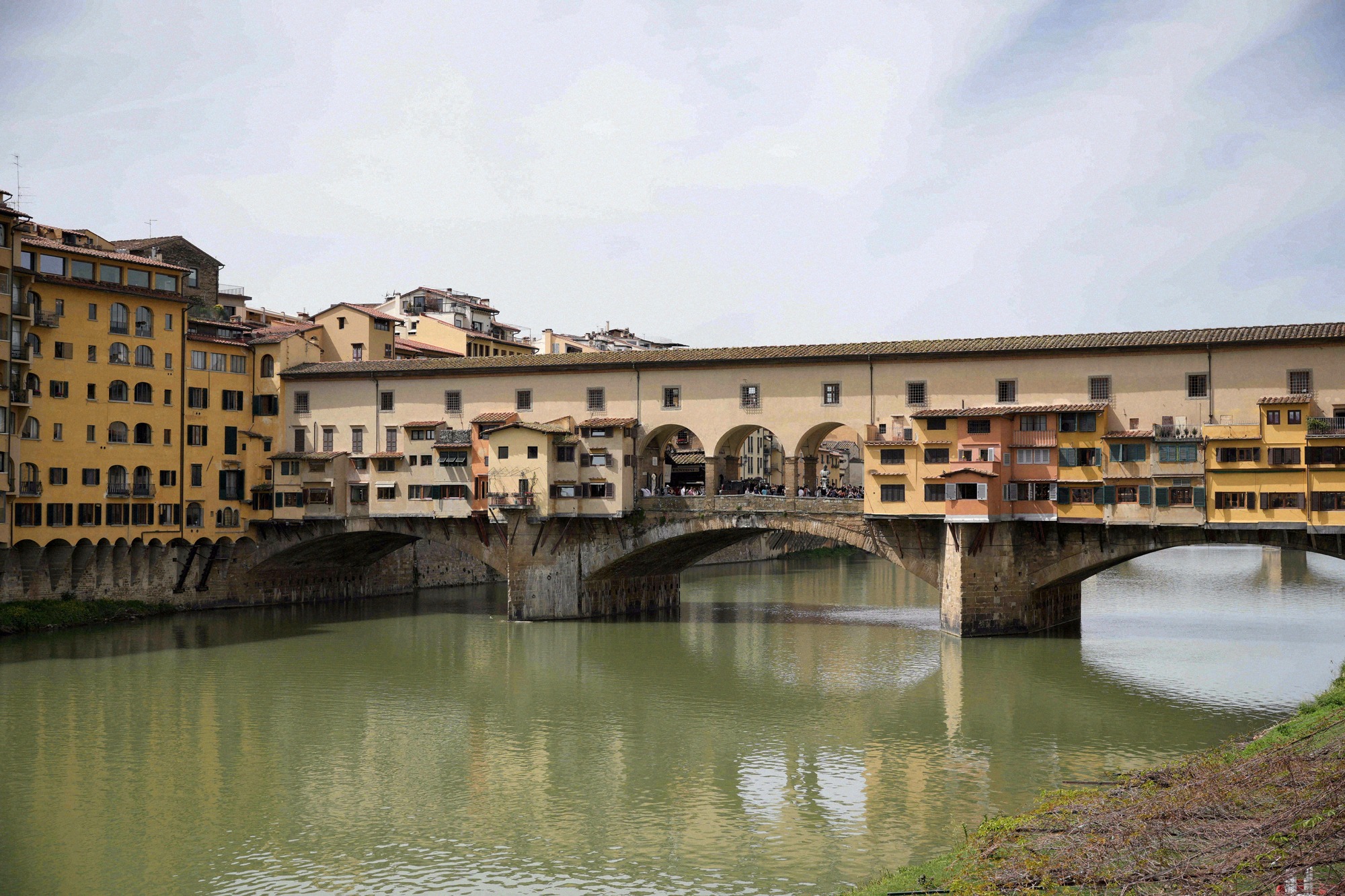
The Ponte Vecchio is Florence's oldest bridge, still lined with small goldsmiths' shops since 1593, with the reopened Vasari Corridor running above the Arno.