Santa Croce
Burial church of Florence's great names
The Basilica di Santa Croce is the largest Franciscan church in the world. Florence's hall of fame holds the tombs of Michelangelo, Galileo and Machiavelli.
Contents
Florence's Pantheon
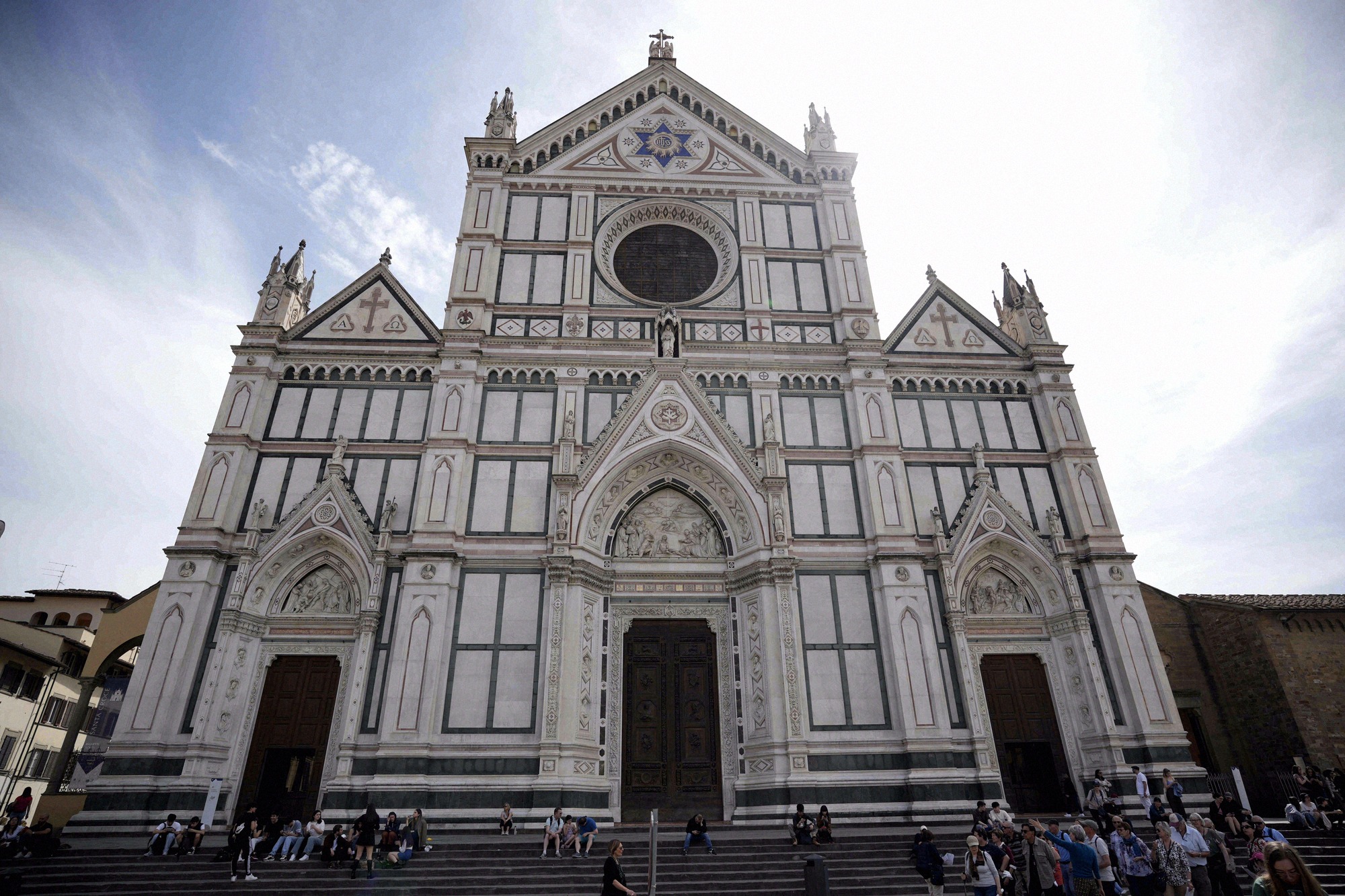
The Basilica di Santa Croce is the largest Franciscan church in the world and the city's hall of fame. Its vast Gothic interior is lined with the tombs and memorials of Florence's great names. The foundation stone for today's church was laid in 1294 to designs by Arnolfo di Cambio, the architect who also designed the Cathedral. The building wasn't consecrated until 1443, by Pope Eugene IV. As with the Cathedral, the neo-Gothic marble facade was only added in the 19th century.
Who's buried here says it all. Michelangelo, Galileo Galilei, Niccolò Machiavelli and the composer Gioachino Rossini all have their tombs in Santa Croce. Dante Alighieri has a memorial, though he's buried in Ravenna and stayed there. This concentration of famous names turned the church into a national site of memory in the 19th century, and for today's visitors, it's a walk through Italy's intellectual history.
Giotto, Cimabue and Brunelleschi
Art-historically, Santa Croce is more than a collection of tombs. Its two most important works are the Giotto frescoes in the Bardi and Peruzzi chapels to the right of the main altar, scenes from the lives of St Francis and St John that redefined early-14th-century painting. Then there's the famous Cimabue crucifix, badly damaged in the 1966 flood and painstakingly restored over decades.
Behind the church, in the quiet first cloister, stands the Cappella dei Pazzi by Filippo Brunelleschi, a clearly structured central space with grey pietra serena lines against white plaster, regarded as a textbook example of harmonious Renaissance architecture. The ticket also covers the museum in the former refectory. Allow around 1 to 1.5 hours for the tombs, Giotto chapels, cloisters and Pazzi Chapel.
Opening hours & admission
The church is open Monday to Saturday, 9:30 to 17:30, with last entry, and ticket office closing, at 17:00. On Sundays and religious holidays the complex doesn't open until the afternoon (approx. 14:00-17:30), since Mass takes priority in the morning. Santa Croce closes completely on a handful of feast days, including 1 January, Easter, 13 June, 4 October, and 25-26 December.
The single ticket costs €10 (concession €6 for ages 12-17, students and groups of 15+). Admission is free for children under 12, Florence residents, visitors with disabilities plus one companion, and Firenze Card holders. Tickets are available at the ticket office or online via the official portal with a timed entry slot; online bookings add a €1 fee per ticket. More on the city pass in our Firenze Card guide, and on booking ahead in our tickets guide.
Visiting & getting there
The most pleasant time to visit is on a weekday morning, before the groups and the midday heat arrive, on Sunday mornings the church is open for Mass only anyway. As an active place of worship, modest dress is expected (shoulders and knees covered); a light scarf helps. As at Santa Maria Novella, the most important chapels are roped off and can only be viewed from a distance, and individual areas may be closed from time to time for restoration.
Santa Croce stands in the neighbourhood of the same name east of the centre, an easy ten-minute walk from Palazzo Vecchio and the Piazza della Signoria. In front of the church opens the Piazza Santa Croce, one of the city's liveliest squares, host to the historic Calcio Storico football tournament each June. The visit pairs well with the nearby Bargello. For tips on walking and public transport, see our public transport guide.
Frequently asked questions
Who is buried in Santa Croce? +
How much does admission to the Basilica di Santa Croce cost? +
What else is there to see besides the tombs? +
When is the best time to visit Santa Croce? +
Nearby
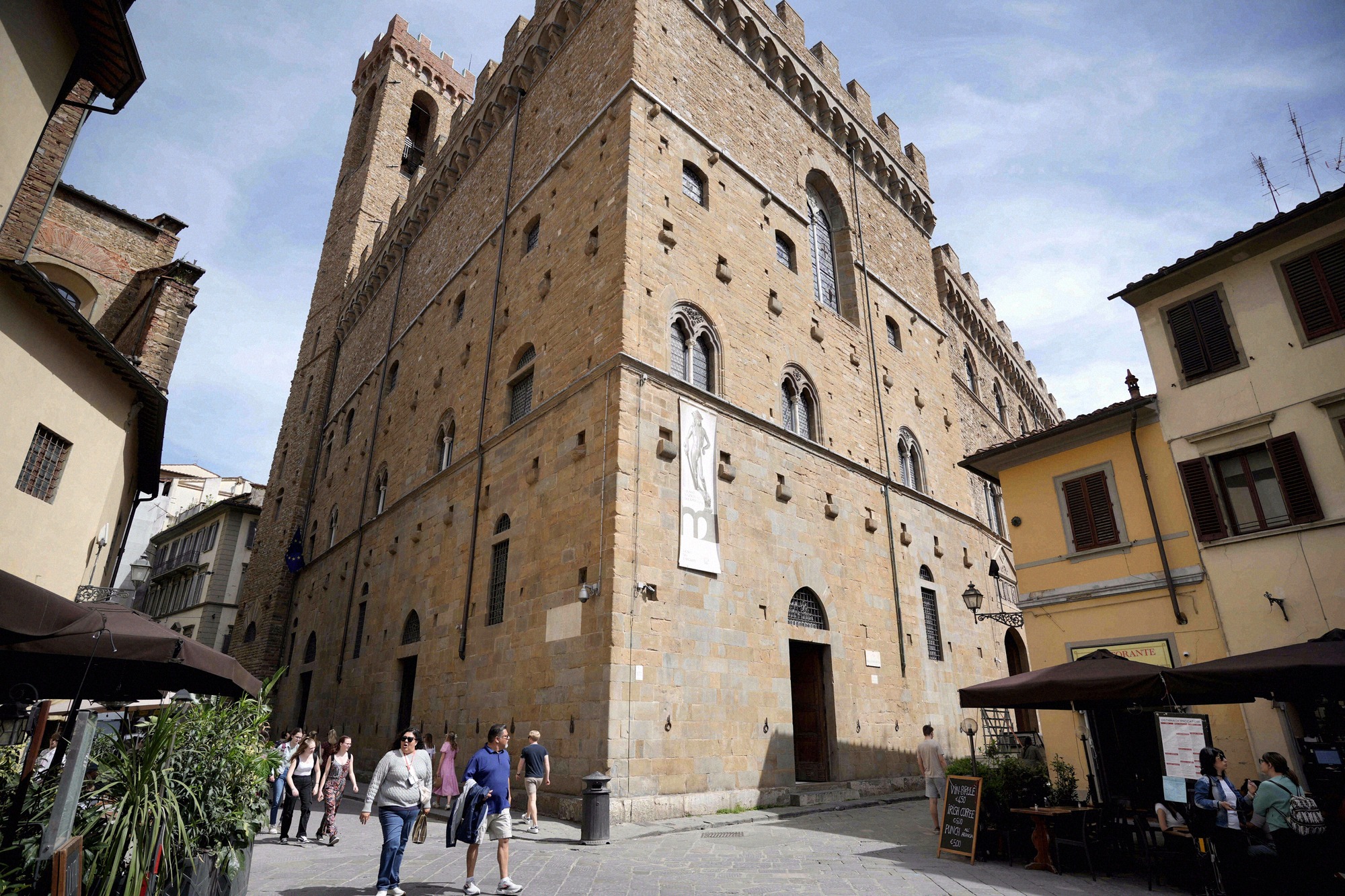
Museo Nazionale del Bargello
Florence's oldest public building holds the world's finest collection of Renaissance sculpture, including Donatello's bronze David and works by Michelangelo.
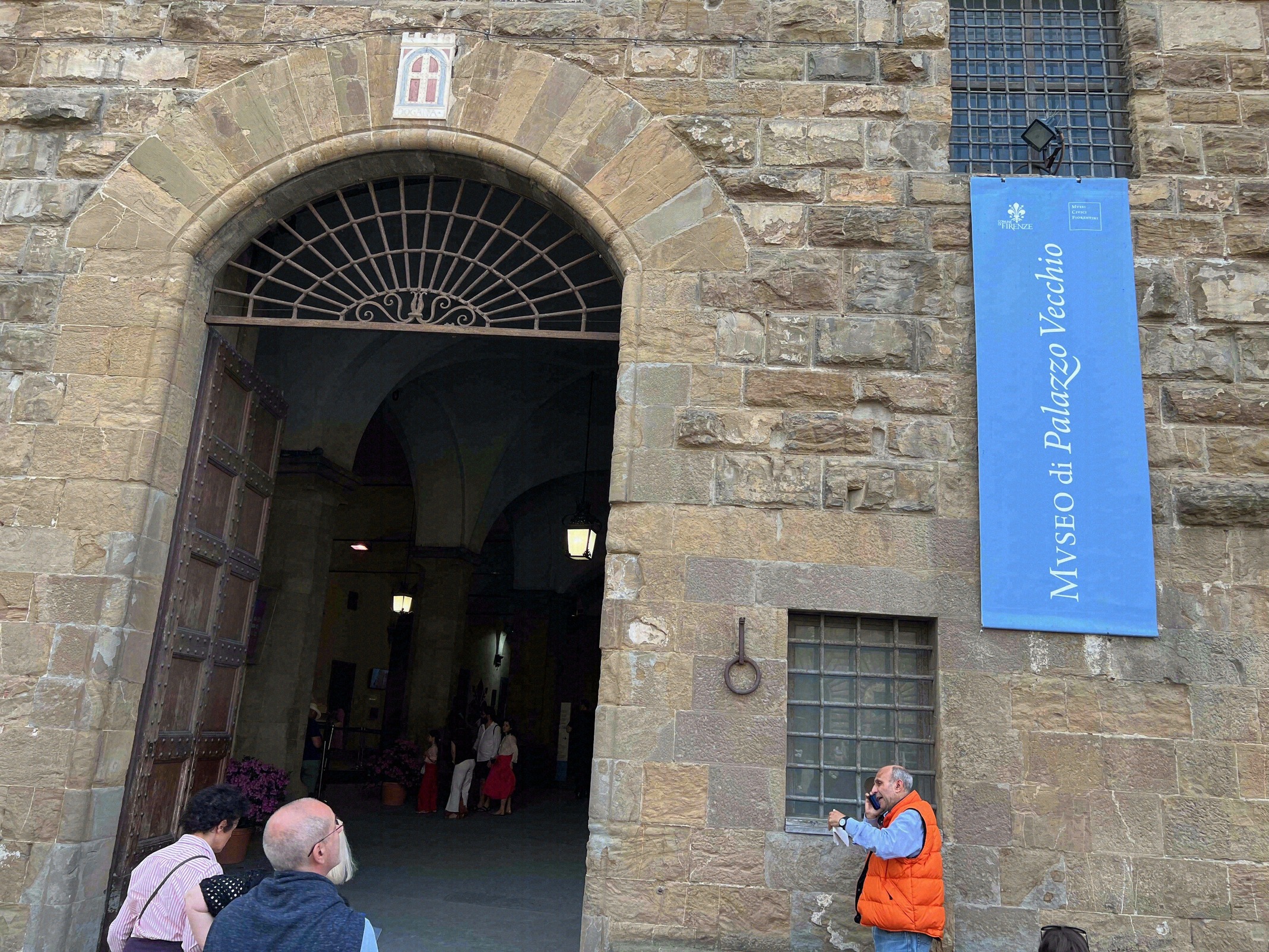
Palazzo Vecchio
Palazzo Vecchio on Piazza della Signoria has been Florence's town hall since the 14th century, home to the Hall of the Five Hundred and the Torre di Arnolfo.
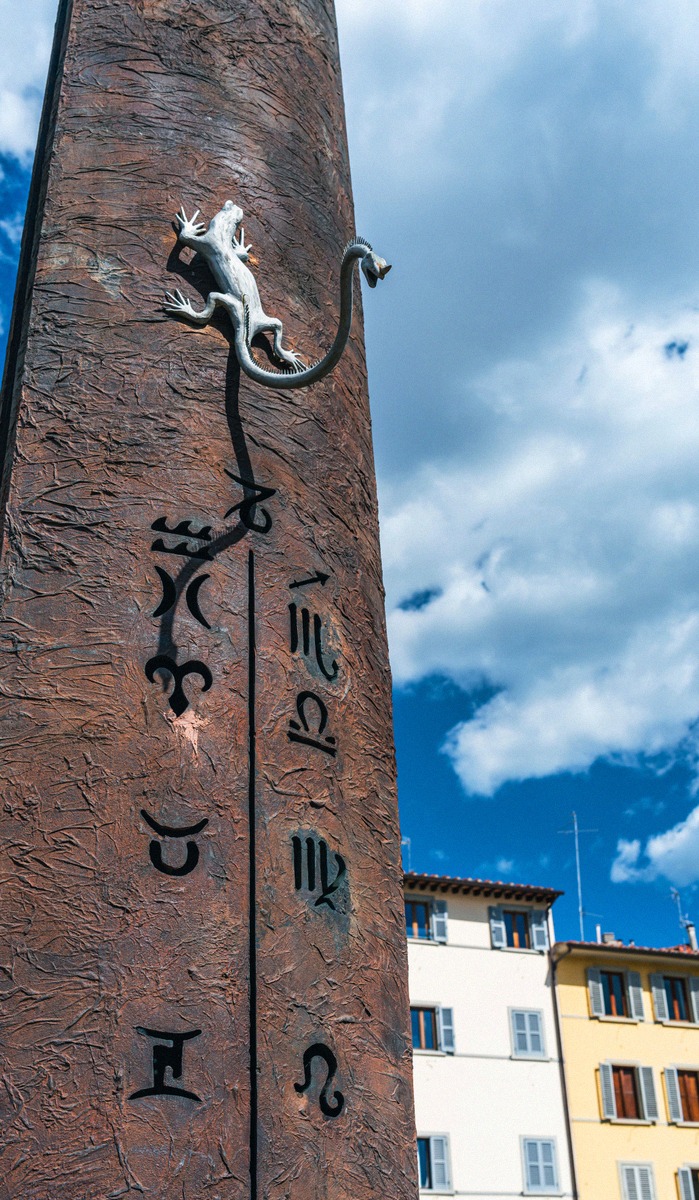
Museo Galileo
Right on the Arno behind the Uffizi, this science museum displays over 1000 historic instruments, ornate globes and Galileo's only two surviving telescopes.
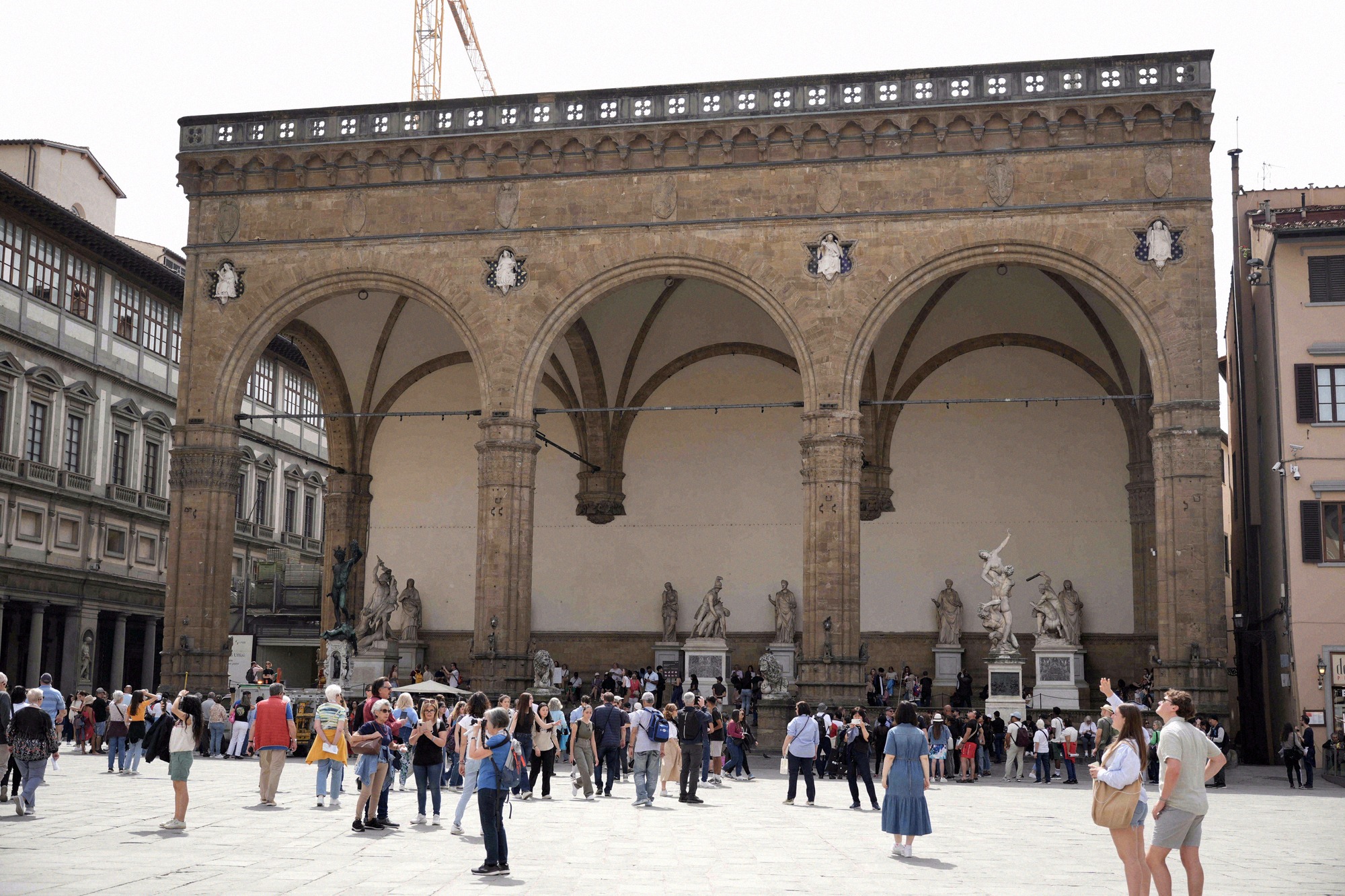
Piazza della Signoria
Florence's political square is a free open-air museum in front of the Palazzo Vecchio, with the Neptune Fountain, a copy of David and Renaissance sculpture in the Loggia dei Lanzi.
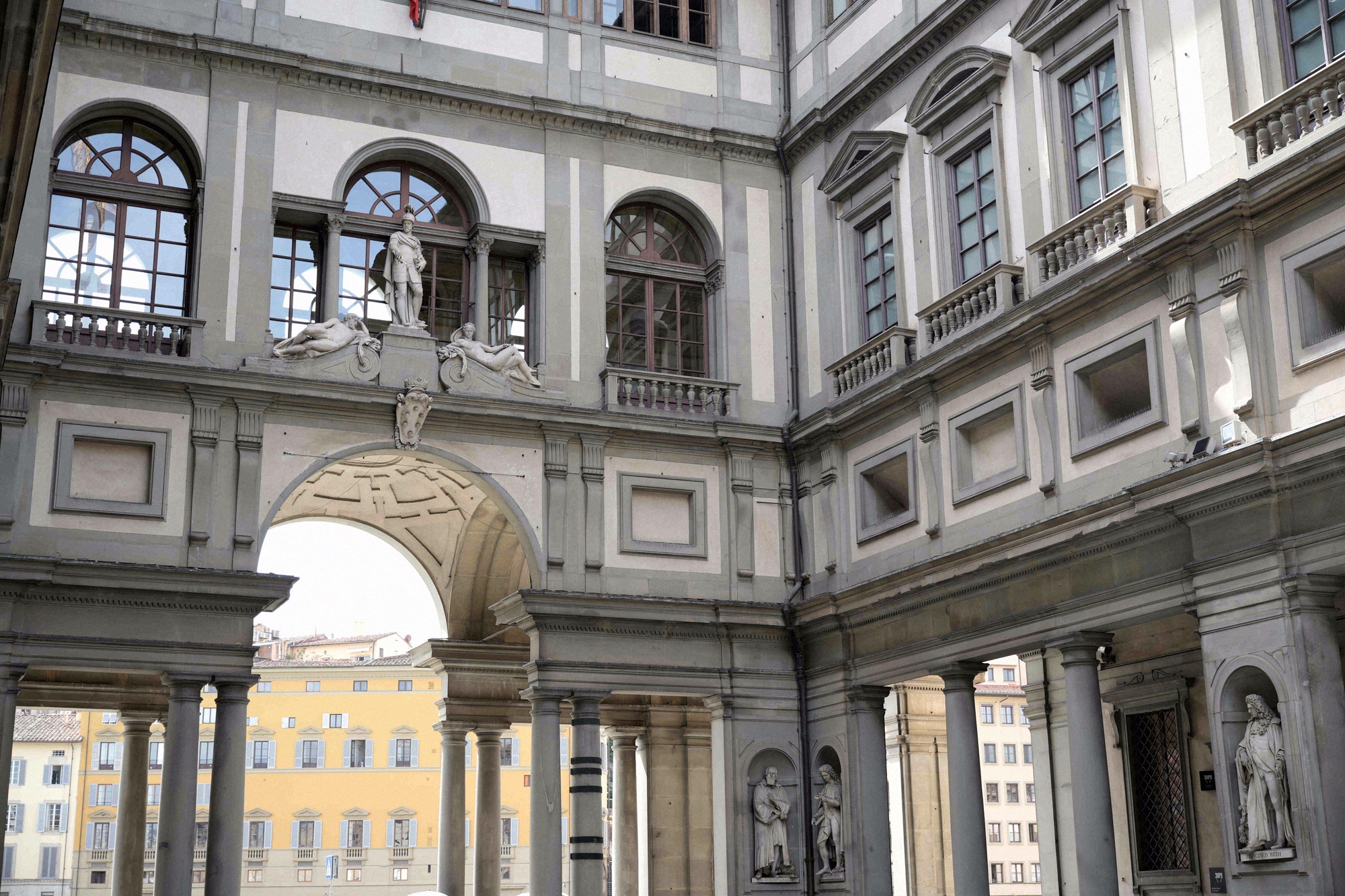
Uffizi Gallery
The Uffizi Gallery holds the world's finest Renaissance collection - Botticelli, Leonardo, Raphael, Caravaggio. Book a timed-entry ticket in advance.
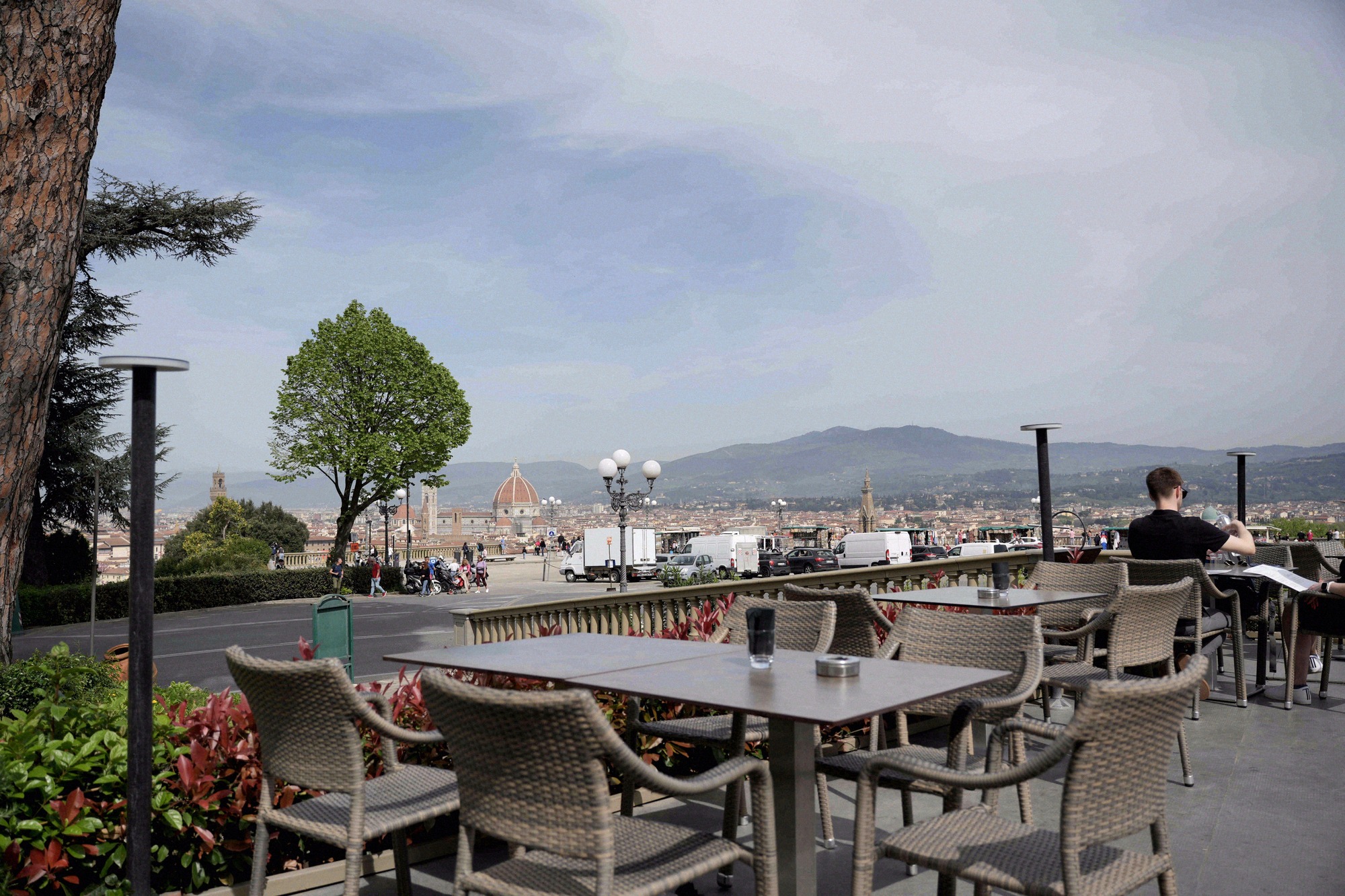
Piazzale Michelangelo
Florence's most famous viewpoint above the south bank of the Arno, the panorama with the Duomo, Palazzo Vecchio and the bridges, free to enter and best at sunset.